
Search Results:
Search Results:
Search Results:
Search Results:
Scotch lock connectors speed up low-voltage wire joins where stripping, twisting, or soldering would slow the job. They suit automotive accessories, signal wiring, data work, and light control circuits. Suitability always depends on voltage, current, conductor type, wire gauge, and the environment the join sits in.
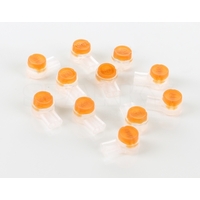
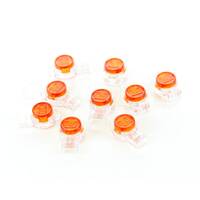
A Scotch lock connector is an insulation displacement connector (IDC) used to splice or tap one wire into another. Common trade names include Scotchlok, quick splice connector, wire tap, T-tap, snap splice, and IDC connector. The connector pierces the insulation with a metal blade and contacts the conductor directly, which removes the need for stripping in suitable jobs.
The plastic body holds both wires in parallel channels. A small U-shaped metal blade sits across the channels. Closing the connector with pliers drives the blade through the insulation and into both conductors at once. The blade creates the electrical bridge while the housing keeps the wires aligned and protected. Sealed and gel-filled versions add silicone or dielectric grease for moisture-prone locations.
Typical applications include automotive accessory wiring, trailer and caravan circuits, 12V LED lighting, marine accessories, telephone and data splicing, irrigation control wiring, low-voltage sensors, and temporary service taps. Standard packs of wire connectors often sit alongside heat shrink tubing, electrical tape, and hand tools in the same trade van or workshop drawer.
Scotch lock products are not all the same shape. The five most common formats handle different splice geometries, current ratings, and environments. Picking the right format before checking colour codes makes the rest of the selection easier.
The classic red, blue, and yellow tap splices branch one accessory wire off a continuous run wire. They suit compact harness work where the run wire stays unbroken. Vehicle dash circuits, control panels, and enclosed accessory wiring inside enclosures are typical uses.
T-tap connectors use a two-piece design. The tap body clamps onto the run wire, while the spade terminal on the accessory wire plugs into the tap. Most use a 6.35mm blade pattern. The big benefit is reversibility: the accessory can be unplugged for service without cutting the loom.
Inline splices join two wires end to end. Pigtail formats branch two wires into one. Multi-wire connectors join three or more wires in a small housing. Compared with crimp butt connectors or soldered joins, these formats trade some mechanical strength for speed. Product ratings must still match the conductor size and the circuit.
Gel-filled connectors include a dielectric grease that displaces air and water from around the blade contact. They suit outdoor low-voltage work, irrigation pits, telecommunications joints, marine harnesses, and corrosion-prone locations. Standard unsealed connectors should never be used where moisture is likely. Sparky Direct also stocks dedicated gel connectors and Gelbox connectors for higher-rated sealed joins.
Colour is the fastest way to identify a Scotch lock size, but the colour code is not universal. Always check the product listing for the conductor range the connector is rated for, especially across different brands.
The typical colour conventions across most automotive and trade ranges look like this:
| Colour | Approx. AWG | Approx. mm² | Typical use |
|---|---|---|---|
| Red | 22 to 18 AWG | 0.5 to 0.8 mm² | Signal, sensor, small accessory wiring |
| Blue | 18 to 14 AWG | 0.8 to 2.0 mm² | General 12V accessory and lighting |
| Yellow | 12 to 10 AWG | 3.0 to 5.0 mm² | Heavier 12V loads and trailer wiring |
Some brands shift these ranges, and gel-filled telecom connectors use different colour systems entirely. Treat the colour as a shortlist filter, then confirm the gauge range printed on the bag.
An oversized connector cannot bite deep enough to make solid contact. An undersized connector damages strands and cracks the housing. Both faults produce the same symptoms: high resistance, voltage drop, heat at the join, dropouts, and slow-developing intermittent faults. Correct gauge matching is the single most important Scotch lock selection step.
Standard Scotch locks are designed for copper or tinned copper conductors within their rated gauge range. Solid telecommunications conductors, fine-strand automotive wire, and tinned marine wire all behave differently under the blade. Aluminium and unusual alloy conductors should not be used unless the product specifically states compatibility.
Scotch lock connectors suit low-voltage, low-to-medium current circuits: signal lines, sensors, small lighting loads, telecommunications, and light 12V accessories. High-current loads such as motors, heating elements, high-wattage lighting, or any circuit running close to its current limit need a more robust termination. Fixed mains wiring in Australia must be carried out by a licensed electrician.
Different jobs put different stresses on a wire join. Vibration, heat, salt air, and signal integrity all change how a Scotch lock performs, so the right format depends on the job rather than the brand.
Common automotive uses include dashcams, reversing cameras, GPS trackers, trailers, caravans, LED accessory lights, and audio installs. Vehicle wiring sees vibration, temperature swings, and enclosed loom routing. Connector quality matters more here than in static installs. Permanent or high-vibration runs are often better served by crimped or soldered joins with heat shrink protection.
Low-voltage LED lighting, control wiring, and small accessory circuits are good Scotch lock candidates when the load is light. Always check the current draw and conductor size before picking a colour. Pair the connector with matching quick connect terminals when a removable accessory tail is needed.
Salt air, condensation, and water ingress destroy unsealed connectors quickly. Marine harnesses, outdoor LED installs, and irrigation circuits should use gel-filled or sealed variants rated for the environment. Manufacturer ratings for IP, voltage, current, and conductor size should always be checked before commitment.
Telecom and data IDC connectors are smaller and built for solid copper communication conductors. They are not interchangeable with larger automotive wire taps. Data terminations should also maintain signal integrity, so the right connector type and the right test gear both matter. Useful adjacent gear includes punch down tools, tone testers, and network testers.
Maintenance vans, installers, and service techs benefit from stocking common colour sizes alongside sealed variants. A practical kit pairs the connectors with crimp terminals, heat shrink, cable ties, storage organisers, and a tester so a job is not held up by a missing accessory. Reliable supply continuity matters more than headline unit price on long jobs.
Scotch locks compete with several other join methods. Each option has its place, and no single method wins for every job. Honest comparison helps the right product reach the right circuit.
Butt connectors need the wire cut and stripped, but a properly crimped butt can deliver a stronger mechanical join with better vibration resistance. Heat-shrink butt connectors add a sealed jacket that suits outdoor and higher-reliability low-voltage joins. Scotch locks remain quicker for tap splices where the run wire must stay intact.
Solder plus heat shrink produces a robust, low-resistance join when performed correctly. The trade-offs are time, skill, heat exposure inside a loom, and harder serviceability later. Soldering is not universally superior, especially where flex and vibration are present. The choice should come down to the circuit, not preference.
Terminal blocks and lever connectors suit accessible enclosures where the join needs to be serviceable. They are common in junction boxes, control cabinets, and fixed installs. Any mains or fixed electrical work must comply with Australian wiring rules and must be completed by a licensed electrician where the law requires it. Sparky Direct stocks compact lever-style options under WAGO connectors alongside traditional screw connectors.
Automotive jobs that need long-term reliability often pair better with heat-shrink butt connectors, crimped spade terminals with sealed boots, soldered joins under shrink, or OEM-style plug-and-socket kits. An add-a-fuse holder is also worth considering when tapping into a vehicle fuse circuit. The right pick depends on current draw, permanence, vibration, moisture, and whether the loom must remain reversible.
Scotch lock reliability splits cleanly along application lines. Used inside their rated envelope, they perform well. Used outside it, they fail in predictable ways. Both halves of that story matter to a buying decision.
They are a strong pick for suitable low-voltage, low-current, protected, and correctly matched applications. Quick field repairs, light accessory circuits, telecom and data splicing, and temporary or reversible installs all sit in their sweet spot. Correct gauge, correct connector type, and correct environment are non-negotiable.
Most failures trace back to a small list of causes:
Industry concerns are real and worth taking seriously. Variable quality across cheap imports, conductor strand damage from the blade, moisture ingress in unsealed versions, and poor long-term vibration performance all come up regularly. Most of these issues trace back to misuse rather than the format itself. Good-quality connectors fitted to the right gauge in the right environment perform well for years.
The honest answer is: sometimes. Permanent suitability depends on product rating, installation environment, circuit current, conductor material, and applicable standards. Fixed 230V electrical work in Australia must be handled by a licensed electrician and use compliant wiring methods and enclosures. Extra-low-voltage permanent installs in protected locations can be appropriate when the product is rated for the job.
Standard Scotch locks are not waterproof and should not be used in wet areas. Gel-filled or sealed variants may suit damp or outdoor low-voltage applications when the product description confirms the rating. Always check the listing for sealed, gel-filled, voltage, current, and cable-size specifications before ordering.
A repeatable selection routine cuts returns and rework. Working through gauge, environment, and rating in that order makes the rest of the buy obvious.
Wire gauge or mm² matching is step one. Check both the source wire and the tap wire, because they may differ. Mixed sizes need a connector rated for both conductors, not just the larger one. The bag rating, not the colour alone, is the source of truth.
Dry indoor or enclosed locations often accept standard connectors. Outdoor, marine, caravan, irrigation, under-bonnet, and damp zones need sealed or gel-filled variants. High-vibration areas should push the decision towards crimp or soldered joins with proper strain relief and shrink.
Check the product rating against the actual circuit load. Good fits include signal, control, communications, sensor, and light accessory wiring. Poor fits include high-current motors, heating elements, mains circuits, heavy accessories, and any safety-critical system. Pair the connector with a multimeter or voltage tester to verify the join under load.
Housing material, blade quality, consistent sizing, gel fill, brand reliability, packet quantities, and storage all matter for repeat trade use. Bargain-bin connectors with poor tolerances create callbacks. The unit-price saving rarely covers a single rework visit, so build-quality should anchor the decision.
Small packs suit one-off repairs and home jobs. Bulk packs suit contractors, fleet maintenance, installers, and workshop stocking programs. Colour variety, sealed options, fast dispatch, and easy replenishment all matter for buyers running busy jobs.
This section keeps installation guidance high-level for extra-low-voltage and accessory work. Any fixed wiring or regulated electrical installation in Australia must be carried out by a licensed electrician in accordance with the wiring rules.
Confirm the circuit is suitable for an IDC join. Isolate power where appropriate. Check the wire size against the connector rating, and inspect the insulation for cracks or burns. Damaged insulation should be cut back to clean cable before fitting. Wire strippers and cutting pliers belong in the same toolkit.
Seat both wires fully into the housing channels and hold the connector square to the conductors. Close with controlled pressure using suitable pliers, since uneven pressure cracks the housing. Confirm the cap is fully seated and the wires have not shifted. Test the circuit after fitting before refitting any covers or loom tube.
Removal usually leaves insulation damage or a small conductor nick at the blade site. Inspect the wire under good light and decide whether to repair the insulation or cut back and re-terminate. Critical circuits should be re-terminated using a fresh section rather than reused at the pierced point.
A solid test routine covers visual inspection, a gentle pull check on both wires, continuity verification, resistance measurement, and a voltage drop test under load where safe. Suspect joins on safety-critical or regulated circuits should be checked by a licensed electrician with calibrated test gear.
The online buy is more than just price per pack. Specifications, availability, dispatch speed, and the ability to grab matching consumables in the same order all change how quickly a job moves forward.
A workshop or trade van stocks better when common colour sizes sit next to sealed variants, crimp terminals, heat shrink, cable ties, and a tester. Pack labelling and consistent storage cut the time spent hunting for the right connector mid-job. Commercial maintenance teams benefit from setting a standard list and re-ordering against it, rather than picking ad-hoc each time.
Practical supplier comparison criteria include product range depth, availability of common colour sizes, bulk pack options, Australia-wide delivery coverage, clear product specifications, trade account support, and the ability to add accessories to one order. Headline price alone is the wrong measure, since rework and downtime quickly outweigh small savings on a pack of connectors.
Urgent jobs need stock that ships fast and pack sizes that match real consumption. Sparky Direct dispatches across Australia and lists pack quantities, dispatch information, and accessory items so a full kit can land in one delivery. That reduces downtime when a maintenance van is short of a critical size.
Compliance note: Fixed 230V wiring in Australia is regulated work and must be carried out by a licensed electrician in accordance with AS/NZS 3000:2018 and any applicable state requirements. Scotch lock connectors are not a substitute for compliant fixed-wiring terminations in mains-voltage circuits.
Watch Wago 221-415 | 4mm² 5-Way Compact Splicing Connector | Jar of 25 video
Watch Major Tech CTR03120 | Hex Crimping Tool video
Watch Klein Tools 3005CR | Ratcheting Crimper 0.34mm²-6mm² video

Great product. Sparky Direct is as far as I'm concerned the best online electrical supplier. Prices are competitive, delivery time is super fast. I would not recommend anyone else. A+++
Excellent product, good price, versatile usage. Trusted brand. Cables fit in really good. Been using this brand of connector since i know Sparky Direct!
Quick, Simple, Cheap and Reliable. Unchanged design for decades. These just work as advertised.
Trusted brands • Expert advice • Fast Australia-wide delivery • Trade pricing
Shop Scotch Lock Connectors → Get Expert Advice →