
Search Results:
Search Results:
Search Results:
Search Results:
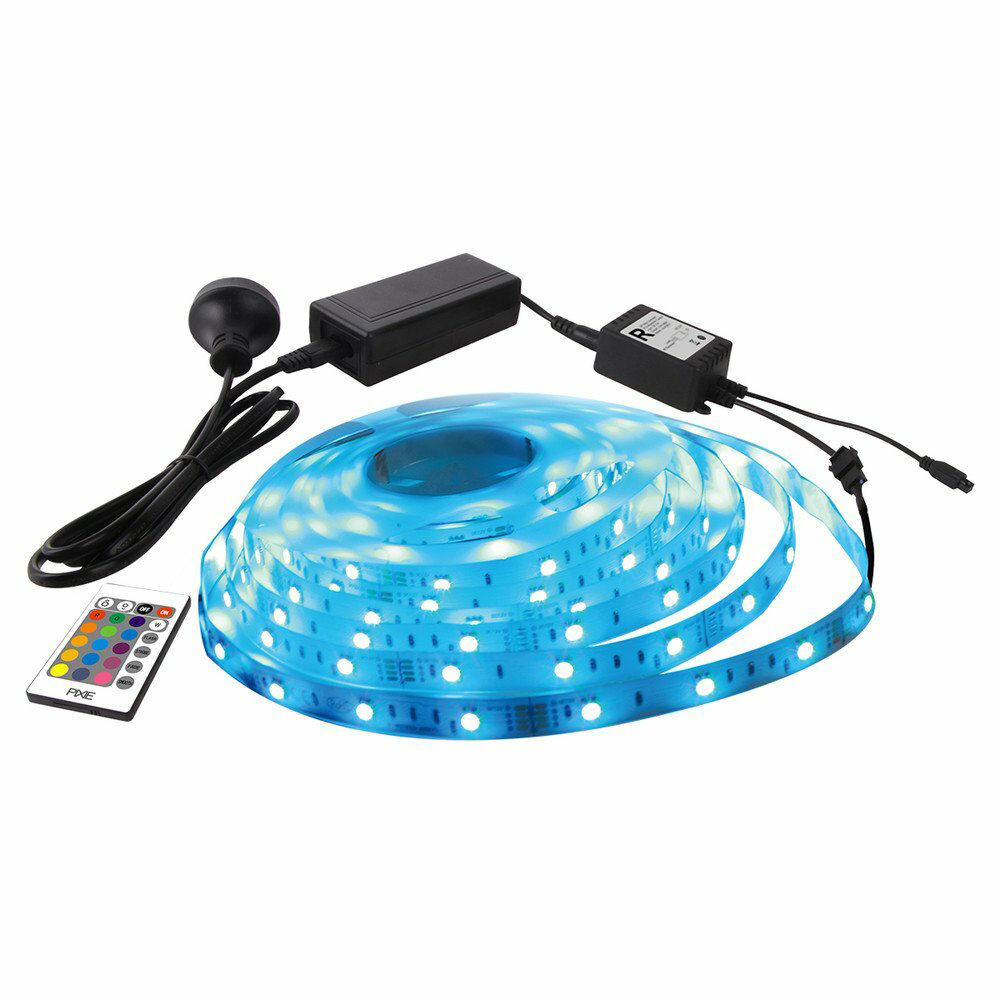
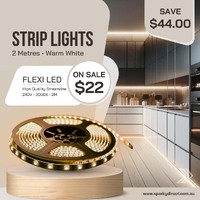
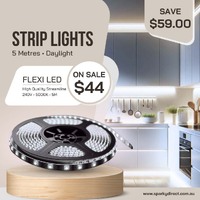
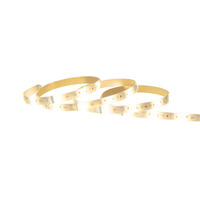
LED strip lights consist of a flexible printed circuit board (PCB) with surface-mounted LEDs spaced at regular intervals. The flexible substrate allows installation around corners, in channels, and along irregular surfaces where traditional lighting cannot reach. Most strips feature adhesive backing (preferably 3M quality) for secure mounting and are available in lengths from 1 to 10 metres.
The fundamental architecture includes cut points at defined intervals—typically every 50mm to 100mm—allowing you to customise lengths precisely to your project requirements. This modularity makes LED strips ideal for both compact cabinet lighting and extensive architectural installations.
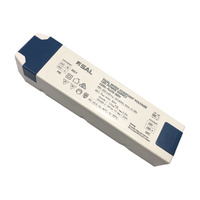
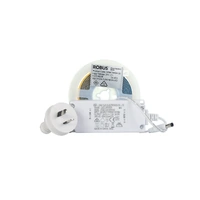
Most LED strips operate on low voltage DC (12V or 24V) requiring an external LED driver to convert 240V AC mains to the appropriate DC voltage. Direct 240V strips eliminate the remote driver but must be installed by a licensed electrician in accordance with AS/NZS 3000.
Selecting the correct operating voltage is fundamental to ensuring optimal performance, minimising voltage drop, and meeting project requirements. Each voltage option serves specific applications based on run length, installation complexity, and performance expectations.
12V LED strips are best suited for short runs under 5 metres, making them ideal for under-cabinet lighting, joinery applications, and compact installations. The lower voltage results in more frequent cut intervals (typically every 50mm), providing greater flexibility for precise length customisation. However, 12V systems experience more pronounced voltage drop over distance compared to higher voltage alternatives.
Common applications include display cabinets, bathroom vanity lighting, and residential accent lighting where runs are compact and precise cutting is beneficial.
24V LED strips significantly reduce voltage drop, making them ideal for continuous runs between 5 and 10 metres. This makes 24V the professional choice for commercial fit-outs, larger rooms, and architectural installations where maintaining consistent brightness across extended lengths is critical. Cut intervals are typically 100mm, providing reasonable flexibility while delivering superior performance over distance.
Professional electricians typically specify 24V systems for retail shelving, hospitality venues, cove lighting in commercial spaces, and any installation where consistent output is non-negotiable.
240V LED strips connect directly to mains power, eliminating the need for a remote driver. This simplifies the overall system but requires installation by a licensed electrician in all circumstances. These strips are suitable for permanent architectural installations where the mains connection point is accessible and the installation will not require future modification.
Compliance Requirement: All 240V LED strip installation must be completed by a licensed electrician in accordance with AS/NZS 3000. Low voltage (12V/24V) connection to the driver output is considered DIY-friendly, but mains connection to the driver input requires licensed electrical work.
Voltage drop occurs when electrical resistance in the conductor reduces voltage as current travels along the strip. This manifests as dimming toward the end of longer runs. The effect is more pronounced in 12V systems than 24V systems due to higher current requirements for the same wattage.
To combat voltage drop on extended runs, power injection is employed. This involves feeding power at multiple points along the strip rather than just at one end. For runs exceeding manufacturer recommendations, power injection every 5 metres typically maintains consistent brightness throughout the installation.
| Voltage | Best For | Maximum Run | Cut Interval | Voltage Drop |
|---|---|---|---|---|
| 12V | Cabinet lighting, joinery | Up to 5m | ~50mm | Higher |
| 24V | Commercial fit-outs, larger rooms | 5-10m | ~100mm | Lower |
| 240V | Permanent architectural installs | 50m+ | ~1m | Minimal |
Colour temperature, measured in Kelvin (K), dramatically influences the ambience and functionality of LED strip lighting. Selecting the appropriate colour temperature ensures the lighting serves its intended purpose while creating the desired atmosphere.
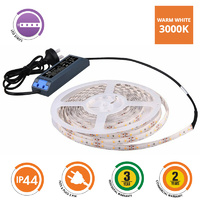
3000K Warm White produces a soft, yellowish light similar to incandescent bulbs. This temperature creates inviting residential ambience and is preferred for bedrooms, living areas, restaurants, and hospitality venues where comfort is paramount.
4000K Neutral White offers balanced, natural light without a strong yellow or blue cast. This versatile temperature suits retail environments, offices, transitional spaces, and modern kitchens where accurate colour perception matters but warmth is still desired.
5000K-6000K Cool White delivers crisp, bluish-white light that enhances alertness and visibility. Workshops, garages, commercial kitchens, and task lighting installations benefit from this temperature where visual clarity takes precedence over ambience.
CRI measures how accurately artificial light reveals the true colours of objects compared to natural daylight. The scale runs from 0 to 100, with higher values indicating better colour accuracy.
For professional installations, specify strips with CRI 80+ as a minimum standard. Retail environments, art galleries, residential kitchens, and any application where colour accuracy matters should use CRI 90+ strips. While higher CRI strips cost more, the improvement in visual quality justifies the investment in colour-critical applications.
For projects requiring colour-changing or tunable functionality, ensure compatibility between the LED strip, controller, and power supply. Smart lighting solutions offer app-based control for dynamic colour and temperature adjustment.
Brightness in LED strips is measured in lumens per metre (lm/m), while LED density refers to the number of individual LEDs per metre. Both factors work together to determine light output, uniformity, and suitability for different applications.
300-500 lm/m provides subtle accent lighting suitable for ambient illumination, decorative applications, and situations where the strip creates mood rather than functional light. This output works for highlighting architectural features, toe-kick lighting, and gentle backlighting.
500-800 lm/m delivers adequate task lighting for under-cabinet installations, workbench illumination, and situations requiring functional visibility without being the primary light source. This range suits most residential applications where the strip supplements existing lighting.
800-1200+ lm/m produces sufficient output to serve as primary lighting in certain applications. Commercial kitchens, retail shelving, workshop lighting, and situations where the strip is the sole light source require this higher output. Consider heat dissipation requirements as output increases.
30 LEDs per metre creates visible individual points of light, resulting in a dotted appearance even with diffusers. This low density suits purely decorative applications where the dotted effect is acceptable or desired.
60 LEDs per metre represents the general-purpose standard, providing reasonable uniformity for most residential and light commercial applications. With a quality diffuser, this density produces acceptable light distribution for under-cabinet and cove lighting.
120+ LEDs per metre delivers smooth, continuous light output with minimal visible spotting. Professional installations, architectural lighting, and situations where the strip is visible or partially visible warrant this higher density. The increased LED count also improves light distribution and reduces shadows.
COB LED strips represent premium technology where LEDs are mounted directly onto the circuit board with a continuous phosphor coating. This creates completely dot-free illumination with no visible individual LEDs, even without diffusers.
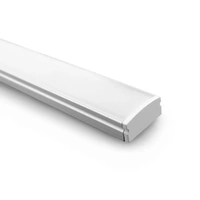
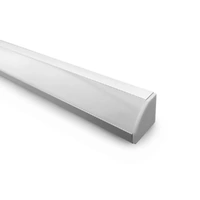
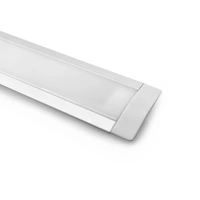
For any installation where the LED strip is visible or partially visible, use aluminium extrusion with a frosted diffuser. This not only improves light distribution but also provides heat dissipation, physical protection, and a professional finished appearance. For premium results, specify COB technology or 120+ LED/m density.
The IP (Ingress Protection) rating indicates an LED strip's resistance to solid objects and liquids. Understanding IP ratings ensures you specify appropriate strips for each installation environment, preventing premature failure and safety hazards.
IP ratings use a two-digit format (IPXY) where X indicates solid particle protection and Y indicates liquid protection. Both digits range from 0 (no protection) to 6/8 respectively, with higher numbers indicating greater protection.
| IP Rating | Protection Level | Typical Applications |
|---|---|---|
| IP20 | Indoor dry locations only | Living rooms, bedrooms, dry cabinets |
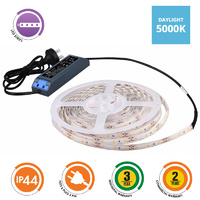
| IP44 | Splash resistant | Bathrooms (outside wet zones), covered outdoor areas |
| IP65 | Water resistant (jet spray) | Kitchens near sinks, exposed outdoor areas, wet room edges |
| IP67 | Waterproof (temporary immersion) | Outdoor ground-level installations, water features |
| IP68 | Submersible (continuous immersion) | Pool lighting, fountains, permanent underwater applications |
Kitchen installations should use IP65 rated strips near sinks, splashbacks, and food preparation areas where water spray is likely. Under-cabinet lighting away from water sources can use IP20 if preferred for easier connection and lower cost.
Bathroom installations require careful zone consideration. Outside designated wet zones, IP44 provides adequate protection. Within wet zones or where direct water spray is possible, specify IP65 minimum. For shower recesses, IP67 is recommended despite being outside typical requirements.
Outdoor installations on the east coast of Australia should use IP65 minimum for covered areas and IP67 for exposed installations. Queensland's tropical climate and exposure to monsoonal rain patterns warrant IP67 for all outdoor applications where long-term reliability matters. For areas subject to flooding or ground-level installation, IP68 prevents water ingress completely.
Australian Standards Compliance: Outdoor and wet area electrical work must comply with AS/NZS 3000 and be installed by a licensed electrician where required. This includes ensuring appropriate IP ratings, correct installation methods, and proper sealing of connections in wet locations. For outdoor lighting installations, consider environmental factors specific to your location.
Note that IP-rated strips typically use silicone coating or sleeves, which can affect heat dissipation. Higher IP ratings may require reduced power density or additional heat management to maintain rated lifespan.
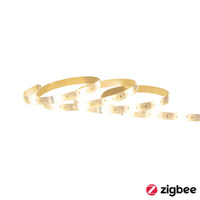
Smart LED strip lights integrate with home automation systems, providing remote control, scheduling, and integration with other connected devices. These systems use WiFi or Zigbee protocols to enable control via smartphone apps, voice assistants, and automation routines.
WiFi controllers connect directly to your existing network without requiring additional hubs. This simplifies installation for single-room or simple multi-room setups. WiFi is ideal for residential installations where simplicity takes precedence over system complexity. However, WiFi can experience interference in dense network environments and may struggle with very large installations.
Zigbee controllers require a compatible hub (such as Philips Hue Bridge or smart home controllers) but create a mesh network where devices strengthen the overall system by relaying signals. This makes Zigbee more reliable for larger installations, commercial applications, and situations where dozens of zones require control. The mesh architecture self-heals if individual nodes fail and doesn't burden your WiFi network.
Smart LED strips excel in commercial environments where lighting requirements change throughout the day. Retail stores adjust colour temperature and brightness to complement natural daylight and influence customer behaviour. Restaurants create different moods for lunch versus dinner service. Hotels automate corridor and amenity lighting based on occupancy and time of day.
For commercial installations, specify controllers with reliable connectivity, professional-grade components, and integration capability with building management systems. The initial investment in quality control hardware prevents ongoing maintenance issues and client dissatisfaction.
Consider browsing smart solutions to understand integration possibilities with existing systems.
Proper installation determines whether an LED strip system performs reliably for years or fails prematurely. Surface preparation, heat management, driver sizing, and cable routing all require attention to detail.
LED strips adhere best to clean, dry, smooth surfaces. Thoroughly degrease mounting surfaces with isopropyl alcohol and allow complete drying before application. Dusty, oily, or textured surfaces compromise adhesive bond, leading to sagging or detachment over time.
For challenging surfaces or critical installations, use additional mechanical fixing such as mounting clips or aluminium extrusions. The extrusion provides consistent support while improving heat dissipation and protecting the strip from physical damage.
LED efficiency degrades with heat, reducing light output and shortening lifespan. While LEDs generate less heat than traditional lighting, high-density strips still produce significant thermal energy requiring dissipation.
Aluminium extrusions act as heat sinks, drawing heat away from the LEDs and distributing it across a larger surface area. For high-output strips (1000+ lm/m) or enclosed installations, aluminium mounting is essential rather than optional. Leave air gaps behind mounted extrusions to allow heat dissipation through convection.
Avoid installing strips in completely sealed enclosures, tight spaces without airflow, or directly against thermal insulation. If installation in these locations is unavoidable, reduce power density or increase strip length to spread the same light output across more LEDs.
Calculate total wattage by multiplying watts per metre by the total length of strip. Add 20% overhead to prevent operating the driver at maximum capacity, which extends lifespan and improves reliability. The formula is: (Watts per metre × total metres) × 1.2 = minimum driver wattage.
For example, 8 metres of strip rated at 12W/m requires: (12 × 8) × 1.2 = 115.2W minimum driver capacity. Specify a 120W or 150W driver for this installation.
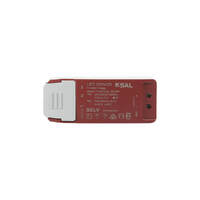
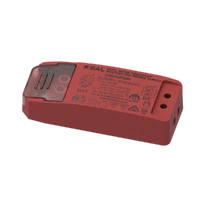
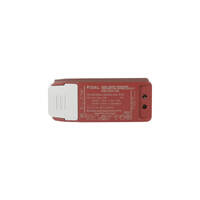
Position drivers in ventilated locations away from insulation and heat sources. Drivers generate heat during operation and require adequate airflow to maintain efficiency and longevity. Accessible mounting locations simplify future maintenance or replacement.
Plan cable routes during design rather than retrofitting solutions later. Where cables cross visible surfaces, use matching cable channels, architectural features, or joinery details to conceal runs professionally.
For low voltage systems, cable voltage drop between driver and strip matters on long runs. Use appropriately sized cable—typically 1.5mm² for runs under 10 metres, 2.5mm² for longer runs. Consider cable sizing carefully to prevent voltage drop losses between driver and strip.
Electrical Regulation Guidance: Low voltage (12V/24V) connection from the driver to the LED strip is DIY-friendly for competent individuals. However, the connection from 240V mains supply to the driver input must be completed by a licensed electrician in accordance with AS/NZS 3000. For 240V LED strips, all installation work requires a licensed electrician regardless of skill level.
LED strip lighting adapts to diverse applications across residential, commercial, and outdoor environments. Understanding optimal specifications for each application ensures successful installations that meet performance expectations.
| Application | Recommended Voltage | Lumens/Metre | IP Rating | Notes |
|---|---|---|---|---|
| Kitchen Under-Cabinet | 12V or 24V | 600-800 lm/m | IP65 near sinks, IP20 elsewhere | 4000K preferred for food preparation |
| Bedroom Ambient | 12V or 24V | 300-500 lm/m | IP20 | 3000K warm white, dimmable |
| TV Backlighting | 12V | 300-400 lm/m | IP20 | RGB or tunable white for flexibility |
| Outdoor Entertaining | 24V | 400-600 lm/m | IP67 | 3000K warm white creates ambience |
| Retail Shelving | 24V | 800-1000 lm/m | IP20 | High CRI (90+), 4000K neutral |
| Stair Safety Lighting | 12V or 24V | 400-600 lm/m | IP65 | Motion sensor integration, cool white |
| Architectural Cove | 24V | 600-1000 lm/m | IP20 | 120+ LED/m or COB for uniform output |
| Bathroom Vanity | 12V or 24V | 500-700 lm/m | IP44 minimum, IP65 near shower | 4000K for accurate colour rendering |
Each application benefits from careful specification of colour temperature, IP rating, and brightness to match the specific environmental conditions and functional requirements. Don't hesitate to combine multiple specifications within a single project—kitchens often use task-focused strips under cabinets with ambient strips in plinths or above cabinetry.
Quality LED strip lights offer 25,000 to 50,000 hours of rated life under appropriate operating conditions. This translates to 10-20 years of typical residential use or 5-10 years in commercial environments with extended operating hours. However, actual lifespan depends heavily on installation quality and operating conditions.
Excess heat represents the primary enemy of LED longevity. Operating LEDs above their rated temperature accelerates degradation, reducing both output and lifespan. High ambient temperatures, inadequate heat dissipation, and excessive current all contribute to thermal stress.
Undersized or poor-quality drivers shorten LED life through inadequate current regulation, voltage fluctuations, and electrical noise. Quality drivers maintain consistent output, filter mains interference, and include thermal protection. The driver significantly influences overall system reliability—specify quality components even if initial cost is higher.
Poor ventilation traps heat around LED strips and drivers, creating thermal stress even in moderate ambient temperatures. Enclosed fixtures, tight installation spaces, and proximity to insulation all reduce effective heat dissipation.
Moisture ingress in installations without adequate IP rating causes corrosion, short circuits, and premature failure. Even in nominally dry environments, condensation can occur with temperature fluctuations, particularly in coastal areas or during seasonal changes.
LED strips require minimal maintenance compared to traditional lighting, but periodic attention extends lifespan and maintains performance:
LED strips don't typically fail catastrophically—instead, light output gradually decreases over time. Quality strips maintain 70% of initial output (L70) at rated life. When strips reach L70, consider replacement even if still functioning, particularly in commercial applications where consistent light levels matter.
Systematic planning ensures you specify appropriate components, calculate requirements accurately, and execute installations professionally. Follow this step-by-step process for reliable results:
Professional installations benefit from documentation including circuit diagrams, driver locations, cut point positions, and connection methods. This aids future maintenance, modifications, and troubleshooting. For commercial installations, providing the client with system documentation demonstrates professionalism and supports ongoing facility management.
Photograph installations before concealing cables or closing access points. These reference images prove invaluable for future work or when other trades need to understand what exists behind surfaces.
Watch SAL FLP12V5MWWS | 5 Metre LED Strip Light | Warm White video
Watch 2 Metre LED Strip Light Warm White | FLP12V2MWWS video
Watch 2 Metre LED Strip Light Daylight | FLP12V2MNDLS video

Very happy with this strip lighting, works perfectly for under our vanities in the bathrooms. Perfectly mood setting light.
Exactly what I wanted - nice and bright for lighting up a bench under some cupboards
All arrived safely and quickly given our remote location. Great quality products and they work as published. Thanks.
Quality products in stock · Fast Australia-wide delivery · Competitive trade pricing
Browse LED Strip Lights → Get Expert Advice →What are LED strip lights used for? LED strip lights are flexible lighting solutions used for under-cabinet task lighting, architectural cove illumination, outdoor entertaining areas, retail shelving, stair safety lighting, and ambient bedroom lighting across Australian residential and commercial projects.
What voltage LED strip lights should I use? Use 12V LED strips for runs under 5 metres (ideal for cabinets and joinery), 24V LED strips for 5-10 metre runs (best for commercial fit-outs with reduced voltage drop), or 240V LED strips for permanent architectural installations requiring licensed electrician installation per AS/NZS 3000.
What colour temperature is best for LED strip lights? Choose 3000K warm white for residential ambience and living spaces, 4000K neutral white for retail environments and modern kitchens, or 5000K-6000K cool white for workshops and task lighting requiring maximum visibility.
What IP rating do I need for LED strip lights? Select IP20 for dry indoor locations, IP44 for bathrooms outside wet zones, IP65 for kitchens near sinks and splashbacks, or IP67 for exposed outdoor installations in Australian climates including Queensland's tropical conditions.
How do I size an LED strip light driver? Calculate total wattage using (watts per metre × total metres) × 1.2 to include 20% overhead capacity. For example, 8 metres of 12W/m strip requires a minimum 115W driver—specify 120W or 150W for optimal lifespan.
Do LED strip lights need aluminium channels? Aluminium extrusions provide essential heat dissipation for high-output strips (800+ lm/m), protect the strip from physical damage, create professional finished appearance, and are strongly recommended for all visible installations.
Yes, their slim and discreet design suits modern and contemporary spaces.
Sparky Direct supplies LED strip lights Australia-wide, offering versatile lighting solutions with convenient delivery.
LED strip lights are securely packaged and delivered via standard courier services.
Unused products are generally eligible for return according to the seller’s returns policy.
Warranty coverage varies by manufacturer and typically covers defects in materials or workmanship.
LED strip lights and drivers are available individually and as complete kits.
Yes, planning ensures correct brightness, placement, and power supply selection.
LED technology provides long service life under normal operating conditions.
Yes, they are commonly used in displays, shelves, and cabinets.
They produce minimal heat compared to traditional lighting options.
Yes, operation is simple using switches, dimmers, or controllers.
They add depth, warmth, and visual interest to spaces.
Brightness varies by type and density, with options suitable for accent or functional lighting.
LED strip lights are flexible lighting strips with integrated LEDs, used for decorative, accent, or functional lighting.
Yes, they are popular under cabinets and benches for practical task lighting.
They offer flexible, modern lighting that enhances ambience and highlights features.
Some LED strip lights are dimmable when used with compatible drivers and controllers.
Yes, certain models are sealed and suitable for damp or outdoor locations.
Yes, they are widely used for interior lighting and decorative applications.
Many LED strip lights are designed with cut points, subject to manufacturer guidelines.
Yes, options include warm white, cool white, daylight, and colour-changing varieties.
Yes, LED technology provides efficient lighting with low power consumption.
Most LED strip lights operate on low voltage, typically 12V or 24V, using a suitable power supply.
Quality LED strip lights are manufactured to meet relevant AS/NZS electrical and safety standards when installed correctly.
They are commonly used under cabinets, along shelves, in coves, display areas, and feature lighting applications.