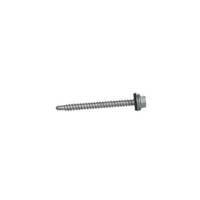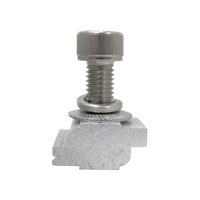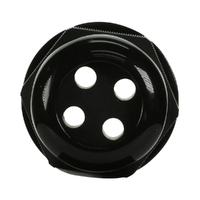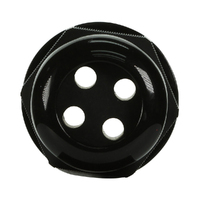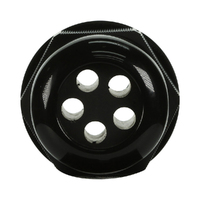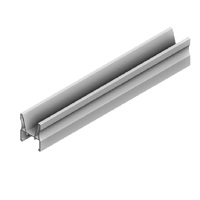


GROUND
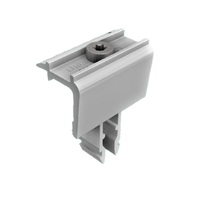
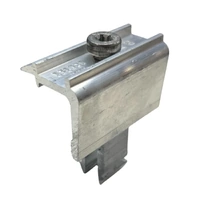
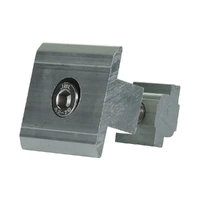
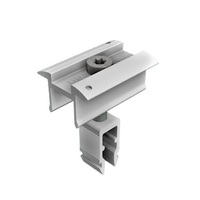
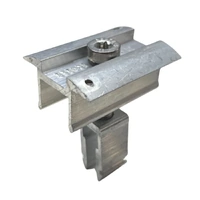
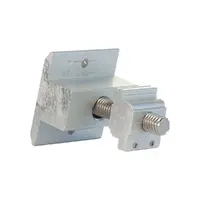
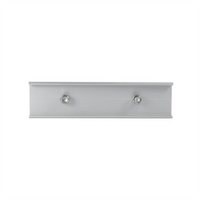
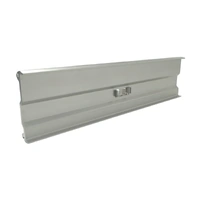
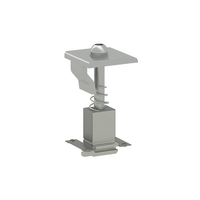
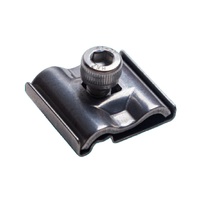
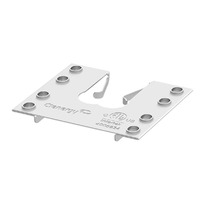
Clenergy EZ-GC-ST | Grounding Clamp/Washer Standard For PV-ezRack SolarTerrace V
$0.49
$0.45 ex. GST
Search Results:
Search Results:
A complete solar installation relies on a range of hardware working together. Each component category plays a specific role in securing, connecting, and protecting the system.
Solar PV systems in Australia must comply with AS/NZS 5033 (installation of PV arrays), AS/NZS 3000:2018 (wiring rules), and relevant network operator requirements. Licensed electricians are responsible for ensuring all accessories used meet these standards. Always verify product suitability before installation.
The correct mounting interface depends entirely on the roof profile. Using the wrong bracket for a roof type creates water ingress risk and can compromise the structural integrity of the array. Clenergy's PV-ezRack system provides a well-documented range of roof-specific interfaces used widely by Australian solar installers.
Tile roof hooks sit beneath the tile and attach to the rafter or batten below. They are designed to maintain the waterproof integrity of the roof while providing a solid anchor point for the rail system. Bracket spacing follows the structural requirements of the rail manufacturer.
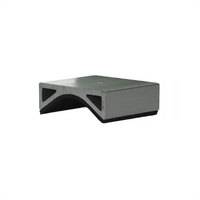
Corrugated iron roofs use flashed interfaces that seal around the fastener penetration point. Adaptors designed for corrugated profiles (such as tin interface brackets) maintain the corrugation shape while distributing load across a sufficient surface area to prevent deformation. The Clenergy tin interface range at Sparky Direct is suited to common Australian corrugated iron profiles.
Flat or low-pitch roofs use ballasted or mechanically fixed tilt leg systems to orient panels at an optimal angle. Adjustable tilt legs allow the installer to set the panel angle based on the site's latitude. Tilt angles between 15 and 30 degrees are common in Australian installations.
Ground mounts use steel or aluminium framing anchored into concrete footings or screw piles. The structure must be designed to handle the wind loading applicable to the site's AS/NZS 1170 wind zone classification.
Installations in cyclonic or high-wind zones require hardware rated for the additional loading. This includes heavier-gauge rails, closer bracket spacing, and fasteners with higher pullout ratings. The structural design of the mounting system should be documented and certified for the relevant wind region before installation proceeds.
Installer note: Always confirm that the roof structure is capable of supporting the combined weight of panels, rails, and hardware before beginning installation. A structural assessment may be required for older or modified roof frames.
The rail system connects the roof interface points to the panel clamps, creating the structural framework of the array. Rail size, clamp type, and panel frame dimensions must all be compatible for the system to work correctly.
Mid-clamps sit between two adjacent panels and grip both frames simultaneously. End-clamps are used at the outer edge of each row to secure the first and last panel. Both types must be matched to the panel frame height to apply the correct clamping force without damaging the frame.
Universal clamps accommodate a range of panel frame heights within a single design, reducing the number of SKUs an installer needs to carry. However, they must still be verified against the panel manufacturer's specifications before use.
Some mid-clamps include a grounding pin that penetrates the anodising layer of the panel frame, establishing electrical continuity without a separate earthing bond. This simplifies compliance with the earthing requirements of AS/NZS 5033.
Panel frame heights typically range from 30mm to 47mm. Selecting the correct clamp height is critical. An undersized clamp will not engage the frame properly; an oversized clamp will apply uneven force that can crack the frame or damage the module.
Standard aluminium extrusion rails come in 30mm and 40mm nominal heights, with length determined by the array layout. Rail selection affects the span between mounting points and the overall stiffness of the structure. Manufacturers publish span tables to guide selection based on wind region and bracket spacing.
| Clamp Type | Position in Array | Typical Use |
|---|---|---|
| Mid-clamp | Between panels | All interior module positions |
| End-clamp | Row perimeter | First and last module in each row |
| Grounding mid-clamp | Between panels | Where integrated earthing is required |
| Universal clamp | Mid or end position | Mixed frame height installations |
DC cabling on a solar array operates at voltages that can exceed 600V in larger systems. Connectors must be rated for outdoor DC use, UV-resistant, and compatible with the cable sizes in use. Using mismatched or underrated connectors is a common source of arc faults and system failures.
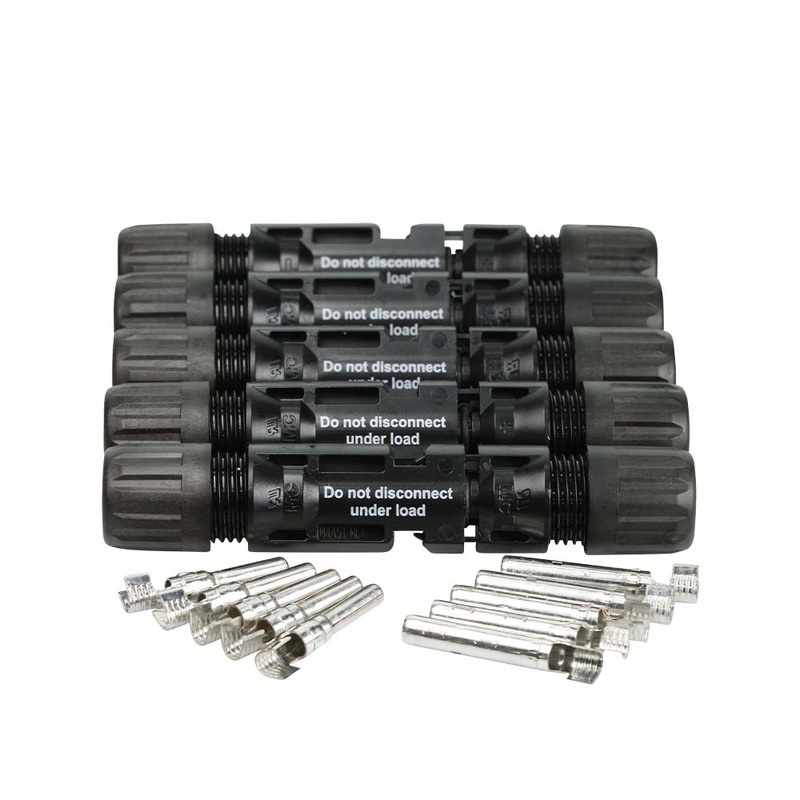
MC4 connectors are the industry-standard interconnect for solar panel strings. They provide a weather-resistant, touch-safe connection rated for outdoor DC use. Male and female MC4 connectors must be from the same manufacturer or a verified compatible series to ensure correct contact engagement and IP rating. Sparky Direct carries MC4 connectors from verified suppliers suitable for Australian solar installations.
Some monitoring devices, battery systems, and junction boxes use circular industrial connectors rather than MC4. These provide robust multi-pin connections for low-voltage DC and communications cabling. Available in single and multi-hole configurations for various cable diameters.
Solar connectors should carry an IP65 or higher rating as a minimum for rooftop installations. Connectors must also be rated for the DC voltage and current of the string they are part of. Check the connector's continuous current rating against the short-circuit current (Isc) of the string.
MC4 connectors are designed to be polarity-keyed, but wiring errors still occur. Before energising a string, verify polarity with a DC-rated multimeter. Reverse polarity can damage inverter input stages and void manufacturer warranties. Always confirm that connector engagement is complete before leaving the site.
Solar DC cables must be rated for outdoor UV exposure, double-insulated, and sized for the current they carry. Twin-core DC-rated solar cable eliminates the need for separate single-core runs and simplifies cable management on the array.
Exposed cabling on a rooftop is subject to UV degradation, abrasion against metal edges, and damage from high temperatures. Good cable management extends the service life of the system and keeps the installation tidy and inspectable.
Cable glands seal the penetration point where cables enter a weatherproof enclosure, inverter housing, or junction box. Solar-rated glands are UV-resistant and rated for outdoor exposure. They come in single-hole and multi-hole formats, with the hole size matched to the cable's outer diameter.
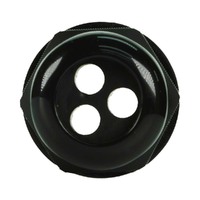
Where multiple cables enter a single enclosure, multi-hole cable entry plates provide a cleaner and more secure solution than individual glands. Each opening is sealed around the cable, maintaining the IP rating of the enclosure.
DC cables running along the underside of panels and rails must be clipped at regular intervals to prevent sagging and chafing. UV-resistant nylon cable clips or stainless steel ties rated for rooftop environments are appropriate. Standard black nylon ties degrade rapidly in direct sunlight and are not suitable for exposed rooftop use.
Where cables must run across roof surfaces between arrays, UV-resistant conduit or cable trunking rated for outdoor use provides additional protection. This is particularly important in areas with extreme summer temperatures where exposed cables can reach temperatures that accelerate insulation degradation.
Earthing is a safety and compliance requirement for all grid-connected PV systems in Australia. AS/NZS 5033 specifies how the mounting system, panel frames, and exposed conductive parts must be bonded to earth to prevent electric shock in the event of an insulation fault.
Dedicated earthing clamps attach to the rail and provide a lug point for the earthing conductor. Some clamps use a serrated tooth or grounding pin to penetrate the anodising layer of aluminium rails and frames, ensuring low-resistance continuity. Solar earthing accessories at Sparky Direct include clamps and lugs for standard rail profiles.
The earthing conductor size for a PV array is specified in AS/NZS 5033 based on the DC cable size and the overcurrent protection rating. The conductor must be run back to the main earthing point without unnecessary joints and must be protected where it is exposed to mechanical damage.
In a rail-and-clamp system, electrical continuity between panels and rails may be achieved through clamp engagement alone (when grounding clamps are used) or through separate bonding conductors. The installer must verify the chosen method meets the requirements of AS/NZS 5033 and the system designer's specifications.
After installation, continuity between all earthed components must be tested and recorded. A resistance measurement between the most distant earthed component and the earth connection point should be within the limits specified in the design documentation. This record forms part of the compliance documentation for the installation.
Rail sections are manufactured in standard lengths, typically 3.3m or 4.4m. Where the array length exceeds a single rail section, splice plates join rail ends while maintaining structural continuity and load transfer across the joint.
Splice plates are aluminium or steel plates that fit inside the rail extrusion at the joint between two rail sections. They are bolted through both rail sections to transfer shear loads across the splice. Clenergy's PV-ezRack ECO rail splice plate is a common choice for aluminium rail systems used in residential installations.
Splice joints should be positioned between mounting points, not at or near them, to avoid creating stress concentrations at the support location. The splice plate must engage the full profile of the rail on both sides of the joint, with fasteners torqued to the manufacturer's specification.
Aluminium rails expand and contract with temperature changes. In Australian summer conditions, rail temperatures on a dark metal roof can be significantly higher than ambient. Splice joints need to allow for this movement without creating buckling or binding. Manufacturer installation guides specify the expansion gap to leave at splice joints based on the expected temperature range for the installation location.
Every fastener in a solar mounting system is exposed to the elements for the life of the installation, which is typically 25 years or more. Fastener material selection directly affects long-term reliability.
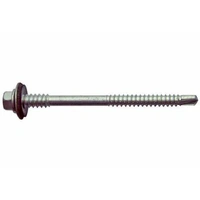
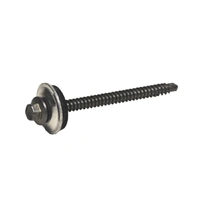
Self-tapping screws are used to attach rail mounting feet or roof hooks to purlins and rafters. The screw diameter, thread form, and length must be appropriate for the timber species or steel gauge being fastened into. Overtightened screws in timber can strip the thread and lose holding strength.
Grade 316 stainless steel fasteners are preferred for coastal and high-humidity environments where galvanic corrosion is a concern. Grade 304 stainless is suitable for inland locations with lower corrosion risk. Hot-dip galvanised fasteners can be used in some applications but are generally not recommended for direct contact with aluminium rails due to bimetallic corrosion risk.
Some rail systems use pre-assembled fastener modules that combine the rail foot, bolt, and nut in a single component. These reduce installation time by eliminating loose hardware and allowing the bolt to be inserted and tightened from a single side. They are particularly useful on steep-pitch roofs where working with loose components is difficult.
All fasteners in a solar mounting system must be torqued to the manufacturer's specification. Under-torqued clamps can allow panels to shift; over-torqued fasteners can strip threads or crack aluminium extrusions. Torque specifications are published in the installation guide for each rail and clamp system.
Monitoring allows system owners and installers to verify that a system is performing as expected and to identify faults early, before energy losses become significant.
String-level and panel-level monitoring devices measure current, voltage, and power output from the array and report the data to a cloud platform or local display. Many modern solar inverters include integrated monitoring, while additional devices can add granularity for larger or more complex systems.
For systems with battery storage, monitoring the state of charge, charge and discharge rates, and battery health over time helps extend battery life and optimise the system's self-consumption. Solar battery systems typically include monitoring interfaces, but standalone battery monitors are also available for retrofit applications.
Energy management accessories track consumption alongside generation to calculate self-consumption rates and export volumes. This data helps system owners and electricians identify whether system performance matches the original design estimate and supports warranty or performance claims if problems arise.
AS/NZS 5033 and AS/NZS 3000:2018 require specific safety components and labelling to be fitted to all grid-connected PV installations in Australia. These are not optional additions.
A DC isolator must be installed adjacent to the inverter to allow safe de-energisation of the array for maintenance or emergency response. Additional isolators may be required at the array combiner box and at the point of grid connection depending on the system design. Solar DC isolator switches at Sparky Direct are rated for PV DC duty and compliant with Australian installation requirements.
AS/NZS 5033 specifies mandatory warning labels that must be affixed to the solar switchboard, inverter, and at the array. Labels must include the system's open-circuit voltage and short-circuit current values. Pre-printed, durable solar compliance labels reduce the risk of errors in hand-written labelling.
All grid-connected solar installations in Australia must be designed and installed by a Clean Energy Council accredited installer and comply with AS/NZS 5033, AS/NZS 3000:2018, and relevant network operator technical requirements. The completed installation must be inspected and a certificate of compliance issued before the system is connected to the grid.
Licensing requirement: Solar PV installations in Australia must be carried out by, or under the supervision of, a licensed electrical contractor holding Clean Energy Council accreditation. Unlicensed installation of grid-connected solar is illegal and voids system warranties and insurance cover.
Selecting solar accessories requires matching hardware to the specific conditions of each installation. There is no single configuration that suits every roof type, panel brand, or environmental exposure class.
Panel frame height determines clamp selection. Panel weight and dimensions affect rail span and bracket spacing. Inverter input specifications determine cable sizing and connector ratings. All of these relationships must be resolved before ordering materials to avoid site delays caused by incompatible hardware.
The roof type determines which mounting interface is required. Tile, corrugated metal, standing seam (Klip-Lok and similar), and flat roofs each need a specific bracket or foot design. The roof structure must be verified as capable of supporting the system's wind and gravity loads before mounting hardware is selected.
Coastal locations require stainless steel fasteners and hardware with higher corrosion resistance. High-wind regions require closer bracket spacing and stronger rail profiles. All rooftop hardware must be UV-stabilised or manufactured from materials that are not affected by UV exposure.
Rail systems with pre-assembled mounting hardware and tool-free panel clamping options can significantly reduce installation time on large commercial jobs. Choosing a system with a comprehensive and well-documented installation guide also reduces the risk of errors and re-work. Browse the full solar supplies range at Sparky Direct to find hardware suited to your project scale.
A well-installed solar system should maintain close to its rated output for 25 years or more with minimal maintenance. However, several factors can cause output to fall below expectations over time.
Soiling (dust, bird droppings, pollen) on panel surfaces is the most common cause of short-term output reduction. In most of Australia, natural rainfall provides sufficient cleaning for panels installed at angles above 10 degrees. Flat or low-pitch installations accumulate soiling faster and may require periodic manual cleaning.
Panel degradation is a normal and predictable process. Most premium panels degrade at less than 0.5% per year under normal operating conditions. Accelerated degradation can occur if panels are exposed to sustained overtemperature, water ingress through damaged frames, or physical damage from hail or roof work.
Solar output varies with the sun's position in the sky. In Australia, winter days are shorter and the sun is lower in the sky, reducing daily energy yield even on clear days. Monitoring data from the same calendar period in different years provides a meaningful basis for performance comparison.
Regular review of monitoring data is the most effective way to catch performance issues early. A sudden drop in output from a single string often indicates a failed panel, connection fault, or shading issue. Gradual output decline across the whole system may indicate soiling, inverter efficiency loss, or panel degradation.
Understanding the likely causes of common fault conditions helps electricians diagnose problems efficiently and avoid unnecessary parts replacement.
Low output relative to modelled expectations may be caused by shading from new obstructions (trees, new buildings), soiling, panel degradation, failed bypass diodes within a module, or connection resistance that has increased due to corrosion or loose connectors. String-level monitoring data helps isolate which part of the array is underperforming.
Solar inverters will trip and disconnect from the grid if AC voltage or frequency moves outside the allowable range, if DC input voltage is outside the inverter's operating window, or if a fault condition is detected on the DC side of the system. Many faults are transient and self-clear; persistent faults require investigation of the error code and the conditions at the time of tripping.
Battery storage systems that fail to charge fully or discharge faster than expected may have a cell balance issue, a configuration error in the battery management system, or an elevated self-discharge rate indicating cell degradation. Battery monitoring data and the battery management system's event log are the first places to look when investigating discharge issues.
Modern inverters and monitoring platforms can automatically generate alerts for fault conditions and performance deviations. Configuring these alerts to notify the responsible electrician or system owner enables rapid response and minimises the energy loss associated with undetected faults.
Solar accessories used in off-grid and mobile applications must handle the same environmental exposures as rooftop grid-tied systems but are often installed in more demanding or remote conditions where maintenance access is less frequent.
Off-grid systems for rural properties must be designed for the site's average daily solar resource and the load profile of the building. Solar circuit breakers and DC protection components rated for standalone system voltages are available at Sparky Direct and suit remote property installations.
Solar-powered water pumps use DC or variable-frequency drive AC motors connected directly to a PV array. The pump controller matches the array's variable output to the pump's operating requirements. This removes the need for battery storage in applications where pumping only needs to occur during daylight hours.
Marine and caravan solar systems use smaller panels, compact MPPT charge controllers, and lightweight cable management suited to mobile applications. MC4 connectors and UV-resistant cable management hardware used in rooftop installations are also appropriate for these applications.
Portable solar chargers and power banks are available for camping and field use where grid power is not accessible. These products are stocked as part of Sparky Direct's broader solar supplies range.
Solar-powered outdoor products use a self-contained PV panel and battery to operate without a grid connection. These are popular for garden, security, and remote access lighting applications.
Solar garden lights at Sparky Direct include spike-mounted path lights, bollards, and decorative fixtures that charge during the day and switch on automatically at dusk. LED light sources and lithium battery storage provide reliable long-term operation with minimal maintenance.
Solar LED floodlights with integrated PIR sensors provide motion-activated security lighting without requiring a cable run from the main switchboard. Panel orientation and battery capacity must be matched to the expected nightly operating time and winter solar resource at the installation location.
Solar-powered security cameras combine a small PV panel and battery with a wireless camera, allowing installation in locations where a power cable is not practical. Battery capacity and solar panel size determine the camera's ability to operate through cloudy periods.
Solar-powered ventilation fans for roof cavities, sheds, and outbuildings use a panel mounted on or near the roof to power a DC fan directly. Because the fan runs harder when the sun is strongest (and the space is hottest), these systems provide natural load-matched operation without any control electronics.
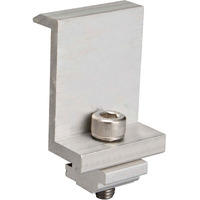
Watch Clenergy ER-EC-DU35-40 | PV-ezRack End Clamp 35/40mm Aluminium video
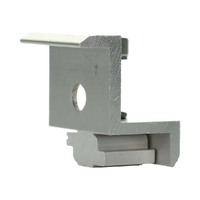
Watch Clenergy ER-I-05 | PV-ezRack Tin Interface Roof Hook/Bracket Aluminium | Silver video
Watch Clenergy ER-IC-ST35-G | PV-ezRack 35mm Inter Clamp Aluminium with Grounding Pin | Silver video

I bought this product to see if would serve the purpose of retaining the corrugation shape with brackets bolted through it and it works perfectly. Great shape, great surface area that spreads the load but allows water to run freely past.
I'd been looking for this product for some time but finally found it at Sparky - excellent for mounting an older style Starlink antenna on a metal roof. Once found in the catalogue, the service was faultless with rapid delivery.
Items and quantities received as ordered. Quality product. Good delivery time.
Trade-grade mounting hardware • Fast Australia-wide delivery • Competitive trade pricing
Browse Solar Accessories → Get Expert Advice →Quality solar accessories are designed for long-term use in outdoor conditions.
Sparky Direct supplies solar accessories Australia-wide, offering reliable components with convenient delivery.
Solar accessories are securely packaged and delivered via standard courier services.
Yes. Sparky Direct generally accepts returns of unused solar accessories, provided they’re in new condition and returned in the original packaging, in line with Sparky Direct’s returns policy.
Warranty coverage varies by manufacturer and typically covers defects in materials or workmanship
Solar accessories are available individually and as part of installation kits.
Yes, professional installation ensures compliance, safety, and correct operation.
No, solar electrical work must be carried out by licensed electricians and accredited solar installers.
Monitoring accessories can help track system performance and identify issues.
Yes, they are often used when expanding or upgrading existing solar systems.
Most accessories require minimal maintenance once installed correctly.
Most common solar accessories are readily available for standard systems.
Yes, unsuitable or low-quality accessories can affect safety and system reliability.
Solar accessories are supporting components used alongside solar power systems to assist with installation, protection, monitoring, and system performance.
Selection depends on the solar system type, installation environment, and component compatibility.
They help ensure solar systems are installed safely, operate reliably, and are easier to maintain.
Replacement accessories are available for many common solar system components.
Certain accessories are required to meet safety, isolation, and installation requirements.
Many accessories are designed for outdoor use and made to withstand UV exposure and weather conditions.
Quality accessories help support safe operation and can contribute to reliable system performance.
Yes, they are also used in commercial and industrial solar systems.
Yes, solar accessories are widely used in residential solar installations.
Compatibility varies by system design, voltage, and manufacturer, so specifications should always be checked.
Many solar accessories are designed to meet relevant AS/NZS electrical and safety standards, depending on their function.
Common solar accessories include mounting hardware, isolators, connectors, cables, monitoring devices, and protection components.