
Search Results:
Search Results:
Search Results:
Search Results:
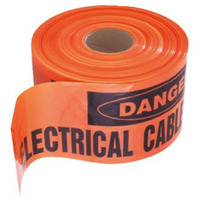
Find the best electrical warning tapes here at Sparky Direct. [ Read More ]
Warning tape is a passive safety device that does nothing on the day it is laid in the trench above the cable. It earns its keep months or years later when someone returns to dig and meets the orange strip before they ever meet the live cable below.
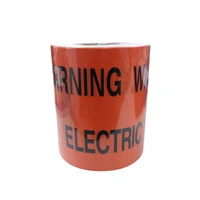
The tape sits roughly 150mm to 300mm above a buried service. When an excavator bucket or hand spade reaches that depth, it lifts a strip of bright orange or coloured plastic out of the soil. The colour signals what lies below. The wording printed along the tape confirms it.
This buys the operator valuable time to stop work, switch from machine to hand digging, and check the locate plans against ground reality before any strike happens.
Warning tape is never the only line of defence on a trench. It sits inside a layered system that includes Dial Before You Dig plans, electronic locating, potholing, and safe digging method statements written into the project safety plan. Locate plans can be wrong, and cables can be installed deeper or shallower than the records show. The tape catches the gap when other controls miss.
Cheap tape fades, tears under backfill, or breaks down in soil within a few years. Trade-grade underground electrical warning tape is built to stay legible and continuous for the working life of the service below it.
A strike on a buried 415V cable can kill the operator, injure bystanders, and cut power to dozens of properties. A strike on a gas main can cause explosion or evacuation. A strike on a fibre run can knock out essential services for an entire suburb. Warning tape is a low-cost control that prevents these outcomes.
Cable strikes carry real legal and commercial consequences for everyone on site, with operators facing WHS prosecution and asset owners pursuing repair costs that often run into the tens of thousands. Tape is cheap insurance against all of those outcomes.
WHS regulations in every state require persons conducting a business or undertaking to identify and control excavation risks. Burying warning tape above services is one of the practical control measures named in the Code of Practice for Excavation Work. Stocking it as part of your standard install kit shows due diligence.
Orange tape sits above buried mains, sub-mains, and consumer mains. It runs over orange circular cables on residential lots, along switchboard feeds on commercial sites, and over distribution cables in industrial estates.
Yellow tape marks gas lines, blue marks potable water, and green marks sewer and drainage. The colour scheme makes the buried service immediately obvious to any operator before excavation continues into the soil layer below.
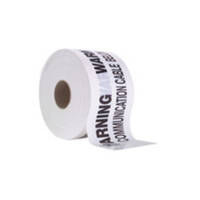
White tape marks copper telecoms. Newer fibre and NBN runs typically use white or a custom-printed tape that names the carrier. The tape protects the asset and limits the risk of an outage during civil works.
Non-detectable tape only works when the soil above it is disturbed. Detectable tape adds a metallic layer that responds to a cable locator from the surface. The locator picks up the foil before any digging starts.
Asset owners and large utility specifications often mandate detectable tape over consumer mains, sub-mains, and any service likely to be located again. Many local councils require it for new subdivisions. Check the project specification before ordering.
| Feature | Non-Detectable Tape | Detectable Tape |
|---|---|---|
| Roll cost | Lower | Roughly 2x to 3x higher |
| Locator readable | No | Yes |
| Best for | Garden circuits, lighting cables | Mains, sub-mains, civil trunk runs |
| Future-proofing | Limited | Strong |
| Colour | Service | Typical Wording |
|---|---|---|
| Orange | Electrical (low voltage and consumer mains) | "Caution Electric Cable Below" |
| Red | High voltage electrical | "Danger High Voltage Cable Below" |
| Yellow | Gas | "Caution Gas Main Below" |
| Blue | Water (potable) | "Caution Water Main Below" |
| Green | Sewer and drainage | "Caution Sewer Below" |
| White | Telecommunications and data | "Caution Telecom Cable Below" |
The colours work because they are universal. An excavator operator on a Brisbane civil site reads orange the same way as a hand digger on a Perth garden lot. Substituting colours or skipping the printed wording removes the warning.
Some carriers and large asset owners use custom tape printed with the carrier name, contact phone, and Dial Before You Dig reference. This is common on NBN, Telstra, and council infrastructure runs.
Most Australian utility specifications place the tape between 150mm and 300mm directly above the buried service. The exact depth depends on the asset owner specification and the cover required over the service itself.
For low voltage consumer mains, AS/NZS 3000 sets minimum cover depths over the cable. The tape sits within the backfill, well above the cable but well below the surface. This protects the tape from surface works like garden edging or paving while keeping it close enough to the cable to give meaningful warning.
When a trench carries more than one service, each service gets its own tape directly above it. Two cables in the same trench means two runs of tape. Bundling all services under a single tape defeats the colour-coded warning system.
Cable depth: per AS/NZS 3000 minimum cover (typically 500mm to 750mm in soft ground).
Tape depth: 150mm to 300mm above the cable, within the backfill.
Surface cover above tape: at least 150mm of compacted soil or sand.
The tape should run unbroken over the full length of the service. When a roll runs out, the next roll overlaps the previous one by at least 300mm. Loose ends or gaps create dead zones where a future excavation will miss the warning.
Lay the tape flat and lightly tensioned along the trench before backfilling. Slack tape folds back on itself during backfill and the printed wording ends up face down or twisted out of view.
The tape sits directly above the cable centreline, not offset. An offset tape leads excavators to dig where the cable is not, then strike it when they correct course. Centreline placement keeps the warning aligned with the asset.
Trades commonly run tape together with heavy duty orange rigid conduit to give the buried cable both mechanical protection and a clear visual marker.
Most underground warning tape is low-density polyethylene (LDPE). It tears cleanly when struck, which is what gives the operator the visual cue. Polypropylene tape is stiffer and more tear resistant, but the trade-off is that it holds together too well under a spade and may not flag the strike clearly.
The pigment is UV stabilised so the tape stays orange or yellow even after years of exposure to soil chemistry. Cheap unpigmented tape fades to grey within a few years and loses its warning value entirely.
Tape thickness ranges from around 50 microns for residential runs to 100 microns or more for civil and HV runs. Wider tape (200mm and above) is more visible during excavation than narrow 75mm tape and is preferred for primary services.
Match the tape colour to the buried service and match the detectability to the asset value at risk. A garden lighting circuit needs basic orange tape, while a consumer mains run from the street pillar to a multi-unit dwelling deserves detectable tape and often tracer wire on the longer routes between pits.
In aggressive soils (high salt content, low pH, heavy clay), choose a thicker UV-stabilised tape rated for long-term burial. In sandy or stable soils, a standard polyethylene tape performs well for the working life of the service.
Check three things before ordering: the asset owner specification, the local council DA conditions, and the project safety plan. If any of those documents call for detectable tape, fit detectable tape. If none mention it, the choice is yours, but the small extra spend is often justified on consumer mains.
AS 4491 sets out the minimum requirements for underground warning tape used over electricity, gas, water, and telecommunications services. It covers colour, wording, dimensions, and durability. Trade-grade tape sold in Australia is manufactured to meet this standard.
The Wiring Rules cover minimum depths and protective measures for buried electrical cables. Warning tape is referenced as part of the protective system that helps prevent damage to underground installations during later excavation.
Each utility owner publishes its own technical standards. Energex, Ausgrid, Western Power, SA Power Networks, and others each specify tape colour, depth, and detectability over their assets. WHS Codes of Practice for Excavation Work reinforce the obligation to identify and warn of buried services.
Every excavation in Australia should start with a Dial Before You Dig (BYDA) request. Plans returned from utility owners show the rough location of buried services. Warning tape supports those plans by giving a physical confirmation in the trench, especially when the plans are inaccurate.
Potholing is the practice of carefully exposing a buried service by hand or vacuum truck before machine digging. Warning tape is the first sign during potholing that the service is close. Once tape appears, the operator switches to non-mechanical excavation.
The best protection comes from layering controls. Locate plans, electronic locators, potholing, conduit protection, warning tape, and trained operators all add up to a system where any single failure does not lead to a strike.
New homes, granny flats, sheds, pools, and garden lighting all rely on buried cables that need protection above the trench. Tape goes over every run no matter how small the load or short the distance to the switchboard. Future owners often plant trees or install retaining walls without knowing the cable is there, and the tape becomes the only warning when they finally cut into the soil.
Subdivisions, road widening, and major capital works lay hundreds of metres of services per day. Tape is rolled out continuously above each service. Asset handover specifications usually require photographic evidence of correctly placed tape before the trench is signed off.
Factories, mine sites, and substations carry HV and large LV cables across the site. Detectable tape with clear printing protects these high-value assets. Strike consequences on industrial sites can be severe, so tape standards are typically stricter than residential.
A correctly chosen tape stays bright and printed for the working life of the cable below it. UV-stable pigments and thicker LDPE film resist fading, embrittlement, and tearing in soil for 30 years or more.
Polyethylene is naturally resistant to water and most common soil chemicals encountered on Australian sites. Coastal soils with high chloride content and acidic clays are the harshest environments for buried plastics. Trade-grade tape handles both conditions without breaking down across the full service life of the cable below it.
Detectable tape relies on its metallic layer staying continuous. Damage during backfill (sharp rocks, heavy compaction, machine teeth) can break the foil. Backfill the first 150mm above the tape with screened sand or fine soil to keep the foil intact.
Sparky Direct ships underground electrical warning tape Australia-wide direct to site or trade premises. Same-day dispatch on stocked rolls means tape is on the truck before the next trench is open.
Hardware-store tape sometimes looks identical to trade tape but uses thinner film and unstable pigments. The difference shows up after a year in the ground. Trade tape from a wholesaler costs slightly more per roll and lasts decades longer.
Larger civil and developer jobs use kilometres of tape. Buying by the carton or pallet brings the per-metre cost down sharply and keeps stock on site between deliveries. Sparky Direct can quote bulk pricing on request through the contact page.
Pair the tape order with related civil items: cable cuts for the buried service, mains connection boxes for the pit, and safety glasses for the trades on the trench.
If a known service has no tape above it, treat the entire trench as live and stop all machine digging immediately. Pothole by hand or vacuum truck until the cable is fully exposed and identified. After the works are complete, install replacement tape during backfill at the correct depth above the service.
Bleached or illegible tape indicates either old age, sun exposure during stockpiling, or poor pigment quality. The tape is no longer doing its job. Replace it during the next reasonable opportunity, even if the cable is undisturbed.
Tape laid too shallow gets torn up during simple landscape works. Tape laid too deep gives no warning before the spade reaches the cable. If the as-built record shows a depth error, mark the trench above ground and plan for re-laying the tape during the next excavation.
Strike Response: If a cable strike occurs, treat all conductors as live. Keep people clear by at least eight metres. Contact the asset owner emergency line and follow the site emergency response plan. Do not attempt repair of an electrical strike without isolation by the network operator.
Watch OMEUGWT150-100 | Warning Tape Underground Orange 100m video
Watch SICAME MCB1/2HAE | Mains Box Single Phase video
Watch SICAME MCB3/4HAE | Mains Box Three Phase video

I use this distributor because they proved themselves to me time and time again. Great products, great service, and great prices
I bought a DC warning tape and got the item delivered to my place on the 2nd day, very happy with the efficient service.
I couldn't believe the difference in savings on both products compared to the prices from the biggest electrical products supplier that I had using. I'll keep using Sparkie Direct without hesitation.
Trade-grade rolls in stock • Fast Australia-wide delivery • Competitive trade pricing • Bulk quotes available
Browse Underground Warning Tape → Get Expert Advice →They are straightforward for licensed professionals to lay during trench works.
Sparky Direct supplies underground electrical warning tapes Australia-wide, helping identify buried electrical services with reliable delivery.
They are securely packaged and delivered via standard courier services.
Unused products are generally eligible for return according to the seller’s returns policy.
Warranty coverage varies by manufacturer and typically covers manufacturing defects.
Yes, underground electrical warning tapes are typically sold in roll form.
Yes, selecting the correct tape ensures clear identification of services.
Yes, they are commonly installed during new electrical works.
Quality tapes are designed to retain visibility underground.
They are not visible on the surface but become visible during excavation.
Yes, quality tapes are designed for long-term underground durability.
Yes, they are widely used on construction and infrastructure projects.
Yes, they are standard practice in many electrical installations.
Electrical warning tapes are high-visibility tapes used to warn of buried or concealed electrical services.
Yes, they provide an early visual warning before tools reach live cables.
Warning tape provides a continuous visual alert along the cable route.
Yes, they are available in various sizes to suit different installation requirements.
Yes, they are designed to withstand moisture and soil conditions underground.
Yes, they are used in residential, commercial, and industrial installations.
Yes, they are commonly colour coded to clearly identify electrical services.
Yes, they are specifically designed to identify electrical services underground.
They help reduce the risk of accidental damage to underground electrical services and improve site safety.
They are typically laid above buried electrical cables during trenching and backfilling.
Quality warning tapes are manufactured to meet relevant Australian identification and safety requirements when used correctly.
They are used to indicate the presence of underground electrical cables before excavation or digging occurs.