

IP66 3 Pin Industrial Outlets and Sockets
Find the best industrial 3-pin outlet sockets here at Sparky Direct. [ Read More ]
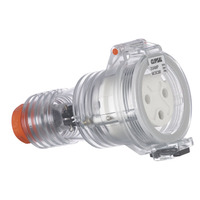
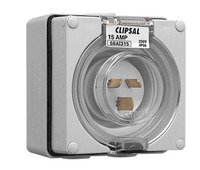
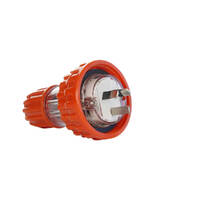

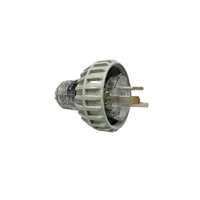
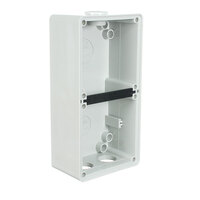
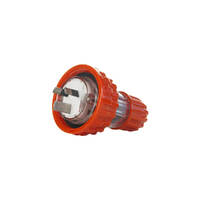

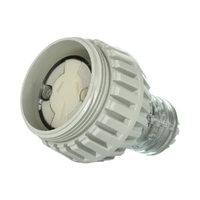
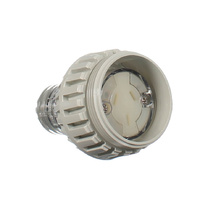
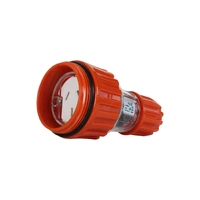
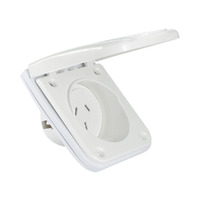
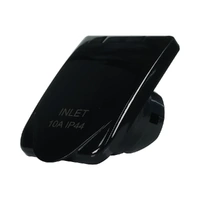
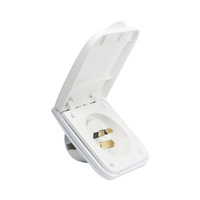
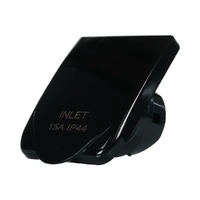
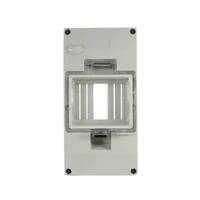
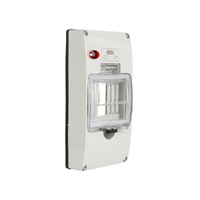
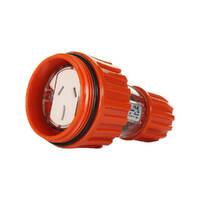
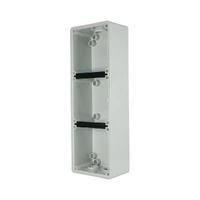
What Are IP66 3 Pin Industrial Outlets and Sockets?
Table of Contents
- Understanding IP66 3 Pin Industrial Outlets
- IP Ratings Explained for Industrial Sockets
- Electrical Configuration and Ratings
- Construction and Material Performance
- Choosing the Right IP66 3 Pin Outlet
- Applications Across Industries
- Installation Best Practices
- Maintenance and Service Life
- Compliance and Australian Standards
- Comparing IP66 Outlets to Alternatives
- Performance, Safety and Reliability
- Common Installation Mistakes and Risks
- Pricing, Value and Buying Considerations
- Practical Buying Guidance for Trades
- Tradies Join Club Clipsal with Sparky Direct
- Product Videos
- What Sparky Direct Customers Say
- Quick Summary (TL;DR)
- Frequently Asked Questions about IP66 3 Pin Industrial Outlets
Understanding IP66 3 Pin Industrial Outlets
What 3 Pin Industrial Outlets Are and How They Work
A 3 pin industrial outlet is a single-phase power point designed for harsh working environments where standard fittings would fail. The three pins are active, neutral, and earth, each with a defined role in the circuit. Power flows through the active pin, returns through neutral, and the earth pin provides a safety path to ground if a fault occurs in the connected equipment. The IP66 rating means the housing keeps out dust completely and resists high-pressure water jets from any direction.
Role in Single-Phase Industrial Power Distribution
These outlets handle single-phase loads up to 32A at 250V. They sit between the switchboard and the final equipment, often on a dedicated circuit. Workshops, sheds, and outdoor installations typically run multiple 3 pin sockets fed from a sub-board. Heavier three-phase loads need 4 pin or 5 pin industrial outlets instead.
Why These Outlets Are Used in Australian Workplaces
Standard domestic GPOs are not built for wet, dusty, or knock-prone environments and will fail rapidly under industrial conditions. Industrial 3 pin outlets use a sealed enclosure, screw-on plug retention, and impact-resistant materials to handle the demands of trade use. This combination keeps power flowing reliably in conditions that would quickly destroy a household socket within months of installation.
Key Differences from Standard Domestic GPOs
Domestic GPOs are typically rated to IP20 or IP44 with a flat faceplate and friction-fit pins for easy household use. Industrial IP66 outlets have deep gasket seals, threaded plug retention, and either a hinged or transparent cover for full environmental protection. The plug body is purpose-built to mate with the socket and stay locked in place under vibration, movement, and accidental impact.
IP Ratings Explained for Industrial Sockets
What IP66 Means in Practical Applications
IP stands for Ingress Protection. The two digits describe protection against solids and liquids. IP66 means total dust exclusion and protection against powerful water jets from any direction. In practice, an IP66 socket can be hosed down, exposed to wind-driven rain, or installed in dusty grain handling areas without losing seal integrity.
Dust Protection (First Digit "6")
The first digit ranges from 0 to 6, where 6 is the maximum protection level. A "6" rating means the enclosure is dust-tight, with no particle ingress permitted during the 8-hour standardised test. This matters in workshops with grinding, woodworking, or pneumatic dust, and in outdoor sites where airborne grit gets into every gap and accelerates wear on electrical contacts.
Water Jet Protection (Second Digit "6")
The second digit ranges from 0 to 9, with each step indicating tougher water exposure conditions. A "6" rating means the enclosure withstands water projected from a 12.5mm nozzle at close range, equivalent to a heavy hose-down. This covers wash-down food processing zones, marine pontoons, and outdoor installations during severe weather including driving rain and storm conditions.
IP66 vs IP54 vs IP65 Comparison
| IP Rating | Dust Protection | Water Protection | Typical Use |
|---|---|---|---|
| IP54 | Limited dust ingress | Splash from any direction | Sheltered indoor workshops |
| IP65 | Dust-tight | Low-pressure water jets | Light outdoor and damp indoor |
| IP66 | Dust-tight | Powerful water jets | Wash-down, marine, exposed sites |
Electrical Configuration and Ratings
10A vs 15A Industrial Outlet Differences
The 10A 3 pin outlet matches a standard household plug top and suits general-purpose tools, lighting, and small motors with modest power demands. The 15A version uses a larger earth pin and supports higher continuous loads such as compressors, welders, and caravan supply leads on shore power. The pin geometry deliberately prevents a 15A plug from being inserted into a 10A socket, removing the risk of overloading an under-rated circuit.
Voltage and Load Capacity Considerations
All 3 pin industrial outlets in Australia operate at 240V single phase with a 250V maximum rating for safety margin. Available current ratings are 10A, 15A, 20A, and 32A to suit a wide range of single-phase loads. Continuous load on any socket should sit below the rated current to allow for thermal margin and prevent gradual contact degradation. A 15A appliance running 24/7 should never share a circuit with another high-draw load on the same protective device.
Pin Configuration and Compatibility (AS/NZS 3112)
AS/NZS 3112 sets the dimensions, polarity, and pin angles for Australian flat-pin plugs and sockets. The 10A and 15A 3 pin industrial sockets follow this standard, so a domestic plug works in a 10A IP66 socket of the same flat-pin configuration. Round-pin variants exist for 20A and 32A applications and are physically not interchangeable with flat-pin plugs by design.
Double Pole Switching and Safety Benefits
Many 3 pin switched socket combinations use double pole switching. This breaks both active and neutral when switched off, isolating the load fully. Single pole switches only break active, leaving neutral live. Double pole is the safer choice for outdoor and wet-area equipment that may need full isolation before service.
Construction and Material Performance
Polycarbonate Enclosures and Impact Resistance
Most industrial IP66 outlets use polycarbonate or fibreglass-reinforced polymer housings for the right balance of strength and weight. Polycarbonate handles knocks from tools, dropped equipment, and forklift contact better than ABS or PVC alternatives. The material also resists most workshop chemicals and cleaning agents commonly used in food, marine, and agricultural environments.
UV Stability and Temperature Performance
Outdoor installations need UV-stabilised polymers to prevent premature failure under Australian sun exposure. Untreated plastics yellow and crack within a few years of direct sun, losing both their mechanical strength and aesthetic appearance. Most industrial-grade IP66 outlets carry a UV stability rating along with a temperature range of around -25°C to +60°C. Verify the manufacturer's specification before installing in extreme conditions or in tropical and desert regions.
Sealing Systems and Gasket Integrity
The IP66 seal depends on a continuous gasket between the cover and base, plus thread sealing on the plug-to-socket interface during use. Common gasket materials include EPDM, silicone, and nitrile, each offering different chemical and temperature resistance characteristics. Compression set, the gasket's ability to recover after being compressed, determines long-term seal performance over the unit's service life.
Transparent Covers and Visual Inspection Features
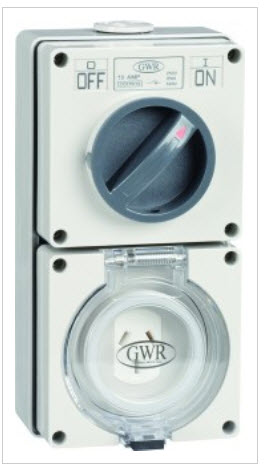
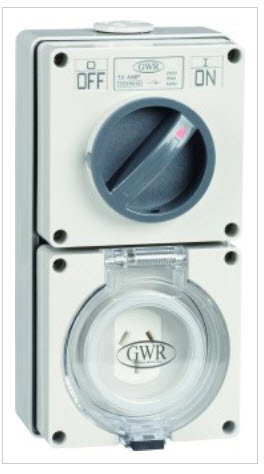
Some Clipsal 56 series and equivalent industrial units use a transparent cover so the switch position and any indicator lights are visible without opening the housing. This helps with quick visual checks during routine inspections in busy workshops or on construction sites where access time is at a premium.
Choosing the Right IP66 3 Pin Outlet
Matching Outlet to Load Requirements
Start with the equipment nameplate and read off the operating data carefully. Note the operating current, the starting current, and the duty cycle for each appliance to be supplied. Pick a socket rated above the highest expected continuous current, with appropriate allowance for any inrush current at start-up. Motors, compressors, and welders draw heavily on start-up and can briefly exceed their rated steady-state current by several times.
Selecting for Harsh vs Moderate Environments
For sheltered indoor use with no water or dust exposure, IP54 or IP55 may be entirely sufficient and more cost-effective. For external walls, wash-down areas, or marine sites, IP66 is the minimum sensible choice for long service life. For submersion or temporary immersion below the water line, IP67 or IP68 enclosures are required, and these usually sit outside the standard 3 pin industrial range.
Mounting Options and Installation Conditions
Surface-mount is the most common option for IP66 outlets, with cable entry from the rear or via gland-fitted side entries. Flush mounting is rare for IP66 because the cover sealing depth is hard to maintain in a recessed install. Mount the outlet on a stable, dry substrate where possible, and avoid locations where water can pool against the cover seal.
Common Selection Mistakes to Avoid
Under-rating Current
- Choosing 10A for a 15A appliance
- Ignoring start-up surge on motor loads
- Failing to derate for ambient heat
Over-specifying IP Rating
- Paying for IP67 in a covered shed
- Specifying marine grade for indoor use
- Adding cost without functional benefit
Wrong Pin Configuration
- Mixing flat-pin and round-pin plugs
- Using domestic plug for 15A appliance
- Ignoring AS/NZS 3112 compatibility
Applications Across Industries
Factories and Manufacturing Facilities
Production lines, assembly bays, and tool rooms rely on IP66 sockets to power benchtop equipment, hand tools, and inspection lighting throughout the working day. The dust-tight rating handles airborne particles from cutting, grinding, and material handling without compromising the electrical connection or contact integrity over time.
Construction Sites and Outdoor Installations
Site sheds, temporary distribution boards, and outdoor power posts use 3 pin IP66 outlets to feed power tools, site lighting, and welfare equipment safely. The water-jet rating handles weather exposure across all seasons and the wash-down that typically follows at the end of a job or shift.
Agricultural and Rural Environments
Sheds, milking parlours, and pump stations need outlets that survive dust, ammonia, and regular hose-downs without losing their seal integrity. IP66 3 pin sockets in polycarbonate or fibreglass housings handle these conditions while remaining fully compliant with AS/NZS 3000 wiring rules for rural electrical installations.
Wash-Down and Food Processing Areas
Food processing rooms are routinely cleaned with high-pressure water and detergent solutions to maintain hygiene standards. IP66 is the entry-level rating for these zones under most building specifications. For full submersion or aggressive sanitiser exposure, specify a higher rating such as IP67 or a stainless steel enclosure with appropriate gasket materials.
Installation Best Practices
Installation by licensed electrician only: All fixed wiring work must be carried out by a licensed electrical contractor. DIY installation of industrial outlets is illegal in every Australian state and territory.
Licensed Electrician Requirements in Australia
AS/NZS 3000 (the Wiring Rules) and state electrical licensing law require qualified electricians for installation, alteration, and repair of fixed wiring throughout Australia. Industrial outlets are part of the fixed installation by definition. Insurance, warranty, and certificate of compliance all depend on a licensed install carried out by a properly registered electrical contractor.
Sealing Conduit Entries and Cable Glands
The IP66 rating only holds if every cable entry is properly sealed against dust and water ingress. Use the correct gland for the actual cable diameter being installed, not a generic substitute. Tighten gland nuts to the manufacturer's specification using the right tool. Unused entries must be plugged with a sealing blank approved for the rating, never left open or temporarily taped over.
Correct Wiring and Terminal Torque
Strip cable to the indicated length shown on the wiring diagram, dress conductors into terminals without crossing, and torque screws to the value printed on the housing or in the data sheet. Under-torqued terminals overheat under load and eventually fail with arc damage. Over-torqued terminals damage the conductor strands and can crack the terminal block, creating a long-term reliability problem.
Verifying Seal Integrity After Installation
Close the cover, check the gasket seats evenly around the full perimeter, and confirm no cable jacket is pinched in the seal line where it would break the IP rating. A simple visual inspection plus a hose-down test catches most installation faults before the job is signed off and handed over.
Maintenance and Service Life
Routine Inspection Requirements
Industrial outlets in service should be inspected at least annually as part of a planned maintenance schedule, with more frequent checks in harsh environments. Look for cracked covers, perished gaskets, discoloured terminals, and signs of arcing on the pin contacts during each inspection. Replace any unit showing damage or degradation rather than waiting for a failure to occur in service.
Identifying Seal Degradation and Wear
Hardened or split gaskets lose their compression set and stop sealing effectively against dust and water ingress. Loose covers, missing screws, or warped enclosures break the IP rating regardless of how good the gasket itself appears. UV exposure causes plastics to chalk, yellow, and become brittle over years of outdoor service. Any one of these signs is grounds for replacement to maintain the original protection level.
Contact Wear and Thermal Damage Indicators
Discoloured pins, melted plug bodies, or a smell of hot plastic indicate thermal damage that needs immediate attention. This usually traces back to a loose terminal, an under-rated socket for the load, or a worn-out plug with poor contact pressure. Investigate the cause thoroughly before fitting a replacement, otherwise the new unit will fail in the same way.
Replacement Planning and Lifecycle Considerations
Industrial IP66 outlets typically last 10 to 20 years in moderate conditions and considerably shorter in harsh ones with constant chemical or UV exposure. Build replacement into the maintenance schedule rather than waiting for outright failure to disrupt operations. Buying spares of the same model keeps replacement quick and consistent across the site.
Compliance and Australian Standards
AS/NZS 3112 Plug and Socket Standard
AS/NZS 3112 covers the dimensions, polarity, and configuration of all Australian plugs and sockets sold for installation. All 3 pin industrial outlets sold in Australia must meet this standard for the 10A and 15A flat-pin variants used in single-phase service.
AS 60529 IP Rating Standard
AS 60529, which is technically identical to international IEC 60529, defines the IP rating system used worldwide. Manufacturers test enclosures against these criteria in accredited laboratories, and the verified rating must be marked on the product or in supporting documentation.
AS/NZS 3000 Wiring Rules
AS/NZS 3000:2018 governs how fixed wiring is installed in Australia and New Zealand for safety and compliance. It covers cable selection, circuit protection, earthing, and the placement of socket outlets in different environments and exposure conditions.
SAA Certification and Product Approval
Industrial outlets sold in Australia require SAA approval, or an equivalent regulatory compliance mark accepted by Australian authorities. This indicates the product has been tested and approved for sale and installation under the Electrical Equipment Safety System. Always check for the approval mark before purchasing or installing any industrial socket.
Comparing IP66 Industrial Outlets to Alternatives
IP66 vs Standard Domestic Outlets
Domestic outlets are designed for indoor, dry, low-impact environments where exposure is minimal. Industrial IP66 sockets handle dust, water, knocks, and chemical exposure across a wide range of harsh conditions. Using a domestic outlet outdoors or in a workshop is both a code breach and a genuine safety risk that creates electrocution and fire hazards.
IP66 vs Lower IP Rated Industrial Sockets
IP44 and IP54 sockets suit covered or sheltered locations where exposure is limited. IP65 handles low-pressure water and complete dust protection for moderate outdoor use. IP66 is the standard choice for full outdoor exposure and wash-down environments. Match the rating to the actual conditions on site, not the worst-case theoretical scenario which often leads to over-specification.
3 Pin vs 5 Pin Industrial Systems
3 pin outlets carry single-phase power (active, neutral, earth) for tools, lighting, and small machinery. 5 pin outlets carry three-phase power with three actives, neutral, and earth, feeding three-phase motors and heavy industrial equipment. The two systems are not interchangeable, and pin geometry prevents accidental cross-connection. 4 pin variants handle three-phase loads without requiring a separate neutral conductor.
When Each Option Is Appropriate
Use 3 pin sockets for tools, lighting, single-phase motors, caravan supply, and general workshop power applications. Use 4 or 5 pin sockets for three-phase machinery, large compressors, and industrial process equipment with heavy starting current. Always size the socket and supply cable to the actual load, not the available space on the wall or the cheapest stocked unit.
Performance, Safety and Reliability
Preventing Dust and Water Ingress Failures
Most IP66 failures trace back to installation errors rather than product defects: missing gaskets, unsealed cable entries, or covers left open after maintenance. Correct installation and routine inspection eliminate the majority of ingress problems before they cause an outage or pose a safety risk.
Maintaining Electrical Safety in Harsh Environments
RCD protection is mandatory on most socket circuits in Australia under AS/NZS 3000:2018 wiring rules. Combine an RCD-protected circuit with an IP66 outlet for the strongest protection in wet or dusty areas where shock risk is elevated. Switched socket outlets with built-in RCD protection provide local fault response without relying on the upstream board for primary protection.
Reducing Downtime in Industrial Operations
Reliable outlets cut tool changeover time and remove a common source of unplanned stoppages on busy production sites. Standardising on one or two product families simplifies stock holding and speeds up replacements when a unit eventually needs swapping out.
Long-Term Durability and Value
Cheap IP66 lookalikes often fail within a few years, particularly when exposed to UV, chemical cleaners, or thermal cycling on outdoor sites. Quality units from established manufacturers last well over a decade with routine maintenance and appropriate environmental specification. The total cost of ownership favours quality every time, especially when downtime and replacement labour are factored in.
Common Installation Mistakes and Risks
Incorrect IP Rating Selection
Specifying IP44 for a wash-down area or IP66 for a sealed indoor cabinet either wastes money or compromises safety on site. Read the actual environmental conditions carefully and pick the rating that matches the real exposure level the equipment will face.
Poor Sealing and Ingress Failures
Leaving conduit entries open, omitting gland seals, or pinching cables in the cover gasket all break the IP66 seal even when the unit itself is rated correctly. The installation looks compliant on visual inspection but fails on its first wet day or first dust event.
Mismatched Plug and Socket Ratings
Fitting a 10A plug to a 15A appliance with an adaptor is dangerous and non-compliant under AS/NZS 3112. Pin geometry exists specifically to prevent this kind of cross-rating mismatch. Replace the plug to match the appliance current rating, not the available socket on the wall.
Non-Compliant Installation Practices
DIY installation, missing certificates of compliance, and unapproved products all create liability and insurance issues for the property owner. Use licensed electricians, SAA-approved products, and document the work properly with a certificate of electrical compliance.
Pricing, Value and Buying Considerations
IP66 3 Pin Outlet Prices in Australia
Trade pricing on 3 pin IP66 outlets ranges from around $25 for a basic 10A unit to over $200 for a 32A switched socket combination with built-in RCD protection. Brand reputation, current rating, and additional features such as RCD or surge protection all affect the final unit price.
Bulk Buying vs Individual Units
Bulk pricing typically applies on quantities of 10 or more identical units of the same model and current rating. For a multi-room shed fit-out or a large site rollout, bulk discounts can cut unit cost by 10 to 25 per cent depending on volume. Sparky Direct quotes on bulk orders for trade customers and provides project-specific pricing on larger contracts.
Cheap vs Certified Product Risks
Unbranded outlets without SAA approval cannot be legally installed in Australian fixed wiring under any circumstances. Even where the price looks attractive on the surface, the installer carries the legal risk and the property owner faces insurance complications. Stick with approved products from established brands with verifiable compliance documentation.
Trade Suppliers vs Online Wholesalers
Trade counter pricing varies by location and account terms negotiated with the local representative. Online wholesalers offer transparent pricing visible before checkout and same-day dispatch on most stocked lines. Sparky Direct combines competitive online pricing with electrician-friendly support and Australia-wide shipping at consistent rates.
Fast Delivery and Availability
Most stocked items dispatch the same business day if the order is placed before the daily cut-off time. Australia Post Express and courier services cover metropolitan Australia in one to three business days under normal conditions. Regional and remote areas naturally take longer to reach but pricing remains transparent throughout the order process.
Practical Buying Guidance for Electricians and Contractors
Matching Outlet to Project Requirements
Confirm the appliance current rating, the environment IP requirement, and the AS/NZS 3112 pin configuration before placing the order. Check whether the project specification calls for a particular brand or for RCD protection at the socket level rather than upstream.
Verifying Compliance Before Purchase
Look for the SAA approval number listed on the product page or technical documentation. Check that the IP rating is stated clearly and matches the intended environment for the installation. Confirm the brand is on the project approved supplier list if one applies to the contract.
Planning Quantities and Spare Units
Order at least 10 per cent more than the count shown on the construction drawings to cover damage during install and future warranty replacement. Keep one or two spares of each model on the truck for the first year of the warranty period to handle quick swap-outs in the field.
Where to Buy IP66 3 Pin Industrial Outlets Online
Sparky Direct stocks the full range of 3 pin IP66 industrial outlets from Clipsal, HPM, PDL, and Legrand, plus value-priced options from National Light Sources. The Easy56 switched socket combinations and 3 pin straight plugs are popular for both new installs and replacements. Trade customers can also browse the wider Clipsal 56 series industrial switchgear range and matching 3 pin extension sockets.
Tradies Join Club Clipsal with Sparky Direct
Club Clipsal is Australia's largest electrician community offering trade rewards, business support, and exclusive benefits. When you nominate Sparky Direct as your preferred wholesaler, we automatically apply your Clipsal spend points to your Club Clipsal account daily.
Four Membership Tiers
Entry-level offering coaching, mentoring, and training discounts
Unlock exclusive industry tools and networking events
Access Toyota fleet offers and business software discounts
Maximum benefits, including VIP experiences and rewards
How It Works
1. Sign Up: Create your Club Clipsal account at clipsal.com/club-clipsal or via the iCat mobile app
2. Nominate Sparky Direct: Select Sparky Direct from the wholesaler dropdown menu in your profile
3. Add Email: Enter your Sparky Direct account email address in the membership number field
4. Start Earning: Every dollar spent on Clipsal products earns points automatically
Exclusive Benefits
Redeem points from the rewards store, including gift cards, tools, and experiences. Access business summits, product training, and industry networking events. Receive early access to new product launches and special promotions. Connect with fellow electricians via the Club Clipsal community app.
Product Videos
Watch NLS 66CV315F | 3 Pin Flat 15Amp Switched Socket Outlet IP66 | 30490 video
Watch CLIPSAL 56P310-EO | 3 Pin Flat 10Amp Straight Plug IP66 | 56 Series video
Watch NLS 66CV332RCD | 3 Pin 32Amp Switched Socket Outlet Earth leakage Protected IP66 | 30645 video
What Sparky Direct Customers Say

I looked in a number of locations for a 15amp Weathproof Switched Outlet. I found this one at Sparky Direct at a very competitive price and with a short delivery time enabling me to purchase this outlet and have it installed by an Electrician soon after receiving it. Thanks Sparky Direct.
I have been using these type of plugs for many years, they provide good service, while keeping water & dust out if installed correctly, then tightened properly when plugging in. Great for caravans, camper, and boat shorepower plugs
I needed this for a fish pond filter. Sparky Direct was the only place I could find the right plug for the job. Delivered in a day or so and the fish are now happy and healthy.
- IP66 3 pin industrial outlets give total dust protection and resistance to high-pressure water jets
- Available in 10A, 15A, 20A, and 32A ratings at 240V single phase, conforming to AS/NZS 3112
- Suit factories, construction sites, marinas, agricultural sheds, and wash-down food processing areas
- Installation must be carried out by a licensed electrician under AS/NZS 3000:2018 wiring rules
- Choose 3 pin for single-phase loads; use 4 pin or 5 pin variants for three-phase machinery
- Sparky Direct stocks Clipsal, HPM, PDL, Legrand, and value-priced NLS options with fast Australia-wide delivery
Shop IP66 3 Pin Industrial Outlets at Sparky Direct
Quality products in stock • Fast Australia-wide delivery • Competitive trade pricing
Browse IP66 3 Pin Industrial Outlets → Get Expert Advice →IP66 3 Pin Industrial Outlets and Sockets Frequently Asked Questions
Do IP66 3 pin outlets improve workplace safety?
Yes. Their sealed construction helps reduce the risk of electrical faults caused by moisture or debris.
IP66 3 Pin Industrial Outlets & Sockets near me
IP66 3 pin industrial outlets and sockets are available from Sparky Direct, offering access to durable industrial electrical products with Australia-wide delivery.
Is delivery available for IP66 3 pin industrial outlets and sockets?
Delivery availability depends on the supplier and location, with options across metropolitan and regional Australia.
Can IP66 3 pin outlets be used for upgrades or replacements?
Yes. They are suitable for new installations, upgrades, and replacing existing industrial outlets.
Do IP66 3 pin industrial outlets and sockets come with a warranty?
Warranty coverage depends on the manufacturer and supplier, with conditions applying to correct installation and use.
What should I consider before buying IP66 3 pin industrial outlets and sockets?
Consider voltage and current rating, IP rating, mounting type, and electrician recommendations.
How long do IP66 3 pin industrial outlets typically last?
With correct installation and use, they are designed for long service life in harsh environments.
Do IP66 3 pin outlets require maintenance?
They generally require minimal maintenance but should be checked during routine electrical inspections.
Do IP66 3 pin outlets handle frequent use?
Yes. They are designed for repeated connection and disconnection in demanding applications.
Are IP66 3 pin outlets suitable for portable equipment?
Yes. They are often used to power portable tools and machinery in industrial settings.
Can IP66 3 pin outlets be used in agricultural settings?
Yes. They are commonly used in agricultural and rural environments due to their weather resistance.
Are these outlets bulky in design?
They have a robust, industrial design focused on durability rather than a slim profile.
Are IP66 3 pin outlets suitable for wet or dusty areas?
Yes. They are well suited to wash-down zones, outdoor areas, and dusty work environments.
What are IP66 3 pin industrial outlets and sockets?
IP66 3 pin industrial outlets and sockets are heavy-duty electrical connection devices designed for industrial use, featuring a three-pin configuration and high protection against dust and water.
Are IP66 3 pin outlets easy to use?
Yes. They are designed for secure and straightforward connection by trained personnel.
Why choose IP66 rated outlets in industrial environments?
They provide reliable protection against dust and water, helping maintain safe power connections in tough conditions.
Is professional installation required for IP66 3 pin industrial outlets and sockets?
Yes. Installation must be carried out by a licensed electrician to ensure safety and compliance.
Are IP66 3 pin outlets surface mounted?
Many models are surface mounted, making them suitable for exposed industrial installations.
Are IP66 3 pin outlets compatible with industrial plugs?
Yes. They are designed to mate with matching 3 pin industrial plugs of the same rating and configuration.
What voltage ratings are available for IP66 3 pin outlets?
Voltage ratings vary by product and should be selected according to application requirements and manufacturer specifications.
Are IP66 3 pin outlets suitable for outdoor use?
Yes. The IP66 rating makes them suitable for outdoor and wash-down areas when installed as specified.
Where are IP66 3 pin industrial outlets commonly used?
They are commonly used in workshops, factories, outdoor installations, agricultural sites, and commercial environments.
Do IP66 3 pin industrial outlets comply with Australian standards?
Products supplied in Australia are designed to meet relevant AS/NZS electrical and safety standards when installed correctly.
What is a 3 pin configuration used for?
A 3 pin configuration is typically used for single-phase power with active, neutral, and earth connections.
What does an IP66 rating mean?
IP66 means the outlet or socket is fully protected against dust ingress and resistant to strong water jets, making it suitable for harsh environments.