
Search Results:
Search Results:
Search Results:
Search Results:
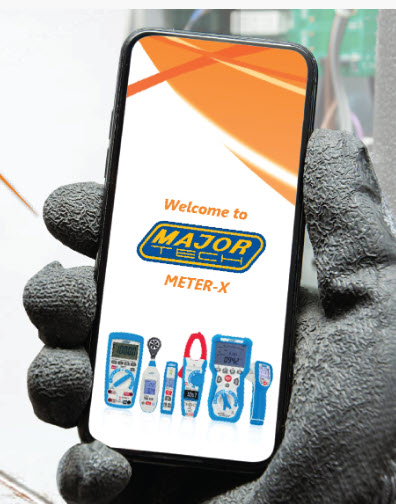
Find the best Major Tech smart automation products here at Sparky Direct. [ Read More ]
Smart home automation is the use of networked devices to control household functions without manual intervention at the switch. Lights turn on when a sensor detects movement. A timer cuts power to a hot water unit during peak tariff hours. A phone app turns off the kettle from the office. Each action is triggered by a rule, a schedule, or a voice command rather than a person walking to a wall plate.
A smart automation system has three layers. Devices like switches, sensors, and plugs sit at the edge. A hub or gateway aggregates them onto the home network. A protocol such as Zigbee, Z-Wave, Wi-Fi, or Bluetooth carries the messages between them. The hub talks to a cloud service or a local controller, which then exposes the devices to an app or voice assistant.
Major Tech is a South African manufacturer with a long history in test equipment, hand tools, and electrical accessories. The smart automation range extends that catalogue into connected plugs, sensors, and energy monitoring devices aimed at trade and DIY users. The full Major Tech brand range is available at Major Tech.
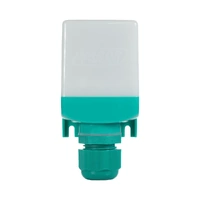
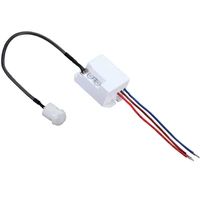
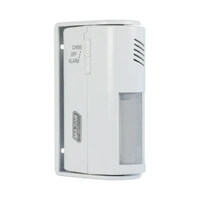
Sensors are the input layer of any automation system. Passive infrared (PIR) sensors detect heat changes from a moving body. Light-level sensors measure ambient brightness. Temperature and humidity sensors track environmental conditions. Each sends a signal to the hub, which decides whether to fire a rule. Browse the Sensor Light range or the dedicated Motion Sensor category for hardware options.
Switches and dimmers are the output layer. A smart switch replaces a standard wall switch and adds wireless control. Smart dimmers do the same job with adjustable brightness. Relays sit in the ceiling or switchboard and allow existing wiring to be controlled remotely. The full Smart Light Switch range is available, along with Smart Power Points for plug-in loads.
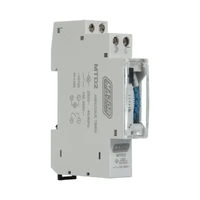
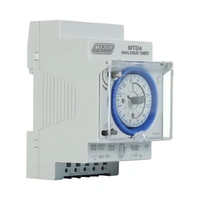
Timers run schedules without needing a hub. A digital timer can switch hot water, pool pumps, or outdoor lighting on a daily or weekly cycle. The Digital Timers range covers most fixed-schedule applications, with additional options in the broader Electrical Timers category.
The hub is the brain of the system. It bridges low-power radio protocols (Zigbee, Z-Wave) to the home Wi-Fi router and the internet. The app is the user interface. The protocol is what determines compatibility: a Zigbee device needs a Zigbee hub, a Wi-Fi device needs a router. Choosing a protocol locks in much of the future hardware path, so it pays to think about it before buying the first device.
The simplest automation is a sensor-driven light. A PIR detects movement, the load output switches on the fixture, and a timer cuts the power after a set delay. No app, no hub, no Wi-Fi. This setup suits hallways, garages, walk-in robes, and outdoor flood areas where habitual switching is wasteful.
There are three broad approaches to smart lighting. Smart switches replace the wall plate and keep standard globes. Smart globes screw into existing fittings and add control at the lamp. Full systems combine switches, hubs, and scenes for whole-home coordination. Each has trade-offs:
The practical wins are energy savings, convenience, and security. Lights turn off when no one is in the room. Schedules simulate occupancy when the house is empty. Dim levels match circadian patterns. The financial payback varies, but the day-to-day quality-of-life gain is what most users notice first.
Climate control is one of the largest energy loads in an Australian home. Smart thermostats learn occupancy patterns and adjust setpoints to match. Some integrate with weather forecasts to pre-cool or pre-heat ahead of demand spikes. The savings depend on local climate, insulation, and tariff structure, but the technology is mature.
Smart automation pairs naturally with rooftop solar. Energy monitors track export and consumption in real time. Smart switches can divert excess solar to hot water, pool pumps, or EV charging during peak generation. The Solar Isolator Switch range covers the safety side of any solar install.
Three mechanisms drive savings. First, removing standby loads through smart power points. Second, scheduling high-draw appliances to run during cheaper tariff windows. Third, using sensors to ensure lights and HVAC only run when people are present. Combined, these can reduce a typical bill by a meaningful margin, though the exact figure depends on baseline habits.
Smart security combines cameras, motion sensors, and door contacts into a single monitored system. The hub records events, sends alerts to the phone, and can trigger lighting or audible alarms when an intrusion is detected. Most modern cameras store footage locally on a microSD card or to a cloud service, with remote viewing through the app.
Smart locks replace the deadbolt cylinder and add keypad, fingerprint, or app-based unlocking. They suit short-term rentals, multi-occupant households, and properties where physical key handover is inconvenient. Battery life is typically a year or more on standard lithium cells.
The best security automation is invisible. Lights turn on when movement is detected at the front gate. The garage door closes automatically if left open at sunset. The system arms itself when the last occupant leaves and disarms on geofence return. Each rule is independent, but together they form a coherent perimeter.
Predictive automation watches what occupants actually do and adjusts schedules to match. If the household typically wakes at 6:30 on weekdays, the bathroom heater warms up at 6:25. If lights are usually off by 11 pm, the system fades them down at 10:55. The user does not write the rule. The system infers it from observation.
Voice control has become the default interface for most users. Google Assistant, Amazon Alexa, and Apple Siri all integrate with the major smart automation ecosystems. The natural-language layer hides the underlying complexity, so a single command can trigger a multi-device scene.
Modern energy monitors do more than report kilowatt-hours. They identify which appliances are running, flag anomalies (a fridge cycling more than usual, a hot water element drawing too much), and predict end-of-life for major loads. This shifts maintenance from reactive to predictive, which often pays for the monitor within a year on larger homes.
The three major consumer ecosystems each have strengths. Google Home leans on natural-language search and Android integration. Alexa has the widest device support and the largest skill catalogue. Apple HomeKit prioritises privacy and on-device processing, though its device range is narrower. Most current smart products support all three, but it pays to confirm before buying.
Matter is a unifying smart home standard backed by Apple, Google, Amazon, and Samsung. It runs over IP and works across Wi-Fi and Thread. The goal is to end the "which ecosystem does this device support" question. Matter adoption is accelerating in 2026, and most new releases now ship Matter-ready or with a planned firmware path.
Wired systems (DALI, KNX, C-Bus) run dedicated cabling between every device. They are robust, deterministic, and the standard for commercial fitouts. Wireless systems (Zigbee, Z-Wave, Wi-Fi, Thread) avoid the cabling cost but rely on radio reliability. For most residential installs, wireless wins on cost and flexibility. For mission-critical commercial work, wired still leads.
The Major Tech smart automation range spans the typical entry points for residential and small-commercial automation: connected plugs with energy monitoring, motion-detecting sensors, and time-based switching modules. The range sits alongside the broader Major Tech catalogue of test equipment and hand tools, so a sparky already familiar with the brand can extend to smart products without learning a new ecosystem.
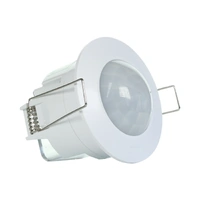
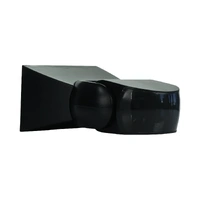
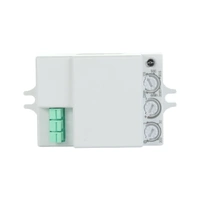
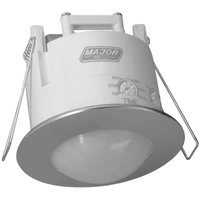
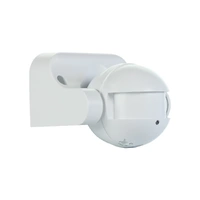
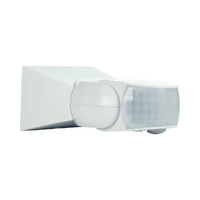
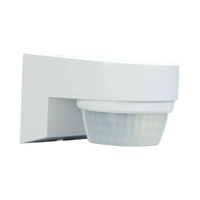
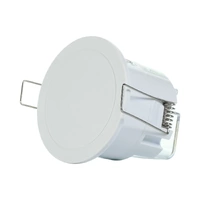
PIR motion sensors detect occupancy and trigger lighting, alarms, or HVAC events. The detection angle, range, and lux threshold determine where each sensor suits best. Wide-angle outdoor PIRs cover driveways and yards. Ceiling-mount sensors work in offices and corridors. Wall-mount units serve hallways and stairwells.
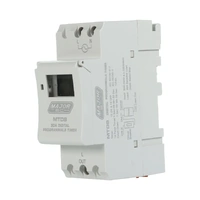
Digital timers handle predictable, schedule-based switching. Hot water systems on off-peak tariffs, pool pumps during daylight, exhaust fans on run-on after the bathroom light, and outdoor lighting at sunset. The advantage of a digital timer over a smart hub is independence: there is no app, no Wi-Fi dependency, and nothing to update.
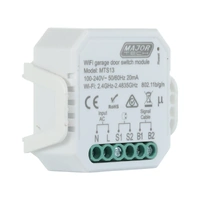
Smart switches and modules add network control to lighting circuits and plug loads. Energy monitoring is increasingly built in, so users can see which circuit is drawing what. Surge protection on plug-in modules adds a layer of equipment protection that bare power points lack.
Major Tech also produces a complete range of electrical accessories that pair well with smart automation installs. The Major Tech Connectors range covers the wiring side of any smart switch or sensor install.
For a first-time install, start with one or two scheduled outlets and a motion sensor in a high-use area. A single smart power point on a TV or kettle, plus a PIR-activated hallway light, gives an honest sense of whether the system suits the household before more cabling and configuration commits. If it works, expand.
Affordable starter setups generally bundle a hub with two or three switches or plugs. They run on Zigbee or Wi-Fi, depending on price point. A Zigbee kit costs more upfront but scales better and has more reliable response times once a few devices are in place.
Three questions decide most product choices. How big is the home (and therefore the radio range)? What ecosystem does the household already use (Google, Alexa, Apple)? Is there a neutral wire at every switch? The answers narrow the field quickly. A small apartment with no neutral wire suits battery-powered or no-neutral switches. A large home with three voice assistants in use needs a Matter-capable hub.
The Australian smart automation market has a few clear tiers. Premium brands like Clipsal Wiser, Legrand, and HPM target full-system installs with matched aesthetics. Mid-market brands like Mercator Ikuu and Major Tech focus on affordable, single-product entry points. Pure DIY brands lean on app-only setup and lower price points, though support and durability vary widely.
| Tier | Examples | Best Suited For |
|---|---|---|
| Premium full-system | Clipsal Wiser, Legrand, HPM | Whole-home installs, new builds, matched aesthetics |
| Mid-market modular | Major Tech, Mercator Ikuu | Single-room upgrades, retrofit, mixed brand setups |
| DIY consumer | App-only Wi-Fi brands | Rentals, plug-in only, short-term use |
Premium brands tend to offer better support, longer warranties, and a complete plate-and-mech system. Mid-market brands win on price-per-feature and broad protocol support. DIY brands are cheapest but come with the highest variance in build quality and longevity. Each has a place. The trick is matching the tier to the install.
Trade-grade products are designed for licensed install, certification, and long service life. Consumer products prioritise ease of setup and aesthetics. The line has blurred over the last few years, but a trade-grade switch still carries different testing and approvals to a generic Wi-Fi plug from an online marketplace.
Plug-in smart products (smart plugs, smart globes, plug-base devices) are DIY. Anything that connects to fixed wiring (switches, dimmers, in-wall sensors, hard-wired hubs) is licensed work in Australia. The line is statutory, not advisory.
All fixed-wiring installation in Australia must comply with AS/NZS 3000:2018 (the Wiring Rules) and be carried out by a licensed electrician. Smart switches add no exemption. The compliance test is the same as for a standard switch: correct conductor rating, proper earthing, correct enclosure, and an installation certificate where required by the state regulator.
Compliance reminder: Hard-wired smart switches, dimmers, sensors, and hubs require installation by a licensed electrician under AS/NZS 3000:2018. Plug-in devices (smart plugs, plug-base modules, USB-powered hubs) are owner-installable. State licensing rules vary, so confirm with the local regulator before any fixed-wiring work.
Plan the network before the hardware. Decide on a primary protocol (Zigbee, Wi-Fi, Matter). Pick a hub that supports it. Map out where sensors and switches will sit. Confirm Wi-Fi or radio coverage in those rooms. Only then start buying devices. Many failed automation projects come down to skipping this planning step.
Cheap Wi-Fi smart plugs cost a fraction of a premium switch but carry no certification, limited support, and short firmware lifespans. Premium systems cost more upfront but typically last the full ten-year warranty without surprises. The real cost question is total cost over the install lifetime, not the unit price on day one.
Total cost includes the device, the hub, the install labour, the ongoing app subscription (if any), and the eventual replacement. Cloud-dependent devices can become bricks if the manufacturer shuts down the service. Locally controlled devices (Zigbee, Z-Wave, Matter over Thread) avoid this risk and tend to hold value longer.
The best long-term value comes from open standards. Matter, Zigbee, and Z-Wave devices can swap hubs without replacing the hardware. Proprietary ecosystems lock the user in. For a five-to-ten-year install horizon, open standards almost always come out ahead.
Sparky Direct stocks the Major Tech smart automation range alongside complementary brands from Clipsal, HPM, and SAL Lighting. Trade pricing applies to qualified accounts, with same-day dispatch on most stocked lines.
Smart automation stock turns over faster than traditional electrical accessories. Newer protocols (Matter, Thread) are gradually replacing older ones. Check stock and version numbers before committing to a large project, because a model still in catalogue may be running its final production batch.
Confirm the protocol, the ecosystem compatibility, the wiring requirements (neutral or no neutral), and the warranty terms. Read recent customer feedback for any reliability flags. Check whether the device is locally controllable or cloud-dependent. Confirm the manufacturer's support track record for firmware updates over the past few years.
Firmware updates fix bugs, patch security holes, and add features. Most modern hubs handle updates automatically. Some require manual approval per device. Either way, keeping firmware current is the single biggest reliability lever for a smart automation system.
Battery-powered sensors need periodic cell replacement (typically every 12 to 24 months). Mains-powered devices are largely maintenance-free. Periodic checks of sensor sensitivity, button responsiveness, and dimmer range catch failing components before they cause complete failure.
A well-installed smart automation system should run for ten years or more with only firmware and battery maintenance. The most common failure mode is not hardware death but ecosystem abandonment: a brand stops supporting the product, the cloud service shuts down, and the device becomes useless. This risk is lowest for devices on open protocols.
The most common smart automation fault is a network problem, not a device fault. Check the hub is online and reachable. Confirm the device is paired and showing signal strength. If multiple devices drop at once, the issue is almost always the router, the radio interference, or the upstream internet link.
A PIR that fires constantly is usually picking up a heat source it should not (a vent, sunlight, a cycling fridge). A PIR that never fires has either failed or is mounted out of detection range. Re-aim and re-test before assuming the unit is faulty.
If a rule does not fire, walk through it step by step. Is the trigger device reporting? Is the condition met? Is the action device online? Most rule failures are upstream: the trigger never reached the hub. Logs in the app usually show the chain.
The next generation of automation will lean heavily on on-device AI. Sensors will distinguish people from pets. Cameras will recognise individual occupants. Energy monitors will identify appliance signatures without manual setup. The shift is from rule-based logic to learned behaviour.
As rooftop solar penetration climbs in Australia, so does demand for automation that optimises self-consumption. Smart loads divert excess solar to hot water and EV charging during peak generation, reducing grid export and improving the financial case for the array.
Matter adoption is the biggest ecosystem story of 2026. As more devices ship Matter-compatible, the friction of switching ecosystems drops to near zero. This is good for consumers and disruptive for proprietary platforms. The next two years will reshape which brands lead the residential market.
Club Clipsal is Australia's largest electrician community offering trade rewards, business support, and exclusive benefits. When you nominate Sparky Direct as your preferred wholesaler, we automatically apply your Clipsal spend points to your Club Clipsal account daily.
Entry-level offering coaching, mentoring, and training discounts
Unlock exclusive industry tools and networking events
Access Toyota fleet offers and business software discounts
Maximum benefits, including VIP experiences and rewards
1. Sign Up: Create your Club Clipsal account at clipsal.com/club-clipsal or via the iCat mobile app
2. Nominate Sparky Direct: Select Sparky Direct from the wholesaler dropdown menu in your profile
3. Add Email: Enter your Sparky Direct account email address in the membership number field
4. Start Earning: Every dollar spent on Clipsal products earns points automatically
Redeem points from the rewards store, including gift cards, tools, and experiences. Access business summits, product training, and industry networking events. Receive early access to new product launches and special promotions. Connect with fellow electricians via the Club Clipsal community app.
Watch Major Tech MTS10 | Smart Plug with Energy Monitoring & Surge Protection | 10A video
Watch Clipsal Iconic Wiser CLP501902 | Wiser Smart Hub | Zigbee Enabled | Connect to Wiser Iconic App video
Watch Mercator Ikuu SXSEN003PIR | Smart IP65 180° Motion Detector | Wi-Fi video

I recently installed the Clipsal 750WPR5-GY Infrascan PIR Sensor in a outdoor area, and I'm thoroughly impressed with its performance. Right out of the box, the build quality feels robust and weather-resistant - perfect for the Australian outdoors. The grey finish blends seamlessly with most wall surfaces, giving it a discreet yet professional look. One of the standout features is how well it operates in all lighting conditions. It works flawlessly at night, ensuring lights come on exactly when needed, which not only boosts security but also saves energy by ensuring lights aren't left on unnecessarily.
Great slim profile zigbee hub, a bit pricy compared to the alternatives in the market. Response time is great compared to standard wifi mechs sold in the big green warehouse. Yet to test hubs wifi range and only using with Ethernet at the moment. Decent moment and automation option, but it would be great to have an option to enable auto firmware update on all linked switches etc, from one screen, instead of doing at individual switch. If you have six wiser mechs on a 6 gang, and more around the house, it takes a while to enable these, though its done only once.
These GPO's are great smart switches, best I've found for outdoors. Used with Home Assistant (ZHA) they are easy to connect, and provide on/off with scheduling via automations, load and overall power usage for graphing and measuring consumption, child lock per switch, Zigbee signal strength stats, and as a bonus they are Zigbee routers so they extend my Zigbee network too. I tested one by installing it by our pool running string lights in the evening, they've been running for a few years now and it's still working perfectly. I've bought another 3 to install around the house.
Quality products in stock • Fast Australia-wide delivery • Competitive trade pricing
Browse Major Tech Smart Automation → Get Expert Advice →By providing insights into energy usage, these products can support informed energy management decisions.
Sparky Direct supplies Major Tech Smart Automation products with fast Australian delivery to support smart electrical and energy management solutions.
Yes, installation involving fixed electrical connections must be completed by a licensed electrician.
Warranty coverage varies by product and manufacturer and typically applies to manufacturing defects.
Check compatibility, installation requirements, power ratings, and intended application.
Yes, products are commonly sold individually to allow tailored system selection.
Most users can operate the systems with basic guidance, though training may benefit advanced setups.
Use in rental properties may be possible with owner approval and compliant installation.
Maintenance needs are generally minimal and follow manufacturer recommendations.
Yes, the range is commonly used by electricians, contractors, and facility managers.
Local functions usually continue, while remote or cloud-based features may be limited.
Yes, compatible devices can often be used together to create a broader automation setup.
Many products can be added to existing electrical systems, subject to compatibility and site conditions.
Major Tech Smart Automation refers to a range of smart electrical and automation products designed to monitor, control, and manage electrical systems.
Remote viewing is available on some products when connected to the internet and compatible software.
Many products are designed with user-friendly interfaces and apps to simplify monitoring and control.
Installation requirements vary, but fixed electrical connections should be carried out by a licensed electrician.
Some features may require internet access, while others operate locally depending on the device.
Compatibility depends on the specific product and platform, with some designed to integrate with existing systems.
Many products are designed to monitor energy usage and provide data to support energy management.
Yes, the range is suitable for residential, commercial, and light industrial applications depending on the product.
Major Tech Smart Automation products supplied in Australia should comply with relevant AS/NZS electrical and safety standards.
Yes, products supplied in Australia are designed to suit local electrical systems and usage conditions.
These products use connected technology to provide real-time data, monitoring, and control through compatible devices or software.
The range commonly includes smart meters, energy monitors, sensors, controllers, and compatible automation accessories.