
Search Results:
Search Results:
Search Results:
Search Results:
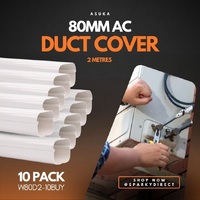
An 80mm AC duct cover is a passive finishing accessory. It conceals and protects the wall or ceiling penetration around an 80mm air conditioning or ventilation duct. Trade installers fit these covers as the final step in split-system air conditioner work, portable AC ducting jobs, exhaust ventilation runs, and light commercial HVAC installations.
The cover is a practical finishing component for electricians, HVAC installers, maintenance contractors, builders, and informed home renovators. It improves appearance, reduces dust and insect entry around the penetration, and helps the wall or ceiling look properly finished. The 80mm size is one of the most common diameters used for refrigerant pipework, drain lines, and cabling on residential and light commercial AC systems.
The cover hides the rough hole around an 80mm duct where it passes through a wall or ceiling. Common locations include bedrooms, lounge rooms, offices, retail spaces, server rooms, workshops, and light commercial plant areas. It is also used externally where the duct exits a building wall.
It is important to understand the difference between covering, sealing, and venting. A duct cover finishes the visible surface around the duct. Sealing is a separate function handled by sealant, gaskets, or tape inside the penetration. Venting requires a grille, louvre, or open diffuser, not a closed cover.
Several accessories are used in the same penetration area, and they are not interchangeable. A duct cover is a surface-mounted finish that hides the rough opening. A duct cap closes the end of a duct run. A grille or louvre allows airflow while excluding pests. A wall sleeve lines the inside of the penetration. An elbow redirects the duct around a corner.
Before ordering, confirm whether the duct needs to remain open for active airflow, sealed at the end, lined with a sleeve, or simply covered for appearance. Closely related products in the wider cover plate range handle similar wall-finish duties for electrical penetrations.
Trade users fit 80mm covers during new AC installations, replacement of damaged or aged ducting, renovations, tenancy make-good work, and finishing of exposed duct holes left from previous equipment. Queensland and coastal sites bring additional pressure from pests, humidity, and weather exposure, which makes neat sealing more important.
HVAC, electrical, and building penetration work should be completed by appropriately licensed trades where required. The cover itself is a finishing component, but the surrounding work often falls under licensed-trade obligations.
Size compatibility is the most important purchase factor. A cover that is too small leaves the rough cut-out visible. A cover that is too large sits proud of the wall, looks oversized, and may not seat flush. Measure the duct outside diameter and the actual wall penetration before ordering rather than relying on what the cover looks like in a product image.
Common duct accessory sizes in Australian installations are 65mm, 80mm, and 100mm. These are not interchangeable. A trade user ordering replacement covers online should verify the existing duct size, the size of the visible cut-out, and the flange width of the new cover. Trade installers ordering for multiple jobs should also check carton quantities and finish consistency across the order.
The cover should match the duct outside diameter or the product's specified fitting range. Measure the duct itself, the existing hole in the wall, and the visible flange area required to cover any rough cut-out around the penetration. If the duct has insulation, a sleeve, or a trim ring, allow for the extra external diameter this adds.
Check the product specifications before ordering. Buying the wrong size is the most common reason for duct cover returns. The measurement task is straightforward, but it must be done before installation work begins.
80mm covers are typically used for smaller AC ducting runs and service penetrations on residential split systems. 100mm covers suit larger duct runs and some ventilation applications. The correct size is determined by the duct outside diameter, the wall opening, and the available flange coverage, not by guessing or substituting one for the other.
Using a 100mm cover on an 80mm duct may conceal a larger hole, but the result often looks oversized and may not seat correctly against the duct. Match the cover size to the installed components rather than the cut-out alone.
An 80mm cover must suit the duct material, the duct diameter, the operating temperature, and the indoor or outdoor exposure. Many decorative covers are designed for finishing only and are not suitable for active airflow outlets. If the penetration needs to vent air, a grille or louvre is required instead.
Before ordering multiple covers, check the product datasheet or the supplier listing. Confirm the cover is rated for the duct type involved, including refrigerant pipework on a split system, drain line covers, or exhaust ventilation finishes. Trade users restocking for a job should also confirm the colour and material match the original specification.
80mm AC duct covers are produced in several materials. PVC and UV-resistant plastic are the most common for residential indoor work. Aluminium, stainless steel, and powder-coated metal options suit outdoor, commercial, and high-traffic environments. Each material has trade-offs across cost, weight, weather resistance, and long-term appearance.
Indoor white PVC is the default choice for most homes. Outdoor and commercial installations may justify UV-resistant plastic or metal. Coastal and humid sites benefit from corrosion-resistant materials. Where the cover will be painted or colour-matched to a wall finish, confirm paintability before applying primer or top coat.
PVC and plastic covers are common for indoor residential installations because they are low cost, light, and clean in appearance. UV-resistant plastic versions are designed for outdoor or sun-exposed positions where standard PVC would degrade. White is the standard colour and often paintable if the manufacturer permits it. Surfaces should be prepared according to the paint guidance.
Standard PVC is not suitable for high-temperature ducted heating outlets unless the product is specifically rated for that use. Brands such as Asuka, AussieDuct, and Complete Air supply PVC duct covers in the 80mm range with documented size and material specifications.
Stainless steel, powder-coated aluminium, and other metal finishes offer impact resistance, weather durability, and corrosion resistance. They suit exposed or high-traffic environments where plastic covers may crack, fade, or come loose. Coastal and humid areas reward material choice with longer service life and fewer site call-backs.
Before specifying a metal cover, check the corrosion rating and the recommended fixing method. Outdoor metal covers may need additional weatherproof sealant around the perimeter. ALLVENT and AIRWARE stock HVAC accessories suited to commercial and outdoor applications.
80mm AC duct covers are available in white, black, grey, beige, brushed metal, and a small number of custom finishes. The finish choice should match the wall colour, AC trunking, exterior cladding, or commercial fitout requirements. White remains the most stocked option because it suits the majority of residential interior walls and standard AC trunking.
Many plastic covers can be painted, but only with a compatible primer and paint, and only where this does not compromise the product's performance or warranty. If colour matching is critical, ordering a sample first is sensible before committing to a bulk order.
This guidance covers planning and product selection, not unsafe step-by-step installation. Air conditioning, electrical, and building penetration work may involve licensed trades depending on the scope. The cover itself is a finishing component, but cutting the penetration, running refrigerant lines, and connecting electrical supply are licensed-trade tasks in most Australian jurisdictions.
The cover should sit flush against the surface, fully cover the rough penetration, and be sealed or fixed in a way that suits the wall substrate. For outdoor installations, weatherproof sealing around the perimeter is normally required. Most trade users coordinate the cover supply with the larger AC job, ordering through air conditioner installation kits and related accessories at the same time.
The penetration should be clean, stable, and sized appropriately for the duct. Rough plaster, cracked masonry, loose sleeve material, or residue from previous sealant can stop the cover sitting flush. Confirm that no hidden electrical, plumbing, refrigerant, or structural services will be affected before any alteration to the opening.
Licensed trades should complete any work that involves AC refrigerant lines, electrical wiring, or building compliance requirements. The cover is the last step. The work that creates the penetration is the regulated step.
Several fixing methods suit duct covers. Adhesive sealant is common for light internal covers on plasterboard. Screws and wall plugs are preferred for masonry, tile, and external walls where mechanical fixing is needed. Combined methods, such as a small bead of sealant with mechanical screws, give the strongest result on exterior surfaces.
Weatherproof sealing is important for exterior use. Manufacturer instructions should be followed for the specific product. Sealants and HVAC accessories from brands like RectorSeal are commonly specified for this kind of work.
The most common mistakes are wrong cover size, poor alignment with the duct, and excessive sealant squeeze-out. Other recurring issues are missing weather seal on external installations, fitting a closed cover over an active airflow grille, fitting to an uneven surface, and using indoor-grade materials outdoors. Crooked or poorly sealed covers are difficult to correct once the adhesive has cured.
Trade installers should confirm the required quantity, finish, and accessory list before reaching the fit-off stage of the job. Ordering a few extras for a multi-site project avoids return trips for missing parts.
The functional benefits of a duct cover extend beyond appearance. A correctly fitted cover reduces pest ingress around the penetration, limits dust buildup inside the wall cavity, and helps protect the building envelope. The cover also keeps the duct interface looking neat over the long term, which matters on visible interior walls and commercial fitouts.
Australian climates add specific pressures. Humidity, summer storms, and active insect populations all interact with poorly finished wall penetrations. A cover is not a cure for an underlying ducting fault, but it is a useful part of a properly designed and installed system.
A correctly fitted cover reduces the openings that insects, spiders, dust, and debris can exploit around a duct penetration. It is not a substitute for a properly designed duct system, a pest-proof louvre, or a sealed exterior penetration where those are required. Check the perimeter of installed covers during routine maintenance for gaps, dirt buildup, or evidence of pests.
Outdoor exposure brings driving rain, UV degradation, humidity, and coastal salt corrosion. Weatherproof 80mm duct covers are more suitable than basic internal covers for any exposed exterior use. Inspect exterior covers after severe weather events and during annual AC maintenance visits. Replace covers that show cracking, discolouration, or signs that the weather seal has failed.
Poorly sealed wall penetrations may allow air leakage, unwanted heat gain or loss, and moisture movement into the wall cavity. A duct cover contributes to neatness and surface sealing. The wider duct and wall assembly must still be correctly installed to deliver real energy benefits. Energy-conscious projects should treat sealed penetrations as part of the building envelope rather than as a cosmetic finish.
Selecting a cover comes down to size, material, finish, flange coverage, fixing method, outdoor rating, and stock availability. Residential users prioritise appearance and price. Commercial and trade users prioritise consistency, documentation, and bulk supply. Replacement and renovation buyers prioritise matching the existing finish so the repair is not visible.
Best brands, top rated options, and value-led trade picks all sit within the same product family. The right cover is the one that fits the duct, matches the surrounding finish, and suits the indoor or outdoor location. Insulation accessories from K-FLEX and Inoac are also commonly paired with duct cover installations.
Check the duct diameter is 80mm. Confirm the existing wall hole size and the flange coverage required. Pick a finish colour that matches the wall or AC trunking. Confirm indoor or outdoor rating. Check whether the cover is paintable if a custom colour is needed.
Homeowners should not interfere with electrical wiring, refrigerant lines, or hardwired AC components. Where the cover is part of a larger AC or ventilation job, coordinate with an HVAC installer or electrician. The cover supply can be ordered separately and delivered to site for the trade to fit.
Trade buyers should check carton quantities, consistent finish across the order, dispatch speed, replacement stock availability, and price-per-unit. Project lead times matter, particularly where multiple sites are scheduled for the same week. Electricians, HVAC contractors, builders, and maintenance teams often prefer stocked, repeatable SKUs to reduce ordering errors.
Related accessories from the wider air conditioning accessories range can be added to the same order, including wall brackets, slabs, sealants, and screws.
Branded covers tend to offer more consistent sizing, better material quality, UV stability, and documented specifications. Generic covers may suit simple internal applications where cost is the main driver. For commercial, outdoor, or inspected work, choose products with clear specifications and supplier support so the install passes inspection without rework.
Online ordering suits trade contractors, maintenance teams, and home renovators who need a specific size, colour, or carton quantity without driving to a counter. Buyers normally compare stock availability, price, fast delivery, compatibility details, and return options before placing the order. Sparky Direct supplies the 80mm AC duct cover range alongside the wider air conditioning ducting category.
For ordering across the broader AC system, the air conditioners section covers split systems, related ducting, and tools. Australian delivery, transparent pricing, and trade account options support trade users restocking for a known job schedule.
Confirm the duct size, the cover outside diameter, the indoor or outdoor suitability, the material, the colour, the fixing style, the quantity required, and the delivery location. Check product images and specifications carefully before adding to cart. Ordering the wrong duct size is the most common cause of returns in this category.
Urgent site needs, replacement covers after storm damage, and contractor restocking are common reasons to order online. Online ordering is particularly useful when trade counters do not hold the exact finish or quantity required. Australian delivery covers regional jobs and Queensland trade users, where local trade counters may have limited stock of finishing accessories.
The cover is only one part of a finished duct penetration. Related components include duct pipe, wall sleeves, elbows, trunking, grilles, louvres, sealants, screws, plugs, and weatherproof accessories. Pair coil copper and air conditioning slabs often appear on the same job sheet.
For cable-related runs, the cable duct range covers adjacent electrical work. Check the whole ducting assembly before ordering so the cover matches the installed components rather than arriving on site and not fitting.
80mm duct covers are low-maintenance, but they do not last forever. UV exposure, weather, impact, and ageing adhesive can all bring a cover to the end of its useful life. A cracked, loose, yellowed, or poorly sealed cover should be replaced rather than patched. Replacement is straightforward for the right trade, although it may indicate a larger ducting or sealing issue if the cover keeps failing.
Routine AC maintenance visits are a good opportunity to check covers. Inspect the perimeter, the sealant line, and the surface for any signs of damage. Replace before the next service if anything looks degraded.
Replace the cover when it is cracked, loose, UV-damaged, discoloured, poorly sealed, or no longer large enough to cover the wall penetration. AC upgrades, painting, renovations, and post-storm inspections are all good moments to replace tired covers. Matching the flange size to the existing footprint avoids repainting or patching the surrounding wall.
Old adhesive or sealant may need careful removal, and minor wall repair work may be required before a new cover sits neatly. If removal risks damaging ducting, electrical wiring, refrigerant lines, exterior waterproofing, or building finishes, call in a licensed trade. The cover itself is cheap. The wall, the duct, and the AC system are not.
A loose cover usually points to poor fixing, failed adhesive, or an uneven substrate. Water staining around the cover often signals an exterior seal or weatherproofing issue beyond the cover itself. Insects or dust inside the cover suggest a gap around the perimeter or an unsealed duct penetration. Rattling can indicate a loose duct, a loose cover, or airflow vibration in the duct itself. Where the issue relates to AC performance, moisture ingress, or building integrity, trade inspection is the right next step.
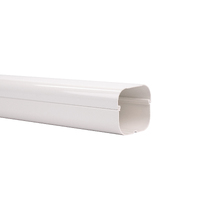
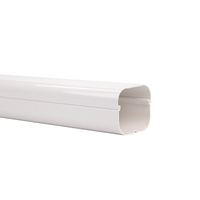
Watch 80mm AC Duct Cover 2m | 1 Buy | Air Conditioning Duct | Asuka W80D2 video
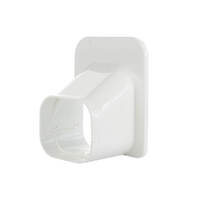
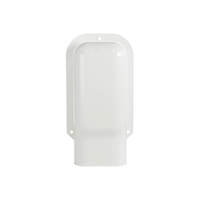
Watch 80mm Wall Cap AC Duct Cover | Air Conditioning Duct | 1 Buy | Asuka W80WC video
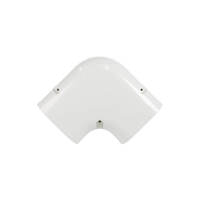
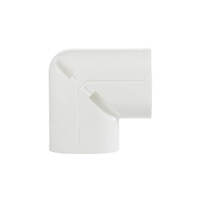
Watch 80mm Bend 90° Flat AC Duct Cover | Air Conditioning Duct | Asuka W80FE90 video

I used these bends to replace the rubbish ones that another popular online wholesaler sold me. They are far superior
I have previously ordered Ducting online and it was damaged more times than i care to think of, Thanks Guys We will use you again
This is standard air on ducting. It works and was delivered reasonably quickly. What more is there to say?
Quality products in stock • Fast Australia-wide delivery • Competitive trade pricing
Browse 80mm AC Duct Covers → Get Expert Advice →