
Search Results:
Search Results:
Search Results:
Search Results:
Interior lighting encompasses all fixed and portable light fittings used inside buildings. It includes ceiling lights, downlights, pendant lights, wall lights, track lighting, and specialty fixtures. Modern interior lighting combines three key elements: ambient lighting for overall illumination, task lighting for specific activities, and accent lighting to highlight features. Australian homes typically use a mix of these to create layered lighting schemes that adapt to different times of day and activities.
Downlights sit flush with ceilings, providing clean, modern illumination without visual clutter. Available in fixed or gimbal (adjustable) styles, they're ideal for general lighting in living rooms, kitchens, and hallways. Modern LED downlights offer energy efficiency, long lifespans, and options for dimmable, colour-changing, or smart home integration.
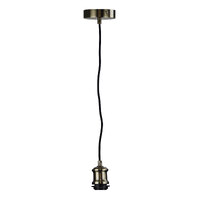
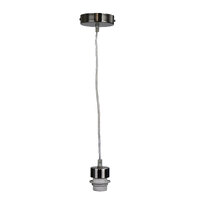
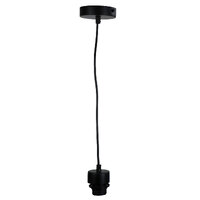
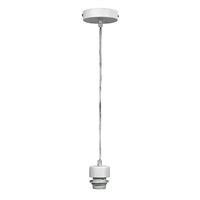
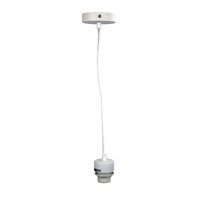
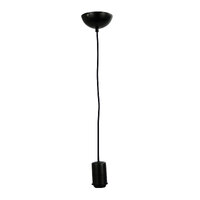
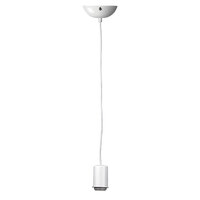
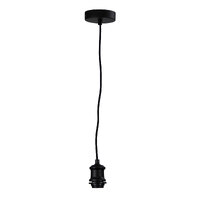
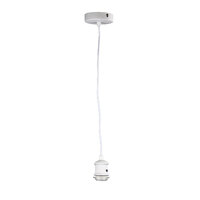
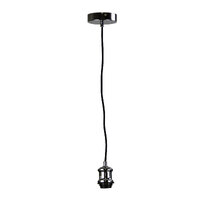
Pendant lights hang from the ceiling on cords, chains, or rods, serving as both functional lighting and design statements. Single pendants work over dining tables or kitchen islands, while clustered pendants create dramatic focal points. Heights are adjustable to suit ceiling dimensions and desired lighting effects.
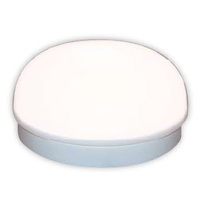
Surface-mounted ceiling lights, including popular oyster-style fittings, provide broad illumination for bedrooms, bathrooms, and living areas. These fixtures mount directly to ceiling electrical boxes and range from basic utility designs to decorative statement pieces with integrated LED modules.
Track lighting systems use a powered rail that accepts multiple adjustable light heads. Perfect for galleries, retail-inspired homes, or spaces requiring flexible lighting direction. Modern low-voltage track systems offer energy efficiency alongside design versatility.
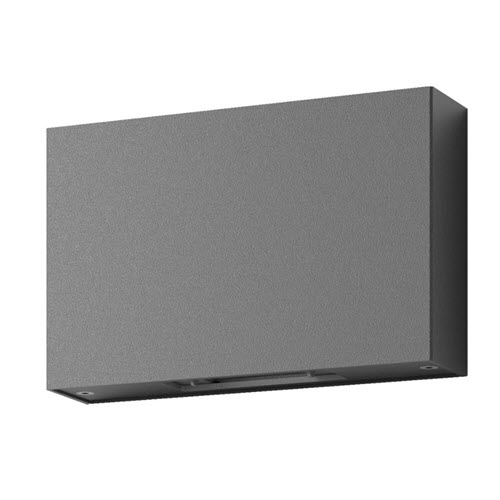
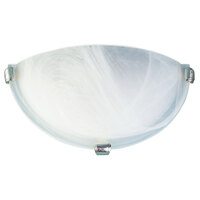
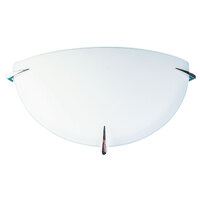
Wall-mounted lights save floor and ceiling space while adding layers to lighting schemes. They work as bedside reading lights, hallway illumination, or accent lighting for artwork. Swing-arm wall lights offer adjustability for reading areas.
Statement lighting pieces that combine decoration with illumination. Traditional chandeliers suit formal dining rooms and entryways, while contemporary designs range from minimalist to sculptural art pieces. Installation requires consideration of ceiling height, room proportion, and electrical load capacity.
Task lighting for kitchens, workspaces, and display areas. LED strip lights provide continuous illumination under cabinets, in wardrobes, or highlighting architectural features. Low-voltage operation makes them safe and energy-efficient.
Specialized fixtures designed for bathroom moisture conditions with appropriate IP ratings (typically IP44 or higher). Mounted above or beside mirrors for even facial illumination, essential for grooming tasks.
Kitchens benefit from layered lighting: bright task lighting over benchtops, ambient ceiling lights, and under-cabinet strips. Living rooms need flexible lighting with dimmers to transition from daytime activities to evening relaxation. Bedrooms require softer ambient lighting with dedicated reading lights. Bathrooms demand moisture-resistant fixtures with shadow-free vanity lighting.
Forget outdated wattage comparisons—lumens measure actual light output. Living areas typically need 1,500-3,000 lumens, kitchens 4,000-8,000 lumens, and bedrooms 2,000-4,000 lumens depending on size. LED technology delivers these outputs while using 75-80% less energy than old incandescent bulbs.
Measured in Kelvin (K), colour temperature affects room ambiance. Warm white (2700-3000K) creates cozy, relaxing atmospheres for living rooms and bedrooms. Neutral white (3500-4100K) suits kitchens and workspaces. Cool white (5000-6500K) provides crisp, alert lighting for task-intensive areas. Many modern LED fittings offer adjustable colour temperature.
Dimmable lighting adds versatility, allowing adjustment for different activities and times of day. Ensure LED fittings specify dimmer compatibility, as not all LEDs dim smoothly. Smart lighting systems enable control via apps, voice commands, or automation schedules.
LED technology dominates modern interior lighting for good reason: 50,000+ hour lifespans, minimal heat generation, instant full brightness, and dramatic energy savings. An LED downlight using 10W replaces a 75W halogen, saving over $200 in electricity over its lifetime.
All interior lighting installations must comply with AS/NZS 3000:2018 (the Australian/New Zealand Wiring Rules). Licensed electricians must perform all fixed wiring work—this isn't DIY territory. Key requirements include:
Ceiling penetrations in fire-rated ceilings require specific fire-rated downlights to maintain building fire safety. Insulation contact (IC-rated) downlights are mandatory where ceiling insulation is present to prevent heat buildup and fire risks.
Position downlights 1-1.5 meters apart for even ambient lighting. Place task lighting directly over work areas without creating shadows. Consider furniture placement—pendant lights over dining tables should hang 750-900mm above the table surface. Multiple switching circuits provide flexibility, allowing different lighting zones for various activities.
Upgrading to LED downlights in existing homes often requires electricians to replace old halogen transformers with LED-compatible drivers. Surface-mounted oyster lights offer simple replacements for outdated fittings without ceiling modifications. Battery-powered picture lights and strip lights provide accent lighting without electrical work, though these aren't suitable for permanent installations.
Plan lighting circuits early in the design phase. Consider future-proofing with neutral wires for smart switches, oversized junction boxes for LED drivers, and conduit for potential upgrades. Discuss dimming requirements, switch locations, and control systems with your electrician during the rough-in stage.
Turn off power at the switchboard before any DIY light globe changes in ceiling fittings. Globes can remain hot for several minutes after switching off. Always use a stable stepladder, never chairs or makeshift platforms. If a ceiling fixture feels hot to touch when operating, turn it off immediately and contact a licensed electrician—this indicates a ventilation or overload problem.
Modern interior lighting increasingly features smart capabilities. Wi-Fi or Zigbee-enabled LED bulbs and fixtures integrate with home automation systems, enabling:
Smart lighting works with existing light switches or can replace them with smart switch modules. Consider compatibility with your preferred ecosystem before purchasing.
LED flickering often indicates incompatible dimmers, loose connections, or voltage fluctuations. Try an LED-rated dimmer or check all wiring connections. Persistent flickering requires electrician investigation.
Poor initial layout planning causes dark corners and uneven illumination. Adding supplementary wall lights, floor lamps, or adjusting existing fitting positions creates better light distribution.
Single ceiling lights create unflattering shadows, especially in bathrooms. Multiple light sources from different angles provide shadow-free illumination. Diffused fixtures soften direct light.
Older homes with dated wiring may limit the number of fittings per circuit. LED's lower power consumption allows more fittings per circuit while staying within safe electrical limits. Consult your electrician about circuit capacity.
LED bulbs outperform CFL (compact fluorescent) bulbs in virtually every metric. While CFLs were once considered the energy-efficient alternative to incandescent bulbs, LED technology has since surpassed them.
| Factor | LED Bulbs | CFL Bulbs |
|---|---|---|
| Lifespan | 50,000+ hours | 8,000-10,000 hours |
| Energy Efficiency | 75-80% less than incandescent | 65-70% less than incandescent |
| Warm-up Time | Instant full brightness | 1-3 minutes to full brightness |
| Dimming Capability | Excellent (when specified) | Poor to moderate |
| Mercury Content | None | Contains mercury (disposal concerns) |
| Switch Cycling | Unaffected by frequent switching | Lifespan reduced by frequent switching |
| Cold Weather Performance | Excellent | Poor (slow warm-up in cold) |
LEDs are now the clear choice for interior lighting. They last five times longer than CFLs, provide instant light, work better with dimmers, and contain no hazardous materials. While LED bulbs cost more upfront, their longer lifespan and superior energy efficiency deliver better value over time.
The transition from halogen to LED downlights represents one of the most significant improvements in residential lighting. Here's why LED downlights dominate new installations and retrofits.
A typical 50W halogen downlight can be replaced with a 7-10W LED equivalent producing the same light output. For a home with 20 downlights running 4 hours daily, this saves approximately $400-600 per year on electricity bills at current Australian rates.
Halogen downlights generate significant heat—up to 90% of their energy becomes heat rather than light. This poses fire risks when installed incorrectly near insulation and increases cooling costs in summer. LED downlights run cool to the touch, eliminating these concerns.
Halogen bulbs typically last 2,000-3,000 hours, requiring replacement every 1-2 years with regular use. LED downlights last 50,000+ hours—potentially 15-25 years before replacement. This dramatically reduces maintenance time and ongoing costs.
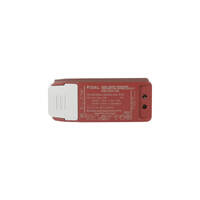
Modern LED downlights integrate the driver (power supply) into the fitting, simplifying installation. Halogen systems require separate transformers that can fail and need replacement. When retrofitting, electricians often need to remove old transformers and install LED-compatible drivers.
Modern LED downlights offer excellent colour rendering (CRI 80+) and adjustable colour temperatures. Many feature selectable warm, neutral, or cool white settings via a switch on the fitting. Halogen provides good colour rendering but only in warm white tones.
Smart bulbs transform ordinary light fittings into connected devices with advanced control capabilities. Here's what sets them apart from regular LED bulbs.
Regular bulbs operate via traditional wall switches—on or off. Smart bulbs add multiple control layers: smartphone apps, voice assistants (Alexa, Google Home, Siri), automation schedules, and motion sensors. You can control them from anywhere with internet access.
Regular dimmable LEDs require compatible dimmer switches installed by electricians. Smart bulbs dim through apps or voice commands without additional wiring. Many smart bulbs offer colour-changing capabilities—16 million colours in some models—for mood lighting or special occasions.
Smart bulbs integrate with home automation systems for scheduled operation, sunrise/sunset timing, and presence simulation when you're away. They can interact with other smart devices—for example, turning on when security cameras detect motion or changing colour when doorbells ring.
Many smart bulb systems track energy usage, showing consumption patterns and costs through apps. This helps identify opportunities for additional savings and optimizes lighting schedules.
Smart bulbs screw into existing light sockets like regular bulbs—no electrician required for basic installation. However, they require constant power supply (wall switch must remain on) and compatible connectivity (Wi-Fi, Zigbee, or Bluetooth). Consider your smart home ecosystem before purchasing to ensure compatibility.
Smart bulbs cost 2-4 times more than equivalent regular LED bulbs. A quality smart bulb ranges from $20-60 compared to $5-15 for standard LEDs. The premium buys convenience, control, and features rather than better light output or efficiency.
LED lighting represents one of the best value upgrades for Australian homes. The initial cost premium pays back through reduced electricity bills, lower maintenance, and improved lighting quality.
Consider a typical Australian home with 25 light fittings running 4 hours daily at $0.28/kWh (average Australian residential rate). Replacing 50W halogens with 8W LEDs saves approximately $735 per year. With LED fittings costing $15-40 each, the payback period is typically 1-2 years. Over the LED's 15-year lifespan, total savings exceed $10,000.
LED bulbs last 5-10 times longer than other technologies. This eliminates the recurring cost and inconvenience of bulb replacements. For hard-to-reach fittings like cathedral ceilings or outdoor areas, this benefit alone justifies LED investment.
LEDs reduce heat output, lowering air conditioning loads in summer. This is particularly noticeable in Queensland and northern Australia where ceiling heat from halogen downlights significantly impacts cooling costs. The reduced fire risk from cooler-running LEDs provides additional safety value.
Modern LED lighting is now expected in renovated homes. Quality LED installations add appeal for buyers and can contribute to better energy efficiency ratings, particularly relevant for rental properties under minimum standards requirements.
Beyond personal savings, LED lighting dramatically reduces household carbon emissions. A home replacing 25 halogens with LEDs prevents approximately 2 tonnes of CO2 emissions annually—equivalent to planting 90 trees.
Dimmable lighting adds flexibility to your spaces, but not all LED products dim smoothly. Here's what to verify when ordering dimmable lights online.
Check product specifications explicitly state "dimmable" or "dimmer compatible." Not all LEDs support dimming, and using non-dimmable LEDs with dimmers causes flickering, buzzing, or premature failure. The product listing should specify compatible dimmer types (trailing edge, leading edge, or universal).
Older dimmers designed for halogen or incandescent bulbs often don't work properly with LEDs. Look for your current dimmer brand and model, then check the LED manufacturer's compatibility list. Many suppliers, including Sparky Direct, provide compatibility charts showing which dimmers work with specific LED products.
Some dimmers require minimum wattage to function correctly. With LEDs using 80% less power than old bulbs, you may not meet this minimum. Modern LED-compatible dimmers specify low minimum loads (often 4-10W) suitable for LED installations.
Quality dimmable LEDs dim smoothly from 100% down to 10% or lower without flickering or dropout. Check product reviews or specifications for dimming range. Cheaper LEDs may only dim to 30-40% before switching off or flickering.
When buying multiple dimmable lights, ensure they're the same colour temperature (measured in Kelvin). Even small variations (2700K vs 3000K) become noticeable when dimmed. Order from the same product line and preferably the same production batch.
Verify products display compliance marks (RCM, SAA) indicating they meet Australian electrical safety standards. Reputable online suppliers like Sparky Direct stock only compliant products, but this becomes critical when purchasing from overseas marketplaces.
Wall sconces add layered lighting and architectural interest to interiors. When ordering online, these considerations ensure successful installations.
Sconce height matters. For hallways, install 1.6-1.8m from the floor. Beside beds, position 60-90cm above mattress height for reading. Bathroom vanity sconces sit at eye level (roughly 1.65-1.75m) to avoid shadows. Measure your space before ordering to ensure the sconce size suits the installation location.
Check if you have existing wall outlets or if new wiring is required. Swapping an existing sconce for a new one is straightforward for electricians. Adding sconces where none exist requires wall fishing for cables—significantly more involved. Knowing this before ordering helps set realistic installation expectations.
Sconces provide uplight (directs light to ceiling), downlight (directs light to floor), or omnidirectional (spreads light in all directions). Uplights create ambient mood lighting, downlights work for task lighting, omnidirectional provides general illumination. Match the light direction to your intended use.
Opaque shades focus light in specific directions while translucent or glass shades spread light more widely. Consider how much ambient light you want versus directed accent lighting. Product photos show the fitting but not always the light pattern—check descriptions or contact suppliers for clarification.
Some sconces have integrated LED modules (non-replaceable), while others use standard bulbs (E27/E14 bases). Integrated LEDs last longer but require complete fitting replacement eventually. Bulb-based sconces offer flexibility for future bulb technology upgrades.
Bathroom wall sconces require appropriate IP ratings depending on zone placement. Within 60cm of shower/bath requires minimum IP44 rating. Further away, standard IP20 fittings work. Check AS/NZS 3000:2018 bathroom zone requirements or consult your electrician.
Confirm mounting hardware is included. Some sconces mount directly to electrical boxes, others need backing plates or timber blocking within walls. Understanding mounting requirements before ordering prevents surprises during installation.
Selecting interior lighting involves balancing function, aesthetics, budget, and technical requirements. This guide walks through the complete decision process.
Start with purpose. Identify whether you need ambient lighting (general illumination), task lighting (for specific activities), accent lighting (highlighting features), or a combination. Different rooms require different approaches—kitchens need bright task lighting while bedrooms favour softer ambient lighting.
Use the lumen method. Multiply room area (square meters) by desired lux level. Living areas: 150-200 lux, kitchens: 300-400 lux, bathrooms: 200-300 lux, bedrooms: 100-150 lux. For a 20 square meter living room at 150 lux, you need 3,000 lumens total. Distribute this across multiple fittings for even lighting.
Match fixtures to ceiling types and room purposes. Concrete ceilings suit surface-mounted fittings or track lighting. Plasterboard ceilings accommodate recessed downlights. Heritage properties often look best with period-appropriate pendants or feature lights rather than modern downlights.
Maintain consistency within visible zones. Living areas and bedrooms typically use 2700-3000K (warm white) for relaxing atmospheres. Kitchens and studies suit 3500-4000K (neutral white) for alertness. Garages and workshops use 5000-6500K (cool white) for task visibility. Don't mix temperatures in open-plan areas.
All lighting products must display RCM (Regulatory Compliance Mark) showing they meet Australian electrical safety standards. For bathroom zones, verify appropriate IP ratings. For fire-rated ceilings, confirm fittings are fire-rated. For insulated ceilings, ensure IC-rating compliance.
Decide on switching and dimming requirements early. Standard switching suits single-purpose rooms. Multiple circuits provide zoning flexibility in open-plan spaces. Dimmers add versatility but require compatible fittings and higher-quality dimmers designed for LEDs. Smart controls offer maximum flexibility but require appropriate infrastructure.
Quality interior lighting pays long-term dividends. Budget for:
Verify specifications match your requirements:
When ordering online, confirm delivery timeframes and shipping costs. Verify the return policy—reputable suppliers accept returns on unopened goods but may not accept returns on electrical goods once installed. Order samples of expensive designer fittings before committing to full quantities.
Licensed electricians must install all fixed lighting under Australian law. Discuss your lighting plan with your electrician early. They can identify potential issues, suggest improvements, and ensure code compliance. Quality installation is as important as quality products for long-term performance.
Quality LED interior lighting requires minimal maintenance. Wipe diffusers and fittings with slightly damp cloths every few months to maintain light output—dust accumulation can reduce brightness by 20-30%. Most LED modules last 15-25 years under normal use, though eventually they'll gradually dim rather than suddenly fail like old globes.
Keep packaging and receipts for warranty claims. Australian consumer law provides guarantees beyond stated warranty periods for goods expected to last many years. When LED modules do fail prematurely, many manufacturers offer replacement modules rather than entire fittings.
Sparky Direct stocks thousands of interior lighting solutions from leading Australian and international manufacturers. As licensed electricians and wholesalers serving the trade since 2005, we understand both the technical requirements and design possibilities for interior lighting projects.
We support electricians, builders, and renovators with competitive trade pricing, technical advice, and reliable stock availability. Our Brisbane warehouse ships Australia-wide, with same-day dispatch for stock items ordered before 2pm.
Need help selecting the right interior lighting for your project? Our team combines electrical trade knowledge with current design trends. We can advise on compliant solutions, energy-efficient options, and products that deliver long-term performance.
All lighting products meet Australian electrical standards. We stock trusted brands with proven track records and local warranty support, avoiding unreliable imports that create callbacks and headaches.
Interior lighting shapes how you experience every room in your home. Whether you're after simple, functional illumination or designing complex layered lighting schemes, choosing the right products and professional installation ensures safe, beautiful, and long-lasting results.
Need interior lighting advice or trade pricing? Contact Sparky Direct's Brisbane team or browse our complete range online. Licensed Australian electricians with 25+ years serving the industry.
Learn more by watching our SAL SL2104/22TC/DP | 12/18W LED Low Profile Frisbee Oyster Light | Tri-Colour video.
Learn more by watching our Martec MLXC34512M | Crew 12W Tricolour LED Wall Light | Matt Black video.
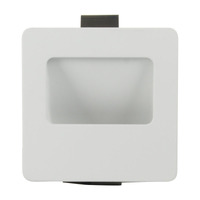
Learn more by watching our Oriel OL57117CH | DUO.2 Simple Wall Mounted Light Frosted Glass video.

I bought several of these oyster lights because they illuminate really well and have a slimline appearance that modernises any room.
Great looking light fitting and so easy to install, the extra fitting attachment for fitting into reccessed light hole is a greta idea even though all my lights had timber above so I didn't use them.
Great lights, easy to fit and very well priced. Fast delivery with great communication from Sparky Direct.
Trusted brands • Expert advice • Fast Australia-wide delivery • Trade pricing available
Shop Interior Lighting → Get Expert Advice →Yes, lighting colour and brightness significantly influence atmosphere and mood.
Sparky Direct supplies interior lighting Australia-wide, offering a wide range of reliable lighting solutions with convenient delivery.
Interior lighting is securely packaged and delivered via standard courier services.
Unused products are generally eligible for return according to the seller’s returns policy.
Warranty coverage varies by manufacturer and typically covers defects in materials or workmanship.
Interior lighting products are available individually and as coordinated ranges.
Yes, planning helps achieve even light distribution and the desired visual outcome.
Good lighting supports daily tasks, relaxation, and visual comfort.
LED interior lights generally require minimal maintenance due to long lifespans.
Yes, different lighting zones can be used to define areas within open spaces.
Lighting placement and brightness can make rooms feel larger or more intimate.
Yes, layering lighting types helps create balanced and functional spaces.
Yes, many designs suit modern, contemporary, and minimalist interiors.
Interior lighting refers to lighting products designed for use inside buildings to provide functional, ambient, and decorative illumination.
Choice depends on room function, ceiling height, desired brightness, and lighting style.
It improves comfort, visibility, and the overall look and feel of a space.
Modern LED interior lighting offers high efficiency compared to older lighting technologies.
Yes, options include recessed, surface-mounted, wall-mounted, and suspended fittings.
Some interior lighting products are dimmable when used with compatible dimmers.
Yes, interior lighting is available in warm white, cool white, daylight, and adjustable options.
Yes, LED lighting is the most common choice due to its energy efficiency and long lifespan.
Yes, interior lighting is widely used in offices, retail spaces, hospitality venues, and commercial buildings.
Yes, interior lighting is designed for homes including living areas, bedrooms, kitchens, and bathrooms.
Yes, interior lighting products are manufactured to meet relevant AS/NZS electrical and safety standards when installed correctly.
Common types include downlights, pendants, wall lights, batten lights, lamps, and feature lighting.