
Search Results:
Search Results:
Search Results:
Search Results:
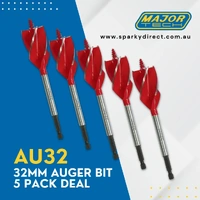
Auger drill bits are purpose-built for boring deep, controlled holes through timber. They cut faster and cleaner than general-purpose bits when the job involves studs, joists, top plates, bottom plates, noggins, and structural framing members. The bit pulls itself into the work, removes chips through the flutes, and leaves a hole with clean edges and consistent diameter.
The three working parts are simple to understand. The lead screw at the tip grips the timber and draws the bit forward. The cutting spurs score the outer edge of the hole before the main cutters lift the waste, and the spiral flutes carry chips back out of the bore so the bit keeps cutting cleanly.
An auger drill bit is a timber boring tool with a threaded lead screw, sharp cutting spurs, and deep spiral flutes that together pull, score, and clear the cut. The design suits electricians, builders, carpenters, plumbers, HVAC installers, and maintenance contractors. Trades reach for auger bits when hole depth, clean entry, chip removal, and directional control all need to work together on the same job.
Standard twist bits are useful for shallow holes, metal drilling, pilot holes, and smaller diameters. Auger bits are built for deeper timber boring, larger diameters, and repeated cable or pipe-routing holes. The lead screw, longer flutes, and dedicated timber geometry give auger bits a clear advantage on framing work that twist bits handle slowly or poorly.
Spade bits cost less and can be quick for rough, shallow holes. They tend to splinter the timber, clog in deep cuts, and pull the drill off line on long runs. Auger bits give cleaner holes, better chip clearance, less operator fatigue, and more reliable alignment, which makes them the safer choice for deep, repeatable trade work. Compare related options across the broader spade bit range when only shallow rough holes are needed.
Selecting an auger bit by diameter alone misses half the picture. The pattern, length, and feed style all affect how the bit behaves in different timbers and drills. The main families cover solid core auger bits, long reach auger bits, ship augers, self-feed auger bits, Scotch pattern bits, and heavy-duty auger bits built for repeated trade use.
Match the bit to the job rather than the price tag. Timber type, drill torque, shank fit, bore depth, and how often the bit will be used should all guide the choice.
Solid core auger bits are the everyday choice for electricians and builders working through studs, wall plates, and framing timber. Short and medium lengths cover most first-fix drilling tasks. Common diameters suit cable runs, conduit holes, and routine timber framing across both residential and commercial sites.
Long reach auger bits and ship augers handle deeper framing, multiple studs, joists, roof timbers, and wall cavities. They suit wall drilling, ceiling spaces, subfloor work, and cable routing across structural members. Longer bits demand better control and adequate drill torque to reduce binding and kickback risk on extended runs.
Self-feed auger bits use an aggressive lead screw to pull through timber quickly with less operator pressure. Standard auger bits offer a more controlled feed that helps in harder or variable timber. Self-feed styles suit repetitive trade drilling where speed matters, and more controlled auger patterns work better for precision or difficult timber where finish quality counts.
Softwood framing usually drills quickly with a standard auger bit. Hardwood, LVL, treated pine, and dense engineered timber call for sharper edges, more durable bit construction, and higher torque drills. A dull bit increases heat, wandering, splintering, binding, and drill strain regardless of timber type.
Auger drill bits cross many trades, with electricians using them most often for cable routing through timber framing. Builders, plumbers, HVAC installers, and renovators reach for them whenever timber needs a deep, clean hole. The product range at Sparky Direct supports electrical first-fix work first, with broader construction use covered as well.
Electricians rely on auger bits during first-fix wiring when cable routes pass through studs, joists, top plates, bottom plates, noggins, and ceiling or subfloor framing. Typical jobs include TPS cable runs, data cabling, conduit pathways, security cabling, and control wiring, where clean holes protect cable jackets and keep installations tidy.
Builders and carpenters use auger bits for timber framing, pergolas, decking, fencing, posts, and beam preparation. Clean deep holes help with bolts, fixings, service penetrations, and accurate alignment. Repeat work benefits from auger bits because tear-out stays low and holes remain consistent across the job.
Larger-diameter auger bits suit pipe routes, condensate lines, small service penetrations, and HVAC drain paths where appropriate. Drilling through structural elements must account for engineering, location, and building requirements. Qualified trade assessment is essential where structural members are involved, since hidden services and load-bearing timber both call for professional judgement.
Informed renovators use auger bits for timber drilling tasks during a renovation. Electrical installation, cable routing, switchboard work, fixed wiring, and any compliance-related job must be completed by a licensed electrician. Use auger bits for safe, non-electrical timber drilling and engage qualified trades for any electrical work to keep the project compliant and safe.
Auger bit size depends on the diameter required for the cable, conduit, pipe, fixing, or clearance hole. Hole position, timber type, and clearance also play a part in the right selection. Licensed electricians must determine cable routing and compliance requirements for fixed wiring under AS/NZS 3000.
Timber thickness, cable group, conduit diameter, and required clearance all drive the choice. Many electrical cable-routing tasks use 20mm and 25mm auger bits, but the correct size still depends on the specific job. Holes through studs and joists must maintain structural integrity and meet relevant building and electrical requirements.
Short auger bits work well in confined framing spaces and right-angle drilling. Long reach auger bits suit deeper wall, joist, roof, and subfloor applications. Extensions are useful where the shank and drill suit them, with care around torque and alignment, since mismatched extensions can flex, wander, or fail at the connection under load.
Shank choice affects performance, safety, and control, with drill chuck capacity, available torque, and the type of work all mattering for the right fit. The wrong shank for the drill leads to slipping, poor cut quality, and avoidable risk, so it is worth checking the shank specification before ordering, especially for larger bits.
Hex shanks improve grip in the chuck and reduce slipping under high torque, which makes them suitable for many modern cordless drills and quick-change systems where compatible. The shank size must match the chuck or holder, and hex shanks remain popular for trade users running a mixed kit of timber boring bits across different drills.
Round shank auger bits are the common timber-drilling option for standard chucks, while SDS systems normally pair with masonary drill bits for masonry work, not standard timber augers. Use SDS-compatible timber bits or adaptors only where the product listing confirms this, and always check shank type before ordering to avoid a mismatch on site.
Larger-diameter and longer auger bits demand higher torque and better control, so high-torque cordless drills, corded drills, and right-angle drills all suit trade use depending on access. Use auxiliary handles where available, keep a stable stance, and stay alert for binding and kickback when working through deep holes or dense timber.
Safety reminder: Large auger bits can produce significant reaction torque. Brace the drill, set a firm grip on the auxiliary handle, and be ready for the bit to bind or kick if it strikes a nail, knot, or hidden service.
Timber density, moisture, treatment, embedded debris, and engineered materials all change how an auger bit performs. Look for sharp spurs, a strong lead screw, robust flutes, proper heat treatment, and quality steel when the work is demanding or repetitive across multiple sites.
Softwood is the common timber in Australian framing, and self-feeding auger bits work efficiently in clean softwood when the geometry stays sharp. Maintain chip clearance and avoid excessive feed pressure to prevent binding, since softwood rarely strains a quality bit unless the cutting edges have dulled.
Hardwood needs sharper cutting edges, slower feed, stronger drills, and more durable bit construction, with heavy-duty auger bits being the right choice for repeated hardwood drilling. Forcing a dull bit overheats the tool, damages the bit, and increases binding, so replace or sharpen worn bits before tackling hardwood for clean cutting and safer operation.
Heavy-duty auger bits combine stronger steel, robust flute design, a reinforced shank, durable cutting edges, and a reliable lead screw, which keeps them cutting cleanly under daily contract use. Contractors drilling across job sites benefit from buying spares or bulk packs to reduce downtime, since a small kit of common sizes keeps the truck stocked for varied work.
Good technique extends bit life and improves cut quality. Avoid forcing the bit, clear chips on deep holes, and look after the cutting edges and lead screw after each job. Clean storage prevents damage between uses and helps the bit perform on the very first hole next time the kit comes out of the van.
Clogging usually comes from too much feed pressure, deep drilling without clearing chips, wet timber, resin, or dull cutting edges. Use a steady feed, back the bit out periodically to clear chips, and let the flutes carry waste out of the bore. Clean off resin and timber buildup after use to keep the flutes working at full capacity.
Sharpening focuses on the cutting lip and the spurs while preserving the lead screw geometry. The right approach is a suitable file or sharpening tool, not aggressive grinding that changes the cutting profile. Replace badly damaged bits where sharpening will not restore clean cutting, since a well-sharpened bit feels noticeably easier to start and run on the next hole.
Wipe bits clean after use, dry them before storage, and lightly protect steel surfaces where suitable, then keep cutting tips protected in a roll, case, or organiser. Loose storage in a tool bag blunts spurs and damages lead screws over time, so pair good storage with a quick visual check before each use.
Buyers researching auger bits often weigh up alternatives such as twist bits, spade bits, Forstner bits, hole saws, and self-feed bits. The table below outlines where each bit type sits relative to auger bits for typical trade tasks.
| Bit Type | Best For | Relative to Auger Bits |
|---|---|---|
| Auger Bits | Deep, clean timber boring | Reference category |
| Twist Bits | Shallow holes, smaller diameters, metal | Better for small or shallow work |
| Spade Bits | Quick, rough, shallow timber holes | Cheaper but less clean and controlled |
| Forstner Bits | Flat-bottomed and decorative holes | Better for finish work, not deep boring |
| Hole Saws | Large-diameter holes in panels | Better for big openings in thin material |
| Self-Feed Bits | Fast, repetitive timber boring | Faster but less controlled feed |
Twist bits handle smaller and shallower holes well, while auger bits clear chips better, hold alignment over longer cuts, and remove waste faster on deep bores. For trade service runs through framing, auger bits are the practical choice because they keep the drill on line and the hole edges clean.
Spade bits are quick and cheap for rough, shallow holes, while auger bits give cleaner edges, better chip clearance, less splintering, and lower operator fatigue on deep work. Electricians and builders running cable through framing benefit from the control auger bits provide on repeat holes through hidden timber.
Hole saws cut larger-diameter openings through panels and sheet materials, while Forstner bits leave flat-bottomed or decorative holes for joinery work. Auger bits remain the best choice for deep timber boring through framing members, so the right tool depends on the diameter, depth, and finish needed for the specific job. Browse the broader range of hole saw kits or arbor hole saws when larger openings are required.
Sparky Direct supplies auger drill bits to electricians, builders, contractors, and informed buyers across Australia. The range covers common diameters and lengths suited to first-fix electrical work, framing tasks, and timber boring on renovation jobs. Trade-grade options sit alongside affordable choices, so crews can pick the right balance of price and durability for the work in front of them.
Keeping common sizes on hand supports first-fix electrical work, renovations, maintenance teams, and multi-site jobs. Bulk ordering reduces delays and keeps crews productive when a bit is lost, blunted, or broken on site. Many trade buyers pair auger bits with other timber-boring tools, driver bits, and hole saws to cover the full range of trade tasks on the truck.
The cheapest bit may wear faster, cut poorly, clog more easily, or slow down trade work. Real value means clean cutting, durability, reliable shank fit, correct size availability, and fast supply. A bit that lasts three jobs and saves an hour each time costs less than a bargain bit that fails on day one. Reliable online sourcing matters when product details and stock visibility are clear from the start.
Sparky Direct ships orders nationwide with the speed that trade crews need when a job is on the clock. Order the right diameter and length once, keep a few spares on the truck, and the next deep hole takes minutes rather than half an hour.
Auger bits work hard and can produce significant torque. Sensible work practice keeps tools, timber, and operators in good shape. Electrical work has additional legal requirements in Australia that must be respected on every job.
Wear eye protection, set a stable footing, keep a secure work position, and maintain steady drill control. Stay alert for bit binding, especially when the bit meets a nail or knot. Check for existing services before drilling through walls, floors, or framing. Hidden wiring, plumbing, gas lines, and structural elements call for care and professional judgement.
Drilling for fixed electrical wiring must be planned and completed by a licensed electrician where required by Australian law. Work must comply with AS/NZS 3000, with attention to cable protection, route selection, and structural considerations. Focus product selection on the right bit for the job and engage qualified trades for the installation.
Holes through studs, joists, rafters, beams, and engineered timber must not compromise structural integrity. Follow applicable building requirements, engineering guidance, and manufacturer instructions for engineered timber. Take care around edges, high-load zones, and structural connections to avoid weakening the member.
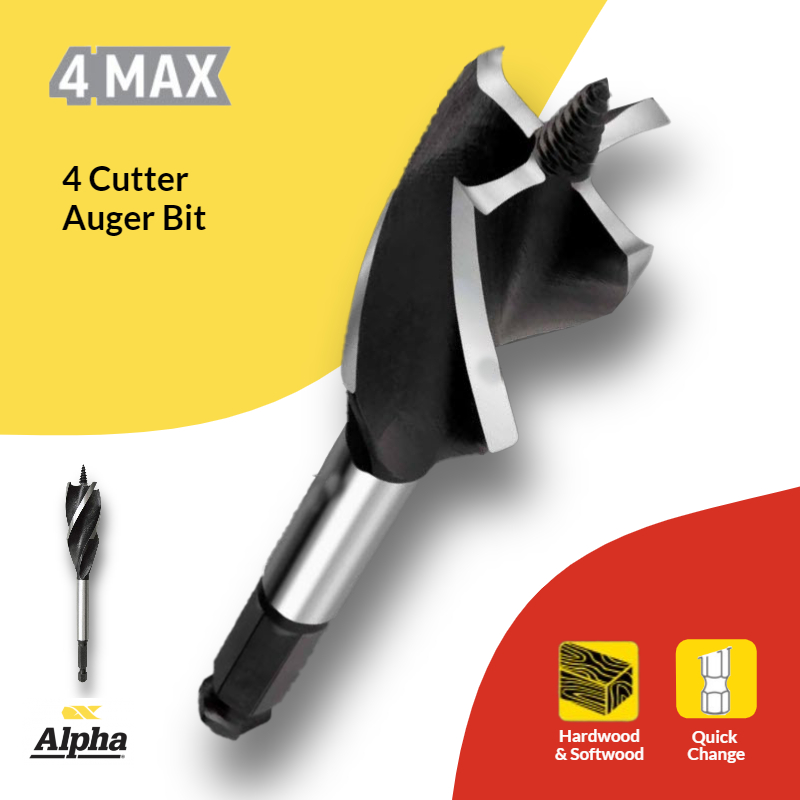
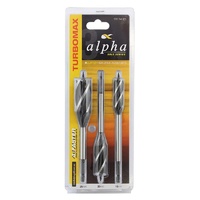
Watch 3 Piece 4 Cutter Auger Bit 16, 20, 25mm | 4MAX | TurboBore TS4C-SET3 video
Watch 20mm 4 Cutter Auger Bit | 4MAX | TurboBore TS4C-20 video
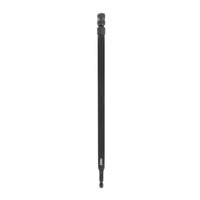
Watch Pro lock TS08-EXT300LK7 | 300mm 1/4in Electricians 7 Piece Locking Extension Bar Kit video

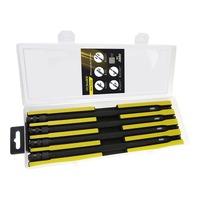
Excellent at doing what they’re designed to do. Haven’t had any come apart in a wall cavity after a few uses now. Probably the best you’ll find that’s fit for purpose. My only minor complaint is the case they come in is useless at holding the rods in position. As soon as the case is stood up and not Flat they all come loose and clank around. Also noticing surface rust on the shaft after a few uses, so keeping them oiled is a must.
Honestly surprised there's no competitive product to vs this, so simple but effective. They screw and lock together and get in the tight spaces. Would be nice if they made a couple of 600 or 800mm aswell
These are an absolute game changer, i’ve donated a fair few extension bits to clients in the past but how these connect to eachother makes it great knowing i can get multiple uses out of them.
Quality products in stock • Fast Australia-wide delivery • Competitive trade pricing
Browse Auger Drill Bits → Get Expert Advice →