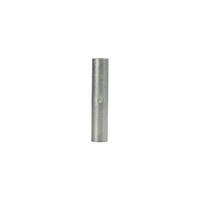


1.5mm
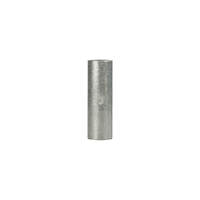
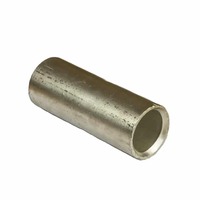
TuffStuff CLINK1.5 | Copper Crimp Link | 1.5mm Conductor Joiner.. Discontinued
$0.22
$0.20 ex. GST
Search Results:
Search Results:
Find the best electrical test equipment here at Sparky Direct. [ Read More ]
A professional electrician relies on several key instruments daily. These are not luxury items. They are the tools that confirm safe working conditions and verify compliant installations.
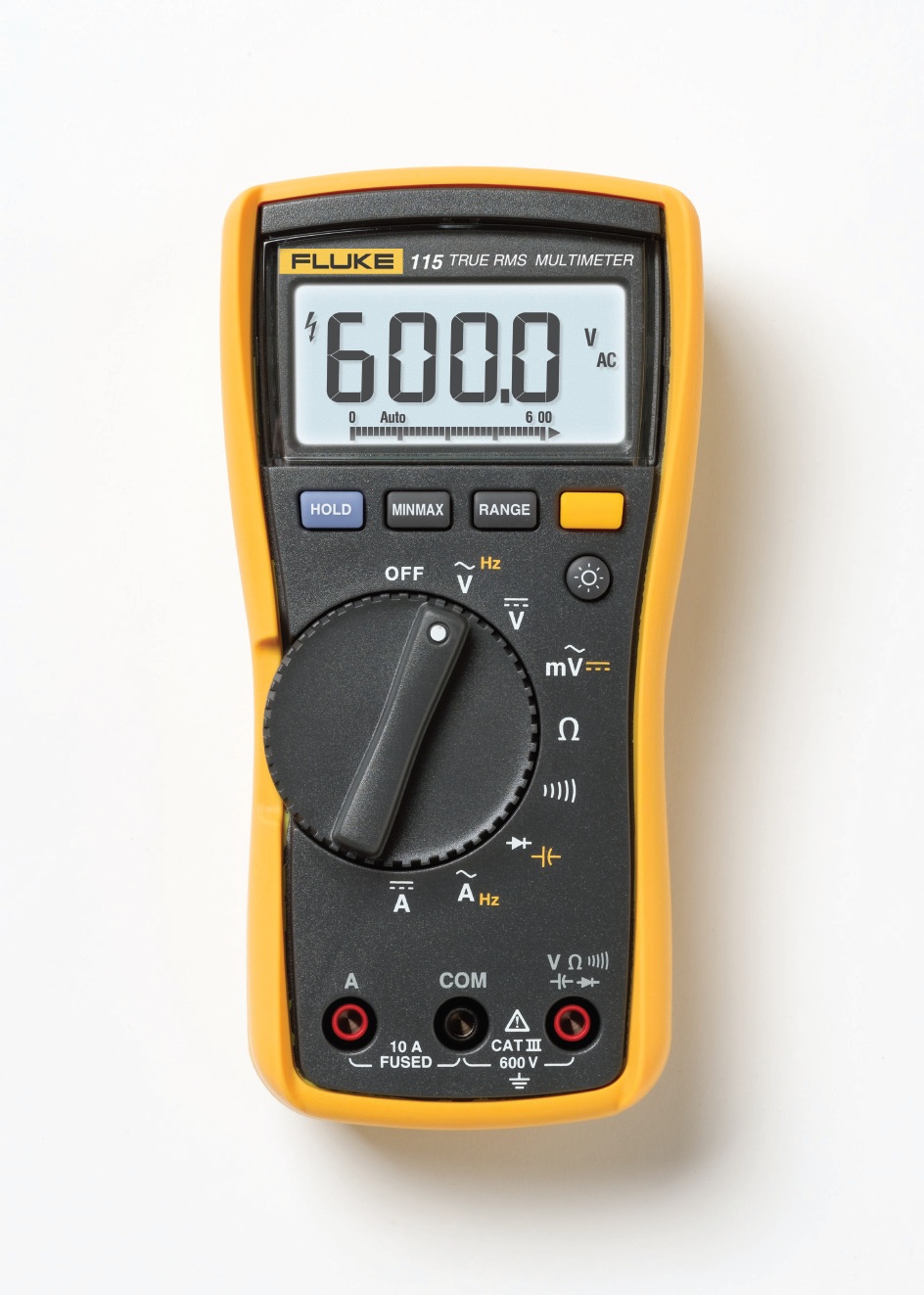
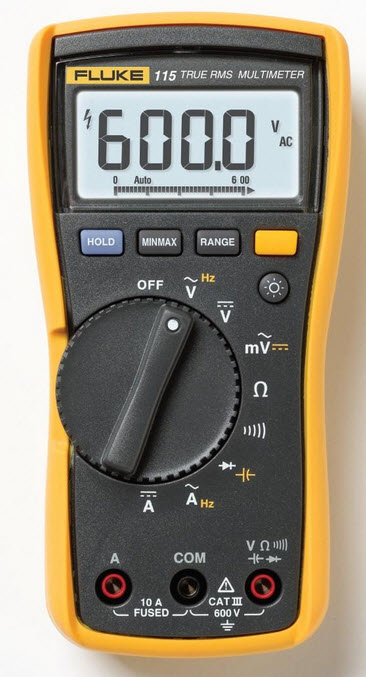
A digital multimeter measures voltage, current, and resistance. For most electricians, it is the single most-used piece of test equipment on the job. Modern DMMs also measure capacitance, frequency, temperature, and continuity. Sparky Direct carries a wide selection of multimeters from brands including Fluke, Major Tech, and Klein Tools.
Key specifications to check include input impedance (high impedance prevents loading the circuit), true RMS capability for accurate readings on non-sinusoidal waveforms, and CAT rating for the environment you are working in.
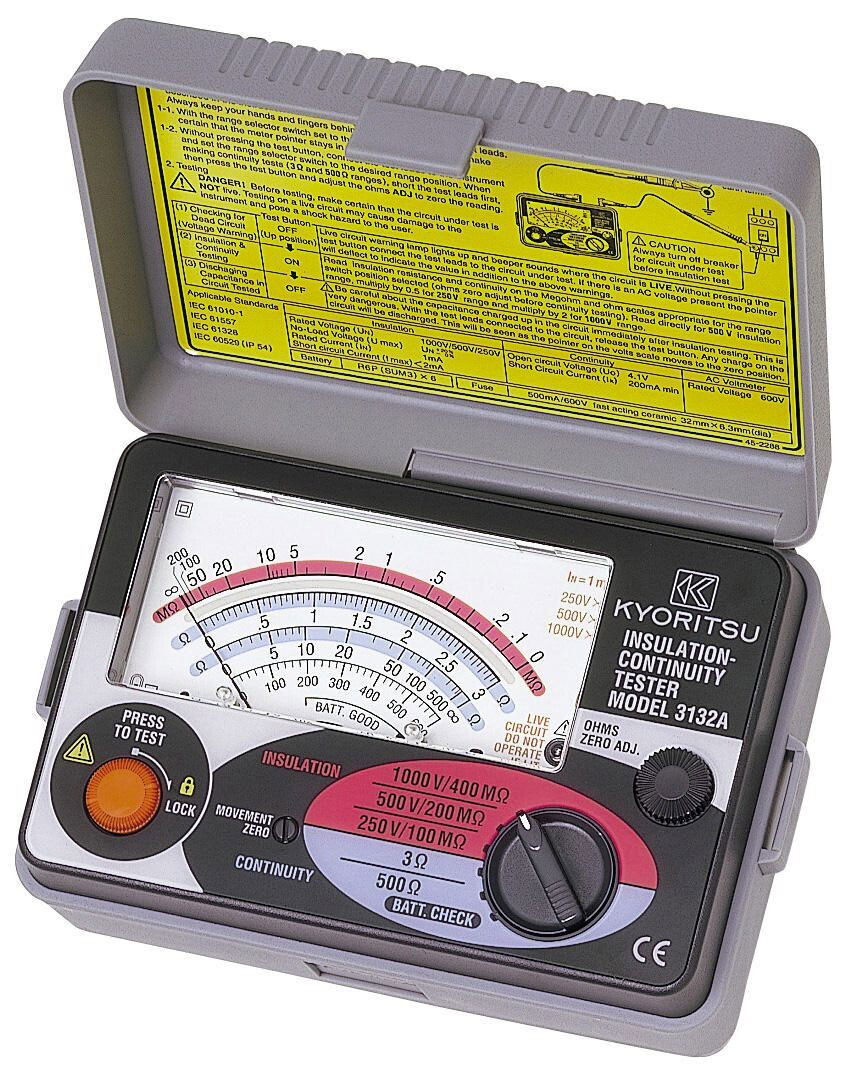
An insulation tester applies a high DC voltage across insulation and measures the resulting resistance in megohms. It identifies degraded, damaged, or contaminated insulation that would not show a fault under normal operating voltage. Insulation testers are essential for new installation verification, periodic testing of ageing wiring, and pre-energisation checks on motors and transformers.
Test voltages commonly used in Australian domestic and commercial work are 500V and 1000V. Results below 1 megohm typically indicate a problem requiring further investigation.
Earth loop impedance testing confirms that a fault-to-earth will cause the protective device to operate within the time required by AS/NZS 3000:2018. The tester injects a test current into the circuit and measures the total impedance of the earth fault loop. Inadequate loop impedance means a fault may not trip the circuit breaker fast enough to protect people and property.
Multi-function testers such as the Kyoritsu 6010B combine loop impedance testing with RCD testing, insulation testing, and continuity testing in a single instrument.
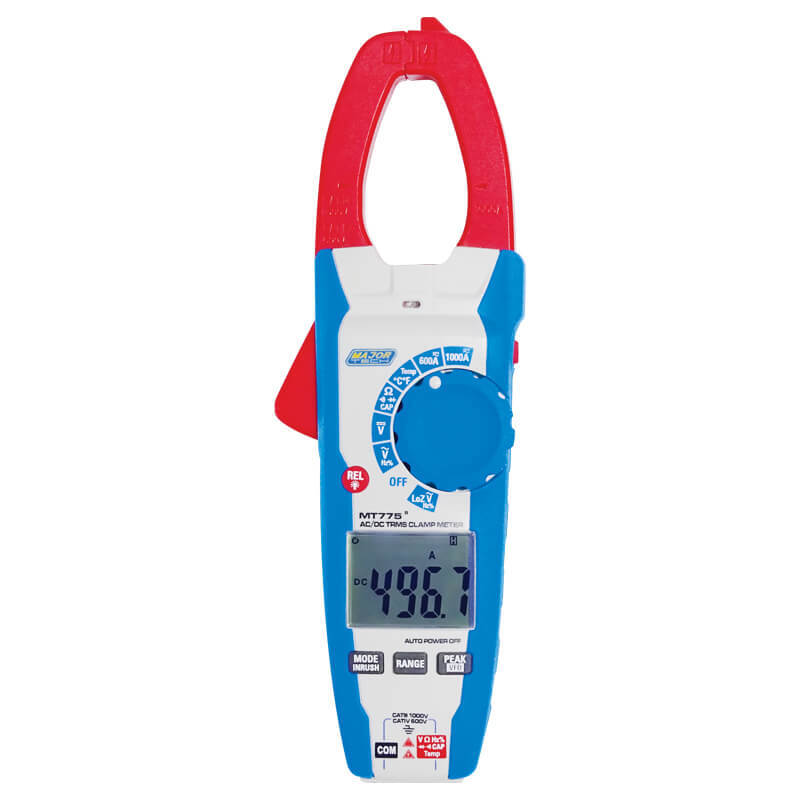
A clamp meter measures current without breaking the circuit. The jaws clamp around a conductor and measure the magnetic field produced by current flow. This makes clamp meters ideal for measuring high currents safely and for load monitoring without disconnecting cables. Sparky Direct stocks clamp meters with AC-only and AC/DC true RMS capability for solar and battery applications.
Some jobs require instruments beyond the standard kit. Specialised test equipment extends diagnostic capability for complex fault finding and power quality work.
Power quality analysers monitor voltage and current waveforms over time and record events such as voltage sags, swells, harmonics, and transients. They are used in industrial and commercial environments where power quality problems cause equipment failures, nuisance tripping, or excessive energy consumption. Sparky Direct carries special purpose meters for these applications.
A multi-function tester combines insulation resistance testing, loop impedance testing, RCD testing, and continuity testing in one instrument. This reduces the number of tools carried to site and speeds up compliance testing on completed installations. The Kyoritsu 6010B is a popular 5-in-1 unit used by many Australian electricians.
Thermal imaging cameras detect heat anomalies in electrical panels, switchboards, and cable connections without contact. Hot spots caused by loose connections, overloaded circuits, or failing components show clearly as temperature differentials. Regular thermographic surveys are used in preventive maintenance programs for industrial and commercial facilities.
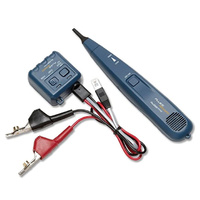
Fault locators and circuit tracers help identify specific circuits at a switchboard and locate cable faults or breaks without demolition. Tone and probe testers inject a tone signal into a circuit, which a probe detects through walls, floors, and conduit. Klein Tools and Cabac both supply tone and probe kits available through Sparky Direct.
Selecting test equipment involves more than comparing prices. The wrong tool for the job produces unreliable results and, in some cases, creates serious safety risks.
Residential work primarily requires a multimeter, insulation tester, and loop impedance or RCD tester for compliance purposes. Industrial work demands a wider kit: true RMS clamp meters capable of measuring harmonic-rich waveforms, high-voltage insulation testers, and power quality analysers for three-phase systems. The measurement ranges and safety ratings also differ between these environments.
Electrical test instruments are categorised under IEC 61010 according to the overvoltage category of the circuit they are designed to safely measure. Category IV covers supply entry points and outdoor conductors. Category III covers distribution boards and fixed industrial equipment. Category II covers single-phase supply connections and appliances. Category I covers electronic circuits.
Always select a meter with a CAT rating appropriate for the highest-risk measurement you will make. A CAT II meter used on a distribution board is not safe. Look for instruments rated CAT III 600V or CAT III 1000V for most trade work.
CAT IV: Overhead lines, cable entry points, service heads.
CAT III: Distribution boards, fixed industrial equipment, three-phase supplies.
CAT II: Appliances, socket outlets, portable equipment.
CAT I: Electronic circuits, signal levels.
Higher CAT numbers indicate protection against higher-energy transients. A CAT III meter can also be used in CAT II environments but not vice versa.
Accuracy is expressed as a percentage of the reading plus a number of digits. A specification of 0.5% + 2 digits means the reading may be off by 0.5% of the displayed value, plus 2 counts of the last digit. Resolution refers to the smallest change the meter can detect. A 4.5-digit display provides ten times the resolution of a 3.5-digit display for voltage measurements.
For general electrical trade work, an accuracy of 0.5% to 1.0% for voltage and 1.5% to 2.0% for current is typically sufficient. Calibration laboratory work requires significantly tighter specifications.
Entry-level test equipment suits occasional or light use. For daily trade use, a professional-grade instrument from brands like Fluke, Kyoritsu, or Major Tech will outlast several entry-level units and maintain calibration longer. Consider the cost of replacement test leads, calibration fees, and the risk of downtime from failed equipment when comparing purchase price.
| Factor | Entry Level | Professional Grade |
|---|---|---|
| Typical price range | Under $100 | $200 to $800+ |
| CAT rating | CAT II or unrated | CAT III / CAT IV |
| True RMS | Often absent | Standard feature |
| Expected service life | 1 to 3 years | 5 to 15+ years |
| Calibration support | Limited | Manufacturer supported |
Understanding what makes a test instrument reliable helps you evaluate options and identify problems with equipment already in use.
A quality instrument produces consistent readings when measuring a stable source. If a meter shows fluctuating readings on a known steady voltage, the problem may be worn contacts, damaged input circuitry, or a fault in the test leads. Stability is particularly important for insulation resistance testing, where a slowly climbing reading indicates the insulation is charging correctly, while an erratic reading may indicate a problem.
Professional test instruments are designed for site conditions. Look for rubber overmoulding for drop protection, sealed cases for dust and moisture resistance, and battery compartments with tool-free access. Instruments rated IP54 or higher offer meaningful protection on construction sites and in switchrooms. Cheaper instruments often use thin plastic enclosures that crack on the first significant drop.
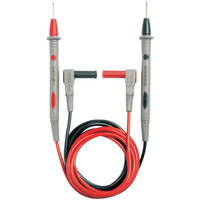
Test leads are the most frequently damaged part of any test instrument. Leads should be rated to the same CAT category as the meter. Quality leads use silicone insulation that remains flexible in cold conditions and resists cuts from sharp panel edges. Spring-loaded shrouded probes prevent accidental contact with adjacent conductors. Replace leads that show cracked insulation or intermittent continuity immediately.
Fluke, Kyoritsu, and Major Tech are established test equipment brands with documented calibration programs and available spare parts. Cabac distributes several of these brands in Australia. Choosing a brand with local calibration support means your instrument can be verified traceable to national standards, which is required for compliance testing on some projects.
Test equipment problems often appear as measurement anomalies rather than obvious failures. Knowing the common causes saves time on site.
Unstable readings are frequently caused by damaged test leads rather than a faulty meter. Check leads for continuity by measuring a known low resistance. Also check that the input terminals are clean and that the rotary selector is fully engaged in the correct position. On digital meters, a low battery can cause instability across all functions before the low-battery indicator appears.
Most digital test instruments run on AA or AAA batteries. Alkaline batteries provide the most consistent performance. Rechargeable NiMH batteries have a lower terminal voltage (1.2V versus 1.5V for alkaline) which can cause early low-battery warnings or measurement errors in some meters. When battery life is critical on extended jobs, carry spare alkaline batteries rather than relying on rechargeables.
High-impedance digital multimeters can display phantom voltages on de-energised circuits running alongside energised cables. This is capacitive coupling from adjacent conductors and does not indicate that the circuit is live. Use a low-impedance voltage tester (often called a tic tracer or a Lo-Z meter) to confirm whether a voltage reading represents a genuine hazard or capacitive pickup.
Safety Note: Never rely solely on a single voltage measurement to confirm a circuit is de-energised. Use a proven voltage tester, verify against a known live source, and apply safe isolation procedures as required by AS/NZS 3000:2018 before commencing work on any circuit.
Test instruments can drift out of specification over time, particularly if subjected to overload, dropped, or stored in high-humidity environments. An instrument that reads consistently but incorrectly is more dangerous than one that obviously malfunctions, because readings appear plausible. Annual calibration by an accredited laboratory catches drift before it causes compliance failures or missed faults.
Test equipment purchasing decisions benefit from a longer-term view. The cost of a single wasted service call often exceeds the price difference between entry-level and professional-grade instruments.
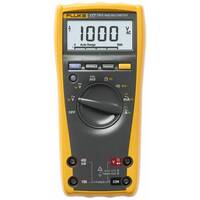
Entry-level instruments are appropriate for apprentices learning measurement techniques, homeowners doing occasional checks, or as backup meters. For electricians who rely on accurate measurements every working day, professional instruments from recognised brands deliver consistent accuracy, better safety ratings, and longer service life. A Fluke 117, for example, is a compact true RMS multimeter designed specifically for electricians, with LoZ mode to eliminate phantom voltage readings.
When comparing instruments at similar price points, prioritise true RMS measurement, CAT rating, display resolution, and available accessories over feature count. A meter with 12 functions and poor accuracy is less useful than a meter with 6 functions and reliable, stable readings. Review the available calibration service options before purchasing any instrument intended for compliance work.
Test instruments last significantly longer when maintained correctly. Most failures in professional instruments are preventable.
Before each use, inspect the instrument case for cracks or damage, check all test lead insulation for cuts or abrasion, verify that connectors are fully seated, and confirm the battery condition indicator. On insulation testers and loop impedance testers, confirm the self-test function operates correctly. Do not use an instrument that shows physical damage or produces obviously incorrect self-test results.
Australian Standard AS/NZS 61010 requires test instruments used for compliance testing to be maintained within the manufacturer's specified accuracy. Calibration by an accredited laboratory provides a traceable certificate confirming the instrument meets its specification. Most manufacturers recommend calibration every 12 months. Some project specifications and energy retailer requirements mandate shorter intervals. Keep calibration records with the instrument.
Store test instruments in a clean, dry environment away from direct sunlight and temperature extremes. Remove batteries from instruments stored for extended periods to prevent leakage damage to internal contacts. Soft cases protect instruments during transport but do not protect against heavy impacts. Hard cases with foam inserts are the better option for instruments carried in vehicles daily.
Understanding how test equipment is used in practice helps you choose instruments that match the work you actually do.
Effective fault finding starts with a systematic approach. A multimeter confirms supply voltage at the source, then traces through the circuit identifying where voltage is absent or incorrect. An insulation tester identifies wiring faults that are not visible to the eye. A clamp meter confirms that current flows and is within expected limits once the circuit is restored. Circuit tracers locate specific cable routes and identify which breaker controls which circuit without pulling boards apart.
Completed electrical installations in Australia require testing before energisation and issue of a certificate of compliance. The standard test sequence includes: continuity of protective conductors, insulation resistance of wiring, polarity, earth electrode resistance where applicable, and loop impedance with RCD operation time. A multi-function tester or a combination of a loop tester, insulation tester, and RCD tester covers this sequence. Sparky Direct stocks shop all test equipment to build a complete compliance testing kit.
Power quality issues are common in commercial and industrial environments with variable-speed drives, UPS systems, and switched-mode power supplies. These loads generate harmonics that cause overheating in neutral conductors, nuisance tripping of circuit breakers, and reduced equipment life. A power quality analyser captures the waveform data needed to identify and quantify these problems, enabling corrective action such as harmonic filters or load rebalancing.
Using test equipment correctly and safely is as important as having the right instrument for the job.
AS/NZS 3000:2018 (the Wiring Rules) specifies the testing requirements for new and altered electrical installations in Australia. AS/NZS 61010 sets the safety requirements for electrical equipment used for measurement, control, and laboratory use, including the CAT rating system. Both standards apply directly to how electricians select and use test instruments. Understanding these standards ensures test results are valid and that the instruments themselves are used within safe operating limits.
Safe isolation before testing is fundamental. Confirm the circuit is isolated, apply lockout/tagout where required, verify isolation with a proven voltage tester on a known live source before and after testing the de-energised circuit, and only then proceed with insulation or continuity tests. Never use a meter rated below the voltage present in the system you are testing. Follow the sequence: test the meter on a known source, test the circuit, re-test the meter on the known source to confirm it is still functioning correctly.
Test equipment does not replace PPE. When working on or near energised equipment, arc flash and shock hazards remain present. Appropriate PPE for the arc flash incident energy level at the point of work is required regardless of the instruments being used. Voltage-rated gloves, face shields, and flame-resistant clothing are required for energised work. Review the risk assessment for each task before selecting instruments and PPE.
Site conditions affect measurement accuracy and instrument reliability. Understanding these effects helps you get consistent results and protect your equipment.
Test instruments are specified for an operating temperature range, typically 0 to 50 degrees Celsius. Outside this range, accuracy may degrade and the display may behave erratically. High humidity increases the risk of condensation inside the instrument, which can cause corrosion and false readings. Many professional instruments include a humidity specification, typically up to 80% relative humidity non-condensing.
Construction sites expose test equipment to dust, moisture, concrete dust, and physical impacts. Instruments with IP ratings of IP54 (dust protected, splash proof) or better handle these conditions more reliably than unrated units. The IP54 rating is common in professional-grade test instruments. IP67 units provide full immersion protection for extreme environments. Check the IP rating on the product specification before purchasing for harsh-environment work.
Even instruments with high IP ratings benefit from protective cases and regular cleaning. Wipe down instruments after use in dusty environments. Inspect and clean input terminals with a dry cloth. Avoid leaving instruments in direct sunlight inside vehicles as temperatures in enclosed spaces can exceed the maximum storage temperature for batteries and electronics. A tool bag or hard case protects against impacts and keeps accessories together.
Sourcing test equipment from a reliable supplier affects product availability, delivery time, and post-purchase support.
Electrical wholesalers provide trade pricing, same-day counter pickup, and product knowledge from staff familiar with trade requirements. Sparky Direct combines these advantages with online ordering and Australia-wide delivery. Unlike general online marketplaces, Sparky Direct focuses exclusively on electrical products, which means the range is curated for the trade. Electrical test equipment is stocked across brands including Fluke, Major Tech, Kyoritsu, Klein Tools, and Cabac.
A reliable supplier maintains stock of the products listed, provides accurate product specifications, and supports returns or warranty claims without friction. For test equipment, the ability to confirm calibration status and access replacement accessories such as leads, probes, and cases is also important. Sparky Direct offers electrical tools and voltage testers with competitive trade pricing and stock information available online before ordering.
Sparky Direct delivers Australia-wide including to regional and remote locations. For contractors fitting out multiple teams, bulk pricing is available. Electrician hand tools and test equipment can be ordered together, reducing freight costs and consolidating supplier relationships. Contact Sparky Direct for volume pricing on larger orders.
Test equipment technology continues to evolve. Several trends are already visible in products available to Australian electricians.
Bluetooth-enabled multimeters and insulation testers allow measurements to be logged directly to a smartphone app, eliminating manual transcription errors. Major Tech offers Bluetooth-enabled insulation testers and clamp meters that integrate with mobile apps for data capture and report generation. This capability is particularly useful for periodic testing regimes where documented results are required for compliance records.
Some advanced instruments now incorporate pattern recognition to flag abnormal readings or suggest likely fault causes based on measurement sequences. This functionality is currently more common in power quality analysers and thermal cameras than in handheld instruments, but the trend toward guided diagnostics is accelerating as processing power in portable devices increases.
The consolidation of multiple test functions into a single ruggedised platform reduces the number of instruments carried to site. Multi-function testers that combine insulation resistance, loop impedance, RCD, continuity, and voltage measurement in one unit are now well-established. The next generation of these platforms is incorporating wireless connectivity, internal memory for hundreds of test results, and USB or Bluetooth data export for direct integration with compliance documentation software.
Watch Fluke 117 | Compact Digital Multimeter Designed for Electricians video
Watch Major Tech MT550 | 1000V Digital Insulation Tester video
Watch Kyoritsu 6010B | 5 In 1 Digital Multifunction Tester video

The Fluke tester is an excellent tool for anyone serious about electrical safety. It's incredibly easy to use - just plug it in, and within seconds, it confirms if the wiring is correct or alerts you to any issues. The beeper feature adds an extra layer of confidence, especially when you're quickly testing multiple sockets. The design feels sturdy, and it's compact enough to fit into any toolbox. It gave me peace of mind knowing all my sockets are safe. Highly recommend for both professionals and homeowners looking for a reliable socket tester.
Rugged and great functionality built into this meter. The app for retrieving data could be a little better. For example it would be nice if there were more options for what data you could retrieve from the meter, like when capturing data on the meter being able to send that later to the app would be great. But a very impressive and comprehensive meter for this price. Definitely recommend for anyone needing a good all rounder and works in solar, HVAC or power analysis.
You can pay a lot more for an Insulation and Continuity Tester, this is my second Kyoritsu (first one was over 12 years old) and it's a good mid-range piece of testing equipment that doesn't let you down. In my previous job I had 86 electrical apprentices, and they were all issued a Kyoritsu. It stood the test of time with very little trouble. This one will see me out now I am retired.
Quality products in stock • Fast Australia-wide delivery • Competitive trade pricing
Browse Electrical Test Equipment → Get Expert Advice →Most tools are designed for straightforward operation, but proper training and understanding are important.
Sparky Direct supplies electrical test equipment Australia-wide, offering reliable tools for licensed electrical professionals.
Test equipment is securely packaged and delivered via standard courier services.
Unused equipment is generally eligible for return in line with the seller’s returns policy.
Warranty coverage varies by manufacturer and typically covers defects in materials or workmanship.
Electrical test equipment is available as individual instruments or bundled kits.
Regular inspection, battery replacement, and calibration help maintain performance.
Basic testers may be used for simple checks, but electrical work must be carried out by a licensed electrician.
Yes, they are commonly used to identify faults, verify circuits, and confirm repairs.
Most electrical test equipment is compact and designed for easy transport on job sites.
With regular use, leads and components can wear and should be inspected regularly.
Yes, under supervision and training, apprentices commonly use test equipment as part of learning.
Incorrect use, damaged leads, or lack of calibration can affect accuracy.
Electrical test equipment is used to measure, test, and verify electrical circuits, systems, and components for safety and performance.
Choice depends on the type of work, voltage levels, and the measurements required.
Reliable test equipment helps ensure accurate readings and safer working conditions.
Electrical test equipment is essential for verifying safety and compliance during electrical work.
Some equipment is designed for testing live circuits, but correct ratings and safe work practices must be followed by licensed electricians.
Digital testers offer clearer readings and additional features, while analogue testers may suit simpler applications.
Some test equipment requires periodic calibration to maintain accuracy, depending on manufacturer recommendations.
Yes, provided the equipment is correctly rated for the installation type and voltage levels.
CAT ratings indicate the level of transient voltage protection and the environments the test equipment is designed for.
Yes, test equipment is rated by measurement range and safety category, which should match the intended electrical environment.
Many electrical test instruments are designed and tested to relevant AS/NZS standards, depending on the device and application.
Common types include multimeters, voltage testers, insulation testers, continuity testers, and clamp meters.