
Search Results:
Search Results:
Search Results:
Search Results:
A battery is an electrochemical cell, or a series of cells, that stores energy in chemical form and releases it as electrical current when connected to a circuit. Every battery relies on a controlled reaction between two electrodes separated by an electrolyte. Understanding the basic mechanism helps when matching a battery to a device, especially for trade applications where runtime and reliability matter.
Every cell contains three core components. The anode is the negative electrode where oxidation occurs, releasing electrons. The cathode is the positive electrode where reduction occurs, accepting electrons. The electrolyte is the conductive medium between them, allowing ion flow while preventing direct electron transfer. The combination of materials used for these components determines the cell's voltage, capacity, and shelf life.
When a battery is connected to a load, the chemical reaction inside the cell drives electrons through the external circuit from anode to cathode. This electron flow is the electric current that powers the device. Inside the battery, ions move through the electrolyte to balance the charge. The reaction continues until one of the active materials is depleted in a primary cell, or until the cell needs recharging in a rechargeable cell.
Voltage is the electrical pressure a cell produces, measured in volts. Capacity is the amount of charge a battery can deliver, measured in milliamp hours (mAh) or amp hours (Ah). Energy storage is the product of voltage and capacity, expressed in watt-hours (Wh). A higher capacity means longer runtime at the same load, while a higher voltage means more power delivered per unit of current.
Batteries fall into two broad families based on whether the chemical reaction inside the cell is reversible. The choice affects upfront cost, total cost of ownership, environmental impact, and suitability for specific devices.
Primary batteries are designed for single use and cannot be recharged. Once the active materials are consumed, the cell is discarded. Common chemistries include alkaline, lithium primary, and zinc-carbon. Primary cells are simple, reliable, and have long shelf lives, making them ideal for low-drain devices and emergency equipment.
Rechargeable batteries use reversible chemical reactions, allowing them to be discharged and recharged hundreds or thousands of times. Major chemistries include nickel-metal hydride (NiMH), lithium-ion, and lead acid. Rechargeable cells suit high-drain or frequent-use devices where the cost and waste of disposable cells would be excessive.
Primary cells cost less per unit and require no charging infrastructure. Rechargeables cost more upfront but deliver lower cost per cycle over time. The right choice depends on usage frequency, the criticality of the device, and whether charging is practical. For smoke alarms and emergency torches, primary lithium cells are preferred. For power tools and high-drain consumer electronics, rechargeable lithium-ion is standard.
Battery chemistry determines almost every performance characteristic that matters in trade work: nominal voltage, energy density, temperature tolerance, self-discharge rate, and cycle life. Two batteries of the same physical size can deliver very different runtimes depending on the chemistry inside.
Each chemistry has a fixed nominal voltage. Alkaline cells produce 1.5V, lithium primary cells typically deliver 1.5V or 3V, and lithium-ion cells output 3.6V or 3.7V. Lead-acid cells produce 2V per cell, with six cells combined to make a 12V automotive battery. The voltage curve under load also varies: lithium cells hold a flat voltage almost until depletion, while alkaline cells decline gradually.
Energy density measures how much energy a battery stores per unit of weight or volume. Lithium chemistries lead the field, packing two to three times the energy of alkaline cells in the same physical size. This translates directly to longer runtimes in cameras, GPS units, and cordless tools. Higher energy density also reduces the weight a tradesperson carries on the job.
Temperature affects both runtime and shelf life. Alkaline cells lose significant capacity below freezing, while lithium primary cells perform reliably from minus 40 degrees Celsius to plus 60 degrees Celsius. Self-discharge is the rate at which a cell loses charge while sitting unused. Lithium primaries lose around 1 per cent per year, while NiMH cells can lose 15 to 30 per cent per month unless they are low-self-discharge variants.
The Australian market carries a clear hierarchy of battery types, each with established applications. Trade-grade options are widely available through electrical wholesalers, with Energizer dominating the disposable segment for industrial use.
Alkaline batteries handle the bulk of low-drain household and trade work: torches, remotes, clocks, and basic test equipment. Industrial-grade alkaline cells from Energizer offer better leak resistance and consistent output compared with consumer-grade alternatives, which matters when batteries sit in tools or detectors for years.
Lithium primary cells outperform alkaline in digital cameras, photoelectric beam detectors, and specialised test gear. They also dominate hardwired smoke alarm backup applications, where 10-year sealed lithium cells eliminate the annual battery replacement task altogether.
NiMH cells in AA and AAA formats are the standard rechargeable replacement for alkaline disposables. They suit devices used daily, such as wireless mice, gaming controllers, and bench-top measurement gear. Modern low-self-discharge NiMH cells hold around 80 per cent of their charge after a full year of storage.
Lead acid remains the dominant chemistry in automotive starter applications, uninterruptible power supplies, and emergency lighting. Sealed AGM and gel variants are spill-proof and approved for indoor installation in switchboards and equipment cabinets.
Lithium-ion is the dominant rechargeable chemistry in modern power tools, mobile devices, and increasingly in home energy storage. Two main subtypes matter for trade users: standard lithium-ion (using cobalt-based cathodes) and lithium iron phosphate (LiFePO4).
Lithium-ion cells move lithium ions between a graphite anode and a lithium-metal-oxide cathode through a liquid electrolyte. During discharge, ions flow from anode to cathode through the electrolyte, while electrons travel through the external circuit. Charging reverses the process. The cells deliver a nominal 3.7V, hold a flat discharge curve, and tolerate hundreds to thousands of full charge cycles.
LiFePO4 cells use iron phosphate as the cathode material instead of cobalt or nickel. They sacrifice some energy density (around 90 to 120 Wh/kg compared with 150 to 250 Wh/kg for standard lithium-ion). In return, they gain much better thermal stability, longer cycle life (3000 to 6000 cycles), and a lower fire risk under fault conditions. This makes LiFePO4 the chemistry of choice for residential battery storage and modular solar batteries.
Standard lithium-ion dominates cordless power tool platforms because of its high energy density and light weight. LiFePO4 leads in residential and commercial energy storage, where safety, longevity, and cycle life outweigh weight considerations. High-quality solar batteries from brands like SUNGROW, Tesla, GoodWe, and Fronius use LiFePO4 chemistry for modular home storage.
Battery sizes are standardised under IEC 60086 and the older ANSI naming system. The same physical format can house multiple chemistries, which is why the format alone does not tell you everything about voltage or capacity.
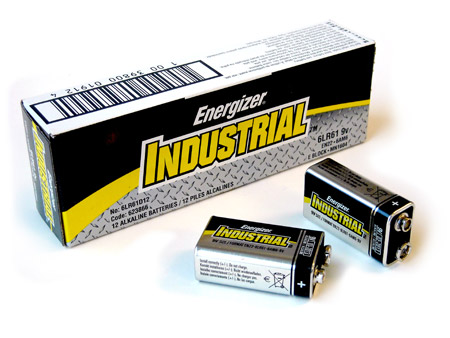
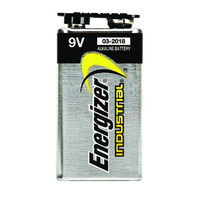
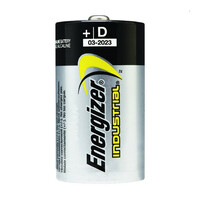
The five most common cylindrical and rectangular formats cover the majority of trade and household requirements. AA batteries are the most common 1.5V cylindrical cell, used in remotes, torches, and basic test equipment. AAA batteries are smaller and lighter, suiting compact devices. C-cell batteries and D-cell batteries offer higher capacity for larger torches and sirens. 9V batteries are the rectangular format used in legacy smoke alarms, multimeters, and clip-style detectors.
Coin cells (CR2032, CR2025, LR44 and similar) power watches, motherboards, key fobs, hearing aids, and small medical devices. They use either lithium or alkaline chemistry. Coin cells must be stored away from children, as ingestion causes severe internal burns within hours.
Battery naming follows letter and number patterns that encode chemistry, size, and shape. The leading letter denotes chemistry: L for alkaline, CR for lithium primary, and NH for NiMH. The middle numbers encode physical dimensions. For coin cells, CR2032 means a lithium cell 20mm in diameter and 3.2mm thick. Once the convention is understood, an unfamiliar code can be decoded at a glance.
Choosing the wrong battery either wastes money or shortens device life. Three factors drive the decision: the chemistry the device expects, the load profile, and the operating environment.
Some devices specify a chemistry in the manual, particularly photoelectric smoke alarms, medical equipment, and emergency lighting. Substituting alkaline for a specified lithium primary can cause the device to fail prematurely or behave unpredictably. Always check the device documentation before swapping chemistries.
Low-drain devices used occasionally (clocks, remotes) work fine with standard alkaline. Medium-drain devices used daily benefit from rechargeable NiMH. High-drain digital cameras, GPS units, and surveying equipment need lithium primary or rechargeable lithium-ion. Cordless power tools require purpose-built tool battery packs from the tool manufacturer.
Outdoor and unconditioned space applications demand temperature-tolerant chemistry. Lithium primary cells operate from minus 40 to plus 60 degrees Celsius. Alkaline output drops sharply below 0 degrees. For switchboards in metal cabinets that get hot in summer, lithium primaries deliver more consistent service.
Three specifications drive battery performance for trade applications. Reading the data sheet matters more than reading the marketing claims on the packaging.
Capacity is the total charge a battery can deliver, expressed in milliamp hours for cells and amp hours for larger batteries. A 2500 mAh AA cell delivers 250 milliamps for 10 hours, or 25 milliamps for 100 hours, ignoring efficiency losses. Higher capacity means longer runtime at a given load.
Nominal voltage is the rated output, but actual voltage varies during discharge. Lithium cells maintain a nearly flat voltage until almost fully depleted, then drop quickly. Alkaline cells decline steadily across the discharge cycle. Devices sensitive to voltage drop, such as digital cameras and LED torches, perform better with chemistries that hold a flatter curve.
For rechargeable batteries, cycle life is the number of full charge-discharge cycles before capacity drops below 80 percent of original. NiMH cells typically deliver 500 to 1000 cycles, standard lithium-ion 500 to 1500 cycles, and LiFePO4 3000 to 6000 cycles. Partial discharge cycles count fractionally, so light daily use extends calendar life significantly.
Different application categories have different battery requirements. Understanding these categories helps with bulk ordering and stock management for tradespeople.
Remote controls, wall clocks, kitchen scales, and basic torches use AA or AAA alkaline cells in the majority of cases. These applications are low drain and run for months on a single set. Stocking standard alkaline cells in volume is the most cost-effective approach for residential repair work.
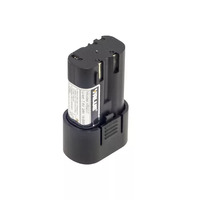
Digital multimeters, clamp meters, and laser levels typically run on 9V or AA cells. Manufacturers often specify alkaline or lithium for tools that sit in vans for weeks at a time. Cordless power tools use proprietary lithium-ion packs that are not interchangeable between brands. Stock matching the tool platform on each van.
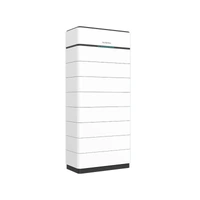
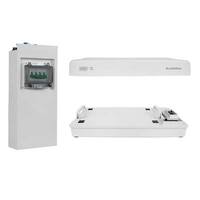
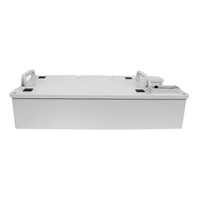
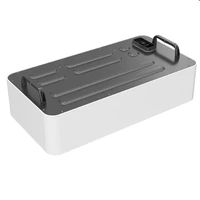
Uninterruptible power supplies (UPS) for switchboards and control cabinets typically use sealed lead acid or LiFePO4. Solar supplies include both inverter and storage components, with home battery storage now firmly LiFePO4-based for safety and cycle life. Modular battery banks like SUNGROW SMR032 modules allow installers to scale capacity by adding modules to an existing system.
The choice between primary and rechargeable cells comes down to total cost of ownership and convenience.
| Factor | Primary (Disposable) | Rechargeable |
|---|---|---|
| Upfront cost per cell | Low | High |
| Cost per discharge cycle | Full cost of new cell | Cents per cycle after charger paid off |
| Shelf life unused | 5 to 10 years | 3 to 5 years (lithium-ion) |
| Number of cycles | One use only | 500 to 6000 depending on chemistry |
| Charging required | No | Yes, charger and time needed |
| Best for | Emergency, infrequent use, alarms | Daily use, high-drain devices, tools |
For devices used daily, rechargeables pay off within weeks. For devices used a handful of times per year, primaries cost less in total. For safety-critical applications such as emergency torches and smoke alarms, primaries are mandated by reliability rather than cost.
Performance gaps narrow each year as both chemistries improve. The decisive factors are the load profile and the cost of failure. A primary cell that has not been touched in five years still works in an emergency torch. A NiMH cell in the same drawer for five years may have self-discharged to nothing.
A single rechargeable AA cell can replace hundreds of single-use alkaline cells over its life, dramatically reducing waste. Both types must be recycled rather than placed in general waste. Lithium-ion cells in particular contain valuable materials and pose a fire risk in landfill.
Batteries store concentrated energy. Mishandling a damaged or short-circuited cell can cause fire, chemical burns, or in the case of lithium cells, thermal runaway events that are difficult to extinguish.
Battery installation and handling in Australia is governed by AS/NZS 3000:2018 (Wiring Rules) for electrical installations, AS/NZS 5139 for battery systems, and AS/NZS 4755 for demand response capabilities. Lithium cells are also subject to dangerous goods transport regulations under the Australian Code for the Transport of Dangerous Goods.
Store batteries in their original packaging or in non-conductive containers. Keep them in cool, dry conditions away from direct sunlight and metal objects. Never store loose cells in a tool bag or pocket where they can short across keys, screws, or other cells. Tape the terminals of 9V batteries before storage to prevent short circuits.
A swollen lithium cell is a warning sign of internal failure. Do not attempt to charge or discharge a swollen cell. Place it on a non-flammable surface in a metal container away from combustibles. Take damaged cells to a battery recycling drop-off, not the kerbside bin. Wear gloves and eye protection when handling leaking alkaline cells, as the potassium hydroxide electrolyte is caustic.
Never connect the positive and negative terminals directly. The current can be hundreds of amps, generating heat fast enough to ignite nearby materials. Match cells of the same brand, chemistry, and age in multi-cell devices. Mixing old and new cells, or different chemistries, causes one cell to overdischarge or reverse-charge, leading to leaks or rupture.
Batteries do not belong in general waste. Most Australian batteries can be recycled through the national B-cycle scheme.
B-cycle is the Australian Government-accredited battery stewardship scheme launched in 2022. Drop-off points cover most major retailers, hardware stores, and many councils. The scheme accepts loose handheld batteries up to 5kg, including alkaline, NiMH, lithium-ion, and small lead acid cells. Visit bcycle.com.au to locate the nearest drop-off point.
Lithium-ion and lithium primary cells are classified as dangerous goods due to fire risk during transport. Sealed alkaline cells are non-hazardous in small quantities. Lead acid batteries from vehicles and UPS systems are accepted by metal recyclers and most automotive workshops, often with a small refund for the lead content.
Tape over the terminals of all spent batteries before placing them in a recycling bin. Bag damaged cells separately. Never burn or crush spent batteries. For larger commercial battery banks and home storage units, contact the manufacturer or installer for a controlled removal process under the relevant work health and safety regulations.
Battery technology continues to evolve. Three trends matter for trade users in the next five years.
Solid-state batteries replace the liquid electrolyte with a solid ceramic or polymer layer. The result is higher energy density, faster charging, and substantially lower fire risk. Commercial production for consumer electronics has begun in 2024 to 2025, with electric vehicle and storage applications expected to follow over the next decade.
Modular LiFePO4 home storage is now mainstream in Australia. Units from SUNGROW, Tesla, GoodWe, and Fronius pair with rooftop solar to shift daytime generation into evening loads. Federal and state rebates have driven rapid uptake, particularly in Queensland, New South Wales, and Victoria.
Recycling rates for lithium-ion are rising as recovery technology improves. Hydrometallurgical and direct-recycling methods now recover over 95 percent of lithium, cobalt, and nickel in some commercial plants. Closed-loop production is becoming a regulatory requirement for new battery installations in Europe, with Australian regulations expected to follow.
Where you buy affects price, warranty, and stock consistency. For trade applications, the difference between consumer-grade and industrial-grade batteries is substantial.
Online electrical wholesalers like Sparky Direct stock industrial-grade Energizer cells suitable for trade applications, alongside the modular LiFePO4 storage modules used in residential solar installations. Buying through a trade specialist gives access to bulk pricing, traceable batch codes, and warranties that consumer retailers do not provide.
Cheap house-brand alkaline cells often fail to deliver the rated capacity and may leak in storage. Industrial-grade cells from Energizer are tested for output consistency, leak resistance, and shelf life. The price premium is small relative to a service callback caused by a failed battery in a smoke alarm or sensor.
Contractors fitting out new builds typically buy AA, AAA, and 9V cells in cartons of 24 to 144. Bulk orders cut the per-unit cost and ensure all cells in a job come from the same production batch, which simplifies warranty claims and date tracking.
Mixing brands, chemistries, or charge states inside a single device causes weaker cells to be deep-discharged or reverse-charged by stronger cells. The weaker cells leak or rupture. Always replace all cells in a multi-cell device at the same time, using the same brand and chemistry.
Forcing the wrong-voltage cell into a device with the help of foil or tape damages the device and risks a fire. If a device specifies 1.5V alkaline, do not substitute a 3.7V lithium-ion cell, even if it physically fits with packaging. Use a voltage tester or multimeter to verify the output of an unfamiliar cell.
Storing loose cells in a drawer with metal objects causes short circuits. Throwing lithium cells in general waste causes fires in waste trucks and processing facilities. Use the B-cycle scheme for handheld batteries and proper hazardous waste handling for larger units.
If new cells drain quickly, check for parasitic loads in the device. A stuck switch, corroded contact, or LED indicator left on continuously can flatten cells in days. For rechargeables, reduced capacity over time indicates the cells are nearing end of cycle life. Capacity below 80 percent of original means it is time to replace.
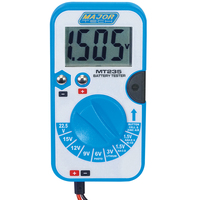
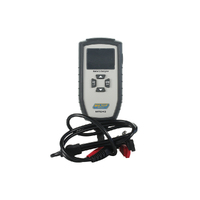
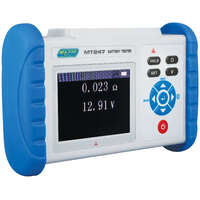
Test cells under load with a multimeter rather than open-circuit. An alkaline cell can read 1.4V open-circuit but collapse to 0.8V under load if it is internally exhausted. Clean battery contacts with a dry cloth or pencil eraser to remove oxidation. Inspect for leaked electrolyte and replace any cells showing crystalline white residue.
If a rechargeable cell will not take charge, the charger may have detected a fault and stopped the cycle. Try a different charger if available. Check the charger output with a voltmeter. For lithium-ion packs, a deeply discharged cell (below the protection circuit cutoff) may be unrecoverable. Modern smart chargers will refuse to charge cells below safe thresholds, which is correct behaviour.
Safety reminder: If a battery becomes hot during charging or use, stop immediately and disconnect. Move the cell to a non-combustible surface and observe for swelling. Thermal runaway in lithium cells can take minutes to develop. Contact a battery specialist for damaged commercial battery banks before attempting any further handling.
Watch Energizer EN91 | Industrial AA Batteries video
Watch Energizer EN92 | Industrial AAA Batteries video
Watch Energizer EN22 | Industrial 9V Batteries video

I bought 2 modules to upgrade my existing Sungrow battery. I got them delivered within 2 days. Both modules were a tad over 4 months old. Installation was super easy, I just needed to follow Sungrow's instructions and balance the modules.
I had to order many of these batteries; they had plenty of stock and were able to ship it out on the same day as I ordered it. I found shopping here for my batteries cheaper than any other place online.
Love the fact that these come with the guard on the terminals. Makes them easy to store, and there's no risk of accidental short circuits when they're loose in the box.
Quality products in stock • Fast Australia-wide delivery • Competitive trade pricing
Browse Batteries → Get Expert Advice →Yes, especially for smoke alarms and testing equipment.
Sparky Direct supplies batteries Australia-wide, offering reliable power solutions with convenient delivery.
Unused batteries are generally eligible for return according to the seller’s returns policy.
Batteries are securely packaged and delivered via standard courier services.
Warranty coverage varies by manufacturer and typically covers defects.
Batteries are typically sold individually or in multi-packs.
Yes, batteries should be disposed of according to local recycling guidelines.
They require minimal maintenance beyond proper storage and replacement.
Yes, they are essential for emergency and backup power devices.
Old or damaged batteries may leak, so regular checks are recommended.
Some batteries are rechargeable or recyclable, reducing waste.
Yes, when stored in a cool, dry place away from heat sources.
Yes, replacement frequency depends on the device and battery type.
Common types include alkaline, lithium, rechargeable, and specialty batteries for electrical and electronic devices.
Yes, most devices are designed for straightforward battery replacement.
The correct battery ensures reliable performance and device safety.
Yes, batteries typically have a shelf life and expiry date.
Yes, certain batteries are designed for high-drain applications.
Yes, they are suitable for residential, commercial, and light industrial use.
Yes, they are widely used in residential settings.
Yes, rechargeable battery options are available for many applications.
Yes, specific battery types are designed for use in smoke alarms.
Yes, common sizes include AA, AAA, C, D, 9V, and specialty sizes.
Quality batteries sold in Australia are manufactured to meet relevant safety and performance standards.
Batteries are used to provide portable power for devices such as smoke alarms, remotes, tools, and electronic equipment.