
Search Results:
Search Results:
Search Results:
Search Results:
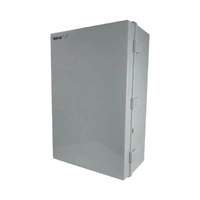
Outdoor electrical points face constant pressure from moisture, dust, UV light, condensation, irrigation overspray, and coastal air. A weatherproof box houses cable joints, terminations, and small components where the environment demands ingress protection. It keeps water and grit away from live conductors, so the connection stays safe and reliable, and the category includes weatherproof junction boxes, adaptable boxes, surface boxes, and larger outdoor enclosures.
A weatherproof box combines an enclosure body, a gasketed lid, sealed cable entries, mounting points, and lid screws. The gasket compresses when the lid is fastened evenly, forming a continuous seal. Cable entries pass through glands or sealed knockouts rather than open holes. The box alone does not create a compliant seal, because the cable glands, entries, fixings, and installation method must also suit the location.
These terms are often used interchangeably on site, yet they describe different things. A standard junction box is built for protected indoor joins and usually lacks an outdoor seal. An IP-rated outdoor enclosure is sealed against water and dust. An adaptable box is a configurable enclosure with knockouts or drillable entries for cable glands and conduits, so it adapts to many wiring layouts.
Common uses include outdoor power extensions, garden lighting, pool equipment circuits, shed submains, solar PV junctions, external signage, irrigation controllers, CCTV, gates, pumps, and commercial plant areas. Final product selection depends on exposure level, cable size, the number of entries, and inspection access, and matching conduit fittings often complete the run.
The IP rating tells you how well an enclosure resists solids and water, and it is the single most useful number when matching a box to a location. The rating must suit the installed environment, not just the product category, because a box rated for sheltered use can fail quickly on a fully exposed wall.
An IP rating has two digits: the first covers protection against solids and dust, on a scale up to 6. The second digit covers water, on a scale up to 8, and higher numbers mean stronger protection. In practical terms, that second digit moves from splashing water, to water jets, to heavy rain, and then to temporary immersion.
IP56 suits sheltered outdoor spots such as a covered patio or under deep eaves. IP65 is dust tight and resists low-pressure water jets, which makes it a sound choice for exposed walls and gardens. IP66 adds resistance to powerful water jets and heavy dust, so it suits washdown areas and coastal sites. The difference between IP56 and IP66 comes down to dust sealing and jet resistance.
| IP Rating | Dust Protection | Water Protection | Typical Use |
|---|---|---|---|
| IP54 | Limited dust | Splashing water | Sheltered, low exposure |
| IP56 | Limited dust | Powerful jets | Covered patio, eaves |
| IP65 | Dust tight | Low-pressure jets | Exposed wall, garden, rooftop |
| IP66 | Dust tight | Powerful jets | Washdown, coastal, industrial |
| IP67 | Dust tight | Temporary immersion | Flood-prone or immersion risk |
Use a simple framework based on exposure: a covered patio or eaves location may suit IP56. An exposed wall, garden, rooftop, or solar run needs IP65 as a minimum. Pool plant areas, washdown zones, exposed coastal sites, agricultural sheds, and industrial areas suit IP66. Flood-prone spots with immersion risk call for an IP67 enclosure where appropriate. Remember that the cable glands and conduit entries must match the box rating.
Weatherproof boxes come in plastic, polycarbonate, and metal. The best material depends on the environment, durability needs, corrosion risk, impact risk, and budget. Asking whether plastic boxes beat metal ones misses the point, since each material wins in a different setting, so match the box to the job rather than to price alone.
PVC and polycarbonate suit residential and light commercial work because they are lightweight, corrosion resistant, affordable, and easy to work with. Polycarbonate is generally preferred where impact resistance, UV stability, and temperature tolerance matter. Common uses include garden lighting, eaves junctions, outdoor power points, shed wiring, and general cable joins. These boxes pair well with plastic cable glands.
Metal boxes are preferred in high-impact areas, industrial conduit runs, plant rooms, machinery zones, commercial sites, hot environments, and vandal-prone spots. Stainless steel suits coastal, washdown, food processing, and corrosive environments. Metal boxes require correct earthing and installation by a licensed electrician. Larger steel electrical enclosures hold control gear and multiple circuits.
PVC is affordable, light, and corrosion resistant, which makes it common for residential use. Polycarbonate is tougher and better for trade and exposed sites. Galvanised steel is strong and suited to industrial conduit and mechanical protection, while stainless steel performs best in corrosion-heavy settings. The right choice rests on the environment first, with price as a secondary factor.
| Material | Key Strength | Best Suited To |
|---|---|---|
| PVC | Affordable and corrosion resistant | Residential outdoor joins |
| Polycarbonate | Impact and UV resistant | Exposed trade installations |
| Galvanised steel | Mechanical strength | Industrial conduit and plant |
| Stainless steel | Corrosion resistance | Coastal and washdown areas |
Weatherproof boxes support residential, commercial, industrial, solar, pool, and garden electrical work. The right box depends on the job, the exposure, and the components inside. The examples below show where these enclosures earn their place across Australian sites.
Around the home, weatherproof boxes protect outdoor GPO connections, garden lighting, pergola lighting, shed circuits, outdoor kitchens, CCTV, gates, water features, and eaves junctions. They are used when extending circuits or protecting joins near external structures. Are weatherproof boxes needed for external garden lighting? Yes, wherever cable joins or terminations sit outside a sealed fitting, and a weatherproof box keeps those joins dry. It also pairs neatly with exposed garden lights for a clean, reliable finish.
Pool equipment areas, pumps, lighting control, irrigation controllers, and damp garden zones all benefit from sealed enclosures. Pool and spa areas need careful zone assessment and suitable IP-rated equipment. A licensed electrician should carry out all fixed wiring around pools, outdoor power, and wet areas. The risk of water ingress near a pool is high, so the box rating and gland choice matter.
Commercial and industrial sites use weatherproof boxes for signage, security systems, outdoor plant, warehouses, workshops, car parks, machinery, temporary site power, and service terminations. Larger enclosures, IP66 options, and robust materials handle heavier duty. Sparky Direct also stocks industrial socket outlets, IP66 isolator switches, and matching conduit accessories for these jobs.
Rooftop solar and DC cable terminations need higher protection because of UV, heat, rain, wind, and dust. Correctly sealed cable glands and clear inspection access are essential. Detailed solar wiring sits outside this guide, and a qualified solar-accredited electrician should handle that work. Matching solar accessories help complete a compliant rooftop run.
Box size depends on cable entries, terminations, components, and working space. An undersized box is one of the most common and costly mistakes, so the notes below help you pick a size that stays safe and easy to inspect.
Compact boxes around 75mm square suit simple single joins. Medium boxes from about 100mm to 150mm square handle multi-way joins or larger cable entries. Larger enclosures take DIN rail components, contactors, timers, relays, control gear, or multiple circuits. The right size depends on what goes inside and how often it needs checking.
The box should allow a safe conductor bend radius, clearance around connectors, sensible gland spacing, room for inspection, and lid closure without crushing cables. Step up one size when you are unsure, because overcrowded boxes trap heat, stress insulation, and make inspection or maintenance difficult. A little extra internal space pays off over the life of the install.
Buyers often ask about boxes for Clipsal mechanisms, yet not every adaptable box accepts a switch or socket mechanism. Match the box to the intended accessory system, plate, mounting centres, mechanism depth, and IP rating. For outdoor switch and socket builds, look at Clipsal Iconic Outdoor, weatherproof switches, weatherproof power points, and Clipsal Iconic mechanisms. A mounting block can raise a fitting clear of a wall.
Weatherproof boxes can still fail even when the box itself is IP rated. The seal depends on the whole assembly: glands, cable entries, lid gaskets, drainage, and venting. Good sealing practice and condensation control keep an enclosure performing for years.
Every cable entry should use a gland, conduit fitting, or sealed entry rated for the same environment as the box. Glands must be sized to the cable so the seal grips correctly. Unused knockouts need proper blanking plugs, and gasket surfaces should stay clean and undamaged. Lid screws should be tightened evenly so the gasket compresses across the whole edge.
Condensation forms from temperature cycling, trapped moisture, poor gland sealing, or direct sun. Breathable vents, sensible orientation, and avoiding low water-trap points all help. Choosing an enclosure rated for the exposure also reduces the problem. Water found inside an electrical enclosure needs professional inspection before the circuit is energised again.
Frequent mistakes include using indoor junction boxes outdoors, drilling unsealed cable holes, over-tightening lids, pinching gaskets, and undersizing the box. Mounting where water pools, concealing a box without access, and mixing non-matching IP-rated parts also cause failures. A compliant install depends on the full assembly, not the enclosure body alone.
Weatherproof boxes must be installed in line with Australian wiring rules. The guidance here stays at a planning and specification level and avoids unsafe do-it-yourself instructions. The goal is to help electricians and informed buyers choose and plan correctly.
AS/NZS 3000 sets the wiring rules for fixed electrical installations, including enclosure access, mechanical protection, suitability for the environment, and inspection. A weatherproof box should suit outdoor exposure and carry a clear IP rating, and RCM compliance documentation applies to many products. Selecting compliant parts up front avoids costly rework later.
In Australia, fixed wiring work, new cable joints, outdoor power extensions, and circuit changes must be carried out by a licensed electrician. This guide does not provide live wiring instructions. Buyers can still choose product types, sizes, IP ratings, and accessories in consultation with their electrician, which keeps the project moving while staying safe.
Planning how to mount a box on a brick wall starts with the surface. Consider mounting surface compatibility, weather exposure, secure fixing, gland orientation, access for inspection, and fixings matched to the substrate. Masonry needs suitable plugs and screws, while timber and cladding need fixings that will not split or pull out. Leave the live wiring and final connection to a licensed electrician.
Commercial buyers weigh price, durability, brand, and delivery speed together. The cheapest box is not always the best value once labour and replacement risk are counted. This section helps you compare options sensibly and source the right enclosure.
The cheapest boxes often trade away impact resistance, UV performance, entry options, lid thickness, gasket quality, or documentation. Affordable PVC boxes are fine for sheltered residential joins, while heavy-duty IP66 polycarbonate or metal enclosures offer better value on exposed, coastal, or industrial sites. Spending a little more up front can prevent an early failure in a harsh location.
Electricians and contractors compare online wholesalers by brand range, size availability, IP rating options, dispatch speed, and the ability to order matching glands and accessories in one place. Sparky Direct is an Australian online electrical wholesaler with clear product browsing and trade-focused supply. Stocking boxes from brands such as Clipsal, Hager, NHP, and Legrand makes matched ordering simpler.
Before ordering, check the size, IP rating, material, lid type, knockout or entry layout, gasket quality, mounting method, compatible glands, and delivery timeframe. Urgent jobs and home renovations both rely on fast, reliable delivery. For fixed electrical products, buy from reputable Australian electrical suppliers rather than unverified marketplaces. Ordering boxes and conduit junction boxes together keeps a job on schedule.
This short checklist gives a clear decision framework for electricians, builders, and home renovation buyers. Work through it before ordering to avoid an undersized or under-rated enclosure.
Step up when the job involves multiple circuits, larger cable sizes, full sun exposure, coastal air, pool chemicals, washdown, internal components, or likely future additions. The price gap between sizes is usually small, and it is minor next to the labour cost of replacing an underspecified enclosure later. A surface mount enclosure often gives useful extra room.
Club Clipsal is Australia's largest electrician community offering trade rewards, business support, and exclusive benefits. When you nominate Sparky Direct as your preferred wholesaler, we automatically apply your Clipsal spend points to your Club Clipsal account daily.
Entry-level offering coaching, mentoring, and training discounts
Unlock exclusive industry tools and networking events
Access Toyota fleet offers and business software discounts
Maximum benefits, including VIP experiences and rewards
1. Sign Up: Create your Club Clipsal account at clipsal.com/club-clipsal or via the iCat mobile app
2. Nominate Sparky Direct: Select Sparky Direct from the wholesaler dropdown menu in your profile
3. Add Email: Enter your Sparky Direct account email address in the membership number field
4. Start Earning: Every dollar spent on Clipsal products earns points automatically
Redeem points from the rewards store, including gift cards, tools, and experiences. Access business summits, product training, and industry networking events. Receive early access to new product launches and special promotions. Connect with fellow electricians via the Club Clipsal community app.
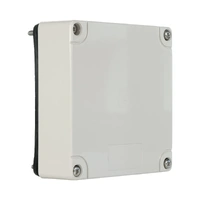
Watch Alco ALCEZIBOX1 | PVC Weatherproof Junction Box video
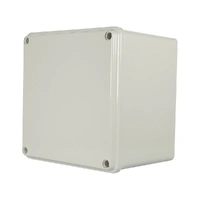
Watch CLIPSAL Adaptable Box 163mm x 108mm x 81mm IP56 Grey | 265-4 video
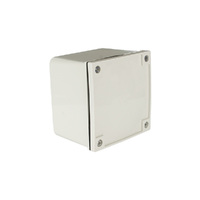
Watch Clipsal 554C4 | Large Junction Box 40Amp | Formerly the 554J4 video

Great adaptable box, heavy gauge walls and lid. It’s the little details that set this apart from the others - the lid has a slight camber on the sealing edge so that her the 4 corner screws are secured the camber compresses the sealing gasket in the middle.
Excellent product. Great Price and Quality. I am a purchasing officer for a trailer company and we use sparky direct for our electrical needs. Junction Box is excellent for our trailers!
very happy with this purchase and its performance to date It has the advantage of being able to be locked to prevent accidental or malicious switching off. E.g refrigeration equipment
Trusted brands • Expert advice • Fast Australia-wide delivery • Trade pricing
Shop Weatherproof Boxes → Get Expert Advice →