
Search Results:
Search Results:
Search Results:
Search Results:
A ceiling fan light is a ceiling fan with an integrated light fitting built into the centre hub. Instead of running two separate ceiling outlets, the room gets airflow and general illumination from a single point. The light may use traditional lamps in older models, but most current units use built-in LED panels.
These fittings are common in bedrooms, living rooms, family rooms, and covered outdoor spaces such as alfresco areas. They suit any room where both cooling and ambient lighting are needed and where a single ceiling point makes the layout cleaner.
Ceiling fan lights perform best in rooms where both circulation and general lighting are needed, such as bedrooms and lounge rooms. They also suit homes with limited ceiling height or fewer wiring options, as well as any space where the owner prefers a simpler ceiling layout to multiple fittings.
Not all fan lights are built the same. The blade design, motor type, and mounting style all affect where the unit will work and how it performs. Understanding the main types makes the buying choice easier.
Most current ceiling fan lights use either an AC or a DC motor. AC motors are simpler and generally less expensive. DC motors run more quietly, draw less power, and offer more speed steps and smoother control. For bedrooms where noise matters, DC models are usually the better choice.
Blade span is the single most important factor for cooling performance. Larger rooms need larger blade spans to move enough air, while smaller rooms suit compact designs. As a general guide, rooms up to around 12 square metres suit fans of about 1200mm, medium rooms suit 1300mm to 1400mm, and larger living areas often need 1400mm or more.
Proper sizing affects both airflow and comfort. An undersized fan will run on high all the time and still feel weak. An oversized fan in a small room can feel overpowering and may sit too close to the walls.
Australian standards require safe clearance between the floor and the fan blades. Lower ceilings need compact or flush-mount options that sit close to the surface. Higher ceilings benefit from a downrod, which brings the fan closer to the living area and improves the felt airflow at head height. Always check the model's recommended ceiling height in the product specifications.
Brightness should suit the room's purpose. Warm white light around 3000K suits relaxing spaces such as bedrooms and lounges. Cool white light around 4000K to 5000K feels clearer and works better in kitchens, work areas, and outdoor settings. Many modern fan lights offer tri-colour LEDs, allowing the user to switch between warm white, neutral white, and cool white using the remote.
Small bedroom or study (under 12m²): 1200mm blade span. Medium bedroom or living area (12 to 20m²): 1300mm to 1400mm. Large living room or open-plan area (20m² or more): 1400mm or larger, or consider two fans.
The greatest benefit is the combination of two functions in a single fitting. This improves comfort during warm weather, reduces ceiling clutter, and simplifies the wiring layout. A single fitting also makes the ceiling look cleaner, which suits modern interiors that favour a minimal look.
For new builds and renovations, fewer ceiling penetrations can also mean less work for the installer and a tidier finish.
Light output from a fan light is generally lower than from a dedicated ceiling light or a properly designed downlight layout. For rooms that need bright, even lighting (such as kitchens or home offices), a fan light alone may not be enough.
Installation is also more involved than fitting a simple light. The unit is heavier, the bracket needs to be securely fixed, and the blades need to be balanced properly. Some decorative designs prioritise style over airflow or brightness, so the buying decision should be based on performance as well as looks.
A fan light is the right choice when the room needs both air movement and general lighting, when ceiling space is limited, or when a single fixture is more practical than two separate fittings. In rooms that already have strong task lighting (for example, kitchens with downlights), a fan light can serve as the secondary ambient source while the downlights handle the task lighting.
Most modern ceiling fan lights use a built-in LED panel rather than a replaceable lamp. LED panels are more energy-efficient than older incandescent or halogen options, run cooler, and offer a much longer service life. Because the LED is integrated, there are no globes to change, but the trade-off is that the panel is part of the fitting and cannot be replaced separately.
Some older models still use a standard lamp holder, typically B22 or E27, which lets the user fit a replaceable LED globe. Browse LED globes for replacement options on lamp-holder models.
Brightness is measured in lumens, not watts. A typical fan light LED panel produces between 1000 and 2000 lumens, which suits a bedroom or small living area. Larger rooms may need additional lighting to feel evenly lit.
Colour temperature changes the feel of the room. Warm white (around 3000K) is soft and yellow-toned, suited to relaxing spaces. Cool white (around 4000K to 5000K) is brighter and bluer, suited to tasks and outdoor areas. Tri-colour LEDs allow switching between warm, neutral, and cool from the remote, which is useful in multipurpose rooms.
Many current fan lights include dimming as a standard feature, controlled either by the supplied remote or by a compatible wall dimmer. Dimming lets the user tailor light levels to the activity, from bright general lighting to a soft evening glow. For wall-controlled dimming, check that the unit is rated as dimmable and that the wall dimmer switch is compatible with the LED driver in the fan.
A ceiling fan light is a fixed, central element of any room. Its finish, blade shape, and shade design all influence how the room looks. Choosing a fitting that suits the existing decor avoids the unit becoming an eyesore.
Modern fan lights typically use clean lines, low-profile housings, and neutral finishes such as matt white, matt black, or brushed metal. They blend easily into the ceiling and suit contemporary interiors with simple decor. Concealed LED panels and slim blade profiles support the minimal look.
Decorative fan lights suit classic or heritage-inspired homes. They often feature timber-look blades, glass shade fittings, or ornate trims. These designs make the fan a deliberate feature in the room rather than a hidden utility, and they can complement period-style furniture and pendant lighting elsewhere.
The finish of the fan should coordinate with other visible fixtures in the room: door handles, pendant lights, switch plates, and curtain rods. Blade shape (straight, curved, or aerofoil) changes the visual weight, while the light shade design influences how the room reads at night when the fan is off but the light is on. For coordinated lighting, the same brand or finish family across ceiling lights and other fittings often produces the cleanest result.
Important: Ceiling fan installation involves working with mains wiring, mounting heavy fixtures overhead, and balancing rotating blades. In Australia, electrical work on fixed wiring must be carried out by a licensed electrician. This is a legal requirement under state-based electrical safety laws, and it also protects the warranty on the fitting.
The fan must be securely mounted to a ceiling joist or to a properly rated mounting bracket. Plasterboard alone is not strong enough to carry the weight and the dynamic load of a spinning fan. The supplier will usually include a mounting kit, but the installer needs to confirm the ceiling structure can take it.
Wiring follows AS/NZS 3000:2018, with the active, neutral, and earth all properly terminated. Many models also need a separate switched feed for the light or a remote receiver mounted in the canopy. For drop-rod installations, also see ceiling fan drop rods to extend the unit further from a high ceiling.
Dust builds up on blades and on the light fitting over time. Heavy dust on one side of a blade can cause noticeable wobble. Wipe blades down every few months with a soft dry cloth. For the light panel, a damp cloth on a switched-off unit is usually enough. Regular cleaning helps maintain airflow, brightness, and the look of the fitting.
Wobbling blades, increased noise, dim or flickering lighting, and loose fittings are the most common problems. Wobble is usually caused by uneven dust, a loose blade screw, or a slightly bent blade. Noise often indicates a worn motor bearing or a loose canopy. Flickering lights on a remote-controlled model can point to a failing receiver or an incompatible wall dimmer. Most issues are fixable, but persistent problems may signal that the unit is at end of life.
The most useful comparison points are blade span, motor type, lighting output, and rating. A 1200mm AC fan with a basic LED is a different product from a 1400mm DC fan with a tri-colour LED and remote, even if both are described as ceiling fan lights. Compare on the spec sheet, not just on price.
| Factor | What to Look For | Why It Matters |
|---|---|---|
| Blade span | Match to room size (1200mm to 1400mm typical) | Drives cooling performance |
| Motor type | DC for quiet, efficient operation; AC for lower cost | Affects noise and running cost |
| LED output | Lumens (1000 to 2000 typical) and colour temperature | Determines lighting usefulness |
| Mounting type | Flush-mount for low ceilings, drop rod for high | Affects safe clearance and felt airflow |
| Control | Remote, wall switch, or both; dimming support | Day-to-day usability |
| Rating | Indoor only, or rated for covered outdoor | Decides where the fan can be used |
Safe fit and correct sizing come first. A fan that does not suit the room (too large, too low, or wrong rating for the location) will never feel right. After that, the priorities are lighting performance and motor quality. Style is the final layer once the technical requirements are met.
Upgrade when the current fan does not cool the room effectively. Other reasons include a light that is too weak or too harsh for the way the room is now used, or a fitting that no longer suits the decor after a renovation. Older AC models with halogen or fluorescent lights are particularly worth replacing. A new DC fan light with tri-colour LED produces noticeably better airflow, less noise, and far better lighting for similar running cost.
Club Clipsal is Australia's largest electrician community offering trade rewards, business support, and exclusive benefits. When you nominate Sparky Direct as your preferred wholesaler, we automatically apply your Clipsal spend points to your Club Clipsal account daily.
Entry-level offering coaching, mentoring, and training discounts
Unlock exclusive industry tools and networking events
Access Toyota fleet offers and business software discounts
Maximum benefits, including VIP experiences and rewards
1. Sign Up: Create your Club Clipsal account at clipsal.com/club-clipsal or via the iCat mobile app
2. Nominate Sparky Direct: Select Sparky Direct from the wholesaler dropdown menu in your profile
3. Add Email: Enter your Sparky Direct account email address in the membership number field
4. Start Earning: Every dollar spent on Clipsal products earns points automatically
Redeem points from the rewards store, including gift cards, tools, and experiences. Access business summits, product training, and industry networking events. Receive early access to new product launches and special promotions. Connect with fellow electricians via the Club Clipsal community app.
Sparky Direct supplies ceiling fan lights and related fittings from Clipsal, Brilliant Lighting, Martec, Hunter Pacific, Ventair, CLA, and Mercator Lighting. Each brand offers a different mix of motor type, blade design, and lighting features, so the right choice depends on the room and the budget.
Watch CLIPSAL CLIPSS | Airflow Clipper Fan Light (Stainless Steel) video
Watch CLIPSAL CLIPWHT | Airflow Clipper Fan Light | White video
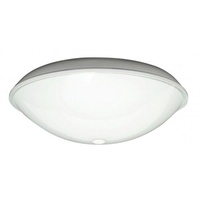
Watch CLIPSAL OYWHT | Airflow Oyster Fan Light (White) video

I purchased this about a month ago and it’s been fantastic. The remote makes it easy to adjust brightness, fan speed, and colour settings, and it looks great in the room. It’s also wonderfully quiet, which makes it perfect for the bedroom. Highly recommend if you’re after a safe, compact fan that performs well.
Love these fan/lights. They are so easy to install with their click in blades and modern look.The amount of air they push is impressive while running very quite. The tri colour led light allows you to set it the the desired level also.
A Clipsal anything really is the best. These fans are beautiful to look at, provide a good light but more importantly move the air…a lot…and are quiet. Really that’s all to ask from a fan with a light…oh and well priced.
Quality products in stock • Fast Australia-wide delivery • Competitive trade pricing
Browse Ceiling Fan Lights → Get Expert Advice →Yes, they are commonly used in bedrooms to provide quiet airflow and lighting in one fitting.
Sparky Direct supplies ceiling fan lights with fast Australian delivery to support efficient lighting and airflow solutions.
Yes, installation must be completed by a licensed electrician in accordance with Australian regulations.
Warranty coverage varies by manufacturer and typically applies to manufacturing defects.
Consider room size, ceiling height, light output, control options, and indoor or outdoor suitability.
Yes, ceiling fan lights are available in a wide range of styles, finishes, and sizes.
Some ceiling fan lights offer smart features or integration with smart home platforms.
Some models are suitable for sloped ceilings, depending on design and installation requirements.
Low-profile ceiling fan lights are available for rooms with limited ceiling height.
Basic maintenance includes cleaning blades and light covers as needed.
Many models include a reverse function, allowing use in both summer and winter.
Modern ceiling fan lights are designed to operate quietly, particularly models with DC motors.
Air movement from the fan can improve comfort and help rooms feel cooler.
Ceiling fan lights combine air circulation and lighting in a single fitting to provide both comfort and illumination.
Yes, many ceiling fan lights allow separate control of the fan and the light.
Most models are designed for simple operation with intuitive controls for both fan and light functions.
Yes, ceiling fan lights must be installed by a licensed electrician in accordance with Australian regulations.
Some ceiling fan lights offer dimming functionality when used with compatible controls.
Many models can be controlled via wall switches, remote controls, or smart systems depending on design.
Yes, indoor models are designed for living areas, while outdoor-rated fan lights suit covered alfresco spaces.
Many models use LED technology and efficient motors to help reduce energy consumption.
Yes, ceiling fan lights can replace standard ceiling lights where suitable support and wiring are available.
Options include integrated LED fan lights, fans compatible with replaceable globes, and smart-enabled fan lights.
Yes, ceiling fan lights are commonly used in Australian homes and are designed to suit local conditions.
Ceiling fan lights supplied in Australia should comply with relevant AS/NZS electrical safety and performance standards.