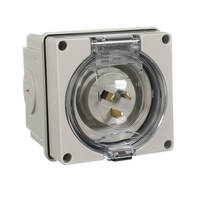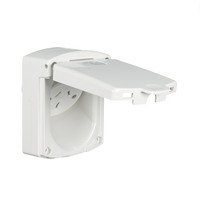

Search Results:
Search Results:
Search Results:
Search Results:
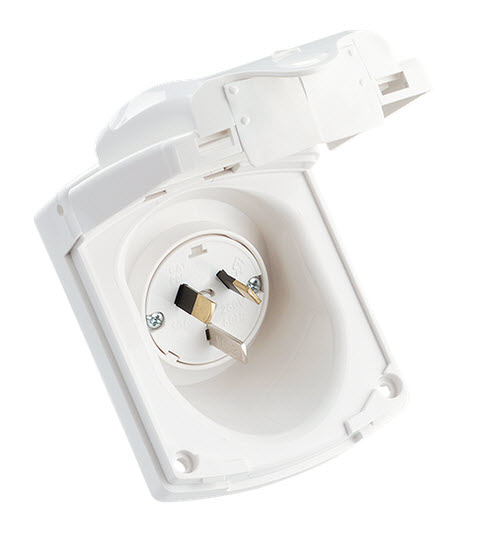
Find the best caravan power inlet and outlets here at Sparky Direct. [ Read More ]
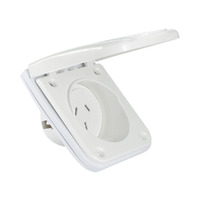
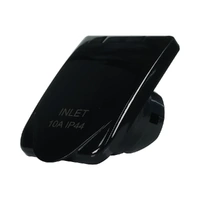
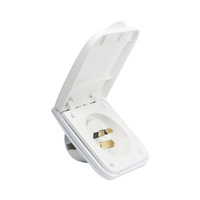
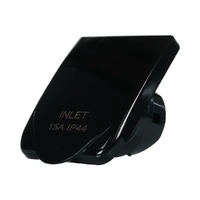
A caravan power inlet is the fixed external socket mounted on the wall of a van, RV, camper trailer or motorhome. It receives 240V mains supply from a caravan park pedestal, a compliant home connection through an approved adaptor, a generator or another approved shore power source. The inlet feeds the van's internal switchboard, which then distributes protected power to onboard circuits.
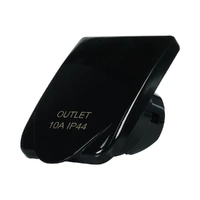
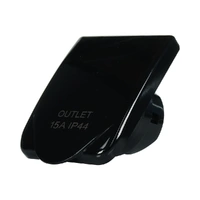
A caravan outlet is the opposite. It is an external or internal connection point that supplies power outward, either to accessories used outside the van or to internal power points inside the cabin. Getting the inlet versus outlet decision right before ordering avoids returns and rework.
This category serves caravan owners replacing damaged fittings, RV builders specifying new hardware, caravan repairers, auto electricians and licensed electricians fitting compliant connection points. All 240V caravan electrical work in Australia must be carried out by appropriately licensed electrical professionals.
In plain terms, the inlet brings power in and the outlet sends power out. The inlet is the point where shore power, generator power or another external 240V source enters the van's electrical system. The outlet is the point where that power is delivered to a load.
Common use cases include caravans plugged into park pedestals, camper trailers connected to generators and motorhomes drawing power from a residential outlet via an approved lead. Off-grid touring setups use inverter or shore power switching arrangements.
The inlet provides a weatherproof entry point for 240V supply. When a compliant lead is plugged in, current flows through the inlet, into the van's internal wiring, then through the protective devices on the van's safety switch or switchboard arrangement, before reaching onboard circuits.
The flap or hinged cover seals the inlet against rain and dust when not in use. A correctly engaged plug holds the connection firmly so vibration on the road does not loosen the contacts. The full installation must be designed and tested to AS/NZS 3001 by a licensed installer.
Buyers often confuse the two. An inlet has female contacts that accept the pins of a plug attached to the supply lead. An outlet has the same female socket appearance from the user's side but is wired internally to a power source rather than a load. The most common purchasing mistake is ordering an outlet when an inlet is required for the shore power connection point.
Some installations include both. A van may have a 15A inlet for shore power on one wall and a weatherproof 10A outlet on another wall for outdoor appliances. Confirm the direction of power flow before ordering and check the existing fitting if you are replacing like for like.
Amperage is the single most important selection factor for a caravan inlet or outlet. The rating must match the van's internal wiring, circuit protection, supply lead and expected total load. Mixing ratings is unsafe and is not permitted under Australian wiring rules.
The Australian caravan park standard is 15A. Most modern vans with air conditioning, microwave, battery charger and multiple internal power points use a 15A inlet, a 15A-rated lead and 15A pedestal supply. A 10A inlet suits smaller setups with light loads. Modified leads, mismatched plugs and non-compliant adaptors are unsafe, illegal and a known cause of fires in caravan parks.
A 15A flat-pin plug has a larger earth pin than a 10A plug. This physically prevents a 15A appliance from being plugged into a 10A outlet, where the wiring and circuit protection cannot safely handle the higher current. 15 amp power points are the standard at caravan park pedestals across Australia.
Typical 15A loads include reverse-cycle air conditioners, three-way fridges on mains, microwaves, kettles, water heaters and lead-acid or lithium battery chargers running simultaneously. The inlet, supply lead, internal circuit protection and cabling must all be rated for the full 15A load before any of these run safely together.
A 10A inlet suits low-load camper trailers, smaller pop-tops, off-road tear-drops and basic charging setups. These vans typically run a few LED lights, a small fridge, a single 240V power point and a battery charger. Total load stays well within the 2400W ceiling of a 10A circuit.
A 10A circuit has a lower current ceiling and must not be overloaded. A licensed electrician should perform the full load assessment before specifying a 10A inlet for any van with fixed wiring. 10 amp power points are common in lower-load setups and as internal GPOs inside larger vans.
Some travellers want to connect a 15A van to a 10A domestic outlet at home. Cutting the earth pin or fitting an unapproved adaptor is illegal and dangerous. Doing so bypasses the size-coded protection built into the Australian plug system and can overload the home circuit or the van's wiring.
The compliant solution is a certified 15A to 10A RCD adaptor that limits current draw, provides residual current protection and is specifically approved for this purpose. A licensed electrician can advise on the correct adaptor for the van and the home circuit involved.
The main product types in this category are grouped by mounting style, current rating, weatherproofing and colour. Understanding the differences narrows the choice quickly when comparing replacement parts or specifying hardware for a new build. Brand, IP rating and material quality matter alongside the headline features.
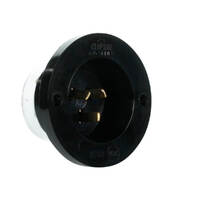
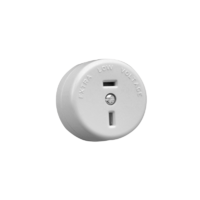
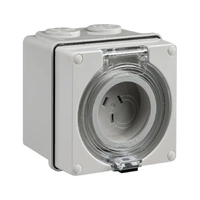
Surface-mounted inlets are the most common retrofit option. The body of the fitting sits proud of the van wall and is fixed with screws, with cable entry through the rear or a side gland. Most aftermarket replacements use this style because installation does not require cutting a deep recess into the wall.
The enclosure profile must suit the van wall, the seal between the fitting and the wall must keep water out, and the cable entry must be secured against vibration. Surface sockets in the broader power point range follow the same principles for residential and commercial work.
Recessed inlets sit inside the wall cavity for a cleaner, factory-style finish. They suit custom builds, premium caravans and conversions where the wall depth and access allow a deeper cut-out. The front flange sits flat against the cladding.
Flush mounting requires correct sealing around the cut-out, proper wall preparation and skilled installation. A poorly sealed flush inlet allows water tracking behind the cladding, which causes long-term rot in timber-framed vans and corrosion in aluminium-framed builds.
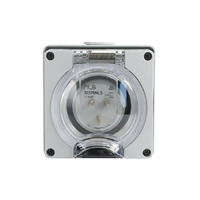
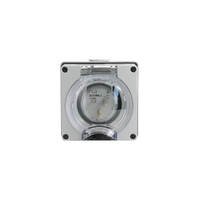
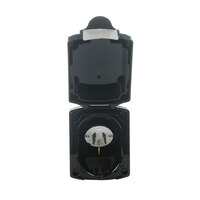
Hinged covers, rubber gaskets, UV-resistant housings and corrosion-rated contacts together create a weatherproof inlet. A flap protects the socket when not in use, and the gasket maintains the seal when a plug is engaged. IP ratings of IP34, IP44, IP54 and IP66 are common across this category.
Higher IP ratings suit coastal, dusty and high-pressure wash environments. A van that lives near salt air or tours unsealed roads benefits from a higher-rated housing. The wider weatherproof GPO range covers outdoor power points used in similar conditions on buildings and external structures.
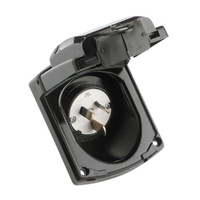
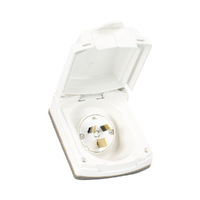
Colour is mostly aesthetic. Black inlets are popular on contemporary vans with darker exterior cladding, and white remains the default on lighter panels. Grey and orange industrial-style fittings are common where the inlet is shared with trade or off-road use.
UV-stabilised plastic matters more than colour. A non-UV-stabilised housing fades, chalks and becomes brittle within a few seasons of full sun exposure. Quality fittings from recognised electrical brands carry UV ratings and warranty terms appropriate to outdoor caravan use.
Choosing the right inlet or outlet comes down to six factors: amperage, mounting style, brand compatibility, compliance marking, IP rating and material durability. Replacement work usually means matching the existing cut-out and rating. New builds and conversions need a full specification by a licensed electrician.
Price alone is a poor selection guide for caravan electrical hardware. A cheap non-compliant fitting that fails after one season costs more than a quality fitting installed once. Genuine value comes from matched ratings, durable materials and verified compliance markings.
The inlet rating must match the van's internal wiring, circuit protection, supply lead and expected load. A 10A inlet on a circuit rated and wired for 10A loads is correct. A 15A inlet on a properly rated 15A circuit suits larger touring vans.
Oversizing the inlet without matching the wiring downstream creates a hazard. The 15A plug invites a 15A load through wiring that cannot safely carry it. Undersizing causes nuisance tripping and overheating at the inlet itself. Match every component in the chain.
For replacements, the safest path is like-for-like. Measure the existing cut-out, note the wall thickness, check the space behind the wall for cable access and the existing seal arrangement. A surface-mount fitting in the same footprint usually drops in without rework.
New installations require professional assessment. The installer chooses a location that protects the inlet from road spray, allows easy access for the supply lead and routes cable cleanly to the switchboard.
Australian caravan use is harsh. UV exposure on sealed roads, vibration on corrugations, coastal salt air on the east and west coasts, and road grime from wet-weather touring all attack outdoor fittings. The housing must be UV-stabilised, the contacts must be corrosion-rated, and the seal must hold up to repeated plug-and-unplug cycles.
Recognised electrical brands publish material and IP data on datasheets. Comparing those datasheets is faster than guessing from product images. Recognised Clipsal and HPM ranges include caravan-suitable fittings with documented IP and UV performance.
Look for the Regulatory Compliance Mark (RCM) and alignment with AS/NZS 3112 for plugs and socket-outlets, AS/NZS 3001 for caravan electrical installations and AS/NZS 3000 for general wiring rules. These markings indicate the product is approved for sale and installation in Australia.
Unverified imported parts and non-compliant online marketplace products can lack any of these. A compliant supply supports later inspection, insurance claims and resale value. Insurers can refuse claims where non-compliant electrical work contributed to a loss.
An inlet is one part of a complete shore power system. A safe and reliable setup also needs a correctly rated supply lead, RCD protection, a switchboard or distribution arrangement, internal power points and, where multiple supply sources exist, a changeover switch. Each component must match the rating of the inlet.
Electricians and RV builders planning a full installation should specify the entire chain before ordering any single component. Mixing a 15A inlet with a 10A internal switchboard or unrated lead defeats the protection built into the inlet rating.
15A-rated extension leads connect the caravan park pedestal to the van inlet. The lead must match the inlet rating, be in good condition with no cuts or repairs, be fully uncoiled during use to prevent overheating, and be the right length for the typical site. Common 15 metre, 20 metre and 30 metre lengths cover most pedestal-to-van distances.
Never run double adaptors, piggyback fittings or homemade leads between the pedestal and the van. Coiled leads carrying full load build up heat in the coil and can melt the insulation. Replace any lead with visible damage rather than repairing it on the road.
RCD protection is essential in caravan electrical systems. RCDs detect earth-leakage faults and disconnect supply before they cause harm. Depending on the installation, RCD protection sits at the van's switchboard, is integrated with a circuit breaker as an RCBO, or is provided through an approved portable adaptor at the pedestal end.
A licensed electrician should assess the correct protection arrangement for the van. AS/NZS 3001 specifies the protection requirements for caravan installations and is the reference standard for compliance.
A 240V changeover switch prevents backfeed between supply sources. When a van has shore power and a generator, or shore power and an inverter, the changeover ensures only one source is connected at a time. This protects equipment, prevents dangerous backfeed into pedestal wiring and meets the requirements of AS/NZS 3001.
Two-pole changeover switches handle single-phase 240V supplies typical in caravans. The installation, wiring and testing of a changeover arrangement is licensed electrical work.
Internal caravan power points are commonly double-pole-switched. Double-pole switching disconnects both active and neutral, which provides safer isolation in installations where the active and neutral polarity at the supply pedestal cannot be guaranteed. Double pole main switches serve the same purpose at the switchboard.
The inlet category connects directly with internal GPOs, switchboard hardware and weatherproof external power points. Specifying compatible parts across the full van wiring keeps the installation neat and inspector-ready.
Caravan owners reasonably want to understand what a good installation looks like. The honest answer is that fixed 240V electrical work on caravans is licensed work in every Australian state and territory. Buyers can source compliant hardware, but the fitting, wiring and testing must be carried out by a licensed electrical professional.
AS/NZS 3001 sets the requirements for electrical installations in caravans, motorhomes and similar vehicles. AS/NZS 3000 (the Wiring Rules) sits behind it for general electrical practice. Together with RCD protection requirements, these standards define a compliant van installation.
Installation, replacement and alteration of a 240V caravan inlet is licensed electrical work. The work can be performed by a licensed electrician, a caravan repair specialist holding electrical licensing or an authorised manufacturer repairer. DIY fixed wiring on a 240V caravan system can void insurance, breach warranty terms and create non-compliant installations that fail inspection.
A correctly performed installation is documented with a Certificate of Compliance or equivalent state-based certificate. Keep the paperwork with the van for inspection, sale and insurance purposes.
A competent installer assesses the amperage required for the planned load and the rating and condition of existing wiring. They check the mounting location relative to road spray and pedestal access. They route the cable from inlet to switchboard and confirm the existing RCD protection. Earth continuity across the van chassis is verified where applicable, and the weather sealing of the chosen fitting is checked.
Testing and certification follow the install. Insulation resistance, earth continuity, RCD trip and polarity tests confirm the work meets AS/NZS 3001 before the van is returned for use.
Common indicators include cracked housing, a loose or broken flap, visible water ingress around the body, and surface corrosion. Other warning signs are heat discolouration around the contacts, a plug that no longer holds firmly, intermittent power at the van, and damaged or bent pins or contact surfaces.
De-energise the inlet at the pedestal before inspection, then arrange a licensed electrician to assess and replace the fitting. Coastal touring, full-sun parking and high-vibration off-road use all accelerate inlet wear, so inspection intervals should be shorter for vans in these environments.
The Australian market for caravan inlets is dominated by a small number of recognised electrical brands. Buying factors that matter most are compliance documentation, available IP and amperage ratings, and the colour and mounting variants on offer. Stock depth on parts that match common cut-outs also matters, alongside delivery speed for repairers waiting on a van and trade pricing for builders ordering in volume.
Recognising the brand-by-brand differences shortens the search. Clipsal, HPM, Trader and a small group of compliant alternatives cover most of the inlet and outlet hardware specified in Australian caravan builds and repairs.
Clipsal by Schneider Electric is widely stocked, broadly recognised and familiar to most Australian electricians. The Clipsal 56 Series industrial range and the dedicated weatherproof inlet range cover common 10A and 15A caravan applications. Datasheets, IP ratings and approvals are well documented.
Adjacent Clipsal products that suit caravan installations include the Clipsal weatherproof GPO range for external power points and Easy 56 appliance inlets for industrial-style caravan and trailer connections. Electricians familiar with Clipsal 56 Series hardware find the caravan range follows the same conventions.
Budget-conscious options exist alongside the major brands. Trader, HPM and Hager all provide RCM-marked hardware suited to caravan and adjacent installations. The key distinction is between compliant value and non-compliant cheap imports. Compliant value lines carry the same approvals as the major brands at a lower retail price.
Lowest price alone should not override compliance, ratings or material durability. A non-compliant fitting that passes initial inspection but fails after a season of UV exposure costs more in labour, downtime and insurance risk than a properly specified replacement.
Online buyers should filter on amperage, mounting style, colour, IP rating and brand. Datasheets and approval certificates should be available on the product page or on request. Stock availability matters for repairers who need to put a van back on the road quickly. Bulk pricing helps caravan builders ordering for production runs.
Confirm the exact product code before ordering, especially when matching an existing cut-out. A small variation in flange dimensions or rear gland position can mean rework on the van wall. The full caravan inlet and outlet range covers the common 10A and 15A variants stocked for fast dispatch.
Club Clipsal is Australia's largest electrician community offering trade rewards, business support, and exclusive benefits. When you nominate Sparky Direct as your preferred wholesaler, we automatically apply your Clipsal spend points to your Club Clipsal account daily.
Entry-level offering coaching, mentoring, and training discounts
Unlock exclusive industry tools and networking events
Access Toyota fleet offers and business software discounts
Maximum benefits, including VIP experiences and rewards
1. Sign Up: Create your Club Clipsal account at clipsal.com/club-clipsal or via the iCat mobile app
2. Nominate Sparky Direct: Select Sparky Direct from the wholesaler dropdown menu in your profile
3. Add Email: Enter your Sparky Direct account email address in the membership number field
4. Start Earning: Every dollar spent on Clipsal products earns points automatically
Redeem points from the rewards store, including gift cards, tools, and experiences. Access business summits, product training, and industry networking events. Receive early access to new product launches and special promotions. Connect with fellow electricians via the Club Clipsal community app.
Watch Clipsal O3025-XW-10Bundle | Iconic Weatherproof Double Power Point 10amp | White | IP54 | 10 Bundle video
Watch CLIPSAL Iconic O3025-BK | Double Weatherproof Power Point 10amp | Black | IP54 video
Watch Fluke ST240+ | RCD Socket Tester With Beeper video

I bought these special inlet/outlet for the 240V of our latest bus to motorhome conversion build. I have bought from Sparky previously totally satisfied, and once again, the price was the lowest I found through a Google search, the package arrived super fast, the packing was neat and secure, and the receptacles of top quality. These replaced the RV specific ones I had bought elsewhere, which had cost me almost double the price about 4 years ago, but, had suffered through UV and weather exposure. Super happy with Sparky prices, fast despatch service, and highly recommend them to all my industry colleagues.
This was used to replace the standard caravan/RV 15 amp 240v input which never really holds the plug very well. The plug always works itself loose or gets kicked off. However this problem is now permanently resolved by replacing it with the Clipsal EY56AI315. It’s waterproof and takes a positive locking connection that will never accidentally fall off.
Might seem silly, but also clearly obvious... I bought this to mount on an outside wall of my new dugout (underground home). Power goes out from time to time, so now I will be able to connect a lead from the house to a generator and run prewired power points inside. Simple, neat and discreet.
Quality products in stock • Fast Australia-wide delivery • Competitive trade pricing
Browse Caravan Power Inlets → Get Expert Advice →Yes. They are built to withstand outdoor environments when installed correctly.
Caravan Power Inlets are available from Sparky Direct, offering Australia-wide delivery and access to compliant caravan electrical products.
Consider the current rating, mounting style, and confirm suitability with a licensed electrician.
Returns depend on the seller’s return policy and whether the product is unused and in original packaging.
Most caravan power inlets include a manufacturer’s warranty, subject to correct installation and normal use.
They are typically sold individually, allowing you to replace or install exactly what is needed.
They generally require only visual inspection and normal electrical safety checks.
Some models include locking features or secure covers to prevent accidental disconnection.
Yes. Licensed electricians commonly work with caravan and RV power connections.
Yes. They are often replaced or upgraded during caravan refurbishments.
Yes. Once connected, internal outlets can power common appliances within their rated capacity.
Most modern designs are compact and sit neatly against the caravan wall.
Yes. Safety depends on correct installation, suitable leads, and compliant power sources.
Caravan inlets and outlets are electrical connectors designed to safely supply power between a caravan or RV and an external power source.
Yes. They are designed for simple and secure connection when plugging into a suitable power source.
They provide a safe and compliant way to connect external power without using domestic plugs or unsafe adapters.
Yes. They are commonly used across caravans, motorhomes, camper trailers, and similar recreational vehicles.
Yes. Internal caravan outlets are designed to distribute power safely inside the caravan once connected to an external supply.
Yes. Most caravan power inlets are designed with weather-resistant housings for outdoor exposure.
Yes. Caravan inlets are specifically designed for outdoor use and higher current ratings commonly used in caravans.
Most caravan power inlets are rated at 15 amps, which is standard for caravan power connections.
They are typically designed for 230–240 volts AC to suit Australian mains supply.
Yes. Installation or replacement must be carried out by a licensed electrician in accordance with AS/NZS 3000 Wiring Rules.
Yes. They are designed to comply with relevant Australian electrical requirements, including applicable AS/NZS standards, when installed correctly.
A caravan power inlet is the fixed connection point on a caravan that allows mains power to be connected from an external supply lead.