
Search Results:
Search Results:
Search Results:
Search Results:
Electrolyte powder is a powdered drink mix that delivers minerals lost through sweat. Sodium, potassium, magnesium, calcium, and chloride are the main players. They dissolve in water and pass into the bloodstream quickly when consumed. Australian tradies working through summer can lose one to two litres of sweat per hour on a hot roof or in an unventilated ceiling space. That is a lot of salt out the door.
An electrolyte is any mineral that carries an electrical charge when dissolved in body fluids. These charges drive the signals that move muscles and nerves. When sweat strips them out faster than food and drink put them back, performance drops. Electrolyte powder is a fast, measured way to top them back up.
Drinking water replaces fluid volume but not the salts. In fact, drinking large amounts of plain water during heavy sweating can dilute the sodium left in the blood. This is called hyponatraemia, and it causes nausea, headache, and confusion. Sodium has to come back in alongside the water for hydration to actually work.
Sodium and potassium move water in and out of cells. Magnesium and calcium control how muscles contract and relax. When the balance is off, cramps come on, focus drifts, and reaction time slows. None of that is acceptable when you are running cable in a switchboard or working off a ladder.
Electrolyte powder is sold through chemists, supermarkets, sports retailers, and trade suppliers. For tradies, the trade supplier route makes the most sense: bulk packs, sachet formats built for site use, and pricing that beats consumer outlets. Sparky Direct stocks the THORZT range as part of its broader safety equipment offer.
Supplement stores tend to stock sports nutrition formulas aimed at gym users. The packaging is tubs, the dosing is performance focused, and the price per serve runs higher. Online trade suppliers carry sachet packs designed for crib bags and ute consoles, with formulas tuned for industrial sweat loss rather than weights room recovery.
Stock depth matters. Running out mid summer is a real risk. A supplier with a known industrial brand on the shelf, fast Australia wide despatch, and trade pricing on bulk multipacks will keep a crew moving through a heatwave without scrambling.
Sachet boxes of 50 work well for small to mid sized crews. Larger sites or contractors running multiple jobs benefit from buying multiple boxes at once. Per serve cost drops, and the storage footprint is small enough to keep a fortnight of supply in a site shed.
Once you mix the powder into water and drink it, the gut absorbs both the fluid and the electrolytes within minutes. The minerals enter the bloodstream and redistribute to where they are needed. Muscles, nerves, and the brain all get a top up at once. The effect is faster than eating salty food because the powder is already dissolved.
Cells need both water and the right mineral concentration to hold their fluid. Sodium pulls water into the bloodstream during absorption. Without enough sodium in the drink, water passes through quickly and ends up in the bladder rather than the cells.
Sodium sits mostly outside cells, potassium mostly inside. The pump that moves them back and forth is what generates the electrical signals in nerves and muscles. A formula that includes both, in the right ratio, supports that pump under heavy sweat loss.
With electrolytes restored, energy levels stabilise, mental focus comes back, and the post shift recovery period shortens. Crews who hydrate properly through the day finish less cooked and pull up better the next morning.
Most quality formulas list four to six minerals. Each plays a specific role. The amounts matter as much as the ingredient list, because too little does nothing and too much causes its own problems.
Sweat is salty. A litre of sweat carries roughly one gram of sodium. Replacing it lets the body actually hold onto the water you drink. Without sodium, you keep drinking and keep going to the toilet without feeling rehydrated.
Potassium is the partner mineral. It works with sodium to drive nerve impulses. Low potassium shows up as muscle weakness and cramping, particularly in the calves and forearms after a long day on tools.
Magnesium gets used up in muscle contraction. Topping it up after a heavy shift supports overnight recovery. Many tradies report better sleep when magnesium is part of their hydration routine.
Calcium is best known for bone health, but it also plays a role in muscle contraction. Chloride is the other half of table salt and works alongside sodium to keep fluid in balance.
Plain water, off the shelf sports drinks, and electrolyte powder all hydrate, but they do not all hydrate equally. The right choice depends on how hard you are working and how long the shift runs.
| Option | Sodium | Sugar | Best Use |
|---|---|---|---|
| Plain water | None | None | Light work, mild conditions |
| Sports drinks | Low to moderate | High (often 6 to 8 percent) | Short bursts, gym use |
| Electrolyte powder | Moderate to high | Low or sugar free | Heavy sweating, long site shifts |
Most ready to drink sports beverages carry six to eight percent sugar. That slows water absorption and adds kilojoules a tradie does not need across an eight hour shift. Sugar free electrolyte powder absorbs faster and avoids the sugar crash later in the day.
A typical sports drink delivers around 200 to 400 mg of sodium per 600 mL bottle. A trade focused electrolyte sachet often hits the same or higher in a smaller volume. For workers losing two litres of sweat across a shift, that concentration difference adds up.
Cool day, indoor work, light sweating: water is fine. Moderate exertion or short hot stints: a sports drink covers it. Hot ceiling spaces, summer roofing, full PPE in heat: electrolyte powder is the right tool.
Electrolyte products come in three formats: powder sachets, ready to drink bottles, and frozen icy pole tubes. Each suits a different site situation. Most crews end up running a mix.
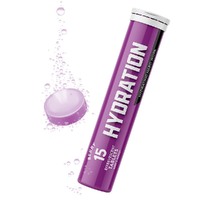
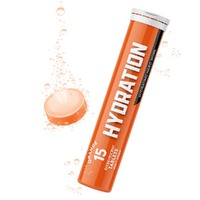
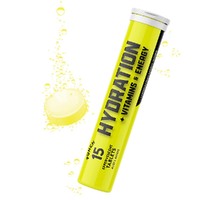
Sachets win on portability. They sit in a glove box, a tool belt, or a smoko bag without taking up space. Drop one in a water bottle, shake, and go. Effervescent tablets like the THORZT THEV15 punch flavour run on the same logic but fizz instead of stir.
Powder sachets land at the lowest cost per serve. Ready to drink bottles include packaging and water you are paying to ship. Icy pole formats sit in the middle: a fun way to cool a hot crew at lunch but pricier per dose than a basic sachet.
Sachets generate less waste than single use plastic bottles. The packaging is also lighter, which lowers shipping emissions on bulk orders. For larger contractors with sustainability targets, the powder format is the cleaner choice.
The reason this product sits in the safety equipment section, alongside the first aid kits and hi vis gloves, is that hydration is a safety issue on hot sites. The benefits show up across the day, not just at smoko.
Steady electrolyte intake holds energy levels through the second half of the day. Mental sharpness stays up. Reaction times stay quick. The fade that hits crews around 2 pm in summer becomes a lot less severe.
Replacing what you lost during the day shortens the rebound time. Less stiffness next morning, fewer night cramps, faster return to feeling normal. For tradies running consecutive long days, that matters.
Even outside of peak summer, a sachet a day can support general hydration. Useful for older tradies, those working in dehumidified environments, or anyone doing fly in fly out work in remote conditions.
Anyone losing salt through sweat benefits from a structured replacement strategy. The product crosses into trade, sport, and general health categories.
The core market. Sparkies in roof spaces, plumbers in trenches, builders on slabs in summer, and anyone doing fly in fly out work in northern Australia. The combination of high sweat loss, long hours, and PPE that traps heat makes electrolyte replacement essential.
Endurance athletes, team sport players, and anyone doing long training sessions in heat. The same biology applies: sweat loss has to be replaced or performance suffers.
Sickness involving fluid loss can leave a person flat for days. Electrolyte replacement supports a quicker return to function. Always check with a doctor for serious illness or any pre-existing medical condition.
Low carb eating reduces water and salt retention. Electrolyte powder can offset the headaches and fatigue that often come with keto adaptation. Sugar free formulas suit these users best.
Not all electrolyte powders are built the same. Some are sugar loaded sports drinks in disguise. Others are clinical rehydration salts aimed at illness. Trade focused formulas sit in between: enough sodium to handle sweat loss, low sugar to avoid kilojoule overload, and flavours that work hot or cold.
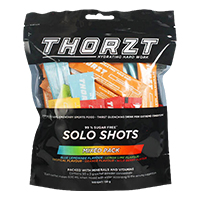
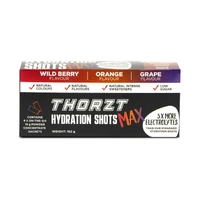
For a sparky doing roof work in a Brisbane February, sodium is the priority. Look for at least 250 mg per serve. For lighter indoor work, a lower sodium formula is fine. The THORZT solo shots range covers the higher sodium end of the trade market.
Sodium per serve is the number to read first. Below 100 mg is light. 200 to 400 mg suits most trade conditions. Above 500 mg is for very heavy sweat loss. Match the dose to the day, not the other way round.
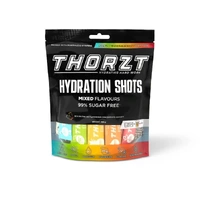
Check the sugar line on the nutrition panel. Anything above 5 grams per serve is essentially a sports drink. For an eight hour shift, that adds up to a lot of unnecessary kilojoules. A 99 percent sugar free option such as THORZT Solo Shots solves the problem.
Quality brands list sodium, potassium, and magnesium amounts in milligrams per serve. Vague labels that just list ingredients without amounts are a red flag. Trade brands that have been on Australian sites for years tend to have better transparency than newer wellness products.
The right product and dose change with the job. A few site scenarios cover most of what tradies face.
Roof cavities can hit 50 degrees on a 35 degree day. Sweat rates run high and time exposure has to be limited. Two to three sachets across a day, taken with steady water intake, supports the crew through repeat ceiling visits.
Open ground, full sun, heavy lifting. The classic high sweat scenario. A sachet at smoko and another at lunch sets the day up properly. Pair with proper safety glasses and sun protection for the full picture.
Fly in fly out workers face flight dehydration on top of site conditions. A sachet on the plane and another on arrival helps reset hydration before the first shift starts. Sachets travel through airport security without issue.
Some tradies start the day with a sachet rather than coffee. The mineral top up after a night of fluid loss kicks the body into gear. It is a simple habit that pays back across a working week.
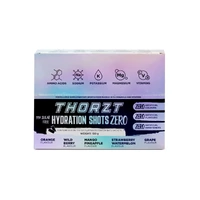
The sugar free segment has grown sharply. Tradies tracking weight, diabetic users, and anyone watching kilojoules want hydration without the carbs. The THORZT 99 percent sugar free range was built for this.
Clean label products avoid artificial colours and unnecessary fillers. The ingredient list reads short and the active minerals dominate. For tradies with food sensitivities, this format is easier on the gut over long term use.
The 99 percent sugar free line uses non nutritive sweeteners to deliver flavour without the kilojoules. Suitable for diabetic users (always check with a doctor first), keto eaters, and anyone watching weight. Same hydration benefit, different metabolic profile.
Most powders are vegan friendly by default. Always check the label for dairy derivatives in flavoured products. Allergen labelling on Australian products follows FSANZ requirements and is straightforward to read.
The THORZT effervescent tablets add B group vitamins for additional energy support. Useful for crews who skip breakfast or run on coffee. Not a meal replacement but a useful boost mid morning.
Most products are designed around one sachet per 600 mL to 750 mL of water. Stick close to the recommended ratio. Stronger does not mean better, and weaker means you are barely getting the dose.
Light sweating: one sachet a day is plenty. Moderate sweating: two sachets, one mid morning and one after lunch. Heavy sweating in summer heat: three sachets across the day, paired with steady water intake. Adjust up or down based on how the day actually plays out.
Pre shift dosing primes the system. Mid shift dosing keeps levels steady. Post shift dosing supports overnight recovery. The ideal pattern is one before starting and one or two during the working day.
The sweat patch on a hi vis shirt at smoko time is the simplest gauge. Wet through means heavy loss and the dose should match. Light damp means a single sachet will cover the day.
Too much sodium in someone who is not sweating heavily can raise blood pressure and stress the kidneys. Tradies with high blood pressure, kidney issues, or other medical conditions should check with a doctor before adding a daily electrolyte product.
Sachet one with breakfast or in the ute on the way to site. Sachet two at smoko around 10am. Sachet three with lunch if the day is hot enough to warrant it. Plain water in between to maintain volume. This pattern covers most tradie shifts through Australian summer without overdoing the salt.
Most electrolyte products do roughly the same job. The difference between brands shows up in dosing accuracy, mixability, taste, and pack format. Trade users care about practical things: does it dissolve cleanly, does it taste decent at 35 degrees, and does the pack survive a tool belt.
Higher quality formulas hit the dosing levels recommended by sports medicine guidelines. Sodium of 250 to 500 mg per serve is in the useful range. Lower than that and the product is mostly flavoured water.
Powder that clumps in a drink bottle is annoying on a hot day. Quality brands grind to a fineness that dissolves quickly with a shake. Flavour matters because crews who do not like the taste will not drink enough of it. Multi flavour packs let users find what works.
Australian made products labelled to FSANZ standards meet the basic transparency bar. Established trade brands with years of site use behind them carry more credibility than newer wellness brands aimed at consumer markets.
Sealed sachets last 18 to 24 months in a cool dry place. Once opened, use within the day. Keep tubs sealed and out of direct heat. Storage in a hot ute glovebox shortens shelf life, so a shaded tool box section is better.
A few patterns come up repeatedly with new users. Most are simple to fix once you know what to look for.
Per serve cost is the number that matters. A cheap tub that you do not enjoy drinking is poor value. A slightly pricier sachet pack that crews actually consume across the day delivers the hydration outcome.
Budget products work but often skimp on sodium or skip magnesium. Premium products carry full mineral panels and better flavours. For trade use, the mid range trade brands hit the sweet spot.
50 sachet boxes drop the per serve cost significantly. Two or three boxes for a small crew through summer is a sensible buy. Larger contractors managing multiple sites benefit from coordinated bulk orders rather than scattered consumer purchases.
A single ready to drink bottle in a service station can run six to eight dollars. A trade brand sachet drops to a fraction of that. Across a summer of three sachets a day, the savings are real money.
Avoiding a single heat illness incident pays for years of supply. The downstream costs of a worker going down on a hot day, including time off, replacement labour, and potential WorkCover involvement, far outweigh the cost of stocking the product properly.
Electrolyte powders sold in Australia sit under Food Standards Australia New Zealand (FSANZ) rather than the TGA, unless they make therapeutic claims. The labelling requirements ensure ingredients and nutritional information are accurate.
As food formulated supplementary sports foods, electrolyte powders meet specific compositional requirements. The FSANZ standard sets out allowable ingredients and labelling rules. This is the baseline regulatory framework for products sold through general retail and trade channels.
Safe Work Australia provides guidance on managing heat exposure in the workplace. Hydration is one of the recommended controls. Employers running outdoor or hot indoor crews should factor electrolyte access into their heat management plan, alongside shade, rest breaks, and acclimatisation.
People with high blood pressure, kidney disease, heart conditions, or diabetes should check with a doctor before regular electrolyte powder use. The sodium load can interact with prescribed medications. Most healthy working tradies have no issues, but a quick GP conversation rules out concerns.
For healthy adults under heavy sweat conditions, two to four sachets a day is well within safe limits. Outside of heavy sweating, one sachet is plenty. The product is designed for active use, not as a permanent replacement for ordinary water.
Watch THORZT SSSFMIX | 99% Sugar Free Solo Shots Mixed Pack | Electrolyte Powder 50 Sachets video
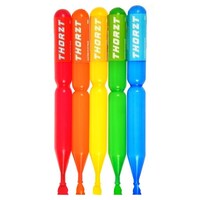
Watch THORZT ICEMIX | Icy Pole Mixed Flavour Pack | 10 Pack video
Watch THORZT THEV15-PU | Effervescent Hydration, Vitamin and Energy Tablets Punch Flavour | 15 Tablets video

The thorzt represent great value being about half the price of the other hydrating brand we all know. The flavours are good, some better than others but that's a personal thing. All up I love these and have used them for some long time now.
Great on a hot day but the packaging is bizarre. They have the same flavour as the drinks and I enjoy them. Just wish the packaging wasn't so odd. Why the teat? Why the waistline?
Definitely recommend this product for that extra bit of hydration during hard/hot work!
Quality products in stock • Fast Australia-wide delivery • Competitive trade pricing
Browse Electrolyte Powder → Get Expert Advice →Flavour varies by brand and formulation, with many designed to be lightly flavoured and easy to drink.
Sparky Direct supplies electrolyte powder with fast Australian delivery to help support hydration for work and active environments.
Yes, electrolyte powder is often supplied for workplaces to support hydration in demanding conditions.
Yes, electrolyte powder has a shelf life and should be used before the expiry date shown on the packaging.
Check ingredient lists, flavour options, sugar content, and suitability for your activity level.
Electrolyte powder is commonly available in individual sachets as well as larger tubs or containers.
If you have specific health concerns or dietary requirements, it is recommended to seek advice from a qualified health professional.
Some people use electrolyte powder on less active days, but needs are generally lower when fluid loss is minimal.
Electrolyte powder can be consumed with or between meals, depending on personal preference and hydration needs.
The recommended amount varies by product and should follow the manufacturer’s instructions on the packaging.
Yes, electrolyte powder is lightweight and portable, making it convenient for work sites and travel.
Yes, electrolyte powder is often used by trade, construction, and outdoor workers exposed to heat and physical exertion.
Most electrolyte powders dissolve well in both cold and room temperature water.
Electrolyte powder is used to help replace essential minerals and fluids lost through sweating during physical work, heat exposure, or exercise.
It is commonly taken before, during, or after physical activity or heat exposure, depending on hydration needs.
Electrolyte powder is typically mixed with water according to the manufacturer’s directions before consumption.
Electrolyte powders are generally regulated as food products and must comply with Australian food safety requirements.
Yes, electrolyte powders are available in a range of flavours as well as unflavoured options.
Many products are suitable for regular use when consumed as directed, but usage should align with individual needs and activity levels.
By supporting hydration, electrolyte powder may help reduce fatigue associated with fluid and mineral loss, though results vary by individual.
Some electrolyte powders contain sugar or carbohydrates, while others are low or no sugar depending on the formulation.
Electrolyte powder can be used for sports or physical activity, but it is also commonly used by workers in active or high-heat conditions.
Electrolyte powder adds minerals to water, which can assist the body in retaining fluids more effectively than water alone in some situations.
Yes, electrolyte powder is often used in hot or physically demanding environments to support hydration when fluid loss is increased.
Common electrolytes include sodium, potassium, magnesium, and sometimes calcium, which support normal hydration balance.