
Search Results:
Search Results:
Search Results:
Search Results:
Safety gloves are hand coverings engineered to protect the wearer from a defined hazard or set of hazards. Unlike ordinary gardening or household gloves, safety gloves are tested and rated against industry standards such as EN388 (mechanical risks) and EN60903 (electrical insulation). The rating tells the buyer exactly how much cut, abrasion, puncture, or voltage protection the glove delivers.
Hand injuries remain one of the most common workplace injury categories in Australian trades. A single pair of gloves cannot cover every hazard. Mechanical risks (cuts, abrasions, punctures) need different materials from chemical splash, heat, or electrical contact. The right glove is matched to the specific task rather than chosen as a one-size-fits-all option.
Under Australian WHS legislation, hand protection sits inside the hierarchy of controls. It is the last line of defence after elimination, substitution, engineering, and administrative controls have been applied. Gloves do not remove risk, they reduce the severity of a remaining hazard. Treating them as primary rather than supplementary leaves workers exposed.
Dedicated safety suppliers carry the widest catalogue, but they rarely stock certified electrical insulated gloves to IEC and ASTM standards. Electrical wholesalers such as Sparky Direct focus on products used by qualified electricians, which includes Class 0 and Class 00 safety insulated gloves alongside general-purpose trade gloves.
Check for clear product descriptions, published sizing charts, and standards references (EN388, EN60903, AS/NZS 2161 series). A reliable supplier names the brand, states the rating, and lists the size range. Vague descriptions with no certification details usually signal unverified stock that should be avoided for high-risk tasks.
Bulk buying makes sense for consumable gloves used daily. Nitrile disposables, grip gloves, and general handling gloves are often bought by the box or carton. Certified insulated gloves are purchased per kit with documented inspection dates. Sparky Direct ships Australia-wide with trade pricing available on most safety categories.
Sharp sheet metal, cable ends, blades, wire strands, and glass create cut and puncture risk. Abrasion comes from handling rough materials over long periods. These mechanical hazards are the most common across trades and are covered by the EN388 rating system.
Electricians encounter solvents, adhesives, contact cleaners, and battery acid. Plumbers and mechanics handle degreasers, fuels, and lubricants. Chemical resistance varies by material: nitrile handles oils and many solvents; latex does not. The wrong material fails within minutes of contact.
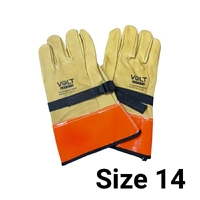
Heat gloves rate resistance to contact heat, convective heat, and radiant heat separately. Impact gloves use TPR (thermoplastic rubber) shells to protect knuckles and fingers from crush injuries on site. Electrical insulated gloves carry a voltage class rating and must be paired with leather overgloves to prevent mechanical damage to the rubber.
Single-use gloves prevent transfer of dirt, grease, and biological contamination. They are used in tasks where hand-to-product contact matters more than mechanical protection. Nitrile is the standard choice because latex allergies are common and vinyl offers poor barrier performance.
Specialised categories sit inside these main groups. Grip gloves target wet and oily handling. Nitrile safety gloves cover disposable and reusable chemical-contact tasks. Hi vis gloves add visibility for roadside and low-light work.
Leather absorbs sweat, resists abrasion, and provides moderate heat protection. It stiffens when wet and loses performance in chemical exposure. Fabric gloves (cotton, knit liners) offer comfort and breathability at the cost of cut and puncture resistance, so they are usually the base layer for a coated glove rather than the outer shell.
Latex delivers excellent elasticity and fine-motor control but triggers allergies in around one percent of users. Nitrile resists oils, many solvents, and punctures while avoiding the latex allergy risk. Neoprene offers broad chemical resistance, including to acids and alcohols, at a higher price point.
HPPE (high-performance polyethylene) and aramid yarns deliver cut resistance at low weight. Steel and glass fibres push ratings into the highest EN388 categories. Palm coatings (nitrile foam, PU, latex crinkle) determine grip in dry, wet, and oily conditions without compromising the cut rating of the shell.
| Application | Primary Material | Key Benefit |
|---|---|---|
| Cable pulling and fit-off | HPPE shell, PU palm | Cut resistance with dexterity |
| Live low-voltage work | Natural rubber (Class 0) | 1000V insulation rating |
| Solvent handling | Nitrile or neoprene | Chemical barrier |
| Heavy materials handling | Leather, synthetic leather | Abrasion resistance, durability |
| Wet or oily conditions | Nitrile foam palm | Grip on slippery surfaces |
EN388 is the standard most Australian safety gloves cite. It reports four mechanical properties: abrasion (0 to 4), cut (1 to 5 Coupe test), tear (1 to 4), and puncture (1 to 4). A newer ISO cut test reports levels A to F, with F the highest. Higher numbers or letters indicate greater resistance, but they do not guarantee cut-proof performance.
EN374 rates gloves against a panel of test chemicals. The result is expressed as a breakthrough time, which is how long a chemical takes to permeate the material. A Type A rating covers six or more chemicals at Level 2 (30 minutes) or better. Match the chemical on site to the tested chemical list, not just to a general "chemical resistant" label.
Core standards to recognise: EN388 (mechanical), EN374 (chemical and micro-organism), EN407 (heat and fire), EN511 (cold), and EN60903 (electrical insulation). Australia also references AS/NZS 2161 for occupational protective gloves. Insulated electrical gloves for live work must meet EN60903 or the equivalent IEC 60903 and ASTM D120 specifications.
A cut level A or 1 is suitable for light assembly. Levels C to D suit cable work, sheet metal, and general trades. Levels E and F are reserved for glass handling, food processing with blades, and heavy metal fabrication. Over-specifying wastes money and reduces dexterity. Under-specifying leaves injury risk.
AS/NZS 3000:2018 (the Wiring Rules) requires appropriate PPE for electrical work. Safe Work Australia's Model Code of Practice for Managing Electrical Risks specifies insulated gloves tested to EN60903 or equivalent for any work where live contact is possible. Check the standard stamp on the glove cuff before each use.
Start with a risk assessment. List the hazards present: sharp edges, chemicals, voltage, heat, vibration. Then shortlist gloves that carry the correct rating for each hazard. If the task exposes the hand to more than one risk, either choose a multi-hazard glove or change glove between task phases.
Indoor temperature-controlled work tolerates thinner, more dexterous gloves. Outdoor work in heat needs breathable palms. Cold work needs insulation rated to EN511. Wet environments need a coating that maintains grip when saturated. The environment modifies the base selection made from the hazard list.
Thicker materials protect more but reduce feel. A glove too bulky for the task often gets removed, which defeats the purpose. A cut level C with a thin PU palm coating is usually a better real-world choice than cut level F in a heavy leather shell, unless the cut hazard is extreme.
Common errors: buying on price alone, ignoring the standards stamp, choosing the wrong size, and using one glove type across all tasks. Size matters for both protection and comfort. A loose glove slips off; a tight glove restricts circulation and causes fatigue.
Electricians need three glove types: general trade gloves for pulling cable and fit-off, cut-resistant gloves when stripping and terminating, and certified Class 0 or Class 00 insulated gloves for any live low-voltage work. The insulated gloves must be inspected before each use, air-tested, and within their retest date. Sparky Direct stocks Volt Safety Class 0 kits that include the rubber glove, leather overglove, and storage bag.
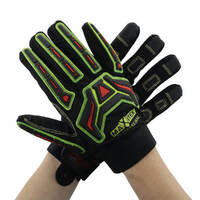
Construction work combines abrasion, impact, and cut risks. TPR-backed impact gloves with cut level C to D palms suit most structural tasks. Hi-vis colours help on congested sites. Hi vis gloves pair well with hi-vis workwear for roadside and after-dark work.
Mechanics prioritise oil resistance and dexterity. Nitrile-coated palms handle tools covered in grease. Disposable nitrile is used for oil and fluid changes. A cut-resistant liner under a disposable glove is common for metal work that still needs clean-hand contact.
Wet work needs a waterproof or water-resistant coating and a palm material that grips when wet. Nitrile foam and sandy-finish nitrile perform well. Avoid smooth latex in wet conditions. For cold and wet combined, look for EN511 plus a waterproof membrane.
A correctly sized glove sits against the palm without bunching, leaves about 5mm at the fingertip, and closes cleanly around the wrist. European sizing uses numbers 6 to 11 based on hand circumference in inches. Use a tape measure around the knuckles to determine the correct size before bulk ordering.
Fine tasks (terminations, small fixings, touchscreens) need thin, flexible gloves. Heavy tasks (concrete, timber framing, demolition) tolerate bulk. Trying to use one glove across the full range of tasks means either giving up protection on heavy work or giving up dexterity on fine work.
Australian summer conditions make glove choice harder. Breathable back-of-hand fabrics, ventilated knit liners, and sweat-wicking treatments all help. Unlined nitrile in 35 degree heat becomes uncomfortable within 20 minutes. A lined or vented equivalent extends wear time significantly.
The safest glove is the one the worker actually keeps on. Comfort, fit, and appearance all affect compliance. Buying cheap gloves that workers refuse to wear costs more than buying comfortable gloves that stay on. Involve the people doing the work in sample trials before committing to large orders.
Glove lifespan depends on task intensity, material, and correct sizing. A coated cut-resistant glove used daily for cable work typically lasts one to two weeks of continuous use. Heavy leather rigger gloves last longer but provide less dexterity. Tracking lifespan against task helps forecast replacement budgets accurately.
Grip is tested by measuring the force needed to slip a cylinder from the gloved hand. Nitrile foam coatings hold grip in water and light oil. Sandy nitrile grips well in heavy oil. Smooth coatings slip in any moisture. The coating pattern and surface texture matter as much as the base material.
Knitted seamless shells flex with the hand. Cut-and-sewn gloves are stiffer but cheaper. The number of gauge (stitches per inch) on a knitted glove indicates fineness: 13 and 15 gauge are thin and dextrous; 7 and 10 gauge are thick and protective.
Brands with long track records in safety (3M, Maxisafe, Pro Choice, PIP, MMS Safety) publish test data and provide batch traceability. For insulated electrical gloves, Volt Safety is a specialist supplier with certified Class 0 kits used across Australian electrical trades.
Bunching at the palm, fingers that extend past the glove tip, or a loose cuff all indicate wrong sizing. Order one size above and one size below the measured size for trial, then standardise on the best fit before bulk ordering.
Grip loss usually means the coating is worn or saturated with oil. Dexterity loss means the glove is oversized, the coating has hardened, or the task requires a thinner glove. Rotate gloves more often or move to a different coating type.
Holes in the fingertips suggest abrasion beyond the glove's rating. Holes in the palm suggest cut or puncture exposure the glove cannot handle. Move up one cut or abrasion level if failures happen within a few days of use.
Signs of wrong selection: workers removing gloves mid-task, frequent glove changes, visible hand injuries despite glove use, or repeated chemical contact symptoms. Revisit the risk assessment and match glove specification to actual task conditions.
Under the Work Health and Safety Act, employers must provide PPE that is suitable, correctly sized, and maintained. Workers must use PPE as instructed. Providing gloves is not enough: the gloves must match the hazard, fit the worker, and remain in serviceable condition.
A documented risk assessment identifies hazards, assesses likelihood and severity, and specifies the controls including glove type and rating. The assessment should name the standard (EN388, EN374, EN60903) and the minimum rating required. Generic entries like "wear gloves" do not meet the documentation standard.
Workers need training on correct glove selection, donning and doffing without contaminating the hand, inspection before use, and when to replace. Insulated gloves require additional training on air-testing, interval inspection, and retest requirements.
Keep records of glove purchase, issue to workers, inspection, and replacement. For insulated electrical gloves, record the date of manufacture, date first issued, retest dates, and test results. A good records system supports WHS audits and injury investigations.
Licensed Electrical Work: Only a licensed electrician may perform electrical work on installations covered by AS/NZS 3000:2018. Insulated gloves are part of the PPE but do not substitute for isolation, testing for dead, and safe work procedures. Always de-energise, isolate, and prove dead before work wherever possible.
Visual inspection takes 10 seconds. Look for holes, tears, stiffening, discolouration, and contamination. For insulated electrical gloves, roll the cuff toward the fingers to trap air and check for leaks. Any glove that fails visual or air-test is removed from service immediately.
Most reusable gloves are hand-washed in mild detergent and air-dried. Avoid machine washing unless the manufacturer specifies it. Store gloves flat, away from direct sunlight and ozone sources such as electric motors. UV and ozone degrade rubber over time even when the glove is not used.
Replace when you see holes, loss of coating, stiffness, or any chemical discolouration. Insulated electrical gloves are replaced at the manufacturer's retest interval even if they look perfect. Mechanical gloves are replaced when the palm or fingertip material no longer offers the rated protection.
Track gloves by task type rather than by worker. A pair used daily on cable prep has a different lifespan from a pair used weekly on light assembly. Simple spreadsheet tracking with task, issue date, and replacement date gives enough data to forecast stock levels and budget accurately.
Budget gloves from unknown brands often skip certification and fail early. Premium gloves from recognised brands cost more per pair but last longer and carry verifiable ratings. Calculate cost per hour of use rather than cost per pair to compare accurately.
Disposable nitrile, general handling gloves, and cut-resistant knit gloves are candidates for bulk purchase. Buy in full cartons where possible. Keep two to three weeks of stock on site. Do not bulk-buy specialist gloves like insulated electrical kits; buy them per user with correct sizing.
A glove that costs twice as much but lasts three times longer is cheaper in practice. Factor in the indirect costs too: workers changing gloves mid-task, disposal volumes, and injury costs. A five-dollar glove that prevents a 5,000-dollar laceration injury is a good investment.
Correct glove selection reduces injury claims, lost time, and replacement frequency. It also improves worker compliance because comfortable gloves get worn. The payback on investing time in selection is measured in months, not years.
Using a dexterity glove on a cut hazard leads to lacerations. Using a mechanical glove on live electrical work can be fatal. Using an expired insulated glove defeats its purpose. Every mismatch increases injury risk and exposes the employer to WHS non-compliance.
Certified gloves carry a standard stamp (EN388, EN374, EN60903), a manufacturer mark, a size, and often a batch number. Uncertified gloves may meet the rating in marketing but have no test data behind the claim. For high-risk work, only certified gloves should be used.
Gloves work alongside other PPE: safety glasses, ear protection, safety goggles, safety mats, and lock out equipment. A complete PPE system treats each risk rather than relying on one item for all protection.
Some sites mandate minimum cut ratings regardless of task, or specify approved brands for compliance consistency. Check site inductions and safe work method statements before attending. Bringing gloves that fall short of site requirements delays work and creates compliance issues.
Safety gloves are part of a broader trade kit. Pair them with electrician hand tools selected for insulation and grip, and with isolation equipment from the lock out category for live work control. Specify PPE as a kit rather than as individual items to keep cover complete.
Watch Volt Safety LVR-KIT | Low Voltage Switchboard Rescue Kit video
Watch Volt Safety LVR-KIT | Low Voltage Switchboard Rescue Kit video
Watch Volt Safety LVR-KIT | Low Voltage Switchboard Rescue Kit video

Great value gloves. Exactly what I needed at a great price and speedy delivery! Having used insulated gloves a lot in my career, I can recognise value! Cheers and thanks!
Awesome range of specialized electrical items on their catalogue. Rare find these days and a reasonable price for items purchased.
Sparkie direct were a great online buying option with quick turn around for delivery and I will most definitely us again
Quality products in stock • Fast Australia-wide delivery • Competitive trade pricing
Browse Safety Gloves → Get Expert Advice →Yes, well-designed gloves can improve grip and reduce strain during repetitive tasks.
Sparky Direct supplies work gloves Australia-wide, offering reliable hand protection solutions with convenient delivery.
Work gloves are lightweight and delivered via standard courier services.
Unused work gloves are generally eligible for return according to the seller’s returns policy.
Warranty coverage varies by manufacturer and generally covers defects in materials or workmanship.
Work gloves are available individually and in multi-pack options depending on the product.
Minimal maintenance is required beyond cleaning where applicable and replacing worn gloves.
Many gloves feature textured or coated palms to improve grip and control.
Yes, work gloves are suitable for DIY, gardening, and household maintenance tasks.
Yes, wear and damage can reduce protection, so gloves should be inspected regularly.
Some gloves are washable, while others should be replaced when dirty or worn.
Quality gloves are designed for extended wear, but comfort varies by material and task.
Leather gloves offer durability and abrasion resistance, while synthetic gloves may provide better flexibility or grip.
Work gloves are used to protect hands from cuts, abrasions, heat, cold, and general wear during manual tasks.
Proper fit improves comfort, dexterity, and reduces the risk of accidents.
Choose gloves based on the task, level of protection needed, comfort, and working conditions.
Many work gloves are suitable for outdoor use, depending on material and weather resistance.
Yes, work gloves are available in a range of sizes to ensure proper fit and safety.
Disposable gloves are used for light-duty tasks, hygiene, or protection from substances rather than mechanical hazards.
Some work gloves are designed to be cut resistant, with ratings that indicate their level of protection.
Specialised insulated gloves exist for electrical safety, but their use must align with regulations and licensed work requirements.
Yes, work gloves are widely used in construction, electrical, mechanical, and industrial environments.
Work gloves are made from materials such as leather, cotton, nitrile, latex, rubber, synthetic fibres, or blended fabrics.
Many work gloves are tested to relevant AS/NZS standards for hand protection, depending on the glove type and intended use.
Common types include general purpose gloves, cut-resistant gloves, impact gloves, thermal gloves, and disposable gloves.





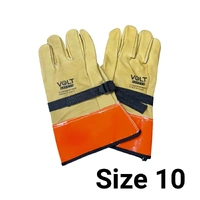
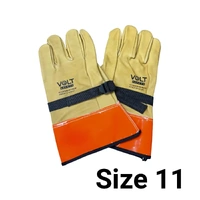
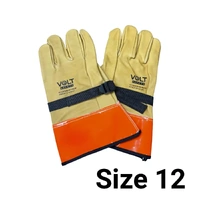
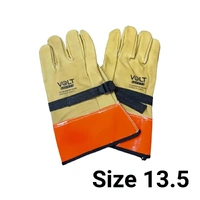
![Leather LV Outer Glove Goat Skin [Size: 10] | GLOVEOUTLV-10](/assets/thumb/GLOVEOUTLV-10.jpg?20250321105534)
![Leather LV Outer Glove Goat Skin [Size: 11] | GLOVEOUTLV-11](/assets/thumb/GLOVEOUTLV-11.jpg?20250321105534)
![Leather LV Outer Glove Goat Skin [Size: 9] | GLOVEOUTLV-9](/assets/thumb/GLOVEOUTLV-9.jpg?20250321105534)