
Search Results:
Search Results:
Search Results:
Search Results:
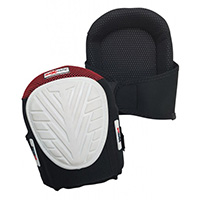
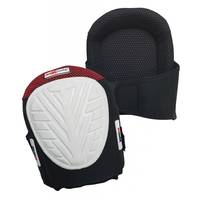
A knee pad is a wearable cushion fitted with straps or a sleeve that sits over the patella. Its job is simple: put a layer of energy-absorbing material between the knee and the surface below. That layer takes the load when you kneel, drop, or shuffle along a floor.
Most pads have two parts. An outer cap, usually a hard plastic or rubber shell, takes the surface contact and resists abrasion. An inner cushion, made from foam or gel, compresses under load and spreads the force across a wider area of the knee.
Without a pad, your full body weight presses through a small contact patch on the kneecap. On concrete or tile, that contact pressure is high enough to bruise tissue within minutes. A knee pad widens the contact area and slows the rate at which load transfers to the joint.
The cushion also dampens sudden impacts. When you drop into a kneeling position on a hard surface, the pad absorbs the spike before it reaches the bone. This matters most on jobs involving repeated kneeling cycles.
Repeated kneeling without protection is a known cause of prepatellar bursitis. It is also linked to meniscal damage and accelerated cartilage wear in tradespeople over the age of 40.
Wearing knee pads consistently across a working life is a low-cost way to reduce these risks. The investment is small compared to the cost of treating a chronic knee injury or being forced off the tools.
Knee pads are stocked by both general safety suppliers and electrical wholesalers. The advantage of buying from an electrical wholesaler is that the range is curated for trade conditions: confined spaces, cable runs, ceiling work, and fit-out tasks. You get pads selected by people who understand how electricians use them.
General safety suppliers carry a broader range covering construction, mining, and industrial use. The pads are often heavier-duty than an electrician needs and may sacrifice mobility for impact protection.
A reliable supplier carries genuine branded stock, lists product specifications clearly, and ships quickly. Look for suppliers that show the brand, model number, and material composition on every product page. Vague descriptions are a warning sign.
Stock depth also matters. A supplier that holds knee pads in real warehouse stock can ship the same day, which counts when a pad fails on Monday and the job continues Tuesday.
Buying through a trade supplier usually unlocks better pricing on multi-pair orders. If you run a team, ordering pads in bulk reduces unit cost and makes it easier to standardise the brand and model across the crew.
Sparky Direct is an Australian online wholesaler shipping nationwide. Browse the wider PPE range for related items including work gloves and safety glasses.
Electricians often work in roof spaces, under floors, and inside switchboards. Bulky knee pads catch on cable trays and slow movement through tight openings. Sleeve-style pads or low-profile strap pads suit this work better than thick construction pads.
The pad also needs to grip without slipping when you crawl. A textured rubber cap or non-slip pad face stops the knee sliding sideways on smooth surfaces like tile or sheet metal.
Tilers and floor layers spend long stretches kneeling on hard, abrasive surfaces. They need the maximum cushion the pad can offer along with a hard cap that resists wear from grout, adhesive, and tile edges.
Gel-lined pads are common in this trade because gel maintains consistent cushioning over a long shift, where foam can compress and lose loft.
Roofing pads need a cap with strong grip. Smooth plastic slides on metal roofing and creates a fall risk. A textured rubber or cleated cap holds position on pitched surfaces.
Outdoor work also calls for materials that handle UV exposure and temperature swings without cracking. Cheap PVC caps degrade in Australian sun within a season.
General construction work involves a mix of surfaces and tasks. A versatile strap-on pad with a hard HDPE cap and dense foam interior covers most situations: framing, fit-out, fixing, and clean-up.
For workers who switch trades through the day, a pad that combines reasonable cushion with good mobility outperforms a specialist pad in any one area.
The outer cap absorbs abrasion and deflects sharp objects. The three common materials each have trade-offs.
| Material | Strengths | Weaknesses | Best For |
|---|---|---|---|
| HDPE | Light, durable, slides over surfaces | Can be slippery on smooth roofing | General trade and electrical work |
| ABS | Stiff, impact-resistant, holds shape | Less flexible, can crack under sharp impact | Construction and demolition |
| Rubber | Excellent grip, won't slide on metal | Heavier, wears faster on rough surfaces | Roofing and pitched-surface work |
Foam padding is light and inexpensive. It provides good initial cushioning but loses loft over weeks of compression. Gel padding holds its shape longer and spreads pressure more evenly. It also stays cooler in hot conditions.
Many premium pads now combine the two: gel near the kneecap for pressure distribution, foam around it for general cushioning.
The fabric covering the cushion takes the brunt of wear from straps, dust, and grit. Ballistic nylon and reinforced polyester are the standard. Cheap pads often use plain polyester that frays at stitch points within months.
Look for double-stitched seams at high-stress points, especially where straps attach to the pad body.
Straps are typically elastic with hook-and-loop closures, slide buckles, or cam-lock buckles. Elastic straps adjust on the move but lose tension over time. Buckle systems hold tension better but take longer to put on.
For full-day wear, a wide neoprene strap behind the knee reduces pressure points and prevents the strap from cutting into the back of the leg.
Gel cushioning conforms to the shape of the knee under load. The result is even pressure across the contact area rather than concentrated load on the kneecap. This matters most during long, continuous kneeling sessions.
Foam delivers immediate cushioning that feels firm and supportive. It works well for intermittent kneeling but compresses more than gel under sustained pressure.
Quality gel pads retain their cushioning for years. The gel does not break down with repeated compression. Foam, by contrast, slowly loses its loft. After six to twelve months of daily use, a foam pad noticeably thins out near the kneecap.
| Type | Best Suited For | Less Suited For |
|---|---|---|
| Gel | Tilers, flooring, all-day kneeling work | Quick jobs, occasional DIY |
| Foam | General trade, electricians, intermittent use | Continuous full-shift kneeling |
| Hybrid | Mixed trade work, varied tasks | Single-application specialists |
Gel pads typically cost two to three times more than foam pads. For workers kneeling all day, the cost difference is justified within months by the longer service life and lower fatigue. For occasional users, foam is the more practical choice.
Measure the circumference of your leg six inches above and below the kneecap. Most manufacturers list both numbers as their sizing guide. A pad sized too small cuts circulation. A pad sized too large rotates around the leg as you move.
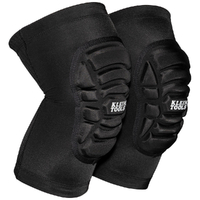
Strap pads use one or two adjustable straps to hold the pad in place. They suit workers who put pads on and off through the day. Sleeve pads slip over the leg like a stocking. They stay put better and distribute pressure around the calf, but you must remove your boots to put them on.
Strap pads typically come in one universal size. Sleeve pads come in S/M, L/XL, or numbered sizes (1 to 4). When in doubt, size up: too tight is worse than slightly loose for circulation and all-day comfort.
Slippage is the most common complaint about knee pads. Causes include sweat-coated skin, worn elastic, smooth pad backing, and loose straps. The fixes are straightforward: tighten straps slightly through the day, replace worn elastic, choose pads with grippy interior fabric, and consider a sleeve design if straps keep failing.
Comfort over an eight-hour shift comes from three factors: pad weight, strap design, and breathability. A heavy pad with thin straps creates pressure points within an hour. A light pad with wide neoprene straps and breathable mesh behind the knee disappears from your awareness within minutes of putting it on.
Look for pads tested to EN 14404, the European standard for knee protection in workplace use. The standard sets minimum requirements for impact absorption at specific energies. Pads carrying this mark have been verified, not just marketed.
Cap durability is best judged by abrasion resistance, not material thickness alone. A textured HDPE cap typically lasts longer on rough concrete than a thicker but smoother PVC cap. Check the cap surface for evidence of reinforcement ribs or patterned grip.
Heat buildup is a real problem in summer. Pads with mesh panels behind the knee and ventilation channels in the cushion stay noticeably cooler. Some pads now use moisture-wicking liners borrowed from sportswear, which makes a measurable difference on long shifts.
Trusted brands at Sparky Direct include Klein Tools, Maxisafe, and Pro Choice. Each holds documented testing standards and stands behind warranty claims, which matters when a pad fails early.
Australia does not have a dedicated AS/NZS standard for knee pads. Most certified pads sold in Australia carry EN 14404 (European) or ANSI/ISEA 105 (American) certification. EN 14404 is the more relevant of the two for trade pads, with four performance levels:
| Type | Description | Typical Use |
|---|---|---|
| Type 1 | Independent of clothing, free-moving | General trade, occasional kneeling |
| Type 2 | Foam or filling held in trouser pocket | Workers using knee-pocket trousers |
| Type 3 | Not attached to body, used as needed | Workers moving between sites |
| Type 4 | Accessory pads for additional protection | High-impact specialist work |
EN 14404 also defines two performance levels within each type. Level 1 is general industrial use. Level 2 is high-impact use, with extra resistance to sharp objects. Most trade pads sold in Australia meet Level 1.
Certification details should appear on the product packaging or on a sewn-in label inside the pad. If a pad makes general "compliance" claims without naming a specific standard, treat that as marketing copy rather than verification.
Workplace PPE under AS/NZS 3000:2018: While knee pads are not specifically regulated, employers have a duty under Australian Work Health and Safety law to supply PPE appropriate to identified hazards. For trades with significant kneeling work, that duty extends to knee protection.
Uncertified pads may use thin foam, brittle plastic, or substandard fasteners. The protection they offer is unverified. For occasional DIY use, the risk is low. For daily trade use, an uncertified pad is a false economy.
Start by mapping how much time you spend kneeling per day and on what surfaces. A subbie who spends two hours a day kneeling on timber needs a different pad than a tiler kneeling six hours a day on cement.
No single pad maximises all three. Heavy pads protect best but limit mobility. Light pads move freely but offer less impact resistance. The right balance depends on the work mix. For most electricians, mid-weight strap pads with HDPE caps and foam cushioning are the sweet spot.
Common mistakes include buying the cheapest pad available, choosing a sport pad for trade work, ignoring strap design, and assuming one pad fits all jobs. Each of these costs more in the long run than buying the right pad up front.
Total cost is purchase price divided by service life. A $20 pad that lasts six months costs $40 a year. A $60 pad that lasts three years costs $20 a year. The premium pad is half the price over time and almost certainly more comfortable.
Pads sized wrong rotate, slip down the leg, and create pressure points. Most workers wear pads slightly too large because tight straps cause discomfort. The fix is to size correctly first and accept that snug straps are doing their job.
If pads keep rotating around the leg, the strap design or pad shape is wrong for your build. Try a sleeve design, a pad with a contoured cap, or a wider strap layout.
Volleyball or skating pads are designed for fall impact, not sustained pressure. They have minimal cushioning under continuous load and wear through quickly on rough surfaces. Use trade pads for trade work.
Pads with cracked caps, compressed cushioning, or failed straps offer false protection. The visual signs of wear are easy to spot during a quick weekly inspection.
Wipe pads down with a damp cloth at the end of each week. Mild soap removes dust, dried sweat, and adhesive residue. Avoid soaking foam-padded models, as water trapped inside the foam takes days to dry and can cause odour or mildew.
A two-minute weekly check covers most failure modes:
Replace pads when the cushion has compressed permanently, when straps no longer hold tension, when the cap shows cracks, or when seam stitching has begun to fail. Continuing to wear a degraded pad gives a false sense of protection while the actual cushioning is gone.
For daily trade use, most foam pads last six to twelve months. Gel pads typically last two to three years. Replace sooner if the pad is exposed to chemicals, solvents, or extended sun exposure.
Electricians spend significant time kneeling to terminate cables, mount socket boxes, and pull wiring through floor cavities. Low-profile strap pads work best here because they fit through tight openings without snagging on conduit or cable tray.
These trades demand maximum cushioning. Gel-lined pads with reinforced caps are standard for tilers and floor layers. The combination handles long sessions on hard, abrasive surfaces.
Roofers need grip above all else. A pad that slides on metal roofing is dangerous. Rubber-capped pads with cleated surfaces hold position on pitch and reduce slip risk.
Workshop trades benefit from pads with chemical resistance, especially for those handling solvents, oils, or adhesives regularly. Look for pads with fabric and foam treated for chemical resistance, or use disposable covers over premium pads to extend their life.
Budget pads cover occasional DIY and quick jobs. They use thin foam, basic plastic caps, and economy fabric. They do their job for short stints but wear out quickly under daily use.
Premium pads use certified materials, gel or hybrid cushioning, and reinforced fabrics. They last longer, fit better, and reduce fatigue across a working day.
Standardising one model across a crew makes it easier to manage replacements and ensures every worker has the same level of protection. Bulk orders also unlock trade pricing through wholesalers.
Track replacement frequency for one year before deciding what to buy in bulk. If your team gets through four pairs of $20 pads per year per worker, a single $60 pair lasting two years is the cheaper path.
Certified pads carry independent testing for impact, durability, and material safety. They deliver the protection the label promises. For trade environments, that certainty is worth the price difference over uncertified alternatives.
Australian Work Health and Safety law requires employers to identify hazards and provide PPE to mitigate them. Where kneeling work is a regular part of the job, knee protection is part of meeting that obligation.
Knee pads work alongside other PPE: ear protection, eye protection, hand protection, and head protection. A complete kit gives layered protection across the body. Pads also need to fit under or over standard work trousers without bunching.
The biggest barrier to knee pad effectiveness is not wearing them. Workers who put pads on for long jobs but skip them for "quick" tasks accumulate damage over time. Quick jobs add up. Wear the pads.
For self-employed tradespeople, the duty of care is to yourself. The cost of a chronic knee injury includes lost income, medical expenses, and reduced working life. Knee pads are one of the cheapest forms of insurance available.
Watch Klein Tools 60592 | Lightweight Knee Pad Sleeves | L/XL video
Watch Gloves - Black Knight Gripmaster Glove L - Size 9 | GNN192-9 video
Watch Maxisafe EBR331 | Eye Protection - Texas Smoke Safety Glasses video

I find I sweat a bit with them on but my knees love them. After a day of kneeling on a roof I can still walk fine. usually I can hardly walk afterwards.
Very reliable work gloves, it does not have any signs of deterioration and damage for more than 4months now.
Great value gloves. Exactly what I needed at a great price and speedy delivery! Having used insulated gloves a lot in my career, I can recognise value! Cheers and thanks!
Quality products in stock • Fast Australia-wide delivery • Competitive trade pricing
Browse Knee Pads → Get Expert Advice →Properly fitted knee pads with quality straps are designed to stay in place during normal movement.
Sparky Direct offers a range of durable knee pads with fast Australian delivery to support trade and workplace safety needs.
Yes, knee pads are widely used across trade and commercial applications where knee protection is required.
Warranty coverage varies by manufacturer and typically applies to manufacturing defects.
Consider comfort, protection level, strap design, durability, and suitability for your work environment.
Many knee pads are adjustable or available in multiple sizes to suit different users.
Yes, knee pads can also be used for home maintenance, gardening, or other tasks involving frequent kneeling.
Knee pads can be shared if cleaned appropriately, but personal comfort and fit may vary.
Lifespan depends on usage frequency, surface conditions, and material quality.
Knee pads may provide added comfort, but individuals with existing knee conditions should consider professional advice.
Some designs are low profile to minimise bulk, while heavy-duty options may be more noticeable but offer greater protection.
Cleaning methods vary by material, but many knee pads can be wiped down or hand washed following manufacturer guidance.
Yes, most knee pads are designed to be worn over work trousers or protective clothing.
Knee pads are designed to protect the knees from impact, pressure, and abrasion when working on hard or uneven surfaces.
Comfort depends on design and padding, but many modern knee pads are made for extended wear with ergonomic shaping.
Knee pads should feel secure without restricting movement or circulation, allowing you to bend and kneel comfortably.
Yes, depending on the material and design, knee pads can be used in both indoor and outdoor work environments.
Knee pads can help reduce pressure and discomfort, which may assist in minimising long-term knee strain during repetitive tasks.
Most knee pads feature adjustable straps to help achieve a secure and comfortable fit for different users.
Yes, many knee pads are specifically designed to provide cushioning and protection on concrete and other hard surfaces.
Yes, knee pads are commonly used in electrical environments, provided they do not interfere with other required safety equipment.
Hard shell knee pads offer increased durability and impact protection, while soft knee pads prioritise comfort and flexibility.
Common types include soft foam knee pads, hard shell knee pads, gel-filled pads, and integrated trouser knee pads.
Some occupational knee protection may reference relevant AS/NZS standards for PPE, particularly where workplace safety policies apply.
Yes, knee pads are classified as personal protective equipment and are commonly used in construction, electrical, flooring, and maintenance environments.