


What Are Switch Mechanisms?
Table of Contents
- What Are Switch Mechanisms
- Types of Switch Mechanisms Available in Australia
- Standard Single-Pole Mechanisms
- Two-Way and Intermediate Mechanisms
- Push Button Mechanisms
- Dimmer Mechanisms
- Fan Speed Control Mechanisms
- Double-Pole Mechanisms
- USB Charging, Data, and Communication Mechanisms
- Smart Switch Mechanisms
- Wall Plate Compatibility and Modular Systems
- Electrical Ratings and Load Specifications
- Australian Compliance and Safe Installation
- How to Choose the Right Switch Mechanism
- Leading Switch Mechanism Brands in Australia
- Pricing, Bulk Buying, and Ordering Online
- Product Videos
- What Sparky Direct Customers Say
- Quick Summary (TL;DR)
- Frequently Asked Questions about Switch Mechanisms
What Are Switch Mechanisms
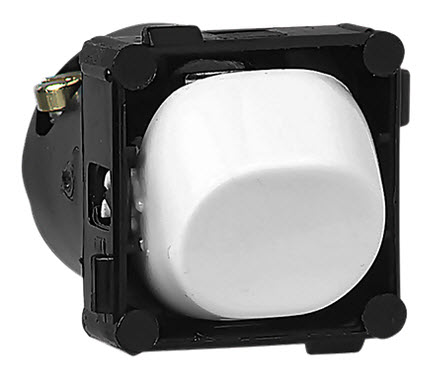
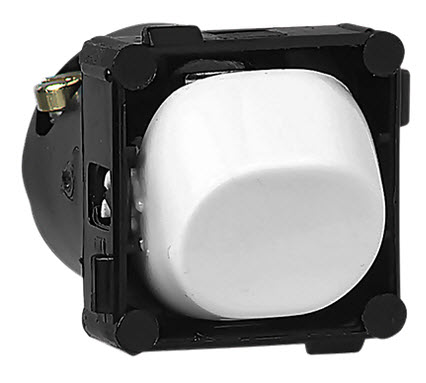
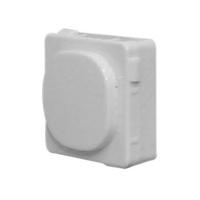
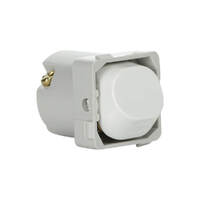
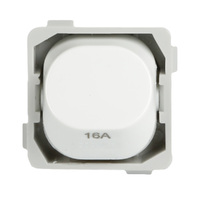
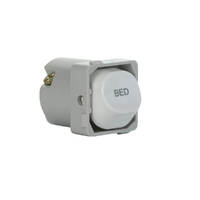
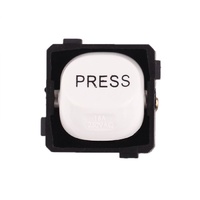
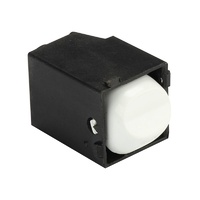
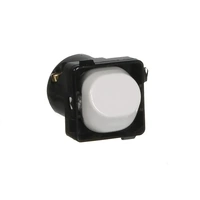
A switch mechanism is the functional component that performs the electrical switching action. It is the part of a wall switch that actually opens and closes the circuit. The mechanism clips into a compatible wall plate; the plate provides the housing, finish, and mounting to the wall box.
Mechanism vs Complete Switch
A complete switch is a single unit combining the plate and mechanism in one product. A switch mechanism is the insert sold separately for fitting into a compatible plate from the same brand and range. The complete switch is the simpler choice for like-for-like replacement; the mechanism-only purchase is more flexible.
Mechanism-only purchasing makes sense in several common scenarios:
- Repairs where the existing plate is undamaged and the mechanism has failed
- Multi-gang plates where each position needs a different switch type
- Dimmer or fan controller upgrades on an existing plate
- Adding USB charging or data inserts to a modular plate
- Mixed-function plates combining switches with dimmers, fan controls, or accessory inserts
The critical requirement is matching the mechanism to the correct wall plate family. A Clipsal Iconic mechanism does not fit a Clipsal Classic plate, even though both products are Clipsal. Compare the broader Clipsal Iconic complete switches range if a finished unit is the simpler buy.
How Switch Mechanisms Work
The mechanism contains electrical contacts that open and close when the actuator is operated. The actuator is the part the user touches: a rocker, a push button, a momentary button, a latching button, a rotary dial, or a specialty control surface. The wall plate covers the mechanism and presents the actuator at the wall surface. The plate does not affect the electrical function; that comes entirely from the mechanism inside.
Where Switch Mechanisms Are Used
Residential applications include bedrooms, hallways, kitchens, living areas, bathrooms, home offices, and full home renovations. Trade and commercial applications cover offices, strata maintenance, hospitality rooms, retail fit-outs, rental property turnover work, and bulk like-for-like replacement programs. Across all of these, the mechanism connects to fixed wiring and must be installed by a licensed electrician in Australia.
Types of Switch Mechanisms Available in Australia
The Australian switch mechanism market covers a broad taxonomy: standard switching, two-way and intermediate switching, push button control, dimming, fan speed control, double-pole isolation, USB and data inserts, and smart switching. The next eight sections cover each type by function, common application, and key selection consideration.
Standard Single-Pole Switch Mechanisms
Standard single-pole mechanisms provide on-off control of a single circuit. They are the most common mechanism type in Australian residential installations. Typical ratings are 10A or 16A at 250V AC, depending on the brand and range. The mechanism switches one conductor (the active) when operated; the neutral stays connected through to the load.
Standard mechanisms suit general lighting and low-current switching applications. Bedroom lights, hallway lights, lounge room lights, and bathroom lights all typically run on standard single-pole mechanisms. Higher-current circuits, double-pole isolation requirements, and specialty loads need different mechanism types covered in the sections below.
Two-Way and Intermediate Mechanisms
Two-way and intermediate mechanisms control one lighting circuit from multiple locations.
A two-way mechanism allows control of the same circuit from two switch points. The user can turn the light on at one switch and off at the other, in either direction. Common applications include hallway lighting controlled from each end, staircase lighting at top and bottom, bedroom lights with a wall switch and a bedside switch, and large rooms with multiple entrances.
An intermediate mechanism extends two-way control to three or more switch points. Each additional intermediate mechanism adds another control location for the same circuit. Applications include long hallways with three switch positions, garages with multiple entry doors, multi-storey staircases, and large open-plan areas.
Both mechanism types need correct wiring to function. The electrician identifies the right configuration during installation; the buyer's role is identifying the gang count and mechanism type per location before ordering.
Push Button Switch Mechanisms
Push button mechanisms use a flat, pressable button instead of a rocker. Two main types exist:
- Latching push buttons: each press toggles between on and off, similar to a rocker switch in function but with a different feel and look
- Momentary push buttons: the button only closes the circuit while held down; releasing returns to off. Used as bell presses, signalling switches, or input devices for smart relays and home automation
Illuminated push buttons include an LED indicator that glows when the circuit is on (or, on momentary types, when power is present). Push button mechanisms are common in premium switch ranges, smart relay installations, C-Bus systems, and contemporary or design-led interiors where the visual styling differs from traditional rocker switches.
Dimmer Mechanisms
A dimmer mechanism replaces a standard switch mechanism to control brightness rather than just on or off. The dimmer adjusts the power delivered to compatible lamps, reducing the light output to match the setting.
Several dimmer mechanism types are stocked in Australia:
- Trailing-edge: preferred for most modern LED installations
- Leading-edge: suits legacy incandescent and halogen loads
- LED-compatible: designed specifically for LED drivers
- Rotary: turning dial control
- Push-button: flat button with hold-to-dim function
- Smart: dimmers with app and voice integration
Several specifications matter for correct dimmer selection:
- Load compatibility: lamp type and driver electronics must work with the chosen dimmer technology
- Minimum load: the dimmer needs a minimum connected wattage to operate; low-wattage LED circuits can fall below this
- Maximum load: the dimmer cannot handle more than its rated wattage without overheating
- LED driver compatibility: confirm against the lamp manufacturer specification, not the dimmer label alone
- Derating in multi-gang plates: dimmers in the same plate share heat and may need to operate below their individual maximum ratings
- Flicker, hum, and heat: typical signs of incompatible pairings
For broader dimmer selection guidance, see the dimmer switches category covering products across multiple brands and load types.
Fan Speed Control Mechanisms
Fan speed control mechanisms regulate the motor speed of compatible ceiling fans, exhaust fans, and ventilation fans. They are not interchangeable with light dimmers; a light dimmer can damage a fan motor and a fan controller is not designed for lighting loads.
Two main fan control types are stocked in Australia:
- Stepped capacitor controllers: typically 3-speed or 4-speed mechanisms with fixed positions. Quietest on compatible AC ceiling fan motors. Preferred for residential bedroom installations where fan hum matters
- Electronic fan controllers: provide continuous speed adjustment through triac or thyristor switching. Smoother control but only on motors that tolerate phase-cut waveforms
Common applications include ceiling fans in bedrooms and living areas, bathroom exhaust fans, kitchen extraction fans, and rental properties where fan speed adjustment is a tenant requirement. Motor compatibility comes first: confirm the fan type before specifying the controller. The fan speed controllers category lists products specifically rated for fan motor loads.
Double-Pole Switch Mechanisms
A double-pole mechanism switches both the active and the neutral conductors together. When the switch is off, the connected appliance is fully separated from supply, not just interrupted on the active side. This is the type of isolation specified for fixed appliances where AS/NZS 3000:2018 or the manufacturer instructions require complete circuit separation.
Common applications include:
- Bathroom heaters and heated towel rails on dedicated circuits
- Some exhaust fan and heater combination units
- Pool pumps, spa pumps, and hot water units controlled at the switch position
- Cooking appliance isolation, where the dedicated cooker switch category covers the heavy-duty equivalents
The licensed electrician confirms whether double-pole isolation is required for the specific application. Single-pole mechanisms are not a substitute where double-pole is mandated by the standard or the appliance specification.
USB Charging, Data, and Communication Mechanisms
Modular wall plate systems can carry non-switching mechanisms alongside switches in the same plate. Common accessory inserts include:
- USB-A and USB-C charging mechanisms: deliver low-voltage DC charging directly from the wall, removing the need for a separate plug-in adapter
- Fast charge mechanisms: higher-power USB-C delivery for phones, tablets, and laptops that support fast charging
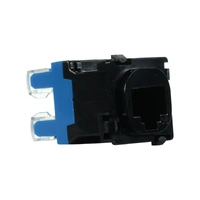
- Cat6 data mechanisms: structured cabling connection points for network outlets
- TV antenna and satellite mechanisms: F-type or coaxial connections for television feeds
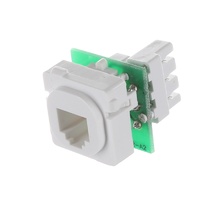
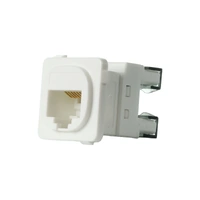
- Telephone mechanisms: traditional RJ12 jacks where still required
These mechanisms typically sit alongside switch mechanisms in multi-gang modular plates such as Clipsal Iconic, Saturn, and similar systems. Data and low-voltage inserts still need correct product compatibility with the plate range. Network and antenna cabling work is licensed cabler territory, not licensed electrician; check the right tradesperson for the type of connection involved.
Smart Switch Mechanisms
Smart switch mechanisms add app control, scheduling, voice assistant integration, energy monitoring, and scene control to the basic switching function. Three main approaches exist on the Australian market:
- Standalone smart mechanisms: the mechanism itself contains the smart radio (Wi-Fi, Zigbee, or Bluetooth) and connects directly to the home network or hub
- Smart relay systems: a standard or push-button mechanism wires into a separate smart relay or controller; the relay handles automation while the wall switch remains conventional
- Hub-based ecosystems: products that work within proprietary automation systems such as Clipsal Wiser, requiring a compatible hub
Smart compatibility depends on the wiring at the location (specifically whether a neutral is available at the switch box), the connected load type, and the chosen smart ecosystem. The Clipsal Iconic Wiser range covers the Schneider Electric smart system; the broader smart light switch range includes products across multiple ecosystems.
Wall Plate Compatibility and Modular Systems
Mechanism compatibility is the central buyer decision point. Mechanisms are not universally interchangeable; ordering the wrong insert for an existing plate is the most common return cause on this category.
Mechanism Footprints and Brand Compatibility
A mechanism must match the wall plate family, clip system, aperture size, and mounting method. The major Australian mechanism ecosystems include Clipsal (Classic, 2000 Series, Iconic, Saturn, Solis, Pro Series), HPM, Trader and GSM Trader, Legrand, and Hager (Silhouette, Allure). Each ecosystem has its own mechanism format.
Some mechanisms are designed for cross-compatibility with specific other plate systems. Trader Meerkat mechanisms, for example, are designed to fit certain other plate styles. Compatibility should always be confirmed at the product level rather than assumed from brand-level claims; specific product codes and plate families need to match.
30 Series, 40 Series, and Other Clipsal Mechanism Families
Clipsal mechanism families are not automatically interchangeable. The two main groups for switch mechanisms are:
- 30 Series: the format used by Classic, 2000 Series, and several traditional Clipsal plate ranges
- 40 Series: the format used by the Iconic modular skin system
Saturn, Saturn Zen, and Solis each use their own mechanism formats compatible with their own plate ranges. Buyers and electricians ordering replacement mechanisms need to identify which family the existing plate belongs to before ordering. Compare the Clipsal Classic switches, Clipsal 2000 Series, Clipsal Iconic, Clipsal Solis, and Clipsal Saturn Zen mechs and accessories to confirm the right ecosystem.
Single-Gang and Multi-Gang Plate Configurations
Plates run from one gang through to six gang in most modular ranges. Each gang holds one mechanism. A two-gang plate can carry two switches, a switch and a dimmer, a switch and a USB module, or any other compatible combination. Mixed-function plates let one location control multiple separate circuits and services from a single visual unit. The gang count must match the number of required mechanisms; under-ordering means missing functions, over-ordering means leftover empty apertures or blank fillers.
Horizontal vs Vertical Orientation
Most modular plates can be installed in horizontal or vertical orientation, depending on the wall box, the room layout, and design preference. The way the mechanism sits in the plate may differ between orientations on some product ranges. Australian residential installations are most often vertical but horizontal is common in commercial fit-outs and design-led interiors. Confirm plate orientation against the installation context before ordering.
Replacement Mechanisms for Existing Installations
Identifying the existing mechanism family is the first step before ordering a replacement. The brand, product series, product code on the back of the mechanism, plate style, and switch appearance all help narrow down the right replacement. Photograph the existing plate and mechanism for supplier or electrician confirmation, and check whether a like-for-like product is still available in the same range. Replacing a wired mechanism is licensed electrical work; the photograph and identification are tasks for the buyer or electrician before the installation visit.
Electrical Ratings and Load Specifications
Beyond the mechanism type and the plate compatibility, several electrical specifications determine whether the chosen product suits the connected load.
Voltage and Frequency Ratings
Australian switch mechanisms are rated for 230/240V AC at 50Hz, often marked 250V AC on the product label. Mechanisms must not be used outside their rated voltage and frequency. Three-phase circuits and DC applications need suitable dedicated switching devices, not standard residential mechanisms.
Current Ratings
Common current ratings cover most applications:
- 10A: standard for lighting circuits and low-current general switching
- 16A: general switching where higher current handling matters; some appliance circuits
- 20A: higher-load applications, often combined with double-pole configurations
- 32A and 35A: specialty mechanisms for cooker, hob, oven, and heating circuits
The mechanism rating must match or exceed the connected load and the circuit protection. Under-rated mechanisms overheat and fail; over-rated mechanisms are usually fine but cost more.
Load Type Matters
Different load types create different switching demands. LED lighting circuits behave differently from halogen lighting; exhaust fans, ceiling fans, motors, heaters, and resistive appliances each have their own switching characteristics. Inductive loads (motors and transformers) produce inrush currents at switch-on that can be several times the steady-state running current. LED driver electronics can be sensitive to switching waveforms in ways that older lamp loads were not. Licensed electrician confirmation matters where the load type is uncertain or where the application sits outside standard residential lighting.
Minimum and Maximum Loads for Dimmers
Dimmers must operate within both a minimum and a maximum load limit. Below the minimum, the dimmer cannot reliably trigger; above the maximum, the dimmer overheats. Common signs of mismatch include flickering, buzzing, limited dimming range, lamps not turning off cleanly, and dimmer overheating. Check both ends of the load range against the dimmer specification before ordering.
Derating in Multi-Gang Plates
Multiple dimmers or fan controllers in the same plate share heat. Heat build-up reduces the effective load capacity of each dimmer below its individual maximum rating. Manufacturer specifications include derating tables for multi-gang installations; the electrician confirms whether the planned plate combination stays within the derated limits.
Australian Compliance and Safe Installation
Switch mechanism installation is fixed electrical work and is regulated under Australian wiring rules. Compliance considerations protect safety, warranty cover, and insurance validity.
Licensed Electrician Requirement
Installing, replacing, or wiring switch mechanisms in Australia must be carried out by a licensed electrician. Homeowners may select and purchase products but must not perform fixed wiring work. Unlicensed electrical work is illegal in every Australian state and territory, voids insurance cover if an incident occurs, and creates liability for the property owner. The buyer's role is product selection and preparation; the wiring is for the licensed tradesperson.
AS/NZS 3000 Wiring Rules Awareness
Switch mechanism installation must comply with AS/NZS 3000:2018 (the Australian and New Zealand wiring rules) and the relevant state or territory electrical safety regulations. The standard covers correct rating, suitable circuit protection, safe enclosure, accessibility, and appropriate product type for the load. The licensed electrician interprets and applies these rules; the page covers the buyer-relevant content, not the wiring procedure.
RCM Certification and Genuine Australian Stock
Switch mechanisms sold and installed in Australia should carry valid Regulatory Compliance Mark (RCM) certification. Non-compliant imports and clone products from overseas marketplaces may fail to meet Australian standards, void appliance warranty, and create issues at compliance inspection. Authorised Australian electrical suppliers stock RCM-certified products with manufacturer warranty and technical support.
Wet Areas, Outdoor Locations, and IP Ratings
Standard indoor switch mechanisms are not suitable for moisture-exposed locations unless housed in a suitable rated enclosure or product system. Bathrooms, laundries, outdoor areas, garages, pergolas, workshops, and weather-exposed zones all need IP-rated products or weatherproof enclosures. See the weatherproof switches range for IP-rated alternatives, and the weatherproof isolator switches for higher-protection isolation requirements.
How to Choose the Right Switch Mechanism
A six-step decision framework that moves from function through to procurement. Working through the steps in order reduces ordering errors and avoids returns.
Step 1: Confirm the Function Required
Identify what each gang on the plate needs to do: standard switching, two-way, intermediate, dimming, fan speed control, double-pole isolation, USB charging, data, or smart control. For larger projects, build a room-by-room product schedule before ordering. Mixed-function plates need particular planning since each mechanism position on the plate is selected separately.
Step 2: Confirm the Wall Plate Series
Match the mechanism to the compatible plate family by brand, product series, clip type, and mechanism footprint. Use product codes from the existing plate or supplier confirmation rather than visual matching alone. A Clipsal Iconic mechanism will not fit a Clipsal Saturn plate; a 30 Series Classic mechanism does not fit a 40 Series Iconic plate.
Step 3: Confirm Current Rating and Load Type
Match the mechanism current rating to both the connected load and the circuit protection. Standard lighting suits 10A; general switching often uses 16A; appliance circuits may need 20A, 32A, or 35A. Different load types (LED lighting, motors, heating elements, fans) may need different mechanism types in addition to the rating. The licensed electrician confirms anything beyond standard light switching.
Step 4: Confirm Gang Count and Plate Orientation
Confirm the number of mechanisms required for each plate position. A common ordering mistake is buying a 2-gang set of mechanisms for a 3-gang plate. Check plate orientation (horizontal or vertical) and confirm it matches the wall box. For multi-gang plates, the order needs the correct quantity of each mechanism type, not just one of each.
Step 5: Confirm Finish and Aesthetic Consistency
The mechanism choice can influence the visible rocker, button, knob, or control face. Finish options across the major ranges include white, vivid white, black, grey, metallic, slimline, and premium design variants. Consistent mechanism and plate selection across rooms or zones produces a coordinated look; mixed finishes within the same room rarely look intentional.
Step 6: Confirm Stock, Price, and Project Quantities
Check stock availability before committing to a mechanism family for a larger job. Bulk ordering matters for electricians, builders, maintenance teams, strata managers, rental portfolios, and commercial fit-outs where consistent supply across the project schedule keeps the work moving. Sparky Direct stocks the major Australian mechanism families for online ordering with category-level specifications and trade pricing.
Leading Switch Mechanism Brands in Australia
Several manufacturers dominate the Australian switch mechanism market. Brand selection should be based on compatibility with the rest of the installation, rather than purely on price or visual preference.
Clipsal Switch Mechanisms
Clipsal is the dominant Australian switch brand with the largest range depth. The mechanism ecosystem includes 30 Series (used by Classic and 2000 Series plates), 40 Series (used by Iconic), Saturn, Saturn Zen, Solis, and Wiser-compatible mechanisms. The Clipsal Iconic mechanisms range covers the modular skin system; the broader Clipsal switch mechanisms catalogue covers the full Schneider Electric Australian switch portfolio. Pro Series mechanisms suit trade and industrial installations through the Clipsal Pro Series mechanisms range.
Trader and GSM Trader Mechanisms
Trader mechanisms cover cost-effective residential and light commercial installations. The GSM Trader switches range includes Cougar, Puma, Flat Cat, Snow Leopard, and other plate styles, each with compatible mechanisms. Some Trader mechanisms (including Meerkat-style products) are designed for compatibility with specific other plate systems; product-level compatibility confirmation is still required.
HPM and Legrand Mechanisms
HPM and Legrand offer mechanism options for residential and commercial electrical accessories. Both are recognised Australian brands with established trade availability. The same rule applies: match the mechanism to the same plate system from the same manufacturer unless cross-compatibility is specifically documented at the product level.
Hager and Other Premium Mechanisms
Hager mechanisms suit the slim-profile Silhouette and Allure plate ranges. The Hager Silhouette range uses a 4mm slimline plate format; the Hager Allure range uses a 9mm plate with floating-edge design. Both are positioned as design-led and trade-accessible alternatives to the Clipsal ecosystems. Cabac pushbutton mechanisms cover specialty timer and electronic switching applications through the Cabac pushbutton switches and dimmer mechanisms range.
Pricing, Bulk Buying, and Ordering Switch Mechanisms Online
Switch mechanism procurement varies by project size and complexity. Trade buyers, builders, and renovators have different needs from homeowners replacing a single faulty mechanism.
Typical Price Ranges by Mechanism Type
Pricing varies by mechanism function:
- Basic standard mechanisms: low-cost electrical accessories, commonly purchased in bulk for trade work
- Intermediate and double-pole mechanisms: higher than standard due to the additional function
- Dimmer, fan speed, USB, and smart mechanisms: higher price reflecting the electronics and control features inside
Exact pricing changes over time and should be confirmed on the product page before ordering. Premium ranges (Saturn, Solis, Iconic Wiser) typically cost more than entry-level ranges from the same manufacturer.
Bulk Buying for Electricians and Builders
Bulk ordering covers volume requirements for new builds, renovation projects, rental portfolios, strata maintenance, and commercial fit-outs. Useful service stock for working electricians includes 1-gang and 2-gang standard mechanisms in common ranges, intermediate mechanisms for multi-way installations, and the most common dimmer types for LED retrofits. Carrying spares reduces return trips when an unexpected mechanism failure or specification change comes up on site.
What to Check Before Ordering Online
Pre-purchase checks for online mechanism orders:
- Brand and plate compatibility match the existing or planned installation
- Mechanism type and switching configuration suit the function
- Current rating and load suitability cover the connected circuit
- Gang count and plate orientation match the wall position
- RCM compliance is documented for the product
- Returns policy is clear for incorrectly ordered mechanisms
Sparky Direct stocks switch mechanisms across the major Australian brands as part of the broader mechanisms only category, with trade-friendly product information, compatibility data, and nationwide delivery for trade accounts and informed retail buyers. For situations where a complete switch unit suits the job better than a separate mechanism, the light switches category covers finished switch assemblies. Major brands stocked include Clipsal, HPM, Legrand, Hager, and Cabac.
Product Videos
Watch CLIPSAL 30M | 10Amp Switch Mech (30 Series) 30M-WE video
Watch Clipsal Iconic 40MI | Intermediate Switch Mechanism 10A (Multi-way switching) video
Watch Clipsal Iconic 40E2USBACM-VW | Dual USB A & C 3.1A Charging Mechanism | Vivid White video
What Sparky Direct Customers Say

My partner and I have bought two big orders now from Sparky Direct and both times our packages arrived very quickly and we received all the correct items. Sparky direct have been a great company to go thought for any electrical needs. We love the Clipsal Iconic range! Looks so beautiful in our newly renovated home. Highly recommend.
Best thing I have installed as the family have a bad habit of leaving the outside light on overnight once the curtains are drawn. Bright enough to be visible but not such that it is annoying. Better as not wasting electricity for no benefit.
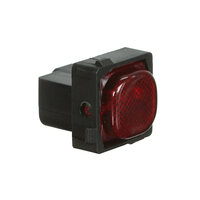
The amount of illumination is perfect to allow you to find the switch in the dark without being so bright it keeps you awake at night. If you install it in Iconic switch plates they have a location that holds the LED securely.
- A switch mechanism is the functional electrical insert that performs the switching action inside a compatible wall plate; mechanism-only purchasing suits repairs, multi-gang builds, dimmer upgrades, and mixed-function plates
- Mechanism types cover standard, two-way, intermediate, push button, dimmer, fan speed, double-pole, USB and data, and smart mechanisms; each suits a different function
- Compatibility is the central buyer decision: mechanisms must match the plate family, clip system, aperture, and mounting method; Clipsal 30 Series and 40 Series are not interchangeable
- Common current ratings are 10A for lighting, 16A and 20A for general and higher-load switching, and 32A or 35A for cooker, oven, and hob mechanisms
- Dimmers must work within minimum and maximum load limits; derating applies to multi-gang plates where heat builds up between dimmers
- Light dimmers must not be used as fan controllers and fan controllers must not be used as dimmers; the load type drives the correct mechanism choice
- Installation is fixed electrical work and must be performed by a licensed electrician under AS/NZS 3000:2018; products should carry RCM certification
- Standard indoor mechanisms are not suitable for wet areas; weatherproof or IP-rated alternatives are required for bathrooms, laundries, outdoor zones, and exposed locations
Shop Switch Mechanisms at Sparky Direct
Quality products in stock • Fast Australia-wide delivery • Competitive trade pricing
Browse Switch Mechanisms → Get Expert Advice →Mechanisms Frequently Asked Questions
Can mechanisms be swapped between rooms?
Yes, as long as they are compatible with the wall plates and wiring configuration.
Switch Mechanisms near me
You can find Switch Mechanisms at Sparky Direct, offering a wide range of compatible options.
Do I need an electrician to install switch mechanisms?
Yes, Australian regulations require a licensed electrician to install or replace switch mechanisms.
What should I check before buying switch mechanisms?
Check compatibility with your wall plates, required function, and installation requirements.
Can switch mechanisms be purchased online?
Yes, they are available through authorised electrical suppliers and online electrical retailers.
Do switch mechanisms come with a warranty?
Yes, they are typically supplied with a manufacturer’s warranty covering defects under normal use.
Are switch mechanisms designed for long-term use?
Yes, quality mechanisms are built for long-term reliability.
Are switch mechanisms suitable for whole-home upgrades?
Yes, they are often used in large upgrades where plates are changed separately.
Can mechanisms be used with designer wall plates?
Yes, provided they are compatible with the chosen plate range.
Are mechanisms available for different switch types?
Yes, options include single, double, intermediate, and specialty mechanisms.
Do switch mechanisms feel the same as complete switches?
Yes, the switching action is determined by the mechanism, regardless of the wall plate.
Can mechanisms be used in modern homes?
Yes, they are used in both modern installations and older homes.
Are switch mechanisms durable?
Yes, they are designed for frequent everyday use.
What are switch mechanisms?
Switch mechanisms are the internal electrical components that perform the switching function, designed to be installed behind a compatible wall plate or cover.
Are switch mechanisms easy to replace?
Replacement is straightforward for a licensed electrician and does not usually require wall plate changes.
Why would I buy mechanisms only instead of a complete switch?
Mechanisms only allow you to replace or upgrade the internal function while keeping your existing wall plates.
Do switch mechanisms require professional installation?
Yes, installation must be completed by a licensed electrician to ensure safety and compliance.
Do switch mechanisms fit standard Australian wall boxes?
They are designed to suit standard Australian wall boxes when used with compatible plates.
Are dimmer and specialty mechanisms available?
Yes, mechanisms are available for dimming, fan control, and other specific functions.
Are switch mechanisms compatible with LED lighting?
Yes, standard switching mechanisms are compatible with LED lighting when used with suitable lighting circuits.
Can switch mechanisms be used in renovations?
Yes, they are frequently used when upgrading or replacing existing switches during renovations.
Are switch mechanisms suitable for residential use?
Yes, they are commonly used in residential electrical installations across Australia.
Can switch mechanisms be used with different wall plates?
Yes, they are designed to be compatible with specific wall plate ranges, which should be matched correctly.
What voltage are switch mechanisms rated for?
They are typically rated for standard Australian mains voltage of 230–240 volts AC.
Are switch mechanisms compliant with Australian standards?
Yes, quality switch mechanisms are designed to meet relevant AS/NZS electrical safety and performance standards when installed correctly.