
Search Results:
Search Results:
Search Results:
Search Results:
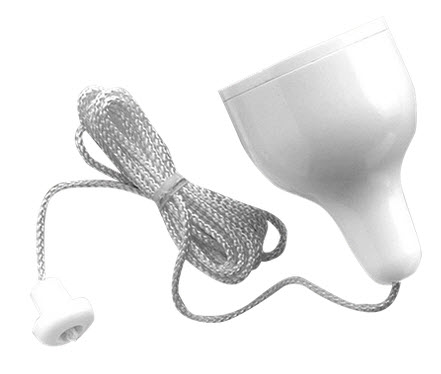
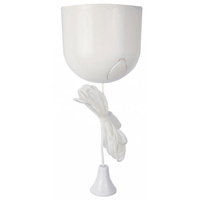
A pull cord switch is a fixed electrical switch with a hanging cord that the user pulls to operate the mechanism. The body of the switch is mounted at ceiling or high-wall level, out of reach for users in a wet zone or for buyers needing accessible control from a fixed position. The cord itself is mechanical only; it does not carry electrical current.
The switching action alternates with each pull. The first pull turns the circuit on, the next pull turns it off. The mechanism uses an internal ratchet or rotary mechanism to convert the linear pull into a positive switching action with a tactile click. Common applications include bathroom and ensuite lights, exhaust fans, shower-room lighting, laundry lights, and some low-current appliance circuits where the product rating matches the connected load.
The product rating, location, and IP requirements all need to match the installation. A licensed electrician confirms the correct product for the circuit and installs it under AS/NZS 3000:2018.
Standard wall-mounted light switches and ceiling-mounted pull cord switches solve different problems. A wall switch sits at hand height beside the door and suits dry rooms with easy access. A pull cord switch sits on the ceiling or high on the wall, operated by a cord that hangs into a more convenient or compliant position.
The practical differences:
Standard light switches must not be used in wet zones unless the switch is specifically rated and the position is compliant. A licensed electrician confirms whether a wall switch or a pull cord switch is the right product for the location. The broader light switches range covers standard wall-mounted options for dry rooms.
The Australian pull cord switch market splits along four variables: the current rating, the pole configuration, the IP rating, and whether the switch carries a status indicator. The ratings are typically 10A or 16A; pole configurations are single-pole or double-pole; IP ratings match the installation environment. Buyers should match these to the circuit function rather than choosing on appearance alone. The next four sections cover each variable in turn.
The 10A rating covers most residential bathroom lighting and exhaust fan circuits. It is the common rating for general-purpose pull cord switches stocked in Australia, suitable for typical light fittings, exhaust fans, and similar low-current loads.
Suitability still depends on the connected load and circuit design. A 10A pull cord switch is appropriate where the appliance or lighting load sits comfortably below the 10A rating with margin to spare. Electricians should check load and switching duty before ordering, particularly for circuits with multiple downlights, an exhaust fan, and other accessories combined on a single switch. For higher-load appliances, see the 16A section below.
A higher-rated 16A pull cord switch is specified where the connected appliance draws more current than a 10A unit supports. Common cases include:
The product manual or appliance data plate confirms whether 16A pull cord switching is appropriate. The licensed electrician verifies the appliance specification against the circuit rating and the switch capacity before installation. Substituting a 10A switch on a circuit that needs 16A is unsafe and will fail under sustained load.
The pole configuration determines how completely the switch isolates the circuit when in the off position.
A single-pole pull cord switch interrupts only the active conductor. The neutral remains connected when the switch is off. This is the common arrangement for most residential lighting circuits and basic exhaust fan switching.
A double-pole pull cord switch interrupts both active and neutral together. The circuit is fully separated from supply when the switch is off. Double-pole units are specified where full isolation is required by Australian wiring standards or the appliance manufacturer instructions, typically for fixed appliances such as towel rails, bathroom heaters, or heating circuits.
The correct configuration depends on the appliance, the circuit design, and AS/NZS 3000:2018 requirements. The licensed electrician confirms which arrangement is needed before the product is ordered. Buyers should not assume that double-pole is always better; the right choice is what matches the installation, not the higher-spec product by default.
A neon or status indicator is a small light built into the switch that glows when the circuit is on. The user can see at a glance whether the controlled appliance is energised without checking the appliance itself.
Indicators are useful for:
Indicator models typically cost slightly more than non-indicator versions. They still need to meet the required IP rating and current rating for the installation; the indicator does not change the underlying compliance requirements. Choose the rating and configuration first, then choose between indicator and non-indicator variants within that specification.
Pull cord switches are most commonly used in moisture-prone areas, so the IP rating is a core specification check. AS/NZS 3000:2018 defines wet area zones around baths, showers, basins, and laundries with specific restrictions on what can be installed where.
An IP rating has two digits. The first digit indicates protection against solid objects and dust ingress (0 to 6). The second digit indicates protection against water ingress (0 to 8 or 9). For pull cord switches:
Higher IP ratings cost more and are not always necessary. Match the rating to the actual location risk rather than over-specifying as a precaution.
AS/NZS 3000:2018 divides bathrooms into zones based on distance from the bath or shower. The zones define what electrical products can be installed and at what IP rating. The ceiling directly over a shower or bath may still fall inside a restricted zone. A pull cord switch positioned there must meet the zone requirements even though the mechanism is well above the splash line.
The licensed electrician verifies the exact installation position against the zone classification for the specific bathroom layout. A product that is suitable in one bathroom may not be compliant in another with different fixture positions.
Standard bathroom IP44 products typically suit residential bathroom locations away from the immediate shower zone. Laundries near sinks, basins, and tubs may benefit from IP54 or higher to handle splash and humidity. Covered outdoor areas can experience humidity, dust, wind-driven rain, and condensation even when sheltered; an IP54 or IP55 product is usually appropriate. For exposed locations, the weatherproof switches range covers fully IP-rated alternatives.
Beyond the headline current rating and IP rating, several specifications affect long-term performance and serviceability.
Australian pull cord switches are generally rated for 230/240V AC circuits with product-specific current ratings (typically 10A or 16A). The switch rating must match or exceed both the connected load and the switching duty (how often the switch operates per day).
To estimate the current draw of an appliance, divide the appliance wattage by the supply voltage. A 1200W heated towel rail on 240V draws around 5A, which fits comfortably inside a 10A switch rating. A 2400W bathroom heater draws 10A at the limit of a 10A switch, so a 16A unit would be the safer specification. The licensed electrician verifies these figures against the appliance data plate and the circuit design before ordering.
Cord length matters for comfortable operation. Standard cords reach from a typical ceiling height to a position about head height for an adult. Higher ceilings need longer cords; rooms used by elderly people or children may benefit from longer or differently weighted cord toggles.
The cord and pull handle should remain non-conductive and in good condition. Replace damaged or frayed cords promptly. Some products supply a replacement cord and toggle as a standard accessory; others require ordering a separate replacement cord set.
A robust enclosure, reliable spring action, and accessible replacement parts matter most in maintenance-heavy environments. Commercial amenities, gym changerooms, rental properties, and strata common areas see daily use across multiple users, so the mechanism wear rate is much higher than in a single-family bathroom.
Recognised brands with RCM compliance and available replacement cord sets reduce the long-term cost of ownership. A slightly higher unit price upfront is typically recovered through fewer callback visits and easier servicing.
Pull cord switches appear across residential, light commercial, and strata maintenance contexts. The product type matches the application, so understanding the use case helps narrow the right specification.
Bathroom lighting is the classic application. A pull cord ceiling switch keeps the operating point inside the wet zone (the cord) while the switching mechanism sits in a dry, accessible position. Common installations include main bathroom ceiling lights, ensuites, shower rooms, retrofit bathrooms where the wall switch position is no longer compliant, and heritage homes with limited internal walls. Confirm IP rating and the precise installation location with the electrician before ordering.
Exhaust fans in bathrooms and ensuites are often controlled through a pull cord switch, either alongside the light or on a separate circuit. A neon indicator is useful where the fan is hard to see or hear from the user's normal position. For systems with timed-extract requirements, a timer may be specified alongside or in place of the pull cord; the electrical timers range covers both digital and analogue options. Note that some inline and ducted exhaust fans need fan isolators rather than pull cord switching; see the exhaust fan accessories range for related products.
Commercial bathrooms, public amenities, gym changerooms, accommodation venues, and strata common areas all use pull cord switches for similar reasons: wet area compliance, user accessibility, and durable repeat operation. The specification priorities shift toward higher IP ratings (often IP54 or IP55), bulk-orderable products, and ready availability of replacement cord sets. Maintenance teams benefit from consistent SKU selection across the property portfolio so spares are interchangeable.
A practical decision sequence that moves from compliance through to commercial considerations. Each step narrows the product list before the next is applied.
The location drives the IP rating and the compliance requirements. A bathroom ceiling away from the immediate shower zone may suit IP44; a laundry near a deep sink may need IP54; a covered outdoor area may need IP55 or full weatherproof rating. Confirm the precise installation position with the licensed electrician; the position determines which zone classification applies and which IP rating is mandatory.
For general bathroom lights and exhaust fans, 10A single-pole is the typical configuration. For heated towel rails, bathroom heaters, or higher-current appliances, 16A double-pole is often required. Check the appliance data plate against the switch rating before ordering, and confirm with the electrician whether single-pole or double-pole isolation is needed for the specific appliance.
Within the correct specification, choose between indicator and non-indicator variants based on whether the controlled appliance is visible from the user's position. Choose cord length and toggle style based on ceiling height and user demographics. Choose the brand based on compliance documentation, available replacement parts, warranty, and consistency with the rest of the home or project. Maintenance-heavy environments justify the extra cost of recognised brands with accessible spare cord sets.
Pull cord switch installation and replacement are fixed electrical work and must be completed by a licensed electrician in Australia. Unlicensed DIY electrical work is illegal in every Australian state and territory, and it voids insurance cover if an incident occurs.
The installation involves fixed wiring at ceiling level, often inside or adjacent to a wet area zone. Compliance considerations include AS/NZS 3000:2018 wet zone requirements, appliance load matching, circuit protection, correct cable termination, isolation procedures, and state or territory electrical safety regulations. These are licensed electrician tasks that go beyond product selection.
The buyer's role is selection and preparation. Useful non-invasive preparation includes:
Do not remove the switch cover, access wiring, or attempt to test the circuit. These tasks are for the licensed electrician.
Common symptoms of a failing pull cord switch:
A user-replaceable cord set is sometimes supplied as an accessory. If the product is designed for cord replacement and no electrical parts are exposed during the swap, the cord itself can be changed without an electrician. Anything beyond replacing an externally-accessible cord (opening the cover, accessing terminals, replacing the mechanism, or troubleshooting the circuit) requires a licensed electrician.
If the appliance fails to respond, the fault may be in the appliance rather than the switch. The licensed electrician diagnoses the source of the failure before ordering a replacement part; replacing a switch that was not at fault wastes the callout and leaves the original problem unsolved.
Pull cord switching is one of several options for bathroom and wet area circuit control. Understanding where each alternative fits helps confirm whether the pull cord is the right product.
A standard wall switch sits at hand height beside the door, ideal for dry rooms with easy access. Pull cord switches sit at ceiling level, operated from a cord that hangs into a more convenient or compliant position. Where the wall switch can be installed compliantly and conveniently, it is usually preferred for ease of operation. Where wet area zoning or wall layout makes a wall switch impractical or non-compliant, the pull cord is the right product. Standard wall-mounted switches cover dry-room use; pull cord switches cover the wet-area scenarios this page addresses.
A pull cord switch provides manual on-off control with no automation. Alternatives include:
The right control method depends on the system design. Many installations combine a pull cord switch for user override with a fan isolator for maintenance isolation, or a sensor for primary control with a manual switch for backup. The licensed electrician confirms the correct combination for the specific fan system.
Smart switches add app control, scheduling, and voice integration to lighting and appliance circuits. In bathroom and wet area contexts, smart switching still needs compliant local switching or isolation; smart features do not remove the wet area compliance requirements. Smart switch wet area suitability, IP rating, and wiring compatibility all need to be confirmed before specifying. Pull cord switches remain the simpler, more robust, and easier-to-maintain choice where automation is not a project requirement. The smart light switch range covers automation-ready products for dry rooms and other compatible locations.
Online buying for pull cord switches works well for both trade buyers ordering for multiple bathrooms and homeowners replacing a single faulty unit. The checks below reduce mid-order substitution and shipping delays.
Standard 10A pull cord switches are generally low-cost electrical accessories. 16A models, double-pole units, and indicator variants typically cost more. Pricing varies by brand, IP rating, cord style, and whether replacement cord sets are included. Electricians and builders often buy in bulk for multi-bathroom projects, rental maintenance programs, and strata work schedules where consistent SKU selection matters. Exact pricing changes over time and should be confirmed on the product page.
Brands stocked in the Australian trade market include Clipsal, HPM, Legrand, and Trader, alongside specialist wet-area switch brands. Brand selection should be based on compliance documentation, IP rating availability, current rating options, warranty terms, stock availability, and replacement cord support. A brand with accessible spare cord sets is easier to maintain than a cheaper brand with no replacement parts on the Australian market.
Pre-purchase checks for pull cord switch orders:
Sparky Direct stocks pull cord switches as part of the broader pull cord switches category, with trade-friendly product information, nationwide delivery, and bulk ordering for trade accounts. Adjacent product ranges worth considering at the same time include bathroom exhaust fans, bathroom heat fan lights, and bathroom mirror demisters for full bathroom electrical package planning.
Watch HYSWPC | Ceiling Pull Cord Switch 10AX - 250v AC video
Watch Trader HYSWPCBR | Ceiling Pull Cord Switch 10AX - 250V~ | Brown video

Not installed yet but has a satisfying click, an easy to change out cord/toggle and looks and feels way better than the bathroom fan style pull cord. This is to use as a light switch in a victorian terrace house where alternatives are trickier to install. I couldn't find one anywhere that wasn't some awful faux heritage thing so thanks for stocking this excellent modern replacement.
Good compact switch that I used to replace a traditional TRADCO switch. I was able to use my existing brass cover instead of the plastic one supplied with the switch, and exchange the pull cord, so ended up with the outward appearance of the traditional switch with new inner workings. And for less than half the cost of a new traditional switch.
Well made and quickly delivered as well. Simple to put in also as itv was a simple replacement job and the customer liked the switch. The customer was an elderly lady and she likes the soft pull on or of of this switch the old one was a lot harder for her.
Quality products in stock • Fast Australia-wide delivery • Competitive trade pricing
Browse Pull Cord Switches → Get Expert Advice →Yes, they are commonly used in bathrooms, subject to correct placement and zoning requirements.
You can find Pull Cord Switches at Sparky Direct, offering suitable solutions for Australian wet areas.
Yes, Australian regulations require a licensed electrician to install or replace pull cord switches.
Check the voltage rating, application suitability, mounting type, and installation requirements.
Yes, they are available through authorised electrical suppliers and online electrical retailers.
Yes, they are typically supplied with a manufacturer’s warranty covering defects under normal use.
Yes, quality pull cord switches are designed for long-term residential use.
Yes, when installed correctly, they provide safe operation in wet areas.
Yes, they are commonly installed during bathroom and laundry renovations.
Minimal maintenance is required beyond keeping the cord and fitting clean.
Yes, they are designed to withstand frequent use.
Yes, they are frequently used in laundries and utility rooms.
Modern pull cord switches are available in updated designs suitable for contemporary homes.
A pull cord switch is an electrical switch operated by pulling a hanging cord, commonly used where touch-free operation is preferred.
Yes, they are simple and intuitive to operate.
Pull cord switches reduce the need to touch wall plates in wet or humid environments.
Yes, installation must be carried out by a licensed electrician to ensure safety and compliance.
They are designed to suit standard Australian ceiling mounting requirements, depending on the model.
Yes, they are often used to control exhaust fans in bathrooms and toilets.
Yes, they are commonly used to control bathroom and laundry lighting.
Yes, they are widely used in Australian residential properties.
They allow switching without direct hand contact, improving safety in wet areas.
They are commonly installed in bathrooms, ensuites, laundries, and other areas where moisture may be present.
They are typically rated for standard Australian mains voltage of 230–240 volts AC.
Yes, pull cord switches are designed to meet relevant AS/NZS electrical safety and performance standards when installed correctly.