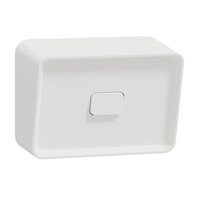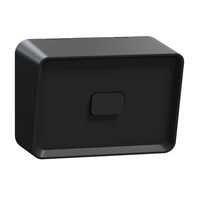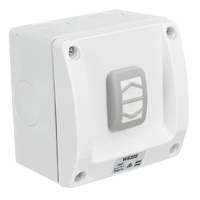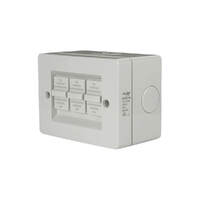


2 Pack
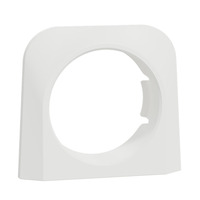
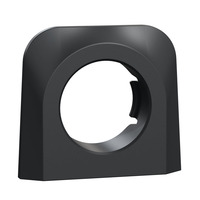
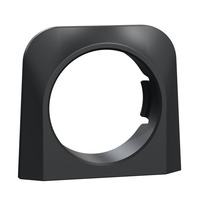
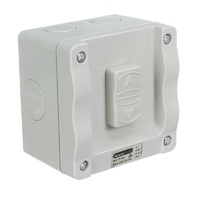
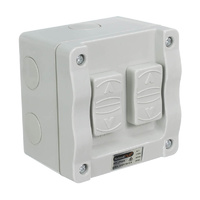
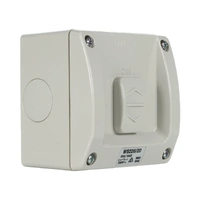
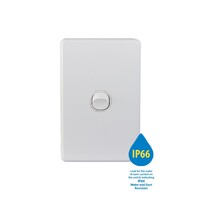
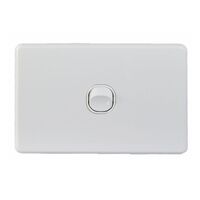
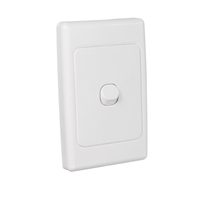
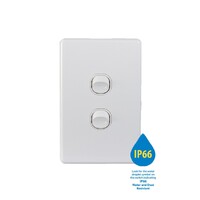
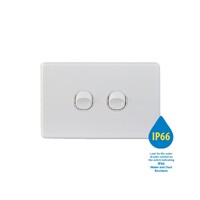
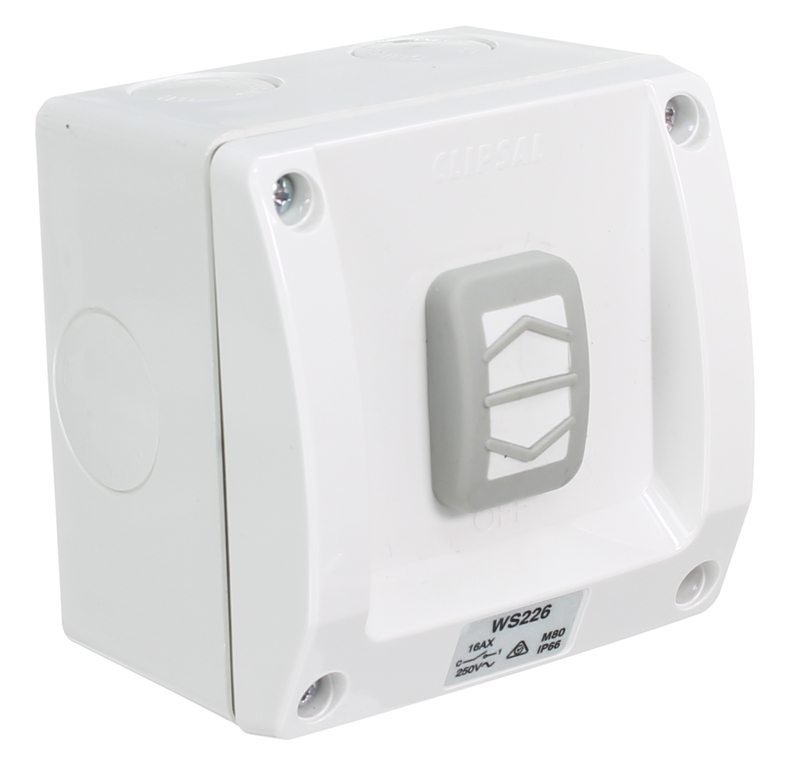
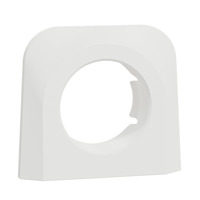
CLIPSAL Iconic O3000CE-20 | Outdoor Conduit Cover Entry 20mm | White | 2PK
$6.90
$6.27 ex. GST
Search Results:
Search Results:
Indoor switches are intended for dry interior locations. They do not provide protection against rain, spray, dust, salt air or condensation. Weatherproof switches add sealed enclosures, gaskets, stronger covers, weather-resistant actuators and sealed cable or conduit entry points to keep moisture and debris away from the switch mechanism. Switching equipment used in exposed or wet areas must be selected and installed according to Australian electrical requirements, with the licensed electrician confirming the correct product for the site.
Australian outdoor conditions punish electrical accessories. UV exposure, summer storms, coastal salt corrosion, humidity, dust, mud, insects, garden irrigation, pool environments, sheds, garages and commercial washdown areas all create their own stresses. Common failure modes include moisture ingress past degraded seals, corrosion at terminals, nuisance tripping, cracked housings from UV brittleness and unsafe exposure of live parts after a cover seal fails. Using a fit-for-purpose weatherproof switch from day one is cheaper than the rework when an indoor switch fails outside.
Typical applications include patios, alfresco areas, decks, external walls, sheds, garages, carports, garden lighting, pool equipment areas, workshops, farms, warehouses, plant rooms, commercial kitchens and outdoor hospitality venues. Product suitability for any single position depends on the exposure level, IP rating, mounting location and the connected load. A switch suitable for a sheltered alfresco may not be the correct choice for an exposed external wall facing the weather. Browse the broader Light Switches category for indoor counterparts and matching ranges.
A weatherproof switch performs two roles at once. The switch mechanism controls the electrical circuit. The enclosure protects that mechanism from the surrounding environment. Performance depends on both the product design and the install. A premium switch fitted with the wrong cable gland or seated against a damaged gasket loses most of its weatherproof rating on day one.
Gaskets and sealed covers stop water and dust reaching the electrical mechanism. Actuator style is the next decision. Rocker, lever, toggle-style and isolator-style switches each suit different use cases. Lever and toggle styles often suit gloved or wet-hand operation in outdoor, rural or industrial settings, where a slim rocker can be awkward to find by feel. Residential outdoor positions usually run with rocker or low-profile designs that match the rest of the home's switch finish.
Cable glands, conduit fittings, knockouts, seals and the orientation of the install all influence whether the IP rating is maintained after fit-off. An incorrectly sealed cable entry can compromise the entire enclosure regardless of the product rating. The Cable Gland category lists the gland sizes used to seal cable entries on outdoor enclosures, and the Straight Gland Conduit Fittings set covers conduit-fed installations.
General switching and isolation are separate functions. A switch controls normal operation of a circuit. An isolator is intended to disconnect fixed equipment safely for service. Weatherproof isolators are used for air conditioners, pumps, pool equipment, hot water systems and motors where local disconnection is required. The licensed electrician confirms whether a position needs a switch, an isolator, or both. The Isolator Switch category groups the weatherproof isolator options.
An IP rating has two digits. The first digit describes protection against solids such as dust and small objects. The second digit describes protection against water ingress. An X in either position means that aspect has not been tested or stated. IP66, for example, means the enclosure is dust-tight and protected against powerful water jets. The higher the second digit, the more water exposure the enclosure can take before water can reach the live parts inside.
| IP Rating | Typical Use | Exposure Level |
|---|---|---|
| IP53 | Covered outdoor or sheltered areas with limited indirect spray | Light, indirect |
| IP55 | General outdoor exposure and low-pressure water jets | Moderate |
| IP56 | Stronger water resistance for exposed outdoor positions | High |
| IP66 | Harsh environments, washdown, agricultural, coastal and demanding commercial | Very high |
A higher IP rating is not always required, but under-specifying can create safety and durability problems. The installing electrician confirms the correct rating for the actual site conditions, including UV exposure, direct rain, wind-driven spray and any washdown routine that will reach the position.
"Weatherproof" is a broad product descriptor. The IP rating is the measurable protection standard. "Waterproof" is a marketing word that gets used loosely and should not replace checking the IP rating on the product specification sheet. When comparing products, line up IP rating, current rating, enclosure style and intended use rather than the headline term.
Drilling extra entries, incorrect conduit entry, missing glands, poorly seated covers, damaged seals and incorrect orientation can all reduce the protection level of an installed switch. A correctly rated switch installed badly performs worse than a lower-rated switch installed well. Correct installation by a licensed electrician is essential for maintaining the safety, compliance and rated protection of the product.
Weatherproof light switches handle outdoor lights, security lights, carports, alfresco areas, garden lighting, sheds and exterior entry lighting. Single and multiple switch configurations are both common. Surface-mounted weatherproof switches dominate outdoor use because they suit exposed walls, masonry and conduit-fed installations.
Rocker-style weatherproof switches are familiar, practical and visually suitable for patios, garages, carports, decks and external walls. They suit residential and light commercial outdoor settings where the appearance should match the rest of the home. The rocker style on its own does not determine the protection level. The IP rating does.
Lever and toggle-style designs deliver positive operation and tend to be easier to use with gloves, wet hands or in industrial and agricultural settings. They suit workshops, pump sheds, farms, plant areas and outdoor service zones. As with rocker switches, the style is independent of the enclosure rating, so buyers should confirm the actuator style, enclosure rating and current rating together.
Isolators provide local disconnection for outdoor fixed appliances and equipment. Typical applications include air conditioners, pool pumps, spa equipment, hot water systems, irrigation pumps, motors and outdoor machinery. Selection covers single-pole or double-pole, current rating, lockable options and the local isolation requirement for the appliance. The IP66 Key Lockable Isolator Switches range covers higher-spec lockable options for plant and industrial fit-offs.
Heavy-duty weatherproof switches cover higher-current and more robust outdoor use cases such as workshops, rural sites, pumps and commercial areas. Selection moves through 10A, 16A, 20A, 32A and 35A-style ratings depending on the load. The electrician confirms the correct rating where motor loads, inductive loads or fixed equipment are involved, since starting current and continuous load may push a circuit past the rating of the lowest-cost switch.
Weatherproof dimming is more specialised than standard switching. Typical use cases include outdoor entertaining areas, patio lighting, alfresco dining, landscape lighting and commercial outdoor ambience. LED compatibility, enclosure rating, load type and the install location must all be checked before purchase. The broader Dimmer Switch category lists indoor dimmers, while weatherproof-rated dimming is a smaller specialised set.
Patios, alfrescos and decks need consideration of exposure level, shelter, wind-driven rain, proximity to cooking areas and the number of lighting or fan circuits to control. Even covered outdoor areas often need weatherproof switching because of humidity, splash, condensation and cleaning exposure. A switch sitting under a roof that takes wind-blown rain from one side is still operating in a wet environment.
Garden lighting, driveway lighting, retaining walls, external posts and landscape circuits all sit in more exposed positions than a sheltered patio. External posts and exposed walls usually need a higher IP rating than sheltered alfresco positions. Outdoor circuits may also need their own enclosures, conduit and RCD protection, all of which should be assessed by the electrician at the design stage. Pair the switching with appropriate Outdoor Lighting for a coordinated outdoor electrical plan.
Garages, sheds and workshops bring dust, insects, vibration, tools, vehicles, water spray and impact into play. Surface-mount weatherproof switches dominate these spaces for that reason, with the cable typically run in conduit on the wall surface. Agricultural sheds and workshops often need heavy-duty or industrial-rated products to handle washdown and impact. Pair the install with appropriate Weatherproof box enclosures where the wiring needs a separate sealed junction.
Pool and spa areas have specific electrical zones and stricter requirements. The licensed electrician maps the zone and specifies the correct product. Isolators and higher-load switches handle pumps and equipment, and the install must satisfy the local zone rules for the site. Treat pool and spa zones as electrician-led decisions, not as DIY product picks.
Outdoor dining, beer gardens, retail external areas, loading docks, warehouses, commercial kitchens, washdown zones, plant areas and cold storage all benefit from robust housings and reliable supply. Repeatable product codes simplify bulk ordering for trade and maintenance teams. Specifying one switch range across the site reduces parts variation when something needs replacement later.
Installation, replacement and wiring of weatherproof switches must be carried out by a licensed electrician in Australia. The electrician is responsible for confirming product suitability, circuit protection, cable entry, enclosure integrity, earthing and AS/NZS 3000 compliance for the position. DIY electrical work on fixed switching is unsafe and generally illegal. The product can be selected and ordered by the buyer. The wiring itself must not be.
Safety note: Weatherproof switches are not DIY products. All wiring, isolator installation and outdoor switch replacement must be performed by a licensed electrician. Sparky Direct supplies the products. The licensed electrician performs the install.
AS/NZS 3000 governs fixed electrical installation in Australia, including outdoor and wet area work. The Wiring Rules cover pool and spa zones, wet areas, outdoor equipment, RCD protection and local isolation requirements. Detailed wiring procedures sit with the licensed electrician on site. This page provides awareness, not instruction. Related categories that often appear on the same outdoor circuit include RCD | Residual Current Device and Main Switches and Isolators.
RCM marking matters because it shows the product is legally certified for sale and installation in Australia. Unverified imports, marketplace products without certification and vague "waterproof" claims with no IP evidence should be treated with caution. Trade buyers in particular benefit from sticking to RCM-marked product ranges because the compliance documentation is then in order for any audit.
Sealing, gasket condition, cover closure, conduit entry, mounting orientation, wall surface and protection from standing water all affect the rated performance of an installed switch. A product can lose its weatherproof integrity through poor install or through damage during fit-off. Damaged enclosures should be replaced rather than patched, since a cracked housing will draw moisture into the mechanism over time.
Indoor switches use lighter materials, no enclosure seal and no UV resistance because they are not designed for outdoor service. Weatherproof switches add the enclosure, gaskets, material durability and rated moisture resistance needed for outdoor use. An indoor switch should not be fitted in an outdoor or wet location, even under cover, because covered areas can still see humidity, spray, dust, insects and condensation.
Smart outdoor control may require a weatherproof enclosure, a compatible smart mechanism and suitable network coverage at the position. Not every Smart Light Switch is suitable for outdoor use, so the smart capability and the IP rating are two separate questions. Electricians and integrators should confirm both product compatibility and enclosure requirements before specifying smart outdoor switching.
A switch controls a circuit. A power point provides an outlet for portable equipment. Many outdoor installations need both: a weatherproof switch on the wall and a matching Weatherproof GPO nearby. Matching product range, IP rating and finish across the switches and outlets keeps the install visually consistent and simplifies any later replacement.
A switch handles normal operation of a circuit. An isolator is intended to safely disconnect fixed equipment for service. Air conditioners, pumps and other fixed equipment have appliance-specific isolation requirements that the licensed electrician confirms. In many outdoor installs the switch position and the isolator position are different points on the same circuit, each chosen for its own role.
Prioritise a suitable IP rating, a clean finish, easy operation and compatibility with lighting and fan circuits. Rocker-style or low-profile designs suit residential appearance and pair well with covered outdoor areas where the switch will sit alongside light fittings and ceiling fans.
Prioritise a higher IP rating, a surface-mount housing, UV resistance, sealed cable entry and conduit suitable for the run. External walls, garden posts, driveways and landscape circuits all sit in fully exposed positions, so the switch and the cable run both need to handle direct weather.
Prioritise a robust enclosure, easy operation, dust resistance, impact resistance and surface mounting. Lever-style or heavy-duty products suit glove-friendly use and stand up to the knocks of a working shed. Position the switch where it will not be hit by tools or vehicles.
Prioritise isolator-style switching, correct load rating, the required IP rating, location compliance and electrician-led product selection. Pool and spa zones have specific rules that override generic outdoor guidance. Treat these positions as electrician-specified.
Prioritise consistent product codes, RCM certification, stock availability, fast ordering, project-quantity packs and repeatable specification across the site. A repeatable SKU list across a housing development or strata maintenance contract reduces variation at install and during later replacement.
Buyers should match any existing product range and confirm exact product codes when ordering replacement parts. Trade buyers benefit from also checking pack quantities and bulk availability before placing the order.
The cheapest weatherproof switch is rarely the best value in a harsh outdoor location. Initial price needs to be weighed against durability, compliance, warranty, replacement labour and the risk of failure. Treat "affordable" as value-led rather than as a code word for low quality. A switch that lasts ten years in a coastal install is usually cheaper per year than a budget unit replaced twice.
Bulk ordering benefits from repeatable SKUs, predictable stock and project consistency across the job. Typical use cases include housing developments, strata maintenance, farms, hospitality venues, warehouses and facility upgrades. The Sparky Direct team can be reached via the contact-us page for trade pricing and stock checks on larger orders.
Related ranges that often appear on the same outdoor job include Clipsal Iconic Outdoor and Clipsal Weathershield Outdoor. For exterior lighting positions, the Weatherproof Batten LED Lights category covers outdoor luminaires. For combined switching and circuit protection, see Switched Socket Outlet RCD Protection. PV systems can use the Solar Isolator Switch range.
Replace a weatherproof switch if you see a cracked enclosure, missing cover, brittle gasket, loose actuator, water inside the housing, corrosion or visible heat damage. Buzzing, intermittent operation or a burning smell are also signals to act. Switch off power at the switchboard only if safe to do so, and contact a licensed electrician for inspection. Do not open the cover yourself.
UV, salt air, dust, insects, heat, cold, vibration and frequent operation all shorten the service life of outdoor switching gear. Coastal, industrial and rural environments may need more frequent inspection. A switch installed in a coastal alfresco area will not age the same way as one in a covered city carport, even if both carry the same IP rating from new.
Clean weatherproof switch covers with non-abrasive external cleaning only. Avoid solvents and harsh chemicals unless the manufacturer's documentation permits them. Covers should not be opened by unlicensed users, even for cleaning. If the housing looks damaged, book an electrician inspection rather than attempting maintenance from outside.
Watch NLS 30086 | Single Weatherproof Switch 20A Double Pole (IP66 Rated) video
Watch CLIPSAL Iconic O3041HA-XW | Single Weatherproof Switch 20A/16AX | White | IP56 video
Watch CLIPSAL Isolating Switch 1P 15A 250V Key Operated Grey | 56K2SW115 video

These isolating switches make great on /off units for machinery that runs on banks of 250 watt grid connect wired in parallel for specialised machines that are designed and manufactured to run on 36 volt systems as they are of good quality and excellent finish and never used to make or break under load with the exception of air compressors and the 2 pole or 3 pole are able to switch both positive
Loved the product, it's built to the good old standards that are meant to last and the feel and look matches some other brands, so it blends without issue. I would say that this would be my go-to choice when available as I can say that I can see quality and not a cheap made for profit only product, buying this with its IP66 rating and the true seal I know this will keep it at a high safety level.
I looked in a number of locations for a 32amp Weathproof Isolating Switch with a Key Lock capability, I found this one at Sparky Direct at a very competitive price and with a short delivery time enabling me to purchase two of these switches and have them installed by and Electrician soon after receiving them. Thanks Sparky Direct.
Quality products in stock • Fast Australia-wide delivery • Competitive trade pricing
Browse Weatherproof Switches → Get Expert Advice →Modern designs are more compact and discreet compared to older outdoor switch styles.
You can find Weatherproof Switches at Sparky Direct, offering reliable products suitable for Australian outdoor conditions.
Yes, Australian regulations require a licensed electrician for installation of electrical switches.
Check the IP rating, voltage rating, application suitability, and installation requirements.
Yes, they are available from authorised electrical wholesalers and online electrical retailers.
Yes, they are typically supplied with a manufacturer’s warranty covering defects under normal use.
Yes, when correctly installed, they are designed for long-term outdoor performance.
Yes, they are commonly used to control outdoor and garden lighting circuits.
Yes, they are available in various styles, sizes, and finishes to suit different applications.
Minimal maintenance is required, usually limited to keeping the cover clean and intact.
Yes, they are built to withstand harsh environmental conditions and frequent use.
They may be suitable depending on location and zoning requirements, which should be assessed by a licensed electrician.
Yes, they are designed for simple and reliable operation, even in outdoor conditions.
Weatherproof switches are electrical switches designed with sealed housings to protect internal components from moisture, dust, and outdoor environmental conditions.
They help protect against rain, dust, and insects, reducing the risk of electrical faults.
They are often installed in outdoor areas, garages, sheds, carports, and alfresco spaces.
Yes, installation must be completed by a licensed electrician to ensure safety and compliance.
Yes, they are commonly used in residential homes where outdoor or moisture-resistant switching is required.
Yes, they are compatible with most LED lighting circuits when matched with the correct switching mechanism.
They are typically rated for standard Australian mains voltage of 230–240 volts AC.
Yes, they can be used indoors in areas prone to moisture, such as laundries or workshops.
Yes, they are specifically designed for outdoor and exposed locations such as patios, garages, and external walls.
IP53, IP55, and IP66 ratings are commonly used, depending on the level of weather exposure and installation environment.
An IP rating indicates the level of protection against solid objects and water ingress, helping determine suitability for outdoor or exposed locations.
Yes, quality weatherproof switches are designed to meet relevant AS/NZS electrical safety and performance standards when installed correctly.