
Search Results:
Search Results:
Search Results:
Search Results:
The category covers several distinct product types. Each serves a different purpose on site and selecting the wrong one costs time.
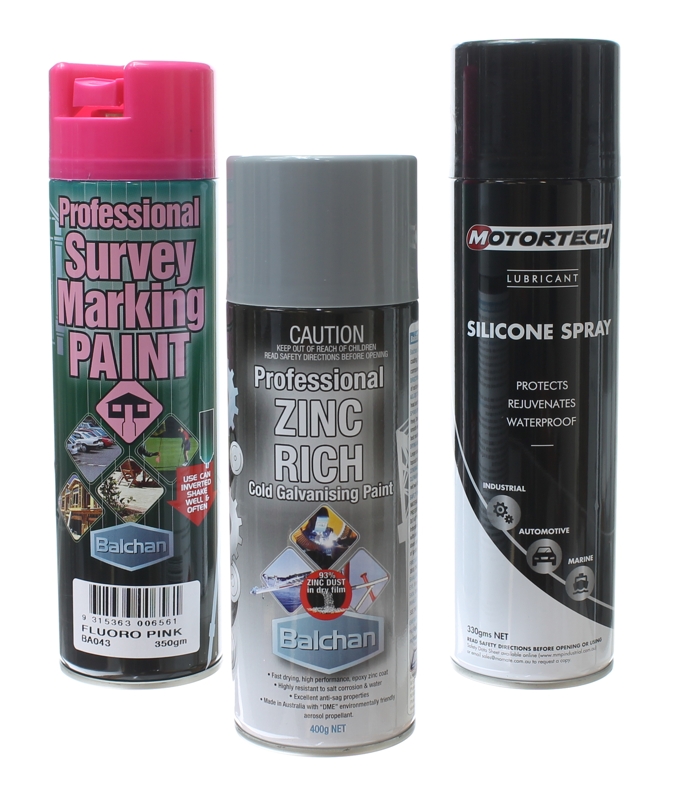
Survey marking paints are aerosol products applied to the ground to lay out cable routes, trench lines, pipe runs, and building setouts. They are designed for use on concrete, bitumen, grass, and compacted soil. Most are formulated to resist rain washout for a short period, which gives site crews enough time to act on the markings before conditions change. Colour coding on Australian construction sites generally follows AS 1345, with each utility type assigned a standard colour.
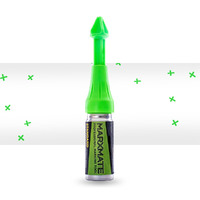
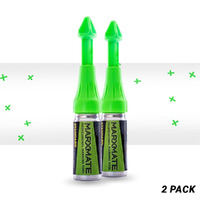
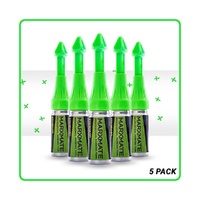
Precision hand markers are used for fine work: locating fixing points, marking stud positions in walls, and scribing cut lines on timber and steel. The Marxmate tool is a pressurised fluorescent marker designed specifically for marking into recessed holes, such as anchor points in masonry or pre-drilled conduit fixings. Conventional pens cannot reach these positions without pulling out the tip. Pica Marker products include the Pica Dry series of automatic pencils with replaceable leads in graphite, white, and coloured options that work reliably on damp timber, rough concrete, and painted metal.
Zinc spray is not a marking product, but it sits in the same category for trade users because it is applied by aerosol to metal surfaces for corrosion protection. It is used on cut conduit ends, saddle fixings, cable trays, and steel framework where the galvanised coating has been cut or ground away. Zinc spray provides a sacrificial layer that slows oxidation without requiring the substrate to be painted. It is particularly useful on coastal sites where salt air accelerates corrosion.
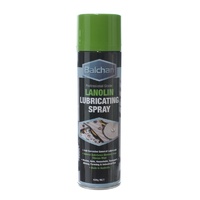
Silicone spray is used by electricians to lubricate cable pulling into conduit, ease the removal of stuck weatherproof fittings, and protect rubber seals on switchgear and industrial connectors. Unlike petroleum-based lubricants, silicone spray does not degrade most rubber compounds and leaves a dry, non-greasy film. Sparky Direct stocks silicone lubricating spray as a standalone product in the spray paint range.
Trade counter suppliers carry a narrow range of marking products, typically survey paint and basic permanent markers. Online electrical wholesalers stock a broader range including precision dry markers, deep-hole markers, Marxmate tools, silicone sprays, and zinc aerosols. Ordering online from a trade-focused supplier also provides access to bulk pricing and consistent stock levels for repeat orders.
A reliable supplier stocks the full product family rather than single lines. For Pica Markers, for example, you want access to the Dry Marker, Fine Dry, Classic Permanent, and Tieflochmarker series alongside the corresponding lead refills. A supplier who carries refills alongside the markers removes the friction of sourcing consumables from a second source. Sparky Direct carries the full range of Pica Markers and associated consumables.
Aerosol products are classified as dangerous goods under the Australian Dangerous Goods Code. This affects how they are packed and shipped. Some carriers impose quantity limits per consignment, and some postcodes attract surcharges or restrictions. When ordering aerosol cans in bulk, confirm dangerous goods handling with the supplier before placing the order. Sparky Direct has experience dispatching aerosol products within the applicable transport requirements.
For high-volume site purchases, contact Sparky Direct directly to confirm any quantity limits that apply to aerosol orders in your state or territory. Pica Marker refills and Marxmate tools have no dangerous goods restrictions and can be ordered in any quantity.
Large-scale site layout uses survey marking paint applied by inverted aerosol cans or line-marking equipment. This work does not require precision: coverage speed matters more than accuracy. Precision fixing work, by contrast, requires hand tools. A Marxmate or Pica Dry marker gives accurate, repeatable dot or line marks at the exact position a fastener will be driven. Using a survey paint can for this work is not practical and using a dry marker for ground layout wastes time. Match the tool to the task scale.
Graphite leads from Pica Dry markers work on most dry surfaces but may be hard to read on dark or rough-textured substrates. White chalk-type leads and white permanent markers show clearly on dark brickwork, black metal, and anthracite-coloured fittings. The Pica Tieflochmarker permanent marker is specifically designed for deep holes and recesses where visibility is limited. Review the surface you are marking against the product specification before ordering.
Indoor marking in dry conditions has few constraints. Outdoor use, particularly in rain or high humidity, narrows the field: water-jet-resistant lead refills such as the Pica 4043 White Water Jet Resistant Refills maintain legibility after rain. Coastal environments require corrosion-resistant products at every point where metal is cut or drilled. Zinc spray applied immediately after cutting conduit or drilling fixings into galvanised brackets significantly extends the life of the installation.
Survey marking paints are available in high-visibility colours including orange, yellow, green, red, blue, and white. Australian site coding conventions assign colours to utility types, for example blue for water, yellow for gas, red for electrical, and white for general survey. Site supervisors and project managers specify which colours apply to each trade on a given project. Confirm the required colour before purchasing to avoid site non-conformances.
Survey marking paints adhere well to sealed and unsealed surfaces, including concrete slabs, asphalt driveways, compacted gravel, and short grass. On porous or dusty surfaces, the paint soaks in slightly rather than sitting on top, which can reduce the visual contrast of the line. A second pass restores visibility where the surface has absorbed the first coat.
Pica Dry markers and permanent markers perform reliably on clean metal, rough-sawn timber, and sheet composite materials. Wet or oily surfaces reduce adhesion regardless of marker type. Remove surface moisture or oil before marking. For corroded or heavily oxidised metal, a light wire brush followed by the marker gives better adhesion than marking directly over scale.
UV radiation, heat, and airborne dust reduce the legibility of site markings faster in Australia than in temperate climates. High-visibility orange and yellow paints fade more slowly than lighter colours under UV exposure. On long-duration projects, plan for re-marking at intervals. Products with stronger pigment concentrations last longer in direct sun.
Aerosol survey paints provide reasonable UV resistance for short-term site use. They are not intended as permanent coatings and will fade or wash off over weeks. Zinc spray forms a more durable protective layer and is not affected by UV, but it is a corrosion inhibitor rather than a visible marker. For permanent marking of electrical assets, consider engraved or adhesive labels rather than spray products.
Standard aerosol spray paint is designed for vertical surfaces and dries to a thin decorative film. Survey marking paint is formulated for horizontal application: the can is held inverted and the spray pattern is directed downward. The paint is typically more heavily pigmented and faster-drying than decorative paint. Using a decorative aerosol for ground marking produces poor results because the pigment concentration is lower and the formulation is not optimised for ground surfaces.
Zinc spray provides cathodic protection by sacrificing zinc ions rather than forming a barrier coating. Traditional paint provides barrier protection but offers no cathodic benefit. On cut conduit ends, cut cable tray, or drilled fixings in galvanised structures, zinc spray is the preferred product because it replicates the protection of the original galvanised coating. Paint over cut edges does not provide the same level of corrosion resistance unless a zinc-rich primer is used first.
Petroleum-based lubricants such as WD-40 leave an oily residue that attracts dust and can degrade rubber seals over time. Silicone spray dries to a slippery film that does not attract dust and is compatible with most rubber and plastic compounds. It is the preferred lubricant for cable pulling into PVC conduit, weatherproof rubber gaskets, and rubber-seated industrial connectors. Do not use silicone spray in applications where paint adhesion is required, as silicone contamination prevents paint from adhering.
Some aerosol coatings are formulated for high-temperature applications such as exhaust manifolds, ovens, and industrial heating equipment. These products use heat-resistant resins and must be cured by controlled heating after application. They are outside the scope of standard site marking but are occasionally required by electricians working on industrial heating installations or food equipment.
| Product Type | Primary Use | Application Direction | Key Feature |
|---|---|---|---|
| Survey Marking Paint | Ground layout | Inverted (downward) | High pigment, fast dry |
| Zinc Spray | Corrosion protection on cut metal | Upright (standard) | Cathodic protection |
| Silicone Spray | Lubrication, seal protection | Upright (standard) | Rubber-safe, dust-free film |
| Pica Dry Marker | Precision fixing marks | Hand tool | Replaceable leads, water resistant options |
| Marxmate | Recessed hole marking | Hand tool (pressurised) | Reaches into holes up to 50mm deep |
Adhesion depends on surface cleanliness, temperature, and the chemistry of the product. Most marking paints specify a minimum application temperature, typically around 5 degrees Celsius, below which adhesion is reduced. On dusty or oily surfaces, clean the area before applying any marking product. Coverage from a standard aerosol can varies by product, but typical survey paints cover 4 to 8 square metres per can on impervious surfaces.
Survey marking paints are designed for rapid drying. Touch-dry times are typically under five minutes in normal conditions, which allows the site to remain in operation. Decorative spray paints have longer drying times and are not suited to working environments. Zinc spray takes longer to fully cure than it does to become touch-dry: protect fresh zinc spray from mechanical contact for at least 30 minutes after application.
Site marking paints are consumable products. They are not designed for permanent marking and should be treated accordingly. In outdoor exposed conditions, expect markings to remain legible for two to six weeks depending on foot traffic, UV exposure, and rain frequency. Pica Dry marker lines on smooth surfaces last longer because the mark sits in the material rather than on top of it.
Ergonomics matter for high-volume marking work. The Marxmate pressurised marking tool eliminates the awkward contortions required to mark into recessed fixing holes with a conventional pen. Pica Dry markers have a chunky grip designed for site gloves. These are not minor conveniences: they directly affect marking speed and accuracy on long days.
Uneven coverage from aerosols is usually caused by holding the can too close to the surface or applying too much product in a single pass. Hold the can at the recommended distance (typically 30 to 40cm) and use multiple light passes rather than a single heavy coat. Drips form when too much paint is applied to a vertical surface before the previous coat has set. On horizontal ground marking, drips are rare but pooling can occur on very porous surfaces.
Poor adhesion is almost always a surface preparation problem. Dust, oil, moisture, or previous coating residue prevents the new product from bonding. Clean the surface and allow it to dry before re-application. On very smooth surfaces, light abrasion with a scuff pad improves adhesion for aerosol paints.
Spray nozzle blockage occurs when the can is not inverted after use to clear the nozzle. The standard practice is to hold the can upside down after use and spray for two to three seconds until only propellant exits the nozzle. This clears residual paint from the valve and prevents blockage. A blocked nozzle can sometimes be cleared by removing it and soaking it in solvent for a few minutes, then replacing it on a different can to test.
Silicone spray residue on surfaces where paint adhesion is subsequently required is a common problem. Silicone is extremely difficult to remove completely and prevents paint from bonding. Apply silicone spray only after all painting is complete, or protect adjacent surfaces with masking tape and paper. On electrical components, silicone residue can also prevent good electrical contact at terminals: keep silicone spray away from terminal connections and cable lugs.
Budget aerosol marking paints from hardware stores are lower-pigment formulations that may fade faster and apply less consistently than trade-grade products. For occasional use, the difference is minor. For high-volume site use, trade-grade products deliver more consistent results per can and reduce the time spent re-marking faded lines. The same principle applies to markers: a cheap permanent marker loses its tip quickly on rough surfaces, while a Pica Dry marker is designed to survive rough handling and abrasive substrates.
Pica Marker refills are the most cost-effective way to operate the Pica Dry system at scale. A single marker body used with refill packs is significantly cheaper per marking than replacing full pen units. Marxmate tools, being pressurised, are consumables and should be costed as part of the fastening budget rather than the tool budget. Ordering Pica refill packs and Marxmate tools alongside regular electrical orders from Sparky Direct consolidates freight costs.
For precision markers, Pica Marker and Sharpie occupy different segments. Sharpie permanent markers are economical general-purpose markers suitable for labelling conduit and panels. Pica Dry markers are engineering instruments: they are precision tools designed for accurate marking on site substrates that would damage a conventional pen. They are not competitors: they solve different problems.
Aerosol cans are pressurised and flammable. They must not be stored near open flames, heat sources, or in direct sunlight. The propellant in most marking sprays is flammable hydrocarbon. The product itself may also be flammable depending on the solvent content. Check the Safety Data Sheet (SDS) for each product before use and storage. In enclosed spaces, ensure adequate ventilation when using aerosols to prevent build-up of flammable vapour.
Wear safety glasses when using aerosols to protect against overspray and ricochet from hard surfaces. In poorly ventilated spaces, wear a respirator rated for organic vapours. Avoid prolonged skin contact with spray products. Wash hands thoroughly after handling aerosol cans, particularly before eating or drinking. Follow all SDS instructions for the specific product in use.
Do not store aerosol cans in vehicles during hot weather. The internal pressure of an aerosol increases with temperature, and in extreme heat a sealed vehicle can reach temperatures that exceed the safe storage limit for aerosol products. Store aerosols in a cool, shaded, well-ventilated area. The standard storage limit for most aerosols is below 50 degrees Celsius.
Important: Always refer to the product Safety Data Sheet (SDS) before using any aerosol spray product. SDS documents are available from the product manufacturer and should be kept on site for any aerosol products held in stock.
Most aerosol marking paints have a shelf life of two to three years from the date of manufacture. The date is printed on the base of the can. Using a product beyond its shelf life risks inconsistent application, nozzle blockage, or reduced pigment intensity. Store cans in a cool, dry environment away from direct sunlight to achieve maximum shelf life.
The primary cause of premature degradation in aerosol markers is heat exposure. A can stored in a hot vehicle or outdoor storage box will degrade faster than one kept indoors. Pica Marker refill leads should be stored in their original packaging to prevent moisture absorption, which can cause the lead to swell and jam in the marker body.
High-volume users of Pica Dry markers should maintain a stock of refill leads. Running out of leads on site when the marker body is functional wastes the tool and requires sourcing a replacement. A single box of refills is light, compact, and inexpensive: keep a spare set in the van or site kit. For Marxmate tools, order replacements when the stock drops to two units to avoid running out mid-job.
Electricians use marking products at multiple stages of an installation. Before chasing walls, a marker identifies the cable route. Before drilling fixings, a Marxmate or Pica Dry tool marks the hole position. During rough-in, conduit runs on concrete slabs are laid out with survey paint. At the fit-off stage, permanent markers label circuits on switchboards and panels. Each stage has a different marking requirement, and a well-stocked tool kit carries products that cover all of them.
Civil and survey crews use inverted-can survey paints to mark utility locations, setout pegs, kerb lines, and excavation boundaries. The high-visibility colours are selected to contrast with the substrate. On bitumen, orange and white are the most visible. On gravel and soil, orange and yellow provide good contrast. On grass, orange, white, and yellow are all used depending on site convention.
Zinc spray is routinely used in automotive and industrial maintenance to protect cut or abraded metal from corrosion. Silicone spray lubricates door hinges, conveyor belt guides, plastic sliding mechanisms, and cable management clips. Both products are stocked by trade electrical suppliers because electricians working in industrial and automotive environments encounter these applications regularly.
Homeowners undertaking renovations use marking tools to locate studs, mark cut lines on timber, and identify cable runs before drilling. A Pica Dry marker or Sharpie permanent marker from the Sparky Direct tools range serves these applications well. For survey marking paint, DIY use is uncommon: the format is suited to site work rather than domestic projects.
Volatile organic compounds (VOCs) in aerosol products contribute to air quality issues in enclosed and poorly ventilated spaces. Some survey marking paints are formulated with lower-VOC solvents. Check the product SDS for VOC content when specifying for use in enclosed work areas such as underground car parks, basements, and tunnels. Water-based marking paints have a lower VOC profile than solvent-based products.
Empty aerosol cans are classified as general waste in most Australian jurisdictions, but they must be fully depressurised before disposal. An aerosol can that retains pressure must not be placed in a compaction vehicle or industrial waste skip where mechanical crushing could cause rupture. Depress the nozzle until no more product or propellant exits before disposing of the can. Local council guidelines may vary: check with your waste management provider for specific requirements.
Pica Dry markers with replaceable leads generate significantly less waste than disposable permanent markers. Each marker body accepts multiple lead refills, and the body itself lasts for years with normal site use. Choosing refillable marker systems over single-use products is both more economical and produces less plastic waste per unit of marking work completed.
Aerosol products used on Australian worksites must comply with the Work Health and Safety (WHS) Regulations applicable in each state and territory. Employers are required to provide SDS documents for all hazardous products, including aerosol sprays. Workers must be trained in the safe use and storage of aerosol products before using them on site. The relevant model WHS Regulations and the GHS (Globally Harmonised System) classification system provide the framework for hazardous substance management.
AS 1345 specifies the colour coding system for underground services in Australia and New Zealand. This standard assigns specific colours to each utility type and is used to coordinate service marking during excavation and site preparation. Adherence to AS 1345 colour coding prevents utility strikes by ensuring all trades understand what each colour represents. Site supervisors are responsible for confirming colour coding requirements at project induction.
Aerosol products containing chlorofluorocarbons (CFCs) or hydrochlorofluorocarbons (HCFCs) are restricted in Australia under the Ozone Protection and Synthetic Greenhouse Gas Management Act 1989. Modern aerosol marking products use hydrocarbon or dimethyl ether (DME) propellants that do not fall under these restrictions. Confirm propellant type in the product SDS if this is a compliance concern for your project or organisation.
Watch Marxmate | 2 Pack | Professional Marking Tool | Up to 50mm video
Watch Pica Marker 7070 | Fine Dry Longlife Automatic Marker Equipped with 5 x 0.9mm Leads | Each video
Watch Pica Marker 3030 | Dry Marker (green body) video

Thought i would splash out and buy one of these as I always struggled to mark recessed mounting holes in lights, outlets and various other stuff. I've ruined so many sharpies and permanent markers in the past trying to pullout the tip in order to mark out mounting holes. This works surprisingly really well, definitely worth the money.
This unit makes marking drill guide holes easy on all surfaces even if they are uneven and especially on black speckled bricks where traditional black sharpies won't work as they blend in. This is a time saver and a real game changer and allows for speedier installation time.
Pica pencil is a god sent , excellent quality and tough enough for the building site , the 0.9 mm diameter pencil is great even for marking over rough sawn timber and it's always protected inside the green casing , great tool!!
Quality products in stock • Fast Australia-wide delivery • Competitive trade pricing
Browse Spray Paints → Get Expert Advice →Yes, silicone spray is commonly used to reduce squeaks and prevent sticking without attracting dirt.
Sparky Direct supplies spray paint, silicone spray, and zinc spray Australia-wide, supporting trade and maintenance needs with reliable delivery.
Spray products are packaged and delivered in line with courier and safety requirements.
Unopened spray cans are usually eligible for return according to the seller’s returns policy.
Warranty coverage depends on the manufacturer and generally relates to product defects.
Spray paints, silicone sprays, and zinc sprays are sold individually in aerosol cans.
Spray cans should be stored upright in a cool, dry place away from heat sources.
Drying time varies by product, surface, and conditions, and should be checked on the label.
Yes, they are suitable for DIY tasks when used according to the manufacturer’s instructions.
Overspray can occur, so surrounding areas should be protected during application.
Some sprays have noticeable odours, so use in well-ventilated areas is recommended.
Spray paints are ideal for quick repairs, touch-ups, and surface marking.
Yes, zinc spray helps protect metal surfaces from rust and corrosion.
Spray paints are used for coating, protecting, marking, and finishing surfaces such as metal, plastic, timber, and masonry.
Spray paints are easy to apply when used with proper ventilation and even spraying techniques.
Choosing the right spray depends on whether you need lubrication, corrosion protection, marking, or surface finishing.
Yes, spray paints, silicone sprays, and zinc sprays are widely used in trade, maintenance, and workshop environments.
Yes, surfaces should be clean, dry, and free from grease or rust for best results.
Many spray paints and zinc sprays are designed to be weather-resistant, making them suitable for indoor and outdoor use.
Some silicone sprays provide insulating properties, but suitability must be confirmed in the product specifications.
Yes, spray paints and zinc sprays are commonly used on metal when the surface is properly prepared.
Many spray products are manufactured to comply with relevant Australian safety and chemical regulations, depending on the product type.
Some spray products are used for marking or corrosion protection, but they must be suitable for the surface and application and used in line with safety guidance.
Zinc spray is used to provide corrosion protection on metal surfaces, often as a cold galvanising coating.
Silicone spray is used as a lubricant and protective coating to reduce friction, repel moisture, and protect rubber, plastic, and metal parts.