
Search Results:
Search Results:
Search Results:
Search Results:
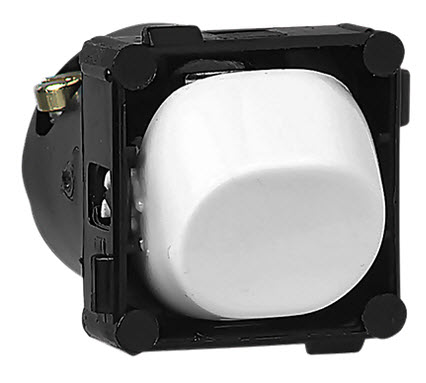
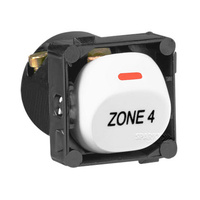
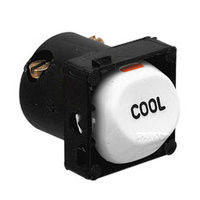
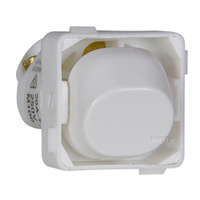
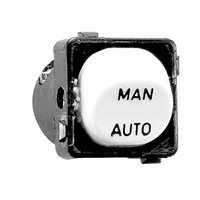
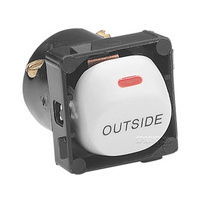
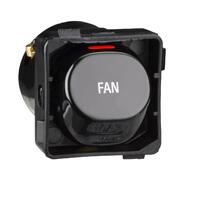
Find the best Clipsal Switch Mechanisms here at Sparky Direct. [ Read More ]

A switch mechanism is the working part of any wall switch. It contains the contacts, terminals, and actuator that make or break a circuit. The wall plate, grid, and cover provide mounting and finish, but the mechanism does the electrical work.
Clipsal is a Schneider Electric brand with deep adoption across Australian residential and commercial installations. Most Australian electricians are familiar with the Clipsal range, which makes specification, replacement, and stock support straightforward on most projects.
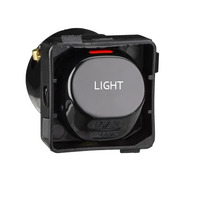
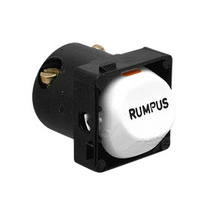
A switch mechanism opens or closes a circuit when you flick a rocker, press a button, or rotate a dial. Clipsal produces standard rocker mechanisms, push-button mechanisms, dimmers, fan controllers, smart mechanisms, and specialist modules for cooker switches, heater switches, and key control.
Common Australian applications include bedroom lights, hallway two-way switching, kitchen exhaust fans, outdoor lighting in weatherproof enclosures, office lighting banks, and renovation upgrades where the existing plates are kept but the internals are renewed.
Many Clipsal ranges use a layered construction. The mechanism clips into a mounting frame or grid, and a decorative cover or skin snaps on top. This matters when ordering parts. A cover plate by itself cannot switch a circuit. If the actuator feels worn or the contacts crackle, the part to replace is the mechanism.
Compatibility varies by range. Clipsal Iconic skin plate covers fit Iconic mechanisms and grids but will not fit older series. Always confirm the range before ordering.
The reasons electricians reach for Clipsal are practical. Brand familiarity reduces specification risk on multi-trade jobs. National availability supports maintenance and warranty work. Range depth covers everything from a basic 10A switch mech to a Wiser-connected push-button mechanism. Replacement support is reliable because most established homes already run Clipsal.
For new builds, renovations, and like-for-like replacement, the Clipsal catalogue covers most needs without forcing a brand switch mid-project.
Buyers comparing Clipsal mechanisms generally need to choose between five broad families. Each family handles a specific switching role. Selection depends on the load, the location, and whether you need automation.
Single-pole mechanisms control one lighting or accessory circuit from one location. They are the most common type in Australian homes and small commercial spaces. Many Clipsal standard mechanisms are rated 10A at 250V AC, which suits general residential lighting circuits.
Final circuit suitability must always be confirmed by a licensed electrician. The mechanism rating must match the connected load and the breaker upstream.
Two-way mechanisms let you control one circuit from two locations. Hallways, staircases, garages, and large living rooms are the typical applications. Intermediate mechanisms extend control to three or more locations, which is useful on commercial corridors, function rooms, and long passageways.
Two-way and intermediate wiring must be specified and installed by a licensed electrician. Incorrect wiring can damage the mechanism, leave the circuit live when it appears off, or fail compliance inspection.
Momentary mechanisms only complete the circuit while the button is pressed. They are used for doorbells, impulse relays, control inputs, and smart system triggers. Latching mechanisms hold their position, which is the standard behaviour for normal light switching.
Push-button mechanisms are common in Clipsal Iconic dimmers and timers and in Wiser smart products, where the button acts as both a local control and an automation trigger.
Dimmer selection depends on load type, minimum load, maximum load, and driver compatibility. Universal dimmers can handle leading-edge or trailing-edge dimming on a wider range of LED drivers, while dedicated LED dimmers are tuned for low-wattage electronic loads.
LED dimming warning: Incompatible LED drivers can cause flicker, audible buzz, narrow dimming range, premature dimmer failure, or premature lamp failure. Always cross-check the driver datasheet against the dimmer compatibility list before ordering.
Fan controllers manage ceiling fan motor speed and many also drive a separate light load on a combined fan and light unit. The mechanism must be matched to the fan motor type. AC motor fans and DC motor fans often need different control units.
Bedrooms, living rooms, rentals, and renovation projects are the most common uses. The Clipsal Iconic fan controller range fits the Iconic grid system.
Smart mechanisms add app control, scheduling, automation, and voice ecosystem integration. Clipsal Iconic Wiser uses a Zigbee hub for whole-home automation. C-Bus is the Schneider Electric commercial building automation protocol, which uses a separate cabling and control infrastructure.
Before specifying a smart mechanism, confirm the answers to these questions:
Compatibility is the highest source of mechanism-related returns. The mechanism must match the grid, the plate, and often the skin or cover used on that range. Brands are not cross-compatible. Even within Clipsal, different series use different grids and clip geometries.
Iconic is the current modular Clipsal system. Iconic mechanisms clip into Iconic grids, then accept interchangeable skins for finish changes without rewiring. Iconic suits modern residential builds, apartments, and light commercial projects.
The Iconic Styl range uses a distinct skin format with metallic and matte finishes. The Iconic Essence range covers the everyday white and grey finishes. Both share core Iconic mechanisms.
The 2000 Series is the workhorse legacy range. Many Australian homes built between the 1990s and the 2010s run 2000 Series plates and mechanisms. The Clipsal 2000 light switch range remains a strong fit for like-for-like replacement.
The Clipsal Classic switch range uses a similar 30 Series grid and accepts metallic cover plates such as brushed aluminium. Compatibility should be confirmed using the mechanism series and plate code, not just visual similarity. A switch that looks the same may still use a different grid pitch.
Premium Clipsal ranges use specific mechanism, adaptor, and cover formats. Saturn Zen dimmers, mechs, and accessories are designed around the Zen plate format and will not accept generic 30 Series mechanisms.
The Clipsal Solis Collection is the architectural premium tier. The Solis Series light switches use a rocker action with sculpted plates. The Solis T-Series light switches use a toggle action with darker metal finishes such as ebony aluminium.
Smart and automation mechanisms need careful specification. The relevant factors are load type, communications protocol, gateway or hub requirement, and overall system design. Wiser mechanisms need a Wiser hub for full functionality. C-Bus mechanisms need a C-Bus network and programming.
For whole-home or commercial automation, confirm the system architecture, control points, and load schedule before ordering mechanisms in volume. Returning bulk smart product after a specification error is expensive.
For a like-for-like replacement, you need five pieces of information. Capture the product range, the mechanism part number on the existing unit, the plate type, the gang count, and the switching function. The electrical rating must also match.
The simplest method is to photograph the existing plate, the mechanism label, and any markings on the back of the cover. A licensed electrician can confirm the correct replacement from those photos before you commit to an order.
Removing or replacing fixed wiring components is licensed electrical work in Australia. Ordering the wrong mechanism wastes time on the day of installation and may force a second visit, which adds labour cost to the project.
Ratings determine whether a mechanism is suitable for the circuit. The mechanism rating must match or exceed the connected load, and it must suit the load type. Mismatch leads to overheating, contact wear, and non-compliant installation.
Common Clipsal switch mechanisms are rated 10A at 250V AC for general lighting switching. Higher current ratings, such as 20A, 25A, 35A, and 45A, are used for cookers, ovens, hot water systems, and heavy switching duties.
The rating must suit both the connected load and the circuit design. Exceeding the mechanism rating causes contact arcing, accelerated wear, and risk of overheating at the terminal. Undersized mechanisms also fail premature electrical inspection.
Different load types behave differently at the moment of switching. Resistive loads like incandescent and halogen are predictable. Inductive loads like fan motors create a back-EMF spike when switched off. Capacitive loads like electronic LED drivers create an inrush current spike when switched on. Electronic dimming adds further complexity.
| Load Type | Switching Behaviour | Mechanism Consideration |
|---|---|---|
| Halogen and incandescent | High inrush at turn-on, then resistive | Standard 10A mech suits most residential circuits |
| LED with electronic driver | Capacitive inrush, low steady-state current | Dimmer must match the driver type and minimum load |
| Fluorescent with ballast | Inductive lag and starter inrush | Use a fluorescent-rated switch or contactor on large banks |
| Ceiling fans and small motors | Inductive back-EMF when switched off | Use a fan controller, not a standard dimmer |
| Cooker, oven, hot water | High resistive load, frequent cycling | Use 20A or 35A heater-rated mechanisms |
| Contactor or relay coils | Low current, low burden, short pulses | Momentary push-button or bell-press mechanism |
Mechanism durability depends on contact material, switching frequency, load type, and installation environment. High-cycle locations need robust mechanisms with silver alloy contacts and reinforced rocker components.
Schools, hospitality venues, amenities blocks, retail back-of-house, and shared rentals all see heavy daily switching. Specifying a higher-grade mechanism in those locations reduces maintenance callbacks. Clipsal Pro Series mechanisms are aimed at this commercial duty profile.
Standard mechanisms are designed for dry indoor installation. They are not suitable for direct outdoor exposure or wet areas. Outdoor or weather-exposed locations need a mechanism designed for the environment, fitted inside a rated enclosure.
The Clipsal Iconic Outdoor range and the Clipsal Weathershield Outdoor range cover most weather-exposed residential applications. For industrial sites and severe outdoor exposure, the Clipsal Easy56 range covers high IP rated switchgear.
Project context shapes the right mechanism choice. A renovation needs to match what is already on the wall. A new build can start with a clean specification. A commercial project needs durability, range continuity, and stock support across a long programme.
For renovations, the deciding factors are replacement compatibility, existing plate range, visual consistency, and budget. If the home runs 2000 Series plates and the customer wants to keep the look, like-for-like 2000 Series mechanisms are the cleanest path.
Common upgrade paths are 2000 Series to Iconic for a modernised look, standard white plates to Saturn Zen for a flush appearance, or budget plates to Solis for a premium architectural finish. Order mechanisms, plates, skins, and accessories together to avoid mixed finishes across the same room.
New builds benefit from consistency. Specify one mechanism family across the whole home. Plan for dimmers, fan controllers, two-way switching, smart zones, and outdoor controls during the electrical schedule, not on the day of rough-in.
Document the mechanism type at every switch location. That schedule becomes a reference for the electrician, the builder, and any future maintenance. If the build budget allows for future smart upgrades, choose a range like Iconic that supports a smart pathway without rewiring.
For commercial spaces, focus on cycle life, load suitability, ease of replacement, and stock availability across the country. Offices, retail fit-outs, hospitality, schools, amenities blocks, and back-of-house areas all see heavy daily use.
Choose mechanisms with proven duty profiles and matching plates that resist cleaning chemicals. Stock spares in the building manager's store for fast replacement without waiting for next-day delivery.
Modular mechanisms are useful when a project needs mixed functions on one plate. A single Iconic grid can carry a switch, a dimmer, a USB charger, a data outlet, and a smart mechanism side by side. That flexibility matters for staged upgrades and tenant change-overs.
The modular approach reduces future labour. If a tenant needs a different switching layout, the grid stays in the wall and only the mechanism and skin change.
Buyers often compare Clipsal against alternative Australian-compliant brands. Brand choice depends more on the installed plate system, project specification, stock availability, and electrician preference than on raw performance differences at the mechanism level.
The main Australian alternatives are HPM, Legrand, National Light Sources (NLS), Hager, and Trader. All produce compliant mechanisms for the Australian market.
Mechanisms are generally not cross-compatible between brands. A Clipsal Iconic mechanism will not fit an HPM Excel plate. If you start a project with one brand, plan to finish it with that brand. Mixing brands within a project creates ongoing maintenance headaches.
Standard mechanisms are simple, reliable, and inexpensive. They handle the everyday lighting and accessory switching that most homes need. Smart mechanisms add scheduling, remote control, automation, and energy monitoring at higher cost and complexity.
Before choosing smart mechanisms, confirm four practical questions. Is there a neutral at the switch? Is there a hub on the network? Does the app ecosystem suit the client? Are the connected loads compatible with the smart mechanism electronics? Smart mechanisms also require firmware updates and occasional re-pairing, which the client should understand at handover.
Rocker switches are the everyday Australian residential default. They feel familiar, operate reliably, and suit any room. Push buttons are common on dimmers, smart mechanisms, and bell presses. They give a positive click and integrate well with automation.
Toggle mechanisms have a distinctive lever action and appear on premium ranges like Solis T-Series. They suit architectural projects where the switch is treated as a visible design element rather than a hidden utility.
Clipsal mechanisms are widely available through Australian electrical wholesalers, trade suppliers, and online retailers. Buying from an Australian supplier supports genuine product, correct compliance documentation, and clear warranty pathways.
Sparky Direct is an Australian online electrical wholesaler offering the full Clipsal switches range with trade and retail access. Stock visibility is shown on each product page, and dispatch runs daily from Australian warehouses.
Buying domestically also matters for warranty support. Schneider Electric warranty claims on Clipsal product flow more smoothly through Australian-purchased channels with valid tax invoices.
Contractors ordering for new builds, multi-room renovations, small commercial fit-outs, and maintenance stock should check three things before placing a bulk order. Confirm carton quantities for the part numbers. Match all product codes against the electrical schedule. Confirm finish consistency so plates and mechanisms from different cartons line up.
Project orders also benefit from staged delivery. Holding a full project's worth of stock on a building site invites loss and damage. Many electricians stage deliveries to match the rough-in and fit-off phases.
The cheapest mechanism is not always the best value. Compatibility problems, low stock, and load mismatches all cost time on site. Useful comparison factors include product authenticity, warranty support, stock availability, delivery speed, range continuity, and local technical support.
For live pricing, check the relevant product page. Mechanism pricing varies by range, finish, and order quantity, and changes over time as Schneider Electric updates the Clipsal price list.
Affordable options are fine when they are genuine, compliant, compatible, and rated for the load. Discounted run-out stock from a reputable Australian supplier is a legitimate way to save on a project.
Be cautious of grey-market product, parallel imports without local compliance marks, and counterfeit Clipsal-branded mechanisms. Non-certified electrical components installed in fixed wiring create liability for the installer and can void building insurance after a fault.
Installation and replacement of fixed wiring components is licensed electrical work in Australia. This section covers the planning and compliance side of mechanism specification. It does not provide wiring instructions.
Installing, replacing, or wiring switch mechanisms connected to fixed electrical wiring must be performed by a licensed electrician. The requirement applies across all Australian states and territories. DIY installation can be unsafe, illegal, void building insurance, and result in non-compliant work.
If a mechanism is faulty, switch the circuit off at the board and call a licensed electrician. Do not attempt removal or replacement of a hard-wired mechanism without the right qualifications.
The primary installation standard for Australian fixed wiring is AS/NZS 3000, the Wiring Rules. Product standards for switches and accessories sit alongside the wiring rules. AS/NZS 3112 covers plug and socket configurations, which is relevant when power points appear alongside switch mechanisms on the same grid.
Always check product markings, ratings, and compliance documentation before installation. Clipsal product carries the relevant Australian compliance marks, which is one of the reasons it is widely accepted on inspection.
Safe specification covers five planning steps that anyone can do before the electrician arrives. Confirm the load type. Match the mechanism rating to the load and the circuit. Confirm range compatibility with the existing plates. Check the mounting environment, particularly for wet or outdoor locations. Order any required accessories at the same time as the mechanism.
Leave the live wiring work to the licensed electrician. Two-way switching, dimmer commissioning, smart switch pairing, fan controller setup, outdoor installations, and commercial circuits all benefit from licensed assessment before the work starts.
Switch mechanisms are mechanical and electrical devices. They wear over time and they can fail. Knowing the warning signs helps the home or building owner act before a failure becomes a safety problem.
Several symptoms suggest a mechanism is failing. Intermittent switching is the most common. Crackling, audible buzzing, or heat at the plate suggest contact wear or loose terminations. Discolouration around the rocker, a loose or stiff feel, a broken actuator, flickering lights, or unstable dimmer behaviour all point to mechanism replacement.
If you notice heat, arcing, burning smells, or persistent faults, switch the circuit off at the board and engage a licensed electrician. These symptoms can indicate a fault progressing toward a fire risk.
Mechanisms fail for predictable reasons. Contact wear from high switching cycles, overload, sustained inductive loads, moisture ingress in unsuitable locations, mechanical damage, dust ingress, corrosion, and incorrect product selection all shorten mechanism life.
Dimmers and smart mechanisms also contain electronic components. These fail differently from a purely mechanical switch. A dimmer that worked for years can fail suddenly when a single LED driver fails and damages the dimmer output stage.
Like-for-like replacement is the simplest path when one mechanism fails and the rest of the room is in good condition. The electrician swaps the mechanism in minutes and the room looks unchanged.
A broader upgrade makes sense for several reasons. The plates may be cracked. The frames may be aged. The renovation aesthetic may have shifted. Smart functionality may be wanted, LED dimming may need to be improved, or the gang count may need to change. Any replacement work must be completed by a licensed electrician.
Club Clipsal is Australia's largest electrician community offering trade rewards, business support, and exclusive benefits. When you nominate Sparky Direct as your preferred wholesaler, we automatically apply your Clipsal spend points to your Club Clipsal account daily.
Entry-level offering coaching, mentoring, and training discounts
Unlock exclusive industry tools and networking events
Access Toyota fleet offers and business software discounts
Maximum benefits, including VIP experiences and rewards
1. Sign Up: Create your Club Clipsal account at clipsal.com/club-clipsal or via the iCat mobile app
2. Nominate Sparky Direct: Select Sparky Direct from the wholesaler dropdown menu in your profile
3. Add Email: Enter your Sparky Direct account email address in the membership number field
4. Start Earning: Every dollar spent on Clipsal products earns points automatically
Redeem points from the rewards store, including gift cards, tools, and experiences. Access business summits, product training, and industry networking events. Receive early access to new product launches and special promotions. Connect with fellow electricians via the Club Clipsal community app.
Watch Clipsal 30HM-WE | Heat Switch Mech 10 Amp (30 Series) White video
Watch CLIPSAL 30M35 | 35A Switch Mech (30 Series) 30M35WE video
Watch Clipsal Iconic 40MD20 | Double Pole Switch Mechanism 1-Way 20AX video

My partner and I have bought two big orders now from Sparky Direct and both times our packages arrived very quickly and we received all the correct items. Sparky direct have been a great company to go thought for any electrical needs. We love the Clipsal Iconic range! Looks so beautiful in our newly renovated home. Highly recommend.
Best thing I have installed as the family have a bad habit of leaving the outside light on overnight once the curtains are drawn. Bright enough to be visible but not such that it is annoying. Better as not wasting electricity for no benefit.
These are genuine switch-mechs. There are a lot of counterfeit ones around, particularly on eBay, as I found out. These genuine ones have the correct rating and last the distance. -- they won't void your insurance or burn your house down.
Quality products in stock • Fast Australia-wide delivery • Competitive trade pricing
Shop Clipsal Switch Mechanisms → Get Expert Advice →Yes, they are designed to provide reliable and consistent switching action.
Sparky Direct supplies Clipsal switch mechanisms Australia-wide, offering genuine Clipsal components with convenient delivery.
They are securely packaged and delivered via standard courier services.
Unused products are generally eligible for return according to the seller’s returns policy.
Warranty coverage varies by product and manufacturer and typically covers defects in materials or workmanship.
Yes, Clipsal switch mechanisms are typically sold as individual components.
Yes, selecting the correct mechanism ensures proper operation and safety.
Yes, worn or faulty mechanisms can cause intermittent or failed switching.
No, they sit behind the switch plate and are not visible during normal use.
Yes, they are used across a wide range of Clipsal switch styles.
Once installed correctly, they generally require minimal maintenance.
Yes, mechanisms can often be changed if switching requirements change.
Yes, they are commonly replaced during renovations and upgrades.
Clipsal switch mechanisms are the internal electrical components that control the switching function within a light switch or control plate.
Yes, they are a standard component used by licensed electricians across Australia.
Replacing the mechanism can restore function while keeping the existing plate and surround.
Yes, they are designed for long service life and frequent operation.
In many cases, mechanisms can be replaced without altering fixed wiring, subject to correct installation.
Yes, standard Clipsal switch mechanisms are suitable for switching LED lighting circuits.
Yes, common types include single pole, double pole, intermediate, and momentary switch mechanisms.
Yes, they are suitable for residential and light commercial applications.
Yes, they are widely used in residential homes and apartments.
Yes, Clipsal switch mechanisms are manufactured to meet relevant AS/NZS electrical and safety standards when installed correctly.
Yes, they are designed to work with compatible Clipsal switch plates, grids, and surrounds within the same range.
They make or break the electrical circuit, allowing lights or connected loads to be turned on and off.