
20MM
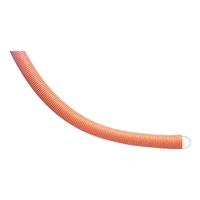
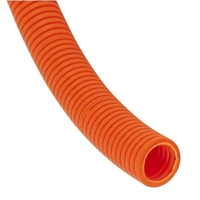
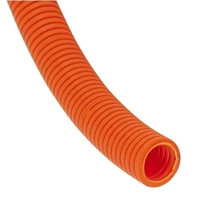
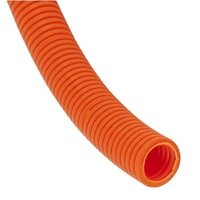
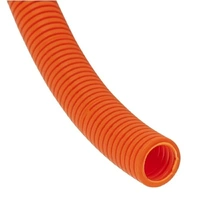
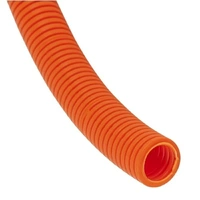
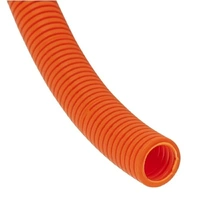
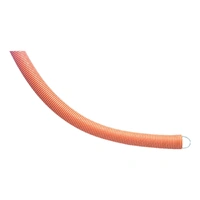
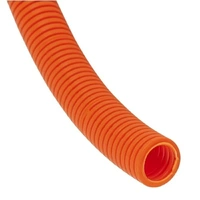
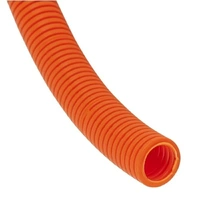
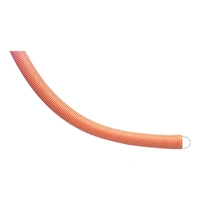
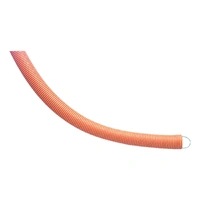
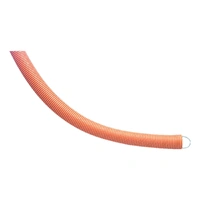
Clipsal 9020CHD10-EO | 20mm Heavy Duty Corrugated Conduit 10M | Electric Orange
$30.65
$27.86 ex. GST
Search Results:
Search Results:
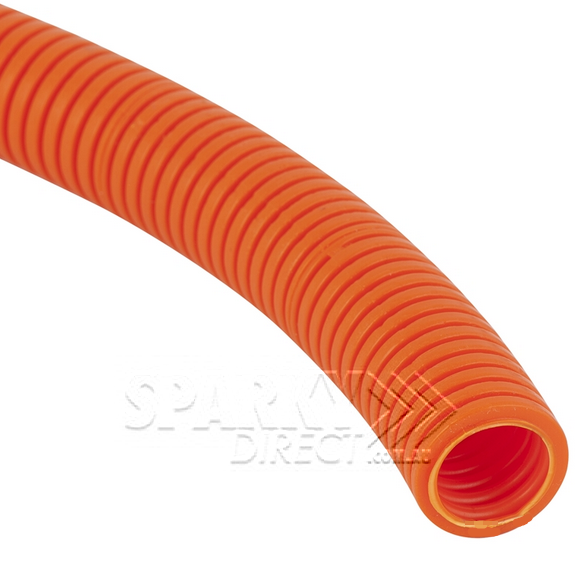
Find the best Orange Corrugated Conduit here at Sparky Direct. [ Read More ]
Orange corrugated conduit is a flexible, ribbed plastic sleeve manufactured for underground electrical cable protection. The corrugated wall design lets the tubing bend around obstacles in a trench without kinking or collapsing under soil load.
The flexibility removes the need for purpose made bends across most of a run. A single coil can follow the contours of a trench, drop into a service pit, and rise back up to a meter box. Rigid conduit alone cannot match this on long runs.
The conduit forms a continuous mechanical barrier between the cable and the surrounding soil, rocks, roots, and any future excavation tools. Cable insulation alone is not designed to handle direct soil contact, point loading, or accidental shovel strikes.
The ribbed wall absorbs and distributes external pressure across the structure rather than concentrating it on the cable. Water, soil chemicals, and termite activity are also held back from the conductor.
Orange identifies the conduit as electrical. Anyone digging in the future who exposes orange material in the ground knows immediately to stop and treat the run as live. This colour convention is followed across Australian utilities, civil contractors, and electrical trades.
Communications cabling uses white or green. Water uses blue. Gas uses yellow. Mixing colours defeats the system and creates a real safety hazard for any future trench work on the site.
Orange corrugated conduit is the underground electrical default. Grey corrugated conduit is for above-ground or in-wall electrical. Rigid orange conduit suits short straight runs, road crossings, and exposed transitions where stiffness matters more than flexibility.
The Wiring Rules set the framework for buried electrical installations. They cover acceptable conduit types, minimum burial depths, and the use of mechanical protection for cables under driveways or other trafficked areas.
Compliance is not optional. A non-compliant install fails inspection, exposes the licensed electrician to liability, and may need to be re-trenched at the contractor's cost.
AS/NZS 2053 specifies the mechanical and material requirements for conduit and conduit fittings used in Australia. It covers crush resistance, impact resistance, temperature range, and dimensional tolerances.
Conduit marked to AS/NZS 2053 has been tested against these requirements. Non-compliant or unmarked conduit cannot be relied on for a code-compliant install and should be avoided on any commissioned job.
Minimum burial depth depends on location and what passes overhead. Cables under gardens or lawns generally sit deeper than 500mm. Cables under driveways or other vehicle areas sit deeper still and usually need additional mechanical protection from rigid conduit or warning slabs.
Always check the latest edition of AS/NZS 3000 for current depth tables. Local network operators may also impose additional requirements for service connections.
Conduit must be sized so cables can be drawn through without damaging the insulation. Fill ratio rules in AS/NZS 3000 cap the total cross-sectional cable area at a percentage of the internal conduit area.
Oversizing slightly is normal practice. It allows for future cable additions, easier draw-in on long runs, and a margin for bend radius effects on cable cross-section.
Single-wall conduit is the standard product for residential and light commercial buried runs. Dual-wall conduit has a smooth inner bore and a corrugated outer wall, giving better cable draw performance and higher crush resistance for civil work.
Coiled conduit ships in 10, 20, 25, and 50 metre rolls. The flexible coil suits long trench runs with bends and elevation changes. Rigid lengths are sold separately for runs that need a stiffer transition or for above-ground sections.
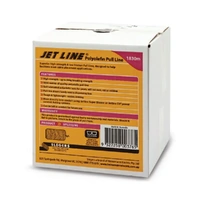
Some coils ship with a pull cord already running through the bore. This saves time on long runs where pushing a draw rope through is slow and frustrating. Always check the product description before ordering.
Standard duty conduit suits residential garden runs, lighting circuits, and similar low-risk areas. Heavy duty conduit is rated for higher mechanical loads and is the right choice under driveways, near tree roots, or in rocky soil where impact protection matters.
Diameter selection comes from two factors: the cable cross-sectional area and the fill ratio rule. Add the ratings of all cables in the conduit, then size up so the total falls within the AS/NZS 3000 fill cap.
For a single 16mm sub-mains, 32mm conduit is a typical choice. For a pair of 6mm 6mm twin and earth cables, 25mm usually has enough headroom.
Sandy soil is forgiving. Clay shifts with moisture and adds long-term load. Rocky or compacted soil increases the chance of point damage during backfill. Heavier-duty conduit is the safer specification for hostile ground.
Residential garden runs accept standard duty conduit at typical depths. Commercial sites usually demand heavy duty conduit, deeper trenches, and warning tape across every cable run. Civil specifications often go further with concrete encasement.
Undersizing conduit to save cost almost always backfires. Cables become difficult to draw, fill ratios fail inspection, and any future re-pull is much harder. Sizing one step up from minimum is cheap insurance.
Sub-mains feeding garages, sheds, granny flats, and pool equipment all run through orange corrugated conduit when buried. The flexibility makes following property boundaries straightforward, even where existing landscaping forces detours.
Carparks, warehouses, signage circuits, and external lighting all use buried orange corrugated conduit at scale. Civil contractors typically specify heavy duty product in larger diameters to handle the loads from vehicle movements above the trench.
Solar arrays mounted on outbuildings or ground-mount frames feed back to the inverter through buried solar cable supplies in orange corrugated conduit. EV charger circuits from a switchboard to a wallbox follow the same approach.
Garden lighting, pool lighting, driveway bollards, and external power outlets all need buried supply circuits. Orange corrugated conduit protects the cable and signals the electrical service to anyone who later digs in the area.
Strip the trench of sharp rocks, roots, and construction debris before laying conduit. A bed of clean sand or fine soil at the base of the trench protects the conduit from point loading. Backfill in layers and compact gently to avoid crushing.
Plan the route to avoid water lines, gas lines, and existing services. Keep horizontal separation from non-electrical services where the standard requires it. Long runs benefit from intermediate access pits at logical points for future maintenance.
Lay underground electrical warning tape above the conduit during backfill, typically about 150mm above the conduit itself. The tape gives a clear visual warning to anyone digging years later, well before they reach the cable.
Conduit ends inside switchboards, meter boxes, and outdoor enclosures need sealing to stop water tracking up the bore and into electrical equipment. Use proper straight gland conduit fittings at every entry point and finish with a duct sealant where required.
Even flexible corrugated conduit has a minimum bend radius. Forcing a tighter bend can collapse the corrugations and crush the cable inside. Use proper sweep bends for the tighter directional changes near switchboards and pits.
PVC is the most common material for orange corrugated conduit in residential and general electrical work. HDPE conduit handles harsher chemical and thermal conditions and is more common in industrial and infrastructure work.
AS/NZS 2053 sets out the test method for crush resistance. Standard duty conduit is fine for normal residential burial. Heavy duty conduit is rated for higher static loads and is the right call under driveways and other trafficked surfaces.
PVC conduit is inert to water and resists most soil chemistries encountered on Australian sites. Aggressive industrial sites with hydrocarbon contamination or extreme pH may justify HDPE for the longer service life.
Standard PVC corrugated conduit is not UV stable for permanent above-ground use. Where the run rises out of the ground, transition to UV-stabilised rigid conduit before any sustained exposure to direct sunlight. Otherwise the wall becomes brittle over time.
Corrugated conduit is flexible, ships in long coils, and follows trench contours easily. Rigid conduit is straight, stiffer, and better for short defined runs. Most underground jobs use corrugated for the bulk of the run with rigid for transitions.
| Property | Corrugated Conduit | Rigid Conduit |
|---|---|---|
| Flexibility | High, follows trench shape | Low, requires bends |
| Length per coil | 10 to 50 metres | Fixed sticks, typically 4m |
| Cable draw | Slightly more friction | Smooth bore, easier draw |
| Best use | Long buried runs | Short straight sections |
Orange is for buried electrical. Grey is for above-ground electrical or in-wall use. Black is generally used for stormwater or non-electrical drainage. Mixing them creates safety risk and may fail inspection.
Use corrugated conduit when the run is long, follows uneven ground, or needs to flex around obstacles. Use rigid conduit when the run is short, exposed, needs to look tidy, or crosses under a road where stiffness matters.
Corrugated conduit is not designed for permanent above-ground or exposed installation, and the inner ribbing creates more cable drag than a smooth bore over very long runs. For straight overhead runs, rigid conduit performs better.
Shallow trenches are quicker to dig but fail inspection and put the cable at risk from future garden work, post holes, and landscaping. Always check the current AS/NZS 3000 depth requirement for the location and dig to the right depth from the start.
Unsealed conduit ends act as a wick. Water tracks up the bore from the lowest point in the trench, then pools in the switchboard or enclosure. The result is corrosion of terminations and tripping circuit breakers. Seal every entry point properly.
Using grey conduit underground for electrical, or running orange conduit for non-electrical services, defeats the colour coding system. Future excavators rely on the colour to identify what they have hit. Stick to orange for buried electrical.
Not recording the route on a site plan creates problems years down the line when someone needs to dig nearby. A simple as-built drawing showing trench paths and depths saves time and money on every later project on the site.
Inspection Watch-Outs: Inspectors commonly fail jobs for shallow burial, missing warning tape, unsealed ends, and undersized conduit. Each of these is easy to get right at install but very expensive to fix after backfill.
Pricing varies by diameter, coil length, wall thickness, and brand. A 25mm 25 metre standard duty coil sits at the budget end. Larger diameters and heavy duty product cost more per metre but deliver better mechanical protection.
Larger coils give a better unit price and avoid joins along the trench. Smaller coils suit small jobs, repairs, and contractors who do not want excess stock left over. Match the coil size to the actual job for the best value.
Three things drive the cost per metre: bore diameter, wall thickness, and material. A 50mm heavy duty HDPE coil is significantly more expensive than a 20mm standard PVC coil of the same length. Specify exactly what the job needs.
Trade suppliers like Sparky Direct stock the diameters, coil lengths, and brands electricians actually use, with pricing structured for trade volume. General hardware retail outlets often carry a narrower range and can be slower to restock.
Long coils ship from stock for most diameters. Time-critical jobs benefit from confirming availability before booking the trench. Sparky Direct dispatches from stock daily across Australia.
Map the trench, count the cables, calculate the fill ratio, and then choose the conduit. Buying first and sizing later usually leads to a return trip for the right diameter or length.
Buying too short, buying too narrow, and buying standard duty for a heavy load location are the three most common errors. Each one costs more in re-trench time than the original product saving.
Measure the trench length, add a margin for entry and exit, and round up to the nearest available coil. A small offcut is much better than a short conduit and a join in the middle of a trench.
Sparky Direct stocks the full range of electrical conduits with fast Australia-wide dispatch. Pair the conduit order with matching conduit couplings and warning tape on the same delivery to keep the job moving.
Club Clipsal is Australia's largest electrician community offering trade rewards, business support, and exclusive benefits. When you nominate Sparky Direct as your preferred wholesaler, we automatically apply your Clipsal spend points to your Club Clipsal account daily.
Entry-level offering coaching, mentoring, and training discounts
Unlock exclusive industry tools and networking events
Access Toyota fleet offers and business software discounts
Maximum benefits, including VIP experiences and rewards
1. Sign Up: Create your Club Clipsal account at clipsal.com/club-clipsal or via the iCat mobile app
2. Nominate Sparky Direct: Select Sparky Direct from the wholesaler dropdown menu in your profile
3. Add Email: Enter your Sparky Direct account email address in the membership number field
4. Start Earning: Every dollar spent on Clipsal products earns points automatically
Redeem points from the rewards store, including gift cards, tools, and experiences. Access business summits, product training, and industry networking events. Receive early access to new product launches and special promotions. Connect with fellow electricians via the Club Clipsal community app.
Watch NLS 30188 | 20mm Corrugated Conduit Straight Gland video
Watch NLS 30189 | 25mm Corrugated Conduit Straight Gland video
Watch NLS 30313 | 32mm Corrugated Conduit Straight Gland video

I couldn't believe the difference in savings on both products compared to the prices from the biggest electrical products supplier that I had using. I'll keep using Sparkie Direct without hesitation.
I use this distributor because they proved themselves to me time and time again. Great products, great service, and great prices
Couldn't believe how quickly these items were shipped, and delivered. Product was supplied as described. Will be purchasing again.
Quality products in stock • Fast Australia-wide delivery • Competitive trade pricing
Browse Orange Corrugated Conduit → Get Expert Advice →Its flexibility makes installation easier compared to rigid conduit.
Sparky Direct supplies orange corrugated conduit Australia-wide, offering reliable cable protection solutions with convenient delivery.
Orange corrugated conduit is securely packaged and delivered via standard courier services.
Unused products are generally eligible for return according to the seller’s returns policy.
Warranty coverage varies by manufacturer and typically covers defects in materials or workmanship.
Yes, it is available in a range of diameters to suit different cabling requirements.
Yes, selecting the correct size and type ensures proper protection and compliance.
Yes, it is commonly used in both new builds and renovation projects.
Once installed correctly, it generally requires no maintenance.
Yes, it helps minimise damage caused by movement or friction.
It is usually concealed within concrete, walls, or ceilings once installed.
Yes, it is lightweight and easy to handle on site.
Yes, it groups and protects cables neatly within building structures.
Orange corrugated conduit is a flexible electrical conduit used to protect and route electrical cables, commonly identified by its orange colour.
Yes, it is a standard choice for many in-slab and underground installations.
It provides reliable cable protection and clear identification for electrical wiring.
Yes, it helps protect cables from abrasion, impact, and movement.
Yes, it is suitable for commercial and light industrial applications.
Yes, it is widely used in residential electrical projects.
It is typically made from durable plastic designed for electrical cable protection.
Yes, its corrugated design allows flexibility for easier routing around bends and obstacles.
Yes, it is commonly used in concrete slabs to protect electrical wiring.
The orange colour is often used to identify electrical conduits, particularly in concrete slabs or underground installations.
Quality orange corrugated conduit is manufactured to meet relevant AS/NZS electrical and safety standards when used correctly.
It is commonly used for in-slab, underground, or heavy-duty electrical cable protection.