
Search Results:
Search Results:
Search Results:
Search Results:
Consumer torches are built for occasional use in low-demand environments. Trade-grade torches and work lights are built for daily use in harsh conditions: inside switchboards, under floors, in roof cavities, on construction sites. The difference shows in build quality, output consistency, and runtime under sustained use.
Purpose-built trade lighting is designed to handle drops, dust, moisture, and heat without failing mid-job. Many models carry IP65 or higher ratings, which means they remain functional in rain or around water. Others carry impact ratings that indicate how far they can be dropped without damage. For trades, these ratings are practical specs, not marketing.
A torch produces a focused or semi-focused beam that travels in a single direction. It is useful for inspection work, targeting specific components, and navigating dark spaces. A work light produces a wide flood beam, lighting a whole area rather than a single point. Work lights are more useful when you need hands-free, ambient coverage over a surface or room.
Most tradespeople carry both. A torch provides directional control for close inspection. A work light frees up both hands for extended tasks in poorly lit locations.
Inadequate lighting causes errors and increases the risk of electrical and physical incidents. Working inside a switchboard in dim conditions increases the chance of misidentifying circuits or touching live terminals. Good task lighting reduces this risk directly. It also reduces eye strain over long shifts, which matters in high-detail work such as cable identification, fault tracing, and component inspection.
Trade note: Lighting is not an optional extra on site. Safe Work Australia and state workplace health and safety legislation require adequate illumination at all work locations. Carrying a reliable torch or work light is a baseline safety requirement for most licensed tradespeople.
Hardware retailers stock general-purpose torches aimed at consumers. Electrical wholesalers stock trade-grade models from brands used by licensed electricians, including units with verified IP ratings, known runtime specifications, and readily available replacement parts. Buying from a wholesaler typically gives access to more precise technical specifications and a narrower range of products that have been selected for trade relevance.
Online ordering through a wholesaler combines trade-grade stock with the convenience of delivery. Sparky Direct stocks trade-approved torches and work lights with Australia-wide dispatch. The full range is available at torches and work lights. For larger site lighting needs, LED floodlights are also available.
Stock depth matters. A supplier that carries multiple output levels, battery types, and form factors lets you compare options within a single order. Specification accuracy is equally important: lumens, IP rating, beam angle, and runtime should all be clearly stated on each product listing. If a listing omits these details, that is a signal about the product quality tier being sold.
Tradespeople often need replacement gear quickly. Suppliers that hold stock locally and offer fast dispatch reduce downtime. Sparky Direct operates as an online electrical wholesaler with fast delivery across Australia and trade pricing available on the full product range.
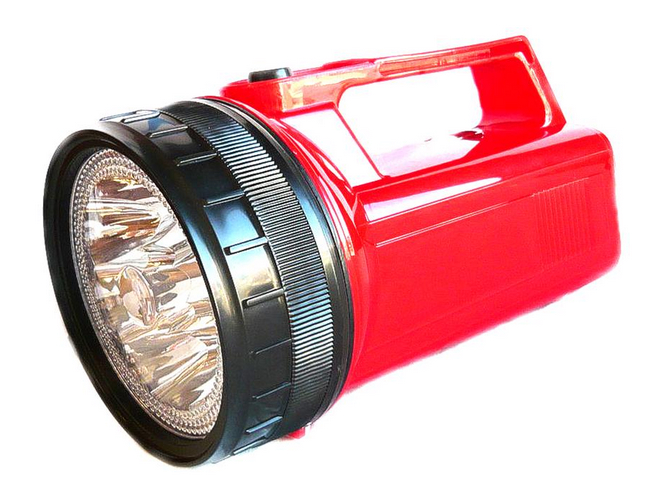
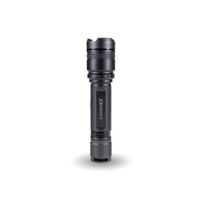
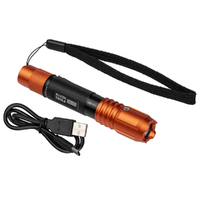
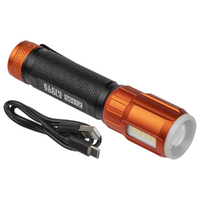
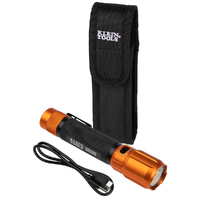
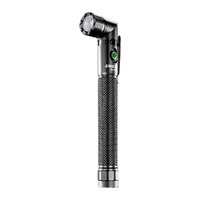
Handheld torches are the most common format for trade use. They range from compact pocket lights under 100mm long to full-size models with extended battery life and high output. Most trade-grade handheld torches use LED emitters for efficiency, with outputs from around 200 lumens up to 2,000 lumens or more. Klein Tools produces a widely used range of rechargeable handheld pocket lights suited to electrician work.
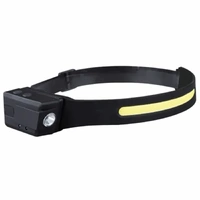
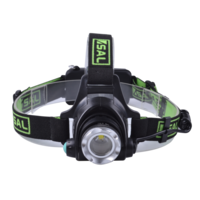
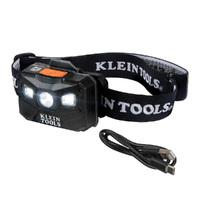
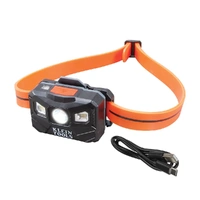
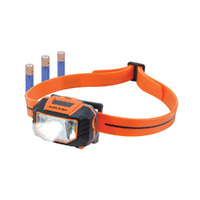
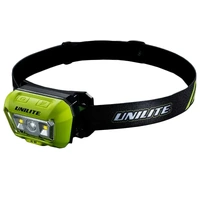
Headlamps mount to a headband or hard hat and direct light wherever the user looks. This format is valuable for roof cavity work, underfloor access, and any task requiring both hands. Output for trade headlamps typically ranges from 200 to 600 lumens. Beam angle adjustability and a secure, comfortable strap are more important than maximum output for extended use. Unilite manufactures trade-focused headlamps available through Sparky Direct.
Work lights produce wide-angle flood beams that illuminate an entire area. They are used on construction sites, in rooms under renovation, and anywhere that extended task lighting is needed without constant repositioning. Most fold flat for storage and include a stand or hook for hands-free positioning. Outputs range from around 500 lumens for compact personal work lights up to 5,000 lumens or more for site-grade units. Sparky Direct also stocks 24V floodlights for specific low-voltage site applications.
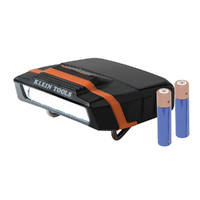
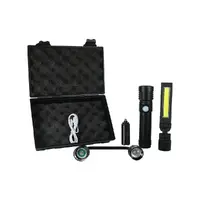
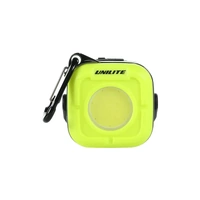
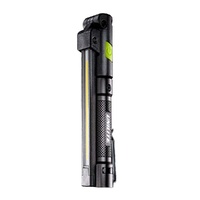
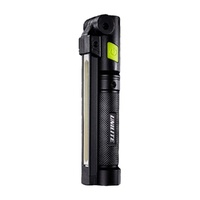
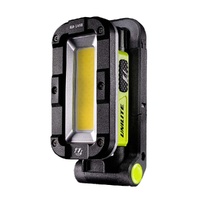
Inspection lights with integrated magnets or flexible gooseneck arms are designed for confined spaces where hands-free positioning matters. A magnetic base allows the light to attach to a switchboard panel or conduit tray, keeping it pointed at the work area without additional support. Folding inspection lights, such as those from Unilite, can be propped in narrow spaces where a standard torch would not stay in position.
Lumens measure total light output. More lumens means a brighter light, but the useful brightness also depends on how that light is distributed. A 500-lumen spot beam will illuminate a distant object more clearly than a 500-lumen flood beam, which spreads light over a wider area at lower intensity. Understanding both output and beam type is necessary to match a light to a specific task.
For most trade inspection work, 200 to 500 lumens is adequate in enclosed spaces. Roof cavities, switchboard panels, and underfloor areas typically do not require extremely high output. Larger open areas or outdoor sites benefit from outputs above 1,000 lumens.
A spot beam concentrates output into a narrow cone, typically between 5 and 20 degrees. This delivers high intensity at distance. It is suited to fault-finding at range, reading cable markings in dark conduit, and directing light precisely into a small space. A flood beam distributes light over a wide angle, typically 60 to 120 degrees. It is suited to area illumination, working on large surfaces, and general site lighting where uniform coverage matters more than distance.
Many trade torches allow beam adjustment between spot and flood modes, either through a rotating head or a variable lens. This flexibility means a single torch can serve inspection tasks and area tasks on the same job. If you regularly move between close inspection and broader area work, an adjustable beam unit reduces the need to carry multiple lights.
The table below provides a practical guide to output levels and their typical applications in trade work.
| Lumen Range | Typical Application | Best Torch Type |
|---|---|---|
| 100 to 300 lm | Close inspection, reading labels, switchboard work in enclosed spaces | Compact handheld, headlamp |
| 300 to 600 lm | Roof cavity navigation, underfloor access, general inspection | Headlamp, folding inspection light |
| 600 to 1,500 lm | Open area inspection, outdoor fault-finding, multi-purpose site use | Handheld torch, compact work light |
| 1,500 lm and above | Site area lighting, construction in progress, outdoor work after dark | Work light, area flood |
Rechargeable torches use a built-in lithium battery that charges via USB-C or a proprietary dock. Most modern trade torches use USB-C, which allows charging from a power bank, vehicle charger, or site power source. Rechargeable units eliminate the ongoing cost of disposable batteries and are the more practical choice for daily use. Runtime varies by output mode, with most trade-grade units providing two to six hours at full output and significantly longer at reduced settings.
Disposable battery torches use standard cell sizes: AA, AAA, C, D, or 9V. These formats are universally available, and a torch using standard cells will never be stranded if its rechargeable counterpart runs out of charge on site. Sparky Direct stocks AA batteries, AAA batteries, C-cell, D-cell, and 9V batteries to support these formats. Energizer batteries are available for those who prefer a reliable disposable option for backup lights.
Some work light manufacturers produce models that run on the same battery platform as their cordless power tools. This means the same 18V or 20V battery used in a cordless drill or impact driver can power a work light. For tradespeople already invested in a particular tool brand's battery system, this removes the need to carry a separate charging solution for lighting. Runtime in platform battery lights tends to be excellent due to the higher capacity of power tool batteries.
Battery runtime and light output are directly linked. Running a torch at maximum output drains the battery faster. Most trade torches include a low or medium mode that extends runtime considerably while still providing useful light. For extended work in a confined space, running at 60 to 70 percent output typically delivers three to four times the runtime compared to full output. Knowing these modes and using them appropriately extends battery life across a full working day.
Keep a fully charged spare battery or a backup torch using disposable cells in your tool bag. Rechargeable torches and headlamps will eventually run low at inconvenient times. A disposable-battery backup takes up little space and provides insurance against being caught without light mid-job.
Switchboard and panel work requires a compact light that can be positioned close to the work area without obstructing hand movement. A compact folding inspection light with a magnetic base is ideal: it attaches to the panel frame, stays in position, and frees up both hands. A headlamp is the other strong option, directing light exactly where you look. Output in the 300 to 600 lumen range is sufficient for most enclosed work. Avoid high-output torches in very small spaces, as glare from reflective surfaces can reduce visibility.
For general electrical inspection and fault-finding, a mid-range handheld torch in the 400 to 800 lumen range covers most situations. Look for models with at least two output modes, a durable housing, and a clip or lanyard attachment for secure carry. The work light range at Sparky Direct includes pocket torches and inspection lights suited to daily trade use.
Construction sites and open-plan renovation work require area lighting that can illuminate a whole room or section without requiring constant repositioning. A work light or area flood in the 1,500 lumen and above range, with a stable stand or hook mount, is the appropriate choice. Look for units with an IP65 or higher rating if the light will be used outdoors or in environments where water or dust exposure is likely.
Indoor work in enclosed spaces generally does not require the highest available output, but does require a form factor that fits the space. Outdoor use on exposed sites introduces weather exposure: rain, dust, and temperature variation. For outdoor use, confirm the IP rating before purchasing. An IP65 rating means the unit is protected against dust ingress and directed water jets, which covers most Australian outdoor site conditions. For work in areas with standing water or heavy rain, IP67 or IP68 ratings offer additional protection.
Drop ratings indicate the height from which a torch can fall onto a hard surface without functional damage. Common ratings for trade torches are 1 metre and 2 metres. Higher-rated models use reinforced housings and rubber overmoulding around impact zones. For site use, where torches are routinely dropped, knocked off surfaces, or jostled in tool bags, a 1-metre or higher drop rating is a practical minimum. Some manufacturers also publish an IK rating, which specifically measures impact resistance in joules rather than drop height.
The IP (Ingress Protection) rating system uses two digits: the first indicates dust protection (0 to 6), the second indicates water protection (0 to 9). For trade torches, the common ratings are as follows:
LED emitters generate heat during operation, particularly at high output. Trade-grade torches manage this through heat sink fins, thermal step-down circuits, or regulated output drivers. A thermal step-down circuit automatically reduces output when the housing reaches a certain temperature, preventing LED damage while maintaining function. Units without adequate thermal management may show visible brightness reduction during extended high-output use.
Torch housings are commonly made from anodised aluminium, polycarbonate, or a combination. Aluminium dissipates heat better and resists physical damage. Polycarbonate is lighter and less prone to denting. Trade-grade units typically use aluminium for the head and battery body where heat and impact are most likely. Rubber overmoulding on grip areas provides both protection and secure handling in wet or oily conditions.
Most trade torches include at least two output modes: high and low. Some add a medium mode and a strobe function. For trade work, high and low are the most useful. Low mode extends battery life and reduces glare in close-quarters work. High mode provides maximum visibility for demanding tasks. A torch that cycles through modes in a predictable sequence is easier to use with gloves on or in the dark than one with a complex multi-click interface.
A torch you will use daily needs to fit comfortably in your hand, be operable with a gloved hand, and be easy to switch on and off one-handed. Controls placed at the tail cap or on the side of the body are generally easier to operate than front-mounted controls. Weight matters for extended handheld use: a torch over 300 grams becomes fatiguing quickly. Pocket lights under 150 grams can be carried clipped to a shirt or tool belt without discomfort.
Many work lights and inspection lights include multiple mounting options: a fold-out stand, a hook for hanging from cables or pipe runs, a magnetic base, and sometimes a clip for belt or hard hat attachment. This flexibility reduces the number of separate units you need to carry. A single inspection light that can stand, hang, clip, and attach magnetically covers most positioning requirements across a working day.
Established brands offer more predictable quality and, in many cases, availability of replacement parts such as batteries, lenses, and charging cables. Klein Tools and Unilite both have documented track records in the Australian trade market, with products that match stated specifications. Selecting a brand with a clear product range makes it easier to add compatible accessories over time.
| Task | Better Choice | Reason |
|---|---|---|
| Reading cable labels inside a switchboard | Torch or inspection light | Directional beam, compact form |
| Working in a roof cavity for 30 minutes | Headlamp | Hands-free, follows line of sight |
| Illuminating a room during a first-fix installation | Work light | Wide coverage, stable stand |
| Fault-finding at a distribution board | Inspection light with magnetic base | Attaches to panel, frees both hands |
| Outdoor work at night on a residential site | Work light (IP65+) | Area coverage, weather-rated |
| Navigating through a crawl space | Headlamp or compact torch | Portable, directional, low profile |
A torch follows you. A work light stays put and illuminates a zone. If you are moving frequently between locations, a torch or headlamp is more practical. If you are stationary for extended periods, a work light provides better illumination quality and allows you to work at natural posture without directing a handheld beam at your task.
On most residential and commercial trade jobs, the practical answer is to carry both. A compact headlamp or inspection light for close work, and a portable work light for area coverage. Together, they cover the full range of lighting needs without requiring a large or heavy kit. Many compact work lights fold flat and fit alongside a standard set of hand tools in a tool bag with minimal additional weight.
Electricians work inside switchboards, distribution boards, and meter boxes where space is tight and accurate identification of circuits, terminals, and cable colours is critical. A compact inspection light with a magnetic base is the most useful format. It attaches to the panel, holds position, and provides consistent light on the work area without requiring a hand to hold it. A headlamp provides a hands-free alternative for any task where the magnetic base is not practical. Both tools are useful in electrical work, and many electricians carry both as standard kit. The electrical test equipment range at Sparky Direct includes ancillary tools used alongside torches on diagnostic jobs.
Plumbers and HVAC technicians frequently work in roof spaces, underfloor areas, and wall cavities. These environments are typically dark, dusty, and require sustained hands-free lighting over extended periods. A headlamp is the primary tool for this work. It should provide at least 300 lumens, have a comfortable and adjustable strap, include a tilt mechanism for directing the beam at different angles, and carry an IP rating sufficient for dusty environments. Battery life of at least four hours at working brightness is appropriate for full-day roof space work.
Construction sites require area lighting that can be set up quickly and repositioned as work progresses. Portable work lights with fold-out stands, high output (1,500 lumens and above), and durable IP65-rated housings are the standard choice. For sites without mains power during early construction, battery-powered or platform battery work lights are essential. Builders may also use LED floodlights in conjunction with portable battery-powered work lights for comprehensive site coverage.
Technicians working on control panels, data cabinets, and precision equipment need compact, high-output torches that can be directed accurately at small components. A pocket torch with a tight beam and at least 300 lumens is appropriate. Some technicians prefer a combination torch and UV light, which can assist in detecting certain types of cable marking or adhesive residue. The electrician hand tools category includes supplementary tools commonly used alongside lighting in technical inspection work.
Rapid battery drain usually has one of three causes: the torch is running at maximum output when a lower mode would be sufficient, the battery is old and has lost capacity, or the charging circuit is not completing a full charge cycle. For rechargeable torches, check that the charging indicator reaches full before disconnecting. Partial charging repeatedly will reduce long-term battery capacity. For disposable battery torches, using lower-quality cells reduces both output and runtime. Quality brands such as Energizer deliver more consistent performance than unbranded cells.
Flickering in a torch with disposable batteries is usually caused by poor contact between the battery and the terminal. Remove the batteries, clean the terminals with a dry cloth, and reinstall firmly. In rechargeable torches, flickering can indicate a failing battery cell or a loose connection at the charging port. If flickering persists after a full charge, the battery may require replacement.
Trade torches that step down output due to heat are working as designed. If a torch becomes too hot to hold comfortably, allow it to cool before continuing use at high output. Running in medium or low mode reduces heat generation significantly and extends component life. If the housing is excessively hot even on low settings, this may indicate a fault in the driver circuit and the torch should not be used until inspected.
Work lights that do not stay in position, or that produce uneven beam coverage, are often being used in a configuration that does not suit the task. Check that the stand is on a level surface, the hook is fully engaged if suspended, and the magnetic base is in full contact with the mounting surface. For inspection lights used inside switchboards, confirm the magnetic base has enough surface area on the panel to hold securely.
Consumer-grade torches from general hardware retailers are often priced attractively but are built to a lower specification than trade tools. Common differences include lower-quality LED drivers that cause output to degrade over the battery's discharge cycle, housings that do not maintain their IP rating after minor impact, and battery systems that lose capacity faster. Trade-grade units cost more upfront but typically perform more consistently and last longer under daily use conditions.
When comparing torches at similar price points, prioritise IP rating, stated runtime at working output (not just maximum output), and drop resistance. Maximum lumen figures quoted by some manufacturers are peak burst output achieved for only a few seconds before thermal step-down reduces the output. Compare sustained output at medium or working-mode settings for a more accurate comparison.
Trade businesses that equip multiple workers benefit from standardising on a single torch model or brand platform. This reduces complexity in replacement batteries, charging infrastructure, and familiarisation time when new team members join. Sparky Direct offers competitive pricing on the full torches and work lights range, with trade accounts available for businesses requiring volume orders. Check the hot deals section for current pricing on stock items.
A rechargeable torch at twice the price of a disposable-battery equivalent typically pays for the cost difference within six to twelve months of daily use, through savings on battery purchases alone. The break-even point is faster for high-output models used frequently. For tradespeople who use a torch every working day, rechargeable is almost always the better economic choice over a two to three year horizon.
Lithium battery life is maximised by avoiding full discharge. Recharge rechargeable torches before the battery is completely flat. Avoid leaving a torch connected to charge after the indicator shows full, as sustained trickle charging reduces long-term cell capacity in some designs. For disposable batteries stored in the torch, remove them before long storage periods to prevent corrosion if the cells leak.
Torch and work light lenses accumulate dust, fingerprints, and site grime. A dirty lens reduces effective output noticeably. Clean lenses with a soft microfibre cloth. Avoid abrasive materials that scratch the lens coating. Do not use solvent-based cleaners on polycarbonate lenses, as they can cause crazing (fine surface cracks) that permanently reduces clarity. Check the lens O-ring seal periodically on rated units to ensure it remains supple and properly seated.
Store torches in a dry location away from direct sunlight. UV exposure degrades polycarbonate housings and certain rubber seals over time. For vehicle storage, keep torches in a case or tool bag rather than loose in a tray, where they are subject to vibration and impact during travel. A compact headlamp or inspection light stored in a known location in your tool bag means it is always accessible when needed.
Torches used around live switchboards and distribution panels should have non-metallic, insulated housings or at minimum should not be used as a probe or placed in direct contact with live components. LED torches generate no significant electromagnetic interference, but any metallic housing placed in contact with live terminals is a shock risk. Keep the torch body clear of exposed conductors at all times.
Certain work environments are classified as hazardous areas under Australian Standard AS/NZS 60079, including locations where flammable gases, vapours, or dust may be present. Standard torches are not approved for use in these environments. Intrinsically safe torches are certified to prevent ignition of flammable atmospheres through spark or heat. If your work includes classified hazardous zones, confirm that any lighting you use carries the appropriate certification. Do not use a standard trade torch as a substitute in these environments.
Australian worksite lighting requirements are governed by Safe Work Australia guidance and state-specific work health and safety legislation. General requirements specify that all work areas must be adequately lit for the tasks being performed. On construction sites, minimum illuminance levels are defined for different task types. Portable lighting used on sites should be appropriate for the exposure conditions of that site. Carrying adequate personal lighting is part of baseline compliance for most licensed trade work. The personal protective equipment range at Sparky Direct includes additional safety items relevant to trade compliance.
Key references for trade lighting and worksite safety include AS/NZS 1680 (Interior and workplace lighting), AS/NZS 60079 (Explosive atmospheres), and Safe Work Australia's Code of Practice for Construction Work. Always check the current version of applicable standards, as these are updated periodically.
Watch Klein Tools 56411 | Rechargeable Waterproof LED Pocket Light with Lanyard video
Watch Unilite HL-8R | Dual Beam Sensor Headtorch 475 Lumens video
Watch Klein Tools 56048 | Rechargeable Headlamp With Fabric Strap | 400lm video

I absolutely love this unilite torch, saw it on the UK YouTube electricians videos, just love it, I literally use it everyday while at work
Excellent product with three different lights you can use it for many applications really happy with this purchase
Plenty of light, with the 3 different ways makes it convenient for different tasks. The magnet is awesome too.
Quality products in stock • Fast Australia-wide delivery • Competitive trade pricing
Browse Torches and Work Lights → Get Expert Advice →Run time varies depending on brightness setting and battery capacity.
Sparky Direct supplies torches and work lights Australia-wide, offering reliable lighting solutions for trade and everyday use.
They are securely packaged and delivered via standard courier services.
Unused items are generally eligible for return according to the seller’s returns policy.
Warranty coverage varies by manufacturer and usually covers defects in materials or workmanship.
Torches and work lights are typically sold individually, with various styles available.
Yes, they are safe for indoor use when used according to manufacturer instructions.
Minimal maintenance is required beyond charging batteries and keeping lenses clean.
Modern compact LED torches can provide strong light output for most tasks.
Many work lights feature stands, hooks, or mounting options for flexible use.
Yes, they are suitable for DIY, household, and workshop tasks.
LED lights generate minimal heat compared to older lighting technologies.
Yes, magnetic bases allow lights to be attached to metal surfaces for convenient positioning.
Torches and work lights are used to provide portable or temporary lighting for tasks in low-light or dark environments.
Yes, head torches are ideal for hands-free tasks and close-up work.
Choose based on brightness needed, battery type, portability, and how the light will be used.
Many models offer water and dust resistance, which should be confirmed in the product specifications.
They are commonly used to illuminate work areas, but electrical work must be carried out by a licensed electrician.
Brightness varies by model and is measured in lumens, with options available for both close-up tasks and wide-area lighting.
Yes, many models are designed for trade and site use with durable housings and high light output.
Yes, many models are rechargeable using USB or mains chargers for convenience and reduced battery waste.
Many lighting products are manufactured to relevant AS/NZS safety standards, depending on their electrical design and use.
LED lights are more energy efficient, longer lasting, and provide brighter illumination compared to traditional bulbs.
Common types include handheld torches, head torches, inspection lights, flood work lights, and rechargeable LED work lights.
Torches are handheld and directional, while work lights provide broader area illumination and are often hands-free or mountable.