
Search Results:
Search Results:
Search Results:
Search Results:
Hand tools cover everyday gear used in cutting, gripping, fastening, stripping, crimping, measuring and general trade work. They suit electricians, apprentices, contractors, maintenance teams, renovators and informed DIY buyers. Even when power tools are available, hand tools stay essential for control, portability and reliability in confined or power-limited work areas. In Australia, electrical work on fixed wiring must be carried out by a licensed electrician where required by law.
A hand tool runs on hand force rather than electricity, compressed air or fuel. Common examples include screwdrivers, cutting pliers, side cutters, cable knives, wire strippers, crimpers, spanners, measuring tapes and tool storage. Picking the right tool for the job lifts finish quality, improves safety and protects productivity on every site visit.
The category breaks into cutting tools, gripping tools, fastening tools, stripping tools, crimping tools, measuring tools and storage. Each plays a defined role in electrical, construction, maintenance and renovation work. A sparky may reach for side cutters and wire strippers on a fit-off. A maintenance tech may need adjustable pliers and nut drivers. A renovator might rely on a tape measure, level and utility knife. Practical examples sold here include cable cutters, crimping tools and tool bags for organised storage.
Hand tools and power tools work side by side rather than against each other. Hand tools usually win on switchboards, in ceiling cavities, during termination work, on fine adjustment, on small fixings and on safety-critical jobs where slow, deliberate force matters. Power tools take the lead on high-volume drilling, cutting and fastening. Even then, hand tools stay in the kit for finishing, testing and controlled work where a trigger pull would cause damage or risk.
A practical electrician kit covers rough-in, fit-off, fault finding and general maintenance. For first-year apprentices, sole traders and small contracting teams, the goal is core gear that handles 90% of daily tasks. Safety and compliance run through every choice: insulated tools, correct cable preparation and the right tool for each conductor size all matter. A poor crimp or a nicked conductor causes call-backs, and call-backs cost more than the right tool.
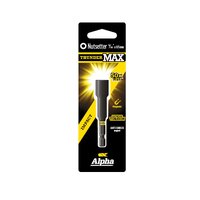
The starter kit for a first-year apprentice covers insulated screwdrivers, a multi-bit screwdriver, side cutters, long nose pliers and linesman pliers. The kit also needs a cable knife, wire strippers, a tape measure, a level, a utility knife, a crimping tool, a marker, spanners, socket or nut drivers and a tool bag. The screwdrivers, side cutters, linesman pliers, wire strippers, tape measure and tool bag are essential from day one. Specialist tools such as voltage testers and dedicated crimpers can be added as work becomes more involved. Buying quality early saves replacement costs later in the apprenticeship.
Cable preparation tools include cable knives, side cutters, diagonal cutters, cable shears, heavy-duty cable cutters and wire strippers. Wire strippers must match the conductor size to avoid nicking copper, which weakens the conductor and creates hot joints. Solid core cable strips cleanly with most stripper jaws, while stranded cable benefits from self-adjusting strippers that grip without crushing. Heavy-duty cable cutters are required for thick copper cable above standard pliers capacity, such as sub-mains and main earths.
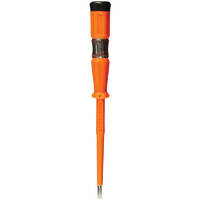
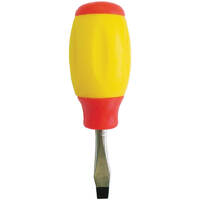
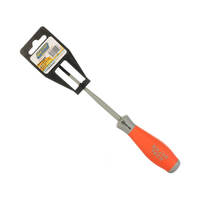
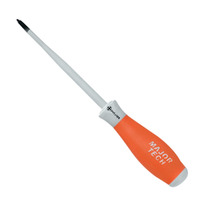
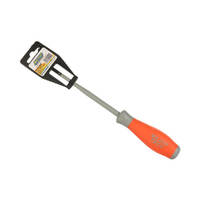
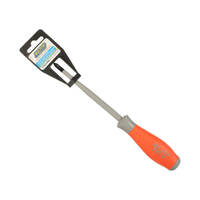
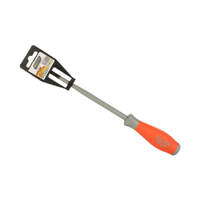
Electricians often choose multi-bit screwdrivers for convenience, lighter tool bags and fast bit changes. Individual screwdrivers still earn their place for switchboard work where shaft length and tip precision matter. Phillips, flat, Pozidriv and square or Robertson tips all appear in Australian electrical fittings, so a mixed set covers daily work. Insulated screwdrivers are required where work may be near energised components, and live work must follow current Australian safety requirements. Browse screwdriver kits for ready-built sets.
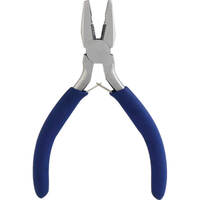
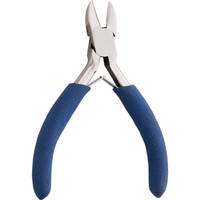
Combination pliers, long nose pliers, linesman pliers, locking pliers and adjustable pliers each handle a different grip task. Linesman pliers are the workhorse for twisting conductors, gripping terminals, pulling cable and bending small components. Long nose pliers reach into tight terminations, while locking pliers hold fittings hands-free. To extend service life, clean pliers after use, dry them, apply a light oil to the pivot, and never use them as hammers or pry bars. Misuse cracks insulation and ruins cutting edges fast.
Crimping tool selection depends on terminal type, cable size, ratchet action, die profile and repeatability. Insulated terminals, bootlace ferrules, lugs and data or communications crimps each call for the right die set. A ratchet mechanism that releases only at full compression delivers consistent crimps, which directly affects electrical continuity, mechanical retention and long-term reliability. Cheap pliers-style crimpers can leave loose joints that loosen further under thermal cycling. View ratchet crimping tools for trade-grade options.
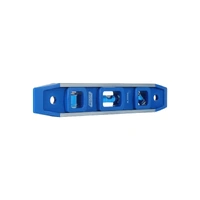
Ceiling fan installation calls for insulated screwdrivers, wire strippers, side cutters, pliers, a voltage tester, a tape measure, a level, spanners and fastener drivers. The level confirms the mounting bracket sits true before final fastening. Ceiling fan installation involving fixed wiring must be completed by a licensed electrician in Australia. The hand tools listed here support the installer; they do not authorise unlicensed wiring work, no matter how confident the DIY operator feels.
Certified insulated hand tools matter for electricians and contractors who work near live or potentially live equipment. VDE and IEC 60900 ratings tell a buyer the tool has been tested for safe use at defined voltages. Insulated tools reduce risk, but they do not make unsafe or unlicensed work acceptable. A VDE-rated screwdriver is not a permit to work live, and standard Australian safety procedures still apply on every job.
VDE-rated tools are tested for safe use up to 1000V AC when used correctly and in line with the tool rating. IEC 60900 is the key international standard for insulated hand tools, covering both impact and dielectric performance. The handle marking tells the story: look for the VDE diamond logo, the 1000V rating, the IEC 60900 reference and the date code. Printed claims alone are not enough. A handle that lacks proper markings is not certified, no matter what the packaging says.
Standard hand tools may have plastic handles that feel insulated but offer no tested electrical protection. VDE-rated tools use a tested two-layer insulation system with an outer signal layer that shows wear before failure. For electricians, maintenance workers and contractors regularly near electrical equipment, VDE-rated hand tools are a sensible investment. The price gap over standard tools is small set against the safety margin and reduced risk on live or potentially live work.
The key insulated categories are screwdrivers, side cutters, pliers, cable shears, stripping tools and nut drivers. Match the tool to the job rather than buying the cheapest option that carries a 1000V mark. A poorly built VDE tool may pass dielectric testing but fail mechanically under daily use, which is its own safety problem. Live electrical work is high risk and should only be performed under lawful, controlled conditions by qualified workers following current safety rules.
Choosing between budget, mid-range and professional hand tools comes down to use frequency, safety rating, steel quality, cutting performance, warranty and comfort. Trade value matters more than generic "best" claims. Daily trade users will buy professional grade because the cost per use is lower over the tool life. Occasional renovators may run a mid-range kit happily for years. The right answer depends on hours of use per week.
Professional tools use better steel, tighter tolerances, better handle ergonomics and more reliable cutting edges. Budget tools may suit occasional renovation work but become false economy for daily trade use. A budget plier that loses its bite after six months gets replaced twice in the time a professional pair stays sharp. Total cost per use, not sticker price, is the honest measure. Replacement frequency also costs site time, which has a real hourly value.
Compare drop-forged steel, chrome vanadium, S2 steel for bits, induction-hardened cutting edges, anti-slip grips, insulated ratings, warranty and spare part availability. Technical specifications and certification markings matter more than product photos. A quick decision checklist: confirmed steel grade, induction-hardened edges, IEC 60900 or VDE marking where needed, anti-slip grip, real warranty and replacement parts available. If any of those are missing on a premium-priced tool, the price is wrong.
Trade brands stocked locally include Klein Tools, Wiha, Channellock, Crescent, CABAC and Fluke for testing. Brand choice often depends on trade discipline, comfort preference, availability and warranty support. A linesman who has used Klein for years may pick the same pliers for the next ten. An apprentice may try a few brands before settling on a preferred feel for daily work.
Sparky Direct ranges trade-suitable hand tools with clear specifications, brand options and online ordering for electricians and contractors. Buyers should still choose tools based on safety rating, intended use and daily workload, not on price alone. A site sparky cycling through ten fit-offs a week needs different gear from a maintenance tech doing fault finding. The platform makes filtering by brand, type and rating straightforward, so the right tool surfaces faster than browsing a generic retail catalogue.
Different trades need different tool mixes. Organising the kit by user type helps electricians, renovators, builders and maintenance teams find the right gear faster. A practical task example matters more than a brand badge: the same set of long nose pliers can serve very different daily tasks. The buying lens should start with the job rather than the catalogue page.
Electricians lean on wire strippers, insulated screwdrivers, side cutters, pliers, crimpers, cable cutters, cable knives, voltage testers, nut drivers and tool bags. The mix covers rough-in, fit-off, switchboard work, cable preparation and general maintenance. Categories worth browsing include voltage testers, electrical test equipment and electrician hand tools bundles for kit-building.
A home renovation kit covers screwdrivers, pliers, cutters, measuring tools, utility knives, hex keys, spanners and storage. These tools handle furniture, fittings, joinery, plumbing fixtures and basic carpentry. Homeowners can use hand tools for non-electrical tasks, but any fixed wiring work must be handled by a licensed electrician. That includes new circuits, power point replacements where wiring is altered and switchboard work. The line between handy and hazardous is clear: if it touches the cable, call a sparky.
Facilities and maintenance teams need durable tools for repeated service work. The mix usually includes pliers, cutters, insulated screwdrivers, adjustable spanners, socket drivers, measuring tools and organised storage. Procurement should look at bulk ordering, consistent brands across the team, replacement tool availability and warranty support. Standardising on one brand simplifies stock holding and training. It also speeds up tool swaps when an asset is lost or damaged on site.
Online buying covers price comparison, fast delivery, online availability, trade quantity purchasing and the gap between electrical wholesalers and general retail stores. A wholesaler-style site stocks trade-grade brands that big-box retail rarely carries. Compare on tool specification, certification, brand support and delivery reliability rather than price alone. A cheap tool delivered late is no bargain when the apprentice is sitting idle on site.
A fair price comparison covers brand, model, safety rating, included accessories, warranty, pack size and delivery cost. A 5-piece insulated screwdriver kit from one supplier is not directly comparable to a 4-piece kit from another, even at the same listed price. Sparky Direct lists product filters and clear specifications to support like-for-like comparison. The honest play is to weigh total value, not the headline number on the listing page.
For high-intent buyers shopping cutting and fastening tools, the decision points are jaw capacity, cutting edge hardness, insulated rating, handle comfort, driver profile and shaft length. A linesman side cutter rated for 2.5 mm² copper is different from one rated for 6 mm². Useful subcategories include cutting pliers, wire strippers and screwdriver kits. Read the spec sheet before adding to cart.
Next-day delivery and fast shipping suit urgent job requirements, but stock status, shipping cut-off times and delivery location all matter. Regional contractors should check delivery zones before placing time-critical orders. Blanket "next-day everywhere" promises rarely hold up on remote sites. Sparky Direct displays stock status on product listings. That helps planners avoid the call-back conversation that starts with "your tool is on backorder."
Klein Tools is available online in Australia through specialist electrical suppliers stocking genuine product with warranty support. Klein's electrician-focused range covers insulated screwdrivers, linesman pliers, cable strippers and test gear built for daily trade work. Buying from an authorised supplier confirms genuine stock, valid warranty cover and access to spare parts where available. Avoid grey-market listings on general marketplaces, where the warranty path can be unclear.
Practical maintenance extends tool life and reduces site risk. Worn or damaged hand tools cause poor terminations, injury and call-backs, so basic care is part of professional practice. The investment is small: a few minutes per week of cleaning, drying and lubrication keeps a kit running for years rather than seasons. Tool care is also part of a wider safety culture on site.
Storage options include tool bags, tool belts, modular cases, pouches and shadow boards. Insulated tools need protection from cuts, crushing and chemical contamination, so a structured pouch is better than a loose toss-in bag. Keep sharp tools separated from insulated handles to avoid nicking the protective layer. Moisture control matters too: a damp bag rusts cutting edges and corrodes screwdriver shafts quickly. View tool bags for trade-grade storage options.
Clean pliers and cutters after use, dry them, apply a light lubricant to the pivot and check cutting edges before site work. A damaged insulated handle should never be repaired with tape for electrical work, because tape does not restore the tested dielectric rating. Replace the tool instead. Periodic inspection before site use catches problems before they become safety events, which is far cheaper than dealing with the consequences.
Replace tools showing chipped cutting edges, loose pivots, cracked insulation, rounded screwdriver tips, corroded jaws or stiff mechanisms. Compromised tools raise the risk of poor terminations, injury and call-backs. A rounded Phillips tip strips screws and slows the fit-off pace. A cracked insulated handle removes the safety margin on a 1000V tool. The replacement cost is small compared to the time and risk of pushing a worn tool one more job.
Watch Klein Tools 32317-INS | 6-Piece Insulated Screwdriver Set (Orange and Graphite) video
Watch Crescent CBLSTRIP | Self-Adjusting Wire Stripper Cutter & Crimper video
Watch Klein Tools 12098-EINS | 220mm Insulated Linesman Combination Pliers (8inch) video

I have found these screwdrivers to be very comfortable, deliver a good amount of torque, and non slip. The handles are large enough to used with confidence and precision for the tradesman.
This tool is a real time saver. Cleanly strips the sheath and/or the wires without needing re-adjustment.
These pliers are the best for my work the ergonomic feel and strength of them are the most comfortable I have ever had over 30 years in the electrical trade they cut the wire with ease and can be as g
Quality products in stock • Fast Australia-wide delivery • Competitive trade pricing
Browse Hand Tools → Get Expert Advice →