
20M
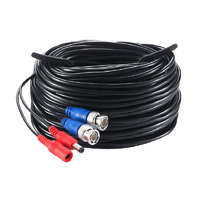
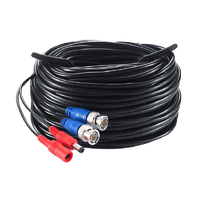
Watchguard VIDPWR20RG59 | 20m Pre-terminated Combined Power & 4K BNC Video Lead
$15.95
$14.50 ex. GST
Search Results:
Search Results:
A home security system links sensors, a control panel, and alert devices into a single network. Sensors detect a trigger event, such as a door opening or motion in a hallway. The control panel receives the signal, decides whether the event is valid, and then activates the response: a siren, a phone notification, or a call to a monitoring centre.
The control panel is the brain of the system. It is usually mounted near the main entry point and communicates with sensors over a wired or wireless link. Most modern panels also connect to the home Wi-Fi network, so the homeowner can arm, disarm, and check status from a phone app.
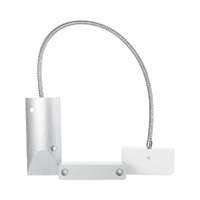
Door and window sensors use a magnetic reed switch. When the door closes, two magnets sit next to each other, completing a circuit. When the door opens, the magnets separate and the circuit breaks, signalling the panel. Motion sensors use passive infrared (PIR) technology to detect changes in heat from a moving body. Glass break sensors listen for the specific frequency pattern of breaking glass.
When a sensor triggers and the system is armed, the panel runs through its programmed response. Typical sequences include a 30-second delay for the homeowner to disarm, then a local siren, then a notification to the homeowner and any monitoring service.
Home security products are the individual devices that make up a system. The category covers panels, keypads, door and window sensors, motion sensors, glass break detectors, indoor and outdoor cameras, video doorbells, sirens, strobes, smart locks, and the wiring or wireless modules that tie them together. Sparky Direct also stocks supporting infrastructure such as weatherproof outdoor power points and mounting blocks that licensed installers use during a security fit-out.
Every effective security setup is built on three layered functions: deterrence, detection, and response. Skipping any one of them creates a gap that an opportunistic intruder can exploit.
Most opportunistic break-ins are decided in under 60 seconds at the front gate. Visible cameras, security lights that switch on when movement is detected, and clear alarm signage push that decision toward "skip this house". Motion-activated lighting using LED floodlights with PIR sensors covers driveways and side passages effectively.
Detection is the layer that catches anyone who is not deterred. Contact sensors on every external door and accessible window form the perimeter. PIR motion sensors cover hallways and rooms with high-value items. Glass break sensors add a layer for properties with large windows, since a smash-and-grab can bypass contact sensors entirely.
Self-monitored systems send alerts straight to the homeowner's phone. The owner decides whether to call police, ask a neighbour to check, or ignore a likely false alarm. Monitored systems send the alert to a 24-hour monitoring centre, which verifies the event and dispatches a patrol or police response. Self-monitored is cheaper but slower; monitored is faster but adds a monthly fee.
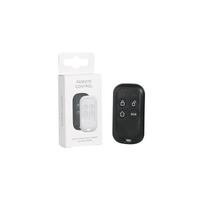
The control panel processes sensor inputs and triggers outputs. Older panels use a wired keypad mounted near the front door for arming and disarming. Newer panels accept input from a touchscreen, a key fob, a smartphone app, or a numeric keypad. Look for a panel with battery backup so a power cut does not disable the system.
Door and window sensors come in surface-mount and recessed versions. Surface-mount is easier to retrofit; recessed is more discreet but requires drilling the door frame. PIR motion sensors are rated by detection range and angle: 12 metres at 110 degrees is typical for a residential corridor, while 18 metres at 180 degrees suits a wide outdoor area. Glass break sensors have a typical range of 6 to 8 metres and should sit on the wall opposite the protected window.
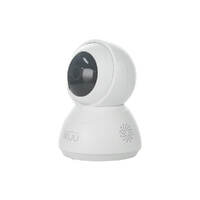
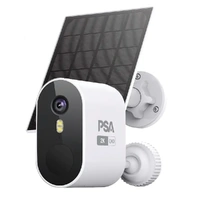
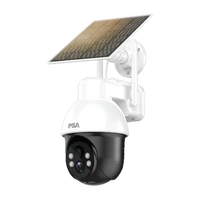
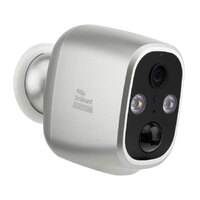
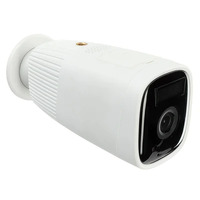
Cameras provide visual verification and recorded evidence. Resolution starts at 1080p for entry-level devices and runs up to 4K for premium models. Important camera features include night vision range (15 to 30 metres for IR-illuminated, longer for starlight sensors), weather rating (IP65 minimum for outdoor use), and storage type (SD card, NVR, or cloud).
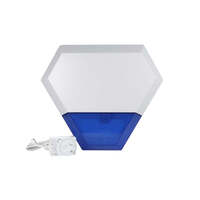
An external siren is the audible deterrent that drives intruders away once detection has occurred. Australian residential sirens typically run at 100 to 115 decibels at one metre. The siren housing should be tamper-resistant and mounted high under the eaves where it cannot be reached or muffled. A backup battery inside the siren keeps it working if the wiring is cut.
AS/NZS 2201 sets the requirements for intruder alarm systems in Australia and New Zealand. The standard covers system design, components, monitoring, and installation. Insurance discounts and certain back-to-base monitoring services require the installed system to comply with AS 2201.
A security camera captures video through a lens and image sensor, then either records to local storage or streams to a cloud service. Indoor cameras connect over Wi-Fi and run on mains power. Outdoor cameras either use power-over-Ethernet (PoE) cabling for both data and power, or run on battery with periodic recharging. PoE is the most reliable option for permanent installations because it removes the dependency on Wi-Fi signal at the camera location.
Value in a security camera comes from a combination of resolution, night vision, weather rating, and storage flexibility. A 1080p IP65 camera with 20-metre night vision and SD card recording covers most residential needs. Stepping up to 4K with starlight low-light performance and NVR-based recording suits properties with large coverage areas or higher security requirements.
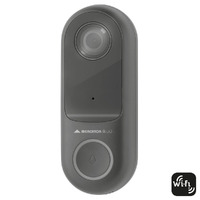
A smart doorbell combines a 1080p or higher camera, a microphone and speaker for two-way audio, and a motion-triggered chime. The unit replaces the existing doorbell button and either runs from the existing doorbell transformer or uses an internal battery. Important features include a wide field of view (160 degrees or more captures the front porch and the path), package detection, and integration with the wider security app.
An alarm system reduces the risk of a successful break-in, shortens the duration of an event in progress, and provides evidence after the fact. Insurance providers in Australia often offer premium discounts for monitored alarm systems compliant with AS 2201. Audible sirens cut typical break-in dwell times from minutes to under 30 seconds.
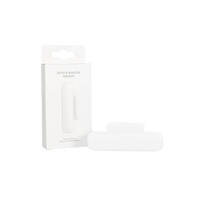
A good door or window contact sensor has a strong magnet, a tight gap tolerance (typically under 25mm for reliable triggering), tamper protection, and a battery life of three years or more for wireless versions. The sensor housing should be small enough to fit on standard window frames without requiring brackets.
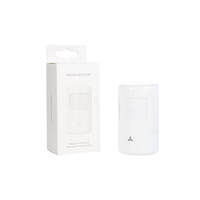
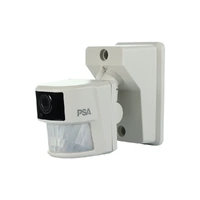
A passive infrared motion sensor detects the temperature difference between a moving person and the background. The sensor element sits behind a Fresnel lens that breaks the field of view into zones. As a warm body crosses from one zone to the next, the temperature signal changes and the sensor triggers. Pet-immune sensors are weighted to ignore signals below a set mass, typically 25kg, so dogs and cats walking in the room do not set the alarm off.
Sparky Direct stocks Clipsal Infrascan 3-wire motion sensors rated for 18-metre detection range, suitable for outdoor lighting control and as triggers for connected security setups.
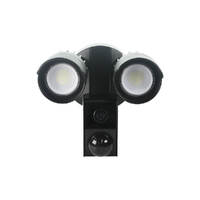
Security lighting denies cover. A motion-triggered floodlight bathes a driveway or side passage in light the moment movement is detected, removing shadows and forcing an intruder to operate in full visibility. Continuous low-level lighting along boundary fences provides ambient deterrence overnight without the cost of running floodlights on a timer.
Budget security lights from general retailers often use plastic housings, lower IP ratings (IP44 typical), and integrated PIR sensors with limited adjustment. Trade-grade units use die-cast aluminium housings, IP65 or higher weather sealing, and separately wired sensors that can be adjusted independently of the lamp. The trade-grade option lasts longer in coastal and exposed locations and lets the installer position the sensor for the actual coverage required.
For driveways and large open areas, a 30W to 50W LED floodlight with a 120-degree PIR sensor handles most situations. Side passages and entry doors suit a smaller 10W to 20W bunker-style fixture with an integrated sensor. Areas with regular foot traffic from residents benefit from dual-function lights that combine a low-output continuous mode with full output on motion detection. See the full range of outdoor wall lights for entry-area options.
A smart lock replaces or augments a standard deadbolt with an electronic mechanism. Unlocking happens via a PIN code on a keypad, a fingerprint reader, a Bluetooth signal from an authorised phone, or a Wi-Fi command from a remote device. Most smart locks retain a physical key override so the homeowner can still get in if the battery dies.
Entry-level smart deadbolts start with PIN-only operation and Bluetooth proximity unlock. Stepping up adds Wi-Fi for remote control, integration with the wider security panel, and audit logs showing who entered and when. The lock body itself should meet the same physical strength standard as a quality mechanical deadbolt; the electronics are an addition, not a replacement, for solid hardware.
For short-term rentals, smart locks let the owner generate single-use PINs that expire automatically after the booking. For shared households, individual codes per family member create a record of who came and went. For tradespeople, a temporary code valid for the day of the appointment removes the need to leave a key under the mat.
A DIY system uses wireless components designed to be installed by the homeowner. Sensors stick on with adhesive backing, the control panel sits on a shelf or screws to the wall, and the app walks through the setup. The owner programs codes, links sensors to the panel, and configures alert preferences.
DIY suits renters, single-storey properties, and homeowners comfortable with smartphone-based setup. The trade-off is that wireless sensors have battery life limits (typically two to five years), the cellular or Wi-Fi backhaul can drop, and complex layouts with thick walls may need professional planning.
A professionally installed system is designed and fitted by a licensed security technician. The installer surveys the property, plans sensor placement for full coverage, runs hard wiring where appropriate, integrates the system with electrical and data infrastructure, and commissions the panel for compliance with AS 2201. Hard-wired sensors do not need batteries and are more resistant to wireless interference.
| Factor | DIY System | Professionally Installed |
|---|---|---|
| Upfront equipment cost | Lower | Higher |
| Installation labour | Owner time only | Several hours of trade labour |
| System reliability | Depends on Wi-Fi and battery | Hard-wired, mains-powered |
| AS 2201 compliance | Rare | Standard |
| Insurance discount eligibility | Limited | Common |
| Suits | Renters, small homes | Owner-occupiers, larger properties |
A wired system runs cable from each sensor back to the control panel. The cable carries both power and signal, so no batteries are needed at the sensor. Wired systems are immune to wireless interference and signal jamming, and the panel can detect a cut cable as a tamper event. The downside is the labour cost of running cable through walls and ceilings, especially in finished homes.
Wireless sensors run on internal batteries and communicate with the panel by radio. Installation is fast because no cabling is required. The system can be expanded easily by adding new sensors that pair with the existing panel. Limitations include battery replacement every two to five years, vulnerability to deliberate radio jamming on cheaper systems, and signal range limits in homes with masonry construction.
New builds and major renovations suit wired systems because the cabling can go in during the rough-in stage at minimal extra cost. Established homes, rentals, and apartments suit wireless because no wall damage is needed. Hybrid systems combine wired sensors at high-priority points (doors, main panel) with wireless sensors elsewhere.
Self-monitoring sends sensor events directly to the homeowner's smartphone via the system app. The owner sees the alert, checks the camera feed, and decides on the response. There is no monthly monitoring fee, and the response time depends on whether the owner has the phone in hand and notices the notification.
Back-to-base sends events to a 24-hour monitoring centre staffed by trained operators. The operator follows a verification procedure, then dispatches a patrol or police response. Typical monthly fees in Australia range from $30 to $80 depending on the service tier and contract length. Monitored systems are required for certain insurance discounts.
A dual-path system uses both the home internet connection and a cellular backup link to communicate with the monitoring centre. If an intruder cuts the phone line or unplugs the modem, the cellular path keeps the link alive. Dual-path is now standard for higher-tier monitored systems and is required by some insurers for premium reductions.
Start with a walk-around. Note every external door, every accessible window, every dark corner, and every entry route a stranger could take. Identify the rooms with high-value items: home office, bedroom, garage. Check the local crime profile through state police data. Properties on quiet cul-de-sacs face different risks to those on main roads with foot traffic.
Coverage of every external entry point is non-negotiable. Beyond that, prioritise based on the risk profile. Use cameras for visual verification in higher-risk areas. Add glass break sensors where there are large windows. Install smoke and heat alarms for life safety. Fit smart locks for properties with frequent visitor turnover.
A reasonable starter setup includes a control panel, contact sensors on every external door, a motion sensor in the main hallway, an outdoor camera covering the front entry, and a smart doorbell. This package handles 80 percent of common scenarios at a moderate cost.
Entry-level bundles from major brands package a panel, three to five sensors, and a single camera at a discount compared to buying separately. The bundle approach simplifies setup because the manufacturer has tested the components together. Most entry bundles can be expanded later by adding sensors that pair with the same panel.
Homeowners can install hard-wired systems and make permanent modifications such as drilling for recessed sensors and running cable through wall cavities. The full toolkit is available: hard-wired panels, PoE cameras, integrated lighting control, and AS 2201-compliant monitored systems.
Renters work within the constraints of the lease. Stick-on wireless sensors that leave no marks, freestanding cameras on shelves, and battery-powered smart locks that fit over the existing deadbolt all transfer to the next property at the end of the lease. Permission from the landlord may be required for any device that drills into walls or alters the door hardware.
Apartment security focuses on the front door, the balcony, and any internal windows that face shared corridors. Strata rules typically allow door sensors and indoor cameras but may restrict external cameras that capture common property. The building intercom and shared front door are usually the responsibility of the body corporate, so individual upgrades happen inside the unit.
Equipment costs depend on the number of sensors, cameras, and the panel tier. A basic DIY kit covers a small home; mid-range systems with multiple cameras and full sensor coverage suit a standard family home; premium systems with NVR-based 4K cameras and AS 2201-compliant panels suit larger properties.
DIY installation costs nothing beyond the homeowner's time, typically a weekend for a basic setup. Professional installation runs from a half-day for a wireless retrofit to two or three days for a full hard-wired system in an established home. Licensed installers typically charge by the hour plus a callout fee.
Self-monitored systems have no ongoing fees beyond cloud storage for camera footage, which is often free up to a small storage limit and then charged monthly. Back-to-base monitoring runs from around $30 per month for basic service to $80 or more for dual-path monitoring with patrol response.
Most Australian home insurers offer a discount for monitored alarm systems, typically 5 to 10 percent on the contents premium. Some insurers require AS 2201 compliance to qualify. Check the policy wording before relying on a discount in the costing.
Sparky Direct supplies trade-grade home security components, motion sensors, smoke alarms, weatherproof outdoor power, and the supporting electrical accessories used by licensed installers. Buying from a trade wholesaler typically means access to brands and product specifications that are not stocked at general consumer retailers.
Confirm that the product page lists the IP rating, voltage, certification, and any included accessories. Check the brand's Australian warranty terms. Verify that the product is the current model and not an end-of-life clearance unit, especially for connected products that depend on ongoing app and firmware support. Read the customer reviews on the actual product, not the brand.
Cheap is expensive when a sensor fails or a camera stops getting firmware updates. Trade-grade brands cost more upfront but use better seals, better electronics, and better support arrangements. The price gap narrows once installation labour and the cost of replacing a failed unit are factored in.
Most current security systems integrate with at least one of the major smart home platforms: Google Home, Amazon Alexa, or Apple HomeKit. Integration lets the homeowner arm the system with a voice command and view camera feeds on a smart display. It also enables automations, such as turning on every light in the house when a sensor fires after dark.
Camera-based AI now distinguishes between people, vehicles, and animals, which cuts the false alert rate dramatically. Facial recognition flags known household members so the owner is only notified about strangers. Package detection alerts when a delivery arrives. These features run either on the camera itself (edge AI) or in the cloud, depending on the brand.
The direction of travel is more processing on the device, less reliance on the cloud, and tighter integration with broader home automation. Matter, the cross-platform smart home standard, is starting to allow security devices from one brand to talk to platforms from another, which reduces lock-in and makes future upgrades easier.
Any work involving 240-volt mains wiring must be done by a licensed electrician under Australian law. This covers hard-wiring sirens, mains-powered cameras, smoke alarms with a 240V feed, and the connection of an alarm panel to mains. DIY installation is permitted for plug-in and battery-powered components only.
AS/NZS 2201 covers intruder alarm system requirements across design, components, installation, monitoring, and maintenance. Compliance is voluntary for residential installations but is often required for insurance discounts and is mandatory for certain commercial premises. A licensed security installer can certify the installation against AS 2201.
Smoke Alarm Legislation: Queensland, NSW, Victoria, and other states have specific requirements for interconnected photoelectric smoke alarms in residential properties. Requirements vary by state and tenure (owner-occupied, rental, sale). Check the current local regulation before purchasing or installing replacement alarms.
Use a licensed installer for any 240V mains work, for hard-wired systems requiring cable runs through wall cavities, for AS 2201 certified installations, and for any system that needs to integrate with existing electrical infrastructure. A licensed electrician should also be involved when installing security equipment alongside switchboard upgrades or new circuits.
Test the alarm system at least monthly. Walk through the property, trigger each sensor, and confirm the panel registers the event. Test the siren by triggering an armed alarm and letting it sound for 10 to 15 seconds. Check that camera feeds are recording and that the recordings are accessible. Test the smoke alarms by holding the test button until the alarm sounds.
Wireless sensors run on lithium batteries that last two to five years depending on usage. Most panels show a low-battery warning when a sensor needs attention. Replace batteries with the exact type specified; substituting a different chemistry can shorten the sensor's life or stop it working altogether. Smoke alarms with sealed 10-year batteries are replaced as a complete unit at end of life.
Reliability comes from quality components, weatherproof installation, and routine testing. Outdoor sensors and cameras face the most environmental stress and tend to be the first failures. Cleaning camera lenses every few months removes dust and cobwebs that cause false motion triggers. Trim back vegetation that grows into the field of view.
False alarms come from poor sensor placement, environmental triggers, or incorrect sensitivity settings. PIR sensors triggered by sunbeams crossing a window need repositioning or shading. Glass break sensors triggered by household sounds need sensitivity reduction. Pet movement triggering motion sensors needs pet-immune sensors or a higher mounting position. Repeat false alarms erode confidence in the system, so fix them quickly.
Wi-Fi camera dropouts usually trace back to weak signal at the camera location. A mesh router node or a dedicated outdoor access point near the camera fixes most cases. Cellular backhaul issues on alarm panels typically indicate a SIM problem or an antenna placement issue. The panel diagnostics screen shows the signal strength.
A sensor that stops triggering may have a flat battery, a dirty or obstructed lens, or a hardware fault. Battery and obstruction issues are quick to fix. Hardware faults need replacement; most quality wireless sensors have a three to five year warranty. Wired sensor failures sometimes trace back to the cable rather than the sensor itself, so test continuity before replacing the device.
Club Clipsal is Australia's largest electrician community offering trade rewards, business support, and exclusive benefits. When you nominate Sparky Direct as your preferred wholesaler, we automatically apply your Clipsal spend points to your Club Clipsal account daily.
Entry-level offering coaching, mentoring, and training discounts
Unlock exclusive industry tools and networking events
Access Toyota fleet offers and business software discounts
Maximum benefits, including VIP experiences and rewards
1. Sign Up: Create your Club Clipsal account at clipsal.com/club-clipsal or via the iCat mobile app
2. Nominate Sparky Direct: Select Sparky Direct from the wholesaler dropdown menu in your profile
3. Add Email: Enter your Sparky Direct account email address in the membership number field
4. Start Earning: Every dollar spent on Clipsal products earns points automatically
Redeem points from the rewards store, including gift cards, tools, and experiences. Access business summits, product training, and industry networking events. Receive early access to new product launches and special promotions. Connect with fellow electricians via the Club Clipsal community app.
Watch Clipsal Iconic 41EPBDWCLMZ-VW | Zigbee Wiser Connected Dimmer with ControlLink video
Watch CLIPSAL Iconic O3025-BK | Double Weatherproof Power Point 10amp | Black | IP54 video
Watch Clipsal Iconic 40MLEDW | Clipsal Iconic - Switch Mechanism, LED Module, 250V, White video

I recently installed the Clipsal 750WPR5-GY Infrascan PIR Sensor in a outdoor area, and I'm thoroughly impressed with its performance. Right out of the box, the build quality feels robust and weather-resistant—perfect for the Australian outdoors. The grey finish blends seamlessly with most wall surfaces, giving it a discreet yet professional look. One of the standout features is how well it operates in all lighting conditions. It works flawlessly at night, ensuring lights come on exactly when needed, which not only boosts security but also saves energy by ensuring lights aren't left on unnecessarily.
I recently had the Clipsal 753R Motion Sensor installed in my home, and it has been working flawlessly. The detection range is excellent—it picks up movement reliably without being overly sensitive and triggering false activations. It turns the lights on quickly when needed, but I haven't noticed it going off randomly, which was a concern with other sensors I've used in the past. The flush mount design also looks clean and blends in nicely with the ceiling. Overall, I'm really happy with it. It's a great addition for convenience and energy savings!
These Smoke Alarms are Non mains powered (lithium battery with a 10 year warranty). Setup was a breeze, I just had to remember to use the remote as the master and all 7 alarms were quickly setup accordingly. I've only had them installed for about 10 days now and so far they working seamlessly with no false alarms. Over-all.. Very Happy and looks to be a great product which is Australian made. Definitely a 5 stars from me. I chose the Red Brand as they had the best reviews I could find for what I wanted. And finally, Sparky Direct had the cheapest price I could find for this package of 7 Smoke Alarms with remote.
Quality products in stock • Fast Australia-wide delivery • Competitive trade pricing
Browse Home Security Systems → Get Expert Advice →Camera positioning should respect privacy laws and be set to monitor only your property where possible.
Sparky Direct supplies home security products with fast Australian delivery to help support residential security solutions.
If installation involves fixed wiring or power connections, a licensed electrician is required.
Warranty coverage varies by manufacturer and typically applies to manufacturing defects.
Consider camera coverage, recording features, storage options, and compatibility with your property.
Yes, many systems are available as complete kits or as individual components.
Visible security cameras may act as a deterrent and support monitoring and evidence collection.
Basic maintenance includes cleaning lenses and checking connections or power supply.
Some wireless or temporary systems may be suitable, subject to property owner approval.
Yes, systems often support multiple cameras connected to a single hub or app.
Many systems can send notifications when motion or activity is detected.
Cameras are available in both visible deterrent designs and more discreet options.
Storage time depends on system settings, storage capacity, and whether cloud or local recording is used.
Home security camera systems are used to monitor and record activity around a property to help improve safety and security.
Many systems allow remote viewing through a smartphone app when connected to the internet.
Most modern systems are designed to be user-friendly, with apps or simple interfaces for everyday use.
Installation requirements vary, but any fixed electrical work should be completed by a licensed electrician.
Many systems can integrate with alarms, sensors, or smart home platforms, depending on compatibility.
Internet access is often required for remote viewing and smart features, though some systems can record locally without it.
Yes, systems are available for both applications, with outdoor cameras designed to withstand weather conditions.
Many cameras include infrared or low-light technology to support night-time monitoring.
Some systems offer continuous recording, while others use motion detection to trigger recording.
Both have benefits, with wired systems offering consistent power and wireless systems providing easier installation and flexibility.
Yes, electrical components supplied in Australia should comply with relevant AS/NZS electrical safety standards.
Common types include indoor cameras, outdoor cameras, wired systems, wireless systems, and smart cameras with app connectivity.