
Search Results:
Search Results:
Search Results:
Search Results:
A washer head screw combines a standard threaded shank with a flanged head that acts as an integrated washer. The flange increases the bearing surface that contacts the fixed material. This spreads clamping force, reduces pull-through in softer substrates, and protects coated or painted surfaces from being marked by the screw head. For trade work, the design saves time because no loose washer needs to be aligned and dropped onto each screw.
The defining feature is the wide flange under the head. Standard pan, button, and truss head screws sit on a narrower contact patch and can sink into soft materials under torque. Flat head screws are designed for a countersunk recess and finish flush with the surface. The washer head sits on top of the substrate, spreads load across a larger area, and resists pulling through thin or compressible materials.
Each washer head screw is built around six elements. The threaded shank engages the receiving material. The point style (sharp gimlet, needle, or self-drilling) sets how the screw starts. The head diameter and flange underside govern bearing area. The drive type (Phillips, square, hex, or combination) controls how torque is applied. The coating (zinc plated, galvanised, or stainless) determines corrosion resistance. Flange surfaces can be smooth, serrated, or knurled depending on the grip required.
When the screw is driven home, the flange transfers clamping force across its full diameter rather than concentrating it at the shank. The wider contact area reduces local pressure on the fixed material. This is useful for timber, MDF, plasterboard brackets, cable duct, sheet metal, electrical enclosures, and fibre cement panels. Load ratings still depend on the screw specification: do not assume structural performance unless the product datasheet confirms it.
Washer head screws are available in several distinct head and drive combinations. Each variant suits a different application, torque requirement, and substrate. Choosing the correct combination affects installation speed, holding power, and the risk of cam-out or stripped heads on site.
Hex washer head screws suit high-torque applications. The hex drive allows a socket, nut setter, or hex driver to deliver more force without cam-out. They are commonly used for metal-to-timber fixing, timber-to-timber connections, HVAC ducting, bracket mounting, batten fixing, and heavier fastening jobs. Trade users should match the hex size to the correct nut setter or socket to avoid rounding the head.
Phillips washer head screws cover moderate-load applications and remain the most common drive on site. Square drive (sometimes called Robertson) reduces cam-out and supports faster repetitive installation. Combination drives accept both Phillips and square bits, which is convenient when multiple installers work on the same job. The bit must match the recess: a worn or undersized bit is the leading cause of stripped heads.
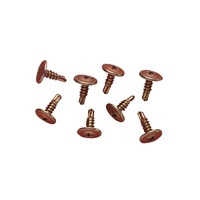
Round washer head and pan washer head screws offer a low-profile head suitable for visible finishes and moderate loads. Modified truss heads (sometimes sold as K-lath or wafer-style) have an even wider, flatter flange ideal for light-gauge steel, plasterboard, plaster brackets, cable ducting, and cladding. The wider bearing reduces pull-through where the substrate is thin or soft.
Self-drilling washer head screws (Tek-style) include a drill point that cuts through thin gauge steel and metal framing without a pilot hole. Self-tapping variants thread into pre-drilled holes in metal, plastic, or composite materials. Both rely on the point matching the material thickness: a self-drilling point rated for 1mm steel will struggle in 3mm plate. Always confirm the substrate range on the product datasheet before specifying.
The integrated washer design offers measurable benefits compared with using a standard screw plus a separate flat washer. The advantages are practical: faster installation, better holding power in soft materials, and reduced surface damage on finished panels.
A built-in flange removes a separate washer from the picking and handling process. There is one less component to align, fewer dropped washers to chase, and no risk of an installer omitting the washer entirely. This is particularly valuable for overhead work, confined spaces, switchboard fit-outs, enclosure assembly, and production-style repetitive fixing. Site workflow stays cleaner and faster across larger jobs.
The wider head bearing reduces pull-through. In MDF, particleboard, soft timber, thin sheet metal, plaster brackets, fibre cement, and plastics, a narrow head can crush the substrate or pull straight through under load. The flange spreads force across a larger area and helps the fixing stay seated. Do not assume specific load ratings unless the product carries published engineering data for the substrate in question.
The flange helps protect powder-coated panels, painted surfaces, cabinet finishes, and the outer face of electrical enclosures. Pressure spread across a wider area is less likely to dimple or scar the surface compared with a standard head. Serrated flange options can also resist back-out under vibration. A caution still applies: over-driving any washer head screw will eventually deform the substrate, regardless of how good the flange design is.
Washer head screws are used across electrical, HVAC, construction, cabinetry, and industrial work. For Australian electricians and contractors, the most common applications involve mounting hardware to panels, enclosures, brackets, and framing where load distribution and surface protection are important.
Washer head screws are routinely used to mount switchboard panels, cover plates, backing plates, brackets, and accessory hardware. The flange spreads load on powder-coated metal and protects the finish from being marked. For surface mount enclosures and recessed enclosures, the wider head also keeps the panel seated against vibration. Note that fixed electrical installation, switchboard modification, and connection of fixed equipment must be carried out by licensed electricians under AS/NZS 3000.
Washer head screws suit fixing for cable management components, light brackets, cable tray accessories, and general support hardware. The correct screw depends on the substrate: timber takes a coarse thread, sheet metal takes a self-drilling or self-tapping point, plasterboard needs a plug or cavity fixing. Where the component comes with manufacturer-specified fasteners, use those rather than substituting a generic screw.
Modified truss and wafer-style washer head screws are well suited to plaster bracket installation and light-gauge steel framing. The wide head reduces pull-through and seats cleanly without crushing the paper face or distorting the bracket. These applications are typically light-duty fixing: structural or load-bearing connections need a screw with published engineering data and the correct embedment depth.
In construction work, washer head screws are used for timber-to-timber connections, metal-to-timber fixing, cladding, joist hangers, decks, pergolas, and other external structures. Structural applications require screws with published load data and relevant certification. Outdoor and treated timber jobs need a coating rated for the exposure (typically galvanised or stainless), since standard zinc plating will fail in damp or treated-timber conditions.
Cabinet carcasses, MDF panels, particleboard shelving, and shopfitting work all benefit from washer head screws. The flange keeps panels aligned and reduces pull-through where the substrate is soft or thin. For visible installations, choose a head style and finish that suit the cosmetic requirement. A low-profile pan washer head sits neatly under cabinet hardware. A modified truss head suits jobs where a wider flange is wanted.
Washer head screws are manufactured from a range of materials and coatings selected to match the environment, load, and substrate. The wrong coating choice is one of the most common specification errors and typically shows up as rust staining, head failure, or thread corrosion within months of installation.
Zinc plated carbon steel is the standard finish for dry indoor use. It covers electrical enclosure assembly, cabinet work, internal panels, and general light-duty fixing. Zinc plating offers modest corrosion resistance and is the most economical option. It is not the right choice for coastal exposure, persistent damp, external work, or contact with treated timber unless the specific product is rated for that use.
Hot-dip galvanised or mechanically galvanised coatings deliver a thicker zinc layer that resists outdoor exposure, decking work, treated pine, and general external construction. H3 and H4 treated pine is reactive to standard zinc, so the fastener rating must explicitly cover the timber treatment grade. Galvanised screws also carry implications for warranty and corrosion claims, especially in inland rural and semi-coastal sites.
304 stainless suits general outdoor use. 316 stainless is the grade for marine, coastal, pool, chemical, and high-humidity environments. Coastal Queensland, tropical north, and pool surrounds all benefit from 316 stainless because of accelerated corrosion in salt and chlorine atmospheres. Stainless costs more per screw, but it removes the long-term risk of rust staining on coated panels and avoids fastener replacement during the life of the installation.
Material strength and hardness must match the application. Hardened carbon steel suits high-torque self-drilling use in steel framing. Specialist grades exist for structural connections, suspended ceilings, and certified bracketry. Consult the manufacturer datasheet for any safety-critical fixing. Not all washer head screws are load-rated structural screws: do not assume a general fastener will carry a calculated load.
Selecting the right washer head screw means matching drive type, head geometry, material, coating, length, and thread to the specific application. Electricians ordering online and contractors buying in bulk benefit from a structured approach rather than picking the first option that looks similar to last job's screw.
For internal panels and dry indoor fixing, zinc plated washer head screws cover most situations. For light gauge steel and sheet metal, choose self-drilling screws with the correct point rating. For outdoor boxes and exposed work, switch to galvanised or stainless. Hex washer heads suit jobs that need higher torque. Trade buyers should weigh consistent thread quality, reliable driver fit, clean seating, and pack availability when comparing brands.
Hex washer heads handle high torque and stronger clamping. Round and pan washer heads suit visible finishes with moderate loads. Modified truss and wafer head screws spread load across a wide bearing area, which suits thin sheet and plaster brackets. Self-drilling washer heads are intended for metal-to-metal and metal-to-timber where the point rating matches the steel gauge.
Length depends on substrate thickness, bracket depth, embedment requirement, and whether the screw goes into timber, steel, or a plug. The general rule is to provide enough engagement in the receiving material without bottoming out, protruding into a hidden cavity, or damaging concealed services. For electrical enclosures, mounting mechanisms, and brackets, always check the manufacturer fixing instructions before deviating from the specified screw length.
Sizing covers gauge, length, thread pitch, point type, and driver type. Coarse thread suits timber and plastics. Fine thread suits metal. Self-drilling points handle thin gauge steel without pilot holes. Common buying language includes screw packs, bulk boxes, zinc plated, stainless, hex washer head, self-drilling, and trade fasteners. Match the driver bit gauge to the recess so the bit seats cleanly without rounding the head.
Comparing washer head screws to similar fastener types helps clarify when the integrated washer is the right choice. The decision usually comes down to load distribution, finish, and installation speed.
| Fastener Type | Best For | Key Limitation |
|---|---|---|
| Washer head screw | Surface-mount fixing on soft, thin, or coated substrates | Not always load-rated for structural use |
| Flat (countersunk) head | Flush finish in countersunk recess | No load distribution at the surface |
| Pan head | Small hardware and moderate loads | Narrower bearing surface than a washer head |
| Screw plus separate washer | Custom washer size or single-job repairs | Slower handling, washers can be dropped or omitted |
| Bolt with nut and washer | Through-fixing where access from both sides exists | Needs two-sided access and aligned hole |
| Structural screw | Certified load-bearing connections | Higher cost, engineer sign-off may be required |
Flat head (countersunk) screws are designed to sit inside a recess and finish flush with the surface. Washer head screws sit on top of the surface and distribute clamping load across the flange. Use a washer head where pull-through resistance and surface protection matter more than a flush finish. Use a flat head where a smooth visible surface is needed.
Pan heads have a raised bearing surface, but the flange diameter is smaller than a washer head. Pan head screws may be the right call for small hardware, terminal fixings, and tighter spaces. Washer heads work better in thin or soft substrates where the wider bearing reduces deformation and pull-through under load.
Separate washers offer flexibility, but they add handling time and can be dropped, lost, or omitted on a busy site. Washer head screws are faster and more consistent for repetitive fixing. SEMS-style captive washer fasteners (where a flat washer is retained on the shank) are a related option for production and service environments where a specific washer size is wanted but loose handling is not practical.
Bolts suit through-fixing with a nut and washer on the opposite face. Structural screws are required where certified load capacity or engineer sign-off applies. Standard washer head screws should not be described as structural unless the product datasheet specifies a rating, an embedment depth, and the timber or steel grade for which it has been tested.
Buying washer head screws in Australia means balancing stock availability, pack size, delivery speed, and price per screw. The right approach depends on whether the buyer is fitting out a single job, restocking a van, or supplying a long-running project. Sparky Direct is an online electrical wholesaler that carries fasteners and trade consumables alongside its core electrical range.
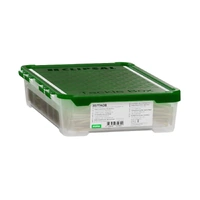
Retail packs of 10 to 25 screws suit small jobs and one-off fixes. Trade packs and bulk boxes (typically 100 to 1000) suit electricians, builders, facility managers, and maintenance teams who use the same screw repeatedly. Planning ahead for the common lengths, coatings, and drive types in your work removes the risk of running short between site visits. Screws bucket packs are a practical bulk option for high-volume users.
Price per screw is one input, but it is rarely the deciding factor. A cheaper screw with a poor coating, inconsistent thread, or a soft head costs more once rework, callbacks, and warranty claims are factored in. Comparing total job cost across pack size, quality, and reliability gives a clearer picture than unit price alone. Trade brands such as Macsim and Hobson Engineering are commonly used in Australian trade work.
Sparky Direct supplies washer head screws and related screws and fixings alongside the broader range of electrical consumables, tools, and accessories. Online buyers can view current pricing, pack sizes, and dispatch information without an account. The site lists actual stock products: confirm coating, gauge, length, and pack quantity on the product page before ordering for a specific job.
Local hardware stores work well for urgent single-pack purchases when a job stops because of one missing fastener. Online wholesale is generally stronger for repeat trade supply, bulk pack availability, and consistent specification across multiple sites. Range depth, transparent pricing, and account-free ordering favour the online channel for planned and recurring purchases. Use the channel that fits the job stage.
Fast shipping and stock visibility matter most for electricians working across regional Queensland, rural projects, and maintenance call-outs where the next hardware store is hours away. Ordering common screw sizes in advance avoids costly site delays. Check the stated delivery window before placing an urgent order, and where possible carry a small buffer stock of the screws used most often on your run.
Installation, safety, and compliance considerations apply to every washer head screw used in trade work. The guidance below is general: it does not replace the manufacturer's installation instructions or the relevant Australian Standard for a specific application.
Match the driver bit, socket, or nut setter to the screw head exactly. A worn or undersized bit causes cam-out, strips the recess, and ruins the screw. Use controlled torque to seat the flange against the substrate without over-driving. Replace worn bits as soon as they show rounding or chipping. Driver bits in the correct gauge are an inexpensive consumable compared with the cost of stripped fasteners and rework.
Fixed electrical work, switchboard modifications, and installation of electrical equipment must be carried out by licensed electricians in accordance with AS/NZS 3000 and the relevant state legislation. Screws may be a consumable, but their use in electrical enclosures, switchboards, and mounting mechanisms affects fit, safety, and serviceability. Where the fastener is part of a certified assembly, check the product documentation and use the specified screw rather than substituting a generic option.
Do not over-tighten in soft materials, plasterboard, MDF, or thin sheet metal. Use the correct pilot hole or self-drilling point where the substrate requires it. During maintenance, inspect existing washer head screws for rust, loose fixings, stripped heads, or damaged coatings, and replace as needed. The flange provides protection at installation, but a corroded or over-driven screw still compromises the fixing over time.
Compliance reminder: Fastener selection for certified electrical assemblies, structural connections, and safety-critical fixings must follow the manufacturer specification and any relevant Australian Standard. When in doubt, consult the product datasheet or a licensed professional before substituting a different screw.
Watch Clipsal 357/50B Self Drilling Screw, Bugle Head, 8Gx50mm, 500 per Bucket Incl. Free Phillips (Ph.2) Double-Ended Magnetic Screwdriver Bit video
Watch Clipsal 357/75B Self Drilling Screw, Bugle Head, 8Gx75mm, 250 per Bucket Incl. FREE Phillips Double-Ended Magnetic Screwdriver Bit video
Watch Clipsal 355A 50mm x M3.5 General accessories Screws | Perfect for mounting switch plates & socket outlets on Tiles (10 pack) video

What can I say, but they're screws and they do exactly what you'd expected. Quality is good, happy camper.
Deliver promptly and specified on the web site, another excellent product from Sparky Direct
These are fantastic for installing a ceiling fan timber in a roof space. With your drill on the low speed you can drill through the truss and into your noggin with confidence
Quality products in stock • Fast Australia-wide delivery • Competitive trade pricing
Browse Washer Head Screws → Get Expert Advice →