

6g 20mm
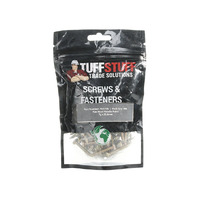
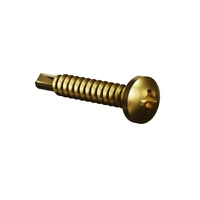
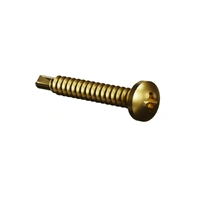
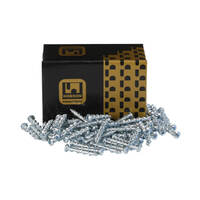
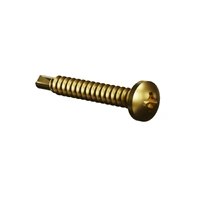
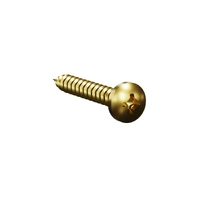
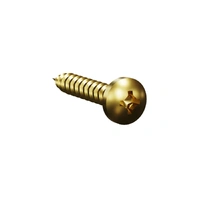
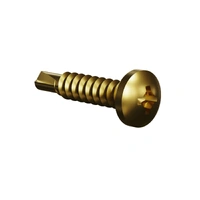
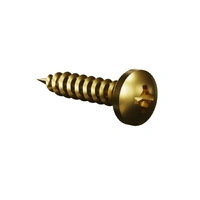
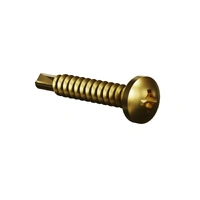
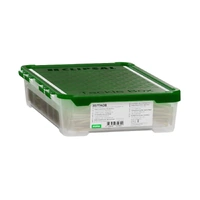
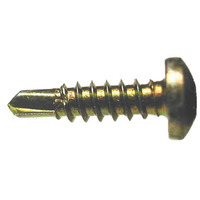
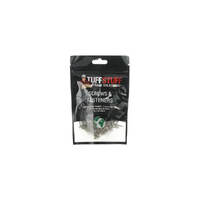
TuffStuff PAN620 | Pan Head Needle Point 6gx20mm | 100 Bag.. Discontinued
$2.82
$2.56 ex. GST
Search Results:
Search Results:
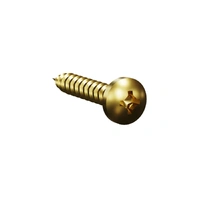
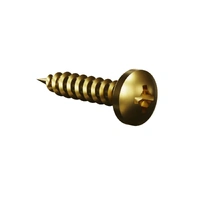
Pan head screws sit at the centre of the trade fastener range because the head shape suits so many jobs. The rounded dome rises above the surface with vertical sides and a flat underside. That flat bearing area presses against the workpiece without digging in, so thin metal, plastic, and timber brackets stay intact under load. Pan heads work well where a fully flush finish is not required and the head can remain visible.
The profile is named after a saucepan shape. The top is gently rounded, the sides are straight, and the underside is flat. This combination spreads clamping force across a wider area than a countersunk or round head of the same diameter. Pan head screws come in many sizes from small machine screws used in switchboards to larger needle-point screws for plasterboard and timber. Common materials include zinc-plated steel, stainless steel grades 304 and 316, brass, and nylon.
The screw clamps the workpiece between the head and the substrate while the thread engages the host material. Machine threads bite into a tapped hole, captive nut, or threaded insert. Self-tapping and thread-forming versions create their own thread path in sheet metal, plastic, or timber. Correct length and full thread engagement determine the holding strength. Too short and the screw pulls out under load. Too long and the tip can protrude into unsafe areas behind the fixing.
Pan head screws are popular trade stock for several practical reasons. The wide head bears on washers, brackets, and mounting flanges without crushing. The exposed head is easy to drive, easy to remove, and easy to re-fit during service work. Common applications include fixing conduit saddles, mounting terminal blocks, securing DIN rail accessories, fastening enclosure components, and attaching plastic electrical fittings. Most working vans carry a mix of sizes for general maintenance and fit-off tasks.
Head shape changes how the screw sits, clamps, and presents on the finished surface. Pan heads are the all-rounder, but other head profiles have their place. The comparison below shows when each option earns its spot.
| Head Type | Profile | Best Use |
|---|---|---|
| Pan head | Low rounded dome, flat bearing surface | Brackets, saddles, mounting blocks, enclosure hardware |
| Countersunk | Tapered cone sitting flush in a chamfered hole | Flush finishes, hinges, hardwood joinery, plates |
| Bugle head | Self-countersinking curved underside | Plasterboard, fibre cement sheeting, timber sheet fixing |
| Button head | Smooth low dome, slightly smaller bearing area | Visible fixings where smooth appearance matters |
| Truss head | Very wide, flat low profile | Thin sheet metal, soft materials, oversized clearance holes |
Countersunk screws are designed to sit flush in the surface they fix into. They need a chamfered or counterbored hole, and the head pulls into the recess as the screw tightens. Pan heads avoid all of that preparation work and the timing issues that come with it. The flat underside seats directly on the surface, which protects thin sheet metal and prevents distortion around the hole. For switch plates, light brackets, and enclosures that are opened during service, pan heads are usually faster to install and easier to remove without damaging the finish.
Bugle head screws self-countersink as they drive into the work. They are made for plasterboard, fibre cement, and timber sheeting where the head needs to sit just below the surface. Pan heads work the other way around with a fundamentally different goal. They clamp above the surface and stay accessible for later removal or service. Use bugle screws for sheet linings and pan heads for hardware, brackets, saddles, and electrical mounting blocks.
Button heads have a smoother, lower dome and a smaller bearing area, which suits visible fixings where appearance matters. Round heads carry a taller dome and an older profile that still turns up in legacy hardware. Truss heads are wide and flat, useful for thin sheet metal and soft materials where load needs to be spread over a larger footprint. Pan heads sit between these options as the balanced everyday choice. The decision comes down to clearance, clamping area, and whether the head can remain visible. Button head screws and wafer head screws are good neighbours in the same fastener range.
Material and coating decide how long a fastener lasts in the installation environment. Australian conditions vary widely across the country and even within a single state. Coastal humidity, treated timber, and chemical exposure all attack low-grade fasteners, and the wrong choice leads to early failures and call-backs. Selection starts with a clear understanding of the location and the substrate involved.
Bright zinc-plated and zinc-coated screws are the cost-effective option for dry interior work. Indoor brackets, accessory housings, light-duty metalwork, and cabinet fittings all suit zinc plating. The coating gives a bright finish and adequate corrosion resistance for protected environments. Standard zinc plating is not the right choice for exposed outdoor, coastal, wet, or treated-timber applications. In those conditions, zinc corrodes faster than the buyer expects.
Stainless steel grade 304 is suitable for general outdoor use and mildly corrosive conditions. Grade 316 is the preferred specification for coastal, marine, high-humidity, and harsher exterior locations. Queensland and the wider Australian coastline see salt-laden air that pits and discolours lower grades within months. Match stainless screws with compatible washers and substrates to reduce galvanic corrosion. Mixing stainless with bare galvanised or plain carbon steel can accelerate corrosion of the less noble metal.
Brass pan head screws appear in decorative fittings, some electrical applications, and environments where corrosion resistance matters more than strength. Nylon pan head screws are non-conductive and non-magnetic, which suits electronics, PCB mounting, and sensitive equipment enclosures. Specialist coatings such as Class 3 and Class 4 corrosion ratings cover treated pine, exterior framing, and chemically aggressive environments. Always check the manufacturer data sheet before specifying for outdoor or industrial use.
Treated timber leaches preservative chemicals that attack low-grade fasteners. The wrong screw can fail inside a few seasons. Galvanised steel substrates need compatible coatings to avoid white rust at the interface. Dissimilar metals in contact set up a galvanic cell, and the weaker metal sacrifices itself. Isolation washers, neoprene pads, or matched-material fasteners all help break the galvanic circuit. When in doubt, step up the corrosion grade and use what the substrate manufacturer recommends for the conditions.
Thread type changes what the screw can fix and how it gets installed. The four common categories are machine thread, self-tapping, thread-forming, and self-drilling. Coarse and fine pitch variations cover softer and harder host materials. The thread choice is a buyer decision, not a guess.
Machine thread screws need a nut, tapped hole, threaded insert, or captive thread to engage. They do not cut their own thread into the host material. Common electrical uses include switchboard components, metal enclosure covers, terminal block hardware, equipment housings, and DIN rail accessories. Machine threads suit applications where the fastener gets removed and refitted during service. The thread stays consistent through repeated cycles when the host thread is intact.
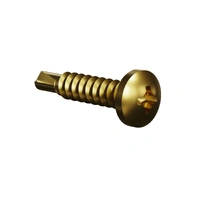
Self-tapping screws form or cut their own thread as they drive into compatible host material. Common applications include thin sheet metal, plastic mounting blocks, light brackets, conduit accessories, and enclosure panels. Pilot holes may be required depending on material thickness and screw type. Self-drilling screws add a flute-cutting tip that drills and threads in one pass, useful in steel framing and metal sheeting.
Safety note: Self-tapping and self-drilling screws should not be substituted into certified electrical equipment unless the manufacturer permits the change. Screw type, length, and material are part of the product certification.
Coarse-thread pan heads suit softer materials such as timber, plastic, and quick-installation work where speed matters. The wider pitch grabs the host material and pulls the screw down quickly under driving torque. Fine-thread pan heads work better in thinner metal, harder substrates, and vibration-prone assemblies. The finer pitch gives more thread engagement per unit of depth and resists loosening under cyclic load. Check substrate thickness, pilot hole size, and manufacturer guidance before selecting.
The screw must engage enough thread to develop full holding strength without protruding into unsafe areas. Common buyer checks include material thickness, bracket thickness, washer thickness, pilot hole size, and clearance behind the fixing point. For electrical components, screws that are too long can contact internal wiring, busbars, or live parts inside an enclosure. Measure first and confirm clearance behind the fixing point before driving the screw home.
The drive shape controls how much torque the bit can transfer to the screw and how easily it cams out under load. Pan head screws come in Phillips, Pozidriv, slotted, square, Torx, and combination drives. The right drive depends on torque demand, tool access, and whether the fixing will be removed later.
Phillips is the most common drive in the trade. Bits and screwdrivers are everywhere, and most contractors carry several sizes. Phillips bits cam out under high torque, which protects the screw head but can also leave the fastener half-driven. Pozidriv looks similar but transfers torque more effectively because the bit and recess fit tighter. Combination drive screws accept Phillips and slotted bits, which is handy in electrical accessories where service technicians may bring different tools.
Square drive screws hold the bit firmly and resist cam-out under load. They suit production and contractor use where speed and clean driving matter. Torx drives transfer even more torque and give very repeatable installation, which is why they appear on premium fasteners and OEM screws. Either option pays off when bit wear and screw damage start adding up across a large job.
Slotted screws still appear in legacy fittings, electrical terminals, and applications where a flat blade is expected. They are easy to service with any flat screwdriver but cam out quickly under power. Security drive variants such as Torx Pin and tri-wing are used where tamper resistance is needed in public areas, plant rooms, schools, and commercial buildings. Always confirm the matching driver bit is available before ordering.
Pan head screws are a daily fixture in electrical fit-off and maintenance work. The wide head bears on metal brackets and saddles without distorting them, the exposed profile makes service easy, and machine thread versions accept repeated removal during testing and rework. The applications below cover the most common electrical uses.
Pan head screws secure internal brackets, covers, DIN rail accessories, terminal block hardware, gland plates, and light-duty panel fittings inside electrical enclosures and switchboards. Any substitution inside certified electrical equipment should follow the manufacturer documentation. Switchboard work must be completed by a licensed electrician in accordance with AS/NZS 3000 Wiring Rules.
Pan heads suit conduit saddle fixing because the flat bearing surface holds the saddle ear flat against the substrate. Substrate considerations include timber framing, masonry plugs, plastic blocks, thin steel, and pre-drilled brackets. Match screw type and anchor type to substrate and load. For pre-drilled mounting blocks and PVC conduit clip saddles, the screw should engage the substrate by at least the full screw diameter plus the wall thickness.
Pan head screws fix accessories, covers, brackets, low-voltage plates, and non-live mounting hardware where the product manufacturer permits. Power points, switches, and certified accessories often ship with a specified screw. Do not substitute the original screw on those products unless the documentation allows it. The wrong length or thread can compromise the IP rating, the earth path, or the mechanical integrity of the accessory.
Pan heads spread load better than narrow head types and can reduce cracking in plastic when correctly torqued. Pilot holes, the correct thread form, and a low torque setting all help reduce the risk of damage. Thread-forming screws suit plastic substrates better than aggressive cutting threads that remove material. Washers can spread load further on thin or brittle housings that need extra support. Over-tightening into plastic strips the thread or cracks the housing within seconds, so a torque-controlled driver pays for itself on production work.
Substrate choice drives thread selection, length, and material grade. A pan head that holds well in softwood may strip out in plastic, and a screw that fits sheet metal may bind in hardwood. The notes below cover the common substrates trade buyers handle.
Suitable timber applications include light brackets, cable management supports, mounting boards, and cabinet hardware. Coarse-thread or timber self-tapping versions usually grip timber better than machine thread screws. Pre-drilling may be required in hardwoods to avoid splitting, particularly near board edges. For decking and exterior timber, step up to stainless 304 or 316 to resist the chemicals in treated pine.
Pan heads work well in sheet metal, brackets, enclosure panels, HVAC components, and equipment housings. The choice between machine thread, self-tapping, and self-drilling depends on metal thickness and whether a tapped hole exists. Thicker steel and structural applications need the correct screw grade and may require pre-drilled or tapped holes. For thin sheet, a self-drilling pan head saves the pilot drilling step.
Thread-forming screws usually outperform aggressive cutting threads in plastic. The forming action displaces material into a mating thread without removing chips that weaken the boss. Avoid over-tightening, which cracks housings and strips plastic threads. Electronics, mounting blocks, and general equipment covers are typical examples. A torque-limited driver and a correctly sized pilot hole make the difference between a long-lasting joint and a stripped boss.
Specification is a checklist, not a guess. Working through the points below gives a confident buying decision that matches the substrate, the environment, and the application.
The same handful of mistakes shows up across trade orders week after week. Zinc-plated screws used outdoors in coastal conditions corrode quickly and stain the substrate around them. Machine screws specified where no threaded insert or nut exists fail to clamp anything at all. Screws that are too long inside electrical enclosures contact live parts and create a hazard. Wrong driver bits strip the head and leave the screw half-driven. Over-tightening into plastic cracks the housing and ruins the seating. Stainless and galvanised components mixed without thought set up galvanic corrosion at the contact interface. Substituting screws in certified products without checking compatibility breaks the product approval and the warranty.
A practical van mix covers zinc-plated indoor screws, stainless 304 or 316 outdoor screws, and common self-tapping sizes. Machine thread screws cover switchboard and enclosure work where compatibility with existing inserts allows. Buying common sizes in bulk packs reduces sourcing time, particularly for repetitive fit-off jobs across multiple sites. There is no single best product across the whole pan head range. The right screw depends on substrate, environment, and application, and stocking a sensible range covers most day-to-day work.
Online ordering is the easy way to source pan head screws in trade quantities without driving between suppliers. The trick is buying from a supplier that lists size, material, coating, and pack quantity clearly, so the screw on site matches the order on the invoice.
Pan head screws are stocked through electrical wholesalers, trade suppliers, fastener specialists, and online electrical suppliers. Sparky Direct is a practical source for trade buyers needing screws and fixings, driver bits, conduit accessories, enclosures, and related installation consumables in one order. Look for suppliers that list size, material, coating, and pack quantity clearly on every product page. That extra detail makes warranty work and reordering across multiple sites much easier.
Bulk buying makes sense for repetitive fit-off work, switchboard production, maintenance van stock, project orders, and multi-site jobs. Screws bucket packs save labour on pack-opening, reduce waste, and give consistent screws across the job. Pack size, labelling, and storage all matter. Contractors should standardise common screw sizes where possible to cut inventory complexity and reduce time lost sourcing small fixings on site.
The cheapest screw is not always the cheapest once stripped heads, corrosion failures, call-backs, and rework are added up. A budget zinc screw used outdoors and failing in twelve months costs more than the right stainless screw bought once. Balance unit cost with coating quality, thread consistency, drive quality, and supplier reliability. Cheap pan head screws have their place in dry indoor work, but the right specification for the environment usually pays off.
Installation is straightforward when the screw, bit, and substrate are matched. The notes below cover safe handling for general trade and service work. Fixed wiring, switchboard, and powered accessory work must be performed by a licensed electrician in accordance with AS/NZS 3000.
Use the correct driver bit and keep firm alignment to reduce cam-out under load. Match torque to the substrate and the fastener size for the cleanest result. Sheet metal, plastic, and thin mounting plates do not tolerate over-tightening without damage. Pilot holes help in dense timber and brittle plastic where the screw would otherwise split the material. For electrical installations, leave fixed wiring, switchboard, and powered accessory work to a licensed electrician. Screw substitution inside certified equipment needs manufacturer approval.
Match the correct bit profile and size to the screw recess every time. Replace worn driver bits before they slip and chew the head out of shape. Use pilot holes where the substrate density or thickness requires them for clean driving. Avoid reusing damaged screws in serviceable electrical fittings where reliable removal will matter. A small bit set kept clean and a torque-controlled driver pay back across a busy week.
Store screws by size, material, coating, and drive type so the right pack is always to hand. Keep stainless screws separate from carbon steel screws to avoid cross-contamination that triggers surface corrosion. Labelled tubs or organiser cases keep trade vans tidy and cut sourcing time on every site. Stock matching washers, nuts, and driver bits with the screw range so the kit stays complete.
Club Clipsal is Australia's largest electrician community offering trade rewards, business support, and exclusive benefits. When you nominate Sparky Direct as your preferred wholesaler, we automatically apply your Clipsal spend points to your Club Clipsal account daily.
Entry-level offering coaching, mentoring, and training discounts
Unlock exclusive industry tools and networking events
Access Toyota fleet offers and business software discounts
Maximum benefits, including VIP experiences and rewards
1. Sign Up: Create your Club Clipsal account at clipsal.com/club-clipsal or via the iCat mobile app
2. Nominate Sparky Direct: Select Sparky Direct from the wholesaler dropdown menu in your profile
3. Add Email: Enter your Sparky Direct account email address in the membership number field
4. Start Earning: Every dollar spent on Clipsal products earns points automatically
Redeem points from the rewards store, including gift cards, tools, and experiences. Access business summits, product training, and industry networking events. Receive early access to new product launches and special promotions. Connect with fellow electricians via the Club Clipsal community app.
Watch Clipsal 357P30 | Self Drilling Pan Head Screws 6g x 30mm | Packet: 100 video
Watch TuffStuff PAN630B | Pan Head Needle Point 6gx30mm | 500 Bucket video
Watch MACSIM 21PK740 | Screw Pan Head Drywall 7 x 40mm 200 Bottle video

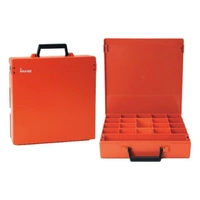
Handy container for the van or Ute, quality is good. Like these for wall mates and the like.
What can I say, but they're screws and they do exactly what you'd expected. Quality is good, happy camper.
Deliver promptly and specified on the web site, another excellent product from Sparky Direct
Trusted brands • Expert advice • Fast Australia-wide delivery • Trade pricing
Shop Pan Head Screws → Get Expert Advice →