
Search Results:
Search Results:
Search Results:
Search Results:
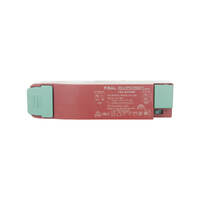
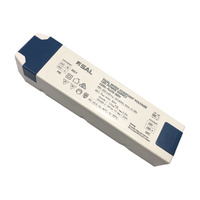
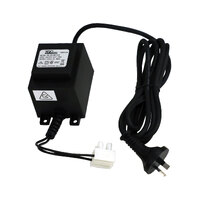
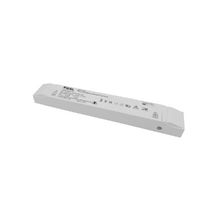
Find the best Downlight Transformers and LED Drivers at Sparky Direct. [ Read More ]
A downlight transformer converts 240V mains power to the lower voltage required by certain downlight fittings. Without the right transformer or LED driver, low voltage downlights cannot operate safely or reliably. Whether you are replacing a failing 12V AC electronic transformer, upgrading halogen downlights to LED, or specifying drivers for a commercial fit-out, choosing the correct product for your load and light source is the critical first step. Sparky Direct stocks a range of downlight transformers and LED drivers suited to residential and commercial applications across Australia.
A downlight transformer is an electrical device that steps down 240V mains power to a lower voltage, typically 12V or 24V, required by certain downlight fittings to operate safely. Low voltage downlights cannot run directly from 240V mains without a transformer or driver to convert and regulate the supply.
The term "transformer" is used widely to describe both traditional 12V AC electronic transformers and modern DC LED drivers. While these devices serve a similar purpose at a basic level, they work differently and are not interchangeable. Fitting a downlight with the wrong type of power supply will cause it to fail, flicker, or pose a safety risk.
In the context of Australian residential lighting, the most common application for a downlight transformer is powering MR16 LED lamps and low-voltage retrofit downlights that replaced older halogen fittings. Many halogen-era installations used iron core or electronic transformers rated for 12V AC. These are frequently incompatible with LED lamps, making replacement with a proper LED driver a common upgrade requirement.
Most modern integrated LED downlights run directly from 240V mains and include a built-in driver inside the fitting. A separate external transformer or driver is required when: the downlight is a low-voltage type (MR16, GU5.3, or similar), you are installing LED strip lighting, or you are retrofitting LED lamps into an existing 12V or 24V halogen circuit. Always check the downlight's voltage specification before purchasing a driver.
Traditional electronic transformers step down 240V to 12V AC, which is what older halogen downlights and some low-voltage fittings require. They convert voltage through electromagnetic induction and produce an alternating current output.
LED drivers, by contrast, convert 240V mains to a regulated low-voltage DC output. LEDs require a consistent, controlled current to operate correctly. A standard AC electronic transformer does not provide this, so connecting an LED lamp to an old halogen transformer often results in flickering, reduced lamp life, or failure to start. This is one of the most common sources of LED downlight problems in Australian homes where halogen fittings have been partially upgraded.
The key distinctions between the two are output type (AC versus DC), current regulation, and load compatibility. LED drivers maintain a stable current regardless of minor load fluctuations, which protects the LEDs and extends their working life. Choosing the wrong type for your light source is a common mistake that causes flickering, premature failure, and in some cases can void manufacturer warranties.
| Feature | Electronic Transformer (12V AC) | LED Driver (12V or 24V DC) |
|---|---|---|
| Output Type | AC (alternating current) | DC (direct current) |
| Compatible With | Halogen MR16 lamps | LED lamps and LED strip lights |
| Current Regulation | No | Yes |
| Dimming | Limited (leading-edge only) | Yes (with dimmable driver and compatible dimmer) |
| Typical Wattage | 6W to 60W per unit | 10W to 150W per unit |
| Common Use | Existing halogen circuits | LED retrofits, LED strip, new installations |
The Australian market offers three main categories of downlight power supplies: 12V AC electronic transformers for halogen and some low-voltage fittings, constant voltage LED drivers in 12V or 24V DC for LED applications, and dimmable LED drivers for circuits with dimmer switches.
Wattage ratings range from as low as 6W for single-lamp applications up to 150W for multi-light commercial circuits. IP ratings are relevant for outdoor or wet area use. Weatherproof transformers rated IP44 and above are required in exposed locations under AS/NZS 3000:2018 wiring rules.
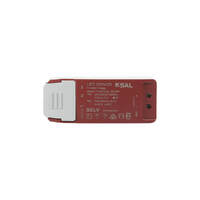
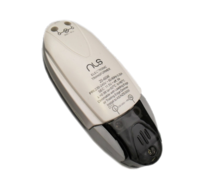
Brands stocked by electrical wholesalers in Australia include SAL Lighting and National Light Sources (NLS), both of which offer a range of constant voltage and dimmable LED drivers suited to residential and commercial applications.
12V transformers are the most common choice for residential downlight and MR16 halogen applications. They are the standard for retrofitting LED lamps into existing low-voltage circuits and for powering single downlights or small groups of fittings.
24V drivers are preferred for LED strip lighting and longer commercial cable runs. Higher voltage systems experience less voltage drop over distance, which means the LEDs at the far end of a long run still receive sufficient power to perform correctly. For LED strip installations running 5 metres or more, a 24V driver will generally deliver more consistent brightness than a 12V equivalent.
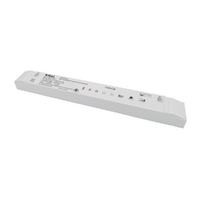
Dual-voltage drivers rated at 12V/24V offer flexibility for mixed installations or where requirements may change. A dual-voltage model such as the SAL PLUTO60DV covers both outputs in a single unit, which can simplify stock and reduce the number of SKUs needed for a commercial fit-out. Always confirm the voltage requirement of the specific lamp or strip product before selecting a driver.
Not all LED drivers support dimming. Only drivers specifically rated as dimmable are compatible with dimmer switches, and even then, the driver must be compatible with the specific type of dimmer installed. Mismatching a non-dimmable driver with a dimmer switch is one of the most common causes of LED flickering in Australian homes.
Dimmable drivers are available in constant voltage configurations typically from 75W to 150W, suited to both residential and commercial loads. For a dimmable circuit to work correctly without flicker, you need three compatible components: a dimmable LED lamp or strip, a dimmable LED driver, and a trailing-edge or leading-edge dimmer switch rated for LED loads.
When specifying dimmable drivers for a project, check the dimmer manufacturer's compatibility list or consult the dimmer's minimum load rating. Some Clipsal dimmers and SAL dimmers publish compatibility data for their LED driver ranges. Installing a compatible combination from the outset avoids callbacks and repeat service visits.
Dimmer Compatibility: A dimmable LED driver alone does not guarantee flicker-free dimming. The dimmer switch must also be LED-rated and compatible with the specific driver. Always verify compatibility before installing, and test the full dimming range before completing a job.
Outdoor lighting installations in Australia require transformers with appropriate IP ratings to meet the requirements of AS/NZS 3000:2018 wiring rules. A standard indoor transformer must not be installed in an exposed or wet location. The minimum IP rating for most outdoor locations is IP44, which indicates protection against solid objects larger than 1mm and water splashing from any direction.
Weatherproof transformers are suited to garden lights, landscape lighting, driveway lighting, and undercover outdoor fittings. Some plug-in 60W models are classified as DIY-rated, meaning homeowners can use them to power low-voltage garden lighting without a licensed electrician, provided the transformer is connected to an existing weatherproof power point.
For hardwired outdoor transformer installations, including those supplying outdoor wall lights or permanently mounted garden fittings, the installation must be carried out by a licensed electrician in all Australian states and territories. The transformer itself must be installed in a location that does not expose it to direct water ingress beyond its rated IP protection.
The single most important criterion is matching the transformer's wattage rating to the total load of the downlights it will power. Undersizing causes overheating. Oversizing, particularly with small LED loads on a transformer designed for heavier halogen loads, causes flickering and in some cases prevents the lamp from starting at all.
After wattage, the transformer type must match the light source. Halogen downlights and MR16 halogen lamps require a 12V AC electronic transformer. LED lamps and LED strip lights require a constant voltage DC LED driver. Fitting an LED lamp to an old halogen transformer is a common mistake that causes flickering and shortened lamp life.
If the circuit includes a dimmer switch, verify that the driver is specifically rated as dimmable and that the dimmer is compatible with that driver. For outdoor locations, confirm the IP rating meets the requirements for the installation environment under AS/NZS 3000:2018.
Add up the wattage of every downlight the transformer will power. The transformer's rated output must meet or exceed this total. As a general rule, allow a 20% headroom above the calculated load. This extends transformer life, prevents thermal shutdown under normal operating conditions, and avoids the problems that come with running a transformer at or near its maximum rated output continuously.
As a worked example: three 10W LED downlights on the same driver require a minimum 30W output. Adding 20% gives 36W, so the recommended driver selection is a 40W unit. Running a 30W driver at 100% load is not recommended for long-term installations.
For LED downlight retrofits replacing older halogen fittings, the new LED load is typically much lower than the original halogen load. A transformer sized for 50W halogen lamps may be too large for 6W or 8W LED replacements and can cause flickering or starting problems. In this case, replacing the transformer with a correctly sized LED driver is the appropriate solution.
Commercial installations using higher-wattage drivers in the 60W to 150W range to power multiple fittings from a single driver should apply the same 20% headroom rule to the combined load. Always confirm the manufacturer's maximum load specification before connecting multiple fittings to a single driver output.
All transformers and LED drivers sold in Australia must comply with the relevant AS/NZS standards. The applicable standard for lamp control gear, including LED drivers and electronic transformers, is AS/NZS 61347. Products must also carry the RCM (Regulatory Compliance Mark) to confirm they meet Australian safety and electromagnetic compatibility requirements. Always check that the product you are purchasing carries the RCM mark before installation.
Under AS/NZS 3000:2018 (the Australian Wiring Rules), hardwired transformer installations must be carried out by a licensed electrician in all Australian states and territories. Plug-in DIY-rated transformers for garden lighting are an exception, but they must still be connected to a compliant weatherproof power point by appropriate means.
For ceiling installations, the wiring rules require adequate clearance around the transformer to allow heat dissipation. A minimum clearance of 50mm on all sides is the general requirement, though specific installation instructions for individual products may specify greater clearance. Transformers must not be installed in direct contact with insulation batts without specific approval for that purpose.
Transformers installed in outdoor locations must carry an IP rating appropriate for the environment. AS/NZS 3000:2018 specifies requirements for equipment installed in wet areas, bathroom zones, and outdoor locations. Refer to the standard or consult a licensed electrician for zone-specific requirements on your project.
Flickering is the most frequently reported problem with downlight transformer installations. The most common causes are a transformer-to-load mismatch (the driver is too large or too small for the connected lamps), a failing transformer, or an incompatible dimmer switch. Replacing an old magnetic or electronic transformer with a correctly sized modern LED driver often resolves persistent flickering issues in installations where halogen lamps have been replaced with LEDs without changing the driver.
Yes. A degraded or incorrectly rated transformer is one of the primary causes of LED downlight flickering in residential installations. If flickering has developed gradually in a previously stable installation, the transformer itself may be failing. Testing with a substitute driver is the most direct way to confirm whether the transformer is the cause.
Dimmable circuits require both a dimmable driver and a compatible leading-edge or trailing-edge dimmer switch to operate without flicker across the full dimming range. Using a standard non-dimmable driver on a dimmed circuit, or pairing a dimmable driver with an incompatible dimmer, both produce flickering.
Some heat generation is normal. Quality transformers include thermal protection that shuts the unit down if operating temperatures are exceeded. Persistent overheating is a sign the transformer is undersized for the connected load, or that the installation environment lacks adequate ventilation. Ceiling installations require a minimum 50mm clearance on all sides to allow airflow and prevent heat buildup around the unit.
If a transformer is tripping its thermal protection repeatedly, check the connected load against the rated output, check that there is adequate clearance in the ceiling space, and confirm the unit is not in direct contact with thermal insulation.
Buzzing or humming from a transformer typically indicates it is operating near its maximum load, or that it is incompatible with the connected dimming system. Some electronic transformers produce an audible hum that is normal at light loads. If the buzzing is loud or has developed over time in a previously quiet installation, inspect the unit for signs of overload or overheating, and confirm it is correctly rated for the connected LED load.
If your downlights are flickering, start by identifying the transformer model and comparing its rated output wattage against the total wattage of all connected lamps. Then check whether the transformer is an AC electronic type or a DC LED driver, and verify that it matches the lamp type installed. If a dimmer is present, check that both the driver and dimmer are rated for LED dimming and that they are listed as compatible with each other.
Residential applications typically use single-circuit transformers in the 6W to 60W range, powering individual downlights or small groups of fittings from a single driver. In most residential installations, each low-voltage downlight fitting has its own dedicated transformer mounted in the ceiling space above it.
Commercial installations, including LED highbay installations and office or retail fit-outs, often require higher-wattage drivers in the 60W to 150W range capable of powering multiple fittings from a single driver on a shared circuit. This reduces the number of individual power supply units in the ceiling, simplifies maintenance access, and can reduce material costs on large installations.
Both residential and commercial transformers must comply with Australian wiring rules. Commercial installations are also subject to relevant provisions of AS/NZS 3000:2018 covering commercial premises, and may require additional compliance documentation depending on the project type and local authority requirements.
For large-scale commercial lighting projects, specification of drivers by a licensed electrician before purchase is recommended to ensure wattage, voltage, dimming, and IP requirements are all met by a single product selection.
Yes, provided the total wattage of all connected fittings does not exceed the transformer's rated output. Multi-fitting transformers simplify wiring in grid-ceiling commercial environments by reducing the number of individual power supply units required in the ceiling space.
The same 20% headroom rule applies when powering multiple fittings from a single driver. If three 8W LED downlights are connected to one driver, the minimum driver rating required is 24W, and the recommended selection is a 30W or 40W driver to provide headroom. Always confirm the manufacturer's maximum load specification for the specific driver model before wiring multiple fittings to a single output.
For residential installations, the more common approach is one driver per downlight fitting, particularly in retrofit situations where the existing wiring already has a driver in each ceiling space. Multi-fitting drivers are more typically used in new commercial ceiling grid installations where the wiring is planned around a shared circuit from the outset.
Connecting too many fittings to an undersized driver is one of the most common installation errors in commercial fit-outs. The driver will overheat, trip its thermal protection, and fail prematurely. Always calculate the total connected load before specifying the driver wattage.
Downlight transformers and LED drivers are available from electrical wholesalers, lighting specialists, and online retailers. Purchasing from a dedicated electrical wholesaler such as Sparky Direct gives access to products that carry RCM certification, meet Australian compliance requirements, and are backed by manufacturer warranties.
Online purchasing makes it straightforward to compare wattage ratings, voltage outputs, dimming compatibility, and brand specifications across the full range before selecting. At Sparky Direct, the downlight transformer range includes options from brands including SAL Lighting and National Light Sources, with Australia-wide delivery.
Confirm the product carries RCM certification and is rated for Australian mains voltage (240V input). Check that the listed output voltage and wattage match your specific downlight or strip light requirements before adding to cart. Verify whether the driver is rated as dimmable if the circuit includes a dimmer switch.
Review the product description for IP rating if the transformer will be installed in a wet area or outdoor location. Check the returns policy of the supplier. Reputable Australian electrical wholesalers offer a minimum 30-day return window on unused components.
When specifying drivers alongside downlights, also consider the full system: tri-colour LED downlights, warm white downlights, cool white downlights, and 5m LED strip lights all have specific driver requirements that should be confirmed with the product datasheet before installation.
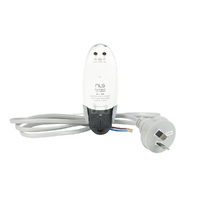
Watch NLS 40048 | 10W LED Driver | 12V DC with Plug Lead video
Watch SAL PLUTO60DV | Pluto LED 60W Power Supply | 12/24V video
Watch Wago 787-1201 | Switch Mode Power Supply 1 Phase 12V DC 2.5A 30W video

I'm replacing my halogen down light lamps with LED lamps. These drivers are great. they are small enough to fit through the down light into the ceiling. Prompt delivery and at a fair price.
Item was purchased to replace a nondimmable driver installed in the initial build. This item is working perfectly and now allowing us to dim the LED in the bulkhead of our room.
This dual voltage transformer was just perfect and really dud the job I was after
Quality products in stock • Fast Australia-wide delivery • Competitive trade pricing
Browse Downlight Transformers → Get Expert Advice →Yes, modern electronic transformers are designed for efficient operation.
Dimmable lighting requires transformers or drivers that are compatible with dimming systems.
Sparky Direct supplies downlight transformers Australia-wide, offering reliable power solutions for lighting with convenient delivery.
Downlight transformers are securely packaged and delivered via standard courier services.
Unused products are generally eligible for return according to the seller’s returns policy.
Warranty coverage varies by manufacturer and typically covers defects in materials or workmanship.
Yes, downlight transformers are typically sold as individual components.
Yes, matching the transformer to the lighting load and type is essential.
Dimmable lighting requires transformers or drivers that are compatible with dimming systems.
Quality transformers are designed for long service life when used within specifications.
They can generate some heat, which is why correct clearance and ventilation are important.
They are usually installed above the ceiling or near the downlight, depending on design.
Quality transformers operate quietly when correctly matched to the load.
A downlight transformer is a device that converts mains power to a lower voltage required by certain downlights.
Incorrect transformers can cause flickering, reduced lifespan, or failure of the downlights.
Using the correct transformer ensures reliable operation and protects the lighting system.
Yes, they are used in both residential and commercial lighting installations.
Some transformers are designed to power multiple fittings, subject to load limits and specifications.
Yes, they are available in various wattage ratings to suit different lighting loads.
Only transformers specifically designed or rated for LED use should be used with LED downlights.
Transformers are typically used for halogen or some low-voltage lighting, while LED drivers regulate current for LEDs.
Some LED downlights require a transformer or driver, while others operate directly on mains voltage.
Common outputs include 12V and 24V, depending on the downlight type.
Quality transformers are manufactured to meet relevant AS/NZS electrical and safety standards when installed correctly.
Some downlights operate on low voltage, so a transformer is needed to supply the correct power safely.