
Search Results:
Search Results:
Search Results:
Search Results:
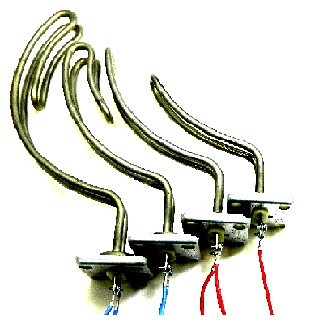
Find the best hot water dur-alloy elements here at Sparky Direct. [ Read More ]
Dur-alloy elements are found in electric storage hot water systems installed throughout Australian homes and commercial premises. They are the most common replacement element type for standard capacity tanks.
Most residential electric storage systems use a single element mounted in the lower section of the tank. A thermostat controls cycling to maintain the set temperature. Dur-alloy elements are available in the wattages and thread sizes used in these systems. Replacement is a routine service task for licensed electricians and plumbers.
Commercial installations with higher daily demand may use larger tank sizes or dual-element configurations. Dur-alloy elements suit these systems when water quality is acceptable. In hard water areas or aggressive water conditions, an alternative sheath material may be worth considering.
Systems that cycle frequently due to high usage require an element that maintains consistent output over time. Dur-alloy performs reliably in systems with clean water and stable operating conditions. Where scale or sediment is a recurring issue, more frequent inspection intervals are recommended.
Element performance depends on more than just the element itself. Water quality, usage patterns, and tank condition all affect how long an element lasts and how efficiently it heats.
Hard water carries dissolved minerals that deposit on element surfaces as scale. Scale acts as an insulator, reducing heat transfer and forcing the element to work harder. Over time, this raises surface temperature and shortens element life. Dur-alloy is moderately resistant to scale but is not immune to its effects in high-mineral environments.
A system that refills and reheats multiple times daily places more thermal stress on the element than one with moderate demand. Higher cycling frequency increases the risk of stress cracking in the sheath material. Matching element wattage to tank size and household demand is important for longevity.
Sediment on the tank floor can partially bury the element, trapping heat and causing localised overheating. Tanks that have not been flushed regularly accumulate sediment faster. Checking tank condition during an element replacement is straightforward and helps identify whether sediment removal or an anode inspection is also needed.
Australian water hardness varies significantly by region. In areas supplied with moderately hard to hard mains water, scale accumulation on elements is a common cause of premature failure. If a replacement element fails within a year or two, water quality and tank sediment should be investigated before fitting another.
Dur-alloy elements offer reliable performance in normal domestic conditions. They are widely available, competitively priced, and manufactured to suit the most common thread sizes and wattages used in Australian systems. For standard residential replacements in average water quality, they are a practical and cost-effective choice.
When installed correctly and operated within design conditions, dur-alloy elements deliver consistent output over their service life. The copper-nickel alloy sheath provides reasonable corrosion resistance in neutral to slightly alkaline water. Elements are rated for continuous immersion operation under normal load conditions.
Dur-alloy is not the best choice for every situation. In aggressive water conditions, such as highly acidic water or elevated chloride levels, the sheath may corrode more quickly than incoloy or titanium alternatives. Systems with severe scale problems may benefit from an upgrade to a more scale-resistant material. For those applications, incoloy hot water elements are worth comparing.
Selecting the right element material requires matching the sheath to the water conditions and system type. Each material has different strengths.
Copper elements were once common in older Australian systems. They offer good thermal conductivity but are susceptible to corrosion in soft or acidic water. Dur-alloy provides improved corrosion resistance over bare copper in most standard conditions. Many copper-element systems have since been replaced with dur-alloy or incoloy alternatives.
Stainless steel elements offer good general corrosion resistance and are used in some mid-range systems. Dur-alloy and stainless steel perform comparably in normal domestic water. Stainless steel may be preferred in certain commercial or marine-adjacent applications, though availability in Australian residential sizes can vary.
Incoloy elements use a nickel-iron-chromium alloy sheath that performs better than dur-alloy in hard water, high-temperature, and chemically aggressive conditions. Titanium elements offer the highest corrosion resistance and are used in demanding commercial or marine applications. Both options carry a higher price point than dur-alloy.
For most Australian residential installations with normal mains water supply, dur-alloy is a suitable and cost-effective choice. Where water quality test results indicate high hardness, elevated chlorides, or low pH, an incoloy element may provide longer service life and better value over the replacement cycle. The table below summarises key differences.
| Material | Corrosion Resistance | Scale Tolerance | Typical Application | Relative Cost |
|---|---|---|---|---|
| Dur-Alloy | Moderate | Moderate | Standard domestic | Low |
| Incoloy | High | High | Hard water, commercial | Medium |
| Stainless Steel | Good | Moderate | Mid-range domestic | Medium |
| Titanium | Very High | High | Commercial, marine | High |
Correct wattage selection is essential for safe and effective operation. Fitting an incorrect wattage element can affect thermostat performance, heating cycle duration, and element longevity.
Hot water elements for Australian residential systems are typically available in 1200W, 1800W, 2400W, and 3600W ratings. Lower wattage elements are used in smaller tanks or off-peak systems. Higher wattage elements are used in larger tanks or systems where fast recovery time is required. Dur-alloy elements are stocked in the full standard range.
A 125-litre tank typically uses a 1200W or 1800W element. A 250-litre tank commonly uses a 2400W or 3600W element. Always verify the existing element wattage before ordering a replacement. Using the correct wattage ensures the thermostat cycles properly and the system recovers within the expected time frame.
All standard Australian residential hot water elements are rated for 240V single-phase supply. Dur-alloy elements in the standard residential range are manufactured for 240V operation. Three-phase systems and certain commercial configurations use different element ratings and are not covered by the standard residential range.
Installing a higher wattage element than specified can cause the thermostat to trip prematurely or overheat the tank. A lower wattage element may be unable to meet demand, resulting in insufficient hot water recovery. Always replace like-for-like in wattage unless a system upgrade is specifically intended and the wiring and thermostat are confirmed to be rated accordingly.
Wiring compliance: Any change in element wattage that affects the circuit load must be assessed against the existing circuit capacity. This is electrical work and must be carried out by a licensed electrician in accordance with AS/NZS 3000:2018.
Hot water elements use standardised thread sizes. Selecting the correct thread size and immersion depth is critical for a leak-free, compatible installation.
Australian hot water elements typically use BSP (British Standard Pipe) threads. The most common size for residential screw-in elements is 1-3/4 inch BSP. Some older or imported systems use different sizes. Always check the existing element thread before ordering a replacement. A thread mismatch will prevent correct seating and can damage the tank boss.
Screw-in elements thread directly into a boss welded into the tank wall. The element must be tightened to the correct torque using the appropriate tool. Over-tightening can crack the boss. Under-tightening will result in a slow leak. Use a new element gasket on every installation.
Element length must match the tank design. An element that is too long may contact the far wall of the tank, causing mechanical stress and localised damage. A short element may not deliver adequate heat distribution in a large tank. Standard dur-alloy elements are manufactured to the common immersion depths used in Australian tanks.
Dur-alloy replacement elements are designed to suit the standard thread and wattage configurations used by major Australian brands. Always verify the model number and existing element specifications before ordering. Element identification stickers or data plates on the tank typically list the original element wattage and thread size.
The safest approach is to read the specifications from the element being replaced. The wattage, voltage, thread size, and immersion length are stamped or printed on the element flange or identified on a label attached to the wiring leads. Record these before disposal.
Tank manufacturer documentation and model data plates list the original element part numbers. Cross-referencing these against supplier listings confirms compatibility. When the original part number is not available, matching the wattage, thread size, and immersion depth dimensions is the practical alternative.
Dur-alloy is the right choice for standard domestic replacements where water quality is normal, the original element was dur-alloy, and cost efficiency is a priority. It suits the majority of residential service calls across Australia. In regions with known hard water issues, consider discussing the incoloy option with the customer before ordering.
Switching from dur-alloy to incoloy is possible where the thread size and wattage are available in both materials. No other system changes are required for a like-for-like material upgrade. An upgrade may be appropriate after a second element failure in a short period, particularly if scale or corrosion was visible on the failed element.
Most hot water service calls involving elements fall into a few predictable fault patterns. Identifying the correct cause before replacing parts saves time and cost.
Gradual reduction in heating performance is usually caused by scale accumulation on the element surface. Heavy scale reduces heat transfer efficiency. The element may still show continuity on a multimeter test but deliver reduced output. Visual inspection after removal will typically show a thick mineral crust on the sheath.
Inconsistent hot water temperature usually points to a thermostat issue rather than the element itself. A thermostat that cycles too early or fails to reach set temperature will produce lukewarm water even with a functioning element. Test the thermostat independently before condemning the element.
If the circuit breaker or safety switch trips when the hot water system energises, a shorted element is the likely cause. An element with a failed sheath can develop a fault to earth, triggering the safety switch. This requires immediate attention. Isolate the system before investigating. Refer to the hot water thermostat category if thermostat involvement is suspected.
A burned-out element shows an open circuit on continuity test. The system may appear to run normally (tank fills, thermostat cycles) but water never heats. Discolouration, blistering, or visible damage to the sheath at the point of failure is common on elements that have burned out due to dry-fire or severe overheating.
With the system isolated and de-energised, disconnect the element terminals. Use a multimeter set to resistance (ohms). Place probes across the two element terminals. A functioning element shows resistance in the range expected for its wattage. A 2400W element at 240V should read approximately 24 ohms. An open circuit reading indicates a failed element. A reading to earth indicates a sheath failure.
An open circuit element shows infinite or overload resistance between terminals. This means the resistance wire inside the sheath has broken. The system will power up and the thermostat may cycle, but no heat will be produced. Replacement is required.
Test the element resistance first. If element resistance is within the expected range, the fault is more likely in the thermostat, wiring, or supply. A thermostat that has failed open will not energise the element even if both components are individually functional. A thermostat that has failed closed can cause the element to run continuously, leading to overheating. Replacement thermostats are available to suit most standard systems.
If element and thermostat both test correctly but the system still underperforms, check supply voltage at the element terminals under load. Low voltage due to wiring issues, loose connections, or undersized cable can reduce heating output and cause long-term element stress. This is a circuit issue requiring electrical investigation.
Scale is the most common cause of premature element failure in Australian conditions. As the element heats, minerals in the water precipitate and form a hard coating on the sheath. This insulating layer causes surface temperature to rise beyond design limits, eventually cracking the sheath or burning out the resistance wire inside.
A failing sacrificial anode leaves the tank lining and element exposed to direct water attack. Once the anode is depleted, corrosion accelerates. Element sheath corrosion leads to pinhole failures and earth faults. Routine anode replacement is the primary preventive measure.
A thermostat that fails to cut out allows the element to run continuously. This overheats the water and the element. In a well-insulated modern tank, the element can reach destructive temperatures within hours if the thermostat malfunctions without a backup safety cutout operating correctly.
Systems subject to unusually high hot water demand can cycle the element excessively. Each thermal cycle involves expansion and contraction of the sheath material. Over many thousands of cycles, this can cause stress fatigue in the sheath, particularly at the point where it enters the boss. Matching element wattage and tank size to actual demand reduces cycling frequency.
Before starting any element replacement, isolate the electrical supply at the switchboard. Lock out the circuit if working in a location where accidental re-energisation is possible. Shut off the water supply to the tank and open a hot water tap to release pressure before disconnecting the element. Never work on an energised or pressurised system.
Inspect the element wiring for signs of heat damage, insulation degradation, or loose connections. Replace the element gasket without exception. A used gasket will not seal reliably. Check the boss threads for damage or corrosion before fitting the new element. If threads are damaged, a tank inspection may be needed before proceeding.
After fitting the new element, refill the tank fully before re-energising. An element energised without water will fail immediately through dry-fire damage. Confirm all connections are secure and the element is tightened to the correct torque. Check for leaks at the element boss before restoring power.
Hot water element replacement involves work on a 240V electrical circuit. Under Australian law, this is licensed electrical work in all states and territories. Unlicensed persons must not carry out electrical work on the element wiring or terminals. The plumbing and water connection aspects may have separate licensing requirements depending on the jurisdiction. Always engage appropriately licensed tradespeople. If you need further guidance, contact the team at Sparky Direct for advice.
Legal requirement: Hot water element replacement is classified as electrical work under the Electricity Safety Act in all Australian states and territories. A Certificate of Compliance for Electrical Work (CCEW) is required in most jurisdictions. Only a licensed electrician may perform this work.
Dur-alloy elements represent the standard entry point for hot water element replacement in Australia. They are a cost-effective option for routine service work in normal water conditions. Where water quality is poor or repeated failures have occurred, spending more on an incoloy element may reduce long-term replacement frequency and total cost of ownership.
In areas with soft, neutral water, a dur-alloy element may last eight to twelve years. In hard water areas, five to seven years is a more realistic expectation. Two or more failures within a short period in the same system strongly suggests a water quality, scale, or anode issue that needs addressing before the next replacement.
Electricians and plumbers servicing residential and commercial properties can purchase dur-alloy elements in volume for efficient stock management. Sparky Direct supplies trade customers across Australia with fast despatch and competitive pricing. The Dur-alloy hot water elements range covers the standard wattage and fitment options needed for most residential service work.
Element supply cost varies by wattage and specification. Trade supply pricing is typically significantly lower than retail. When providing a quote to a customer, allow for the element, a replacement gasket, and the cost of isolating and reinstating the system safely. Labour time for a straightforward element swap is typically one to two hours for an experienced electrician on a cooperative system.
In hard water areas, periodic tank flushing removes settled sediment from the tank floor. This reduces the risk of sediment contacting and insulating the lower section of the element. A flush valve at the base of the tank makes this straightforward. Some service agreements for commercial properties include scheduled tank flushing.
A hot water system inspection every three to five years is good maintenance practice. An inspection covers the anode condition, element resistance, thermostat calibration, pressure relief valve function, and overall tank integrity. Replacing a depleted anode before the tank lining is exposed significantly extends tank and element life.
Changes in heating performance are an early warning of element degradation. If the system takes noticeably longer to reheat after a heavy draw-off, or if hot water runs out more quickly than usual, these are signs that an element inspection is warranted. Early investigation is less disruptive than an emergency callout after a complete failure.
If a recently replaced element fails again within a short period, the cause is systemic rather than the element itself. Common contributing factors include a failed thermostat, a depleted anode, high water hardness, or an undersized element wattage for the demand placed on the system. Investigating and correcting the root cause before fitting the next element is the practical approach.
Dur-alloy hot water elements are a core stock item for electricians and plumbers engaged in residential maintenance and service work. Understanding the product range and application requirements helps tradespeople provide faster, more accurate service.
The majority of residential service calls involve a failed element in a standard 250-litre or 315-litre electric storage system. Having the correct wattage and thread size on the van avoids a second visit. The standard range covers 1800W, 2400W, and 3600W in the 1-3/4 inch BSP thread to suit most common systems.
Routine maintenance contracts for rental properties, body corporate buildings, and commercial premises generate regular element replacement work. Having a reliable supply of dur-alloy elements at trade pricing reduces job cost and turnaround time. The hot water elements range at Sparky Direct covers standard sizes with fast despatch. Related parts including hot water thermostats are also available.
Commercial systems in hospitality, aged care, and industrial premises require a higher service frequency. Large tanks, elevated cycling rates, and variable water quality make proactive element management important. For commercial applications with aggressive water conditions, the incoloy or titanium options may be more appropriate. Discussing material options with a supplier experienced in trade supply helps match the specification to the application.
All electrical work associated with hot water element replacement must comply with AS/NZS 3000:2018 (the Wiring Rules). This includes correct cable sizing, appropriate circuit protection, and proper termination of element connections. The wiring must be suitable for the operating temperature in the vicinity of the element. Heat-rated cable is required for connections at or near the element terminals.
Working on a hot water system with power connected is dangerous. The combination of water, a 240V circuit, and metal pipework creates serious electrocution risk. Isolation and lockout before any work on the electrical components is mandatory. This applies equally to plumbers replacing elements as to electricians.
A pressurised hot water tank contains scalding water and pressurised steam. The pressure relief valve must be manually tested annually and replaced if it fails to reseat. When removing an element, the water supply must be isolated and system pressure relieved before the element is unscrewed. Releasing a pressurised element boss can cause serious burns and flooding.
A leaking element boss, incorrect wattage selection, or failed gasket can cause property damage, system failure, or safety incidents. Using the correct tools, replacement gasket, and verified-compatible element for the specific tank model are basic requirements. Documenting the work completed and providing the customer with compliance certificates where required is part of professional trade practice.
Hot water element work generates compliance obligations in most Australian states. In Queensland, Victoria, New South Wales, and South Australia, a Certificate of Compliance for Electrical Work (CCEW) is required. Check the requirements for your state before commencing work. Sparky Direct stocks a full range of appliance parts and hot water system components to support compliant, professional installations.
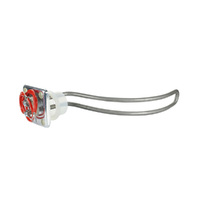
Watch Hotwater Element Duraloy 1800W | HWDS-18 video
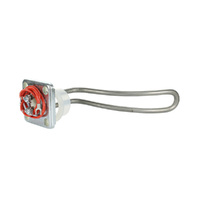
Watch Hotwater Element Duraloy 2400W | HWDS-24 video
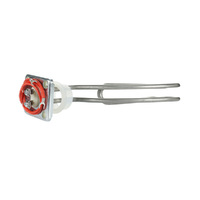
Watch Hotwater Element Duraloy 3600W | HWDS-36 video

Hot water system failed, l checked it, the element was blown, ordered a replacement same day, picked it up next morning, system was hot enough to shower that day, easy! Great service and price was even better, really happy with result
Recovery time depends mainly on the kilowatt rating rather than the alloy, but a reliable element helps maintain consistent performance.
You can find Hot Water Dur-Alloy Elements through Sparky Direct, offering Australia-wide delivery and access to trade-trusted electrical products.
Returns depend on the supplier’s policy and whether the product is unused and in original condition.
Most reputable brands offer a manufacturer’s warranty, with terms depending on the product and usage conditions.
Some are supplied with basic seals, but this varies by manufacturer and should be confirmed before purchase.
You should match the element’s kilowatt rating, flange type, and length to your hot water system’s specifications.
Installation or replacement should always be carried out by a licensed electrician or plumber, depending on the system requirements.
Yes, they are designed for use in domestic hot water systems supplying potable water.
Energy efficiency is primarily determined by system design and insulation, but a properly functioning element supports efficient operation.
Yes, when correctly sized, they are suitable for families and high-demand applications.
No, they operate silently, like other electric hot water elements.
While it does not control water quality, its corrosion resistance can reduce issues linked to element degradation.
They can reduce the frequency of element replacement, but regular system servicing is still recommended.
Dur-Alloy elements are electric hot water heating elements made from a corrosion-resistant alloy designed to heat water efficiently while withstanding harsh water conditions.
Yes, they are often chosen in hard-water regions because they cope better with mineral buildup.
Dur-Alloy elements offer better resistance to corrosion and scale, which can mean fewer failures and more consistent hot water.
Yes, installation or replacement of hot water elements must be carried out by a licensed electrician or plumber in accordance with Australian regulations.
Dur-Alloy elements are designed for storage-type electric hot water systems, not gas or electric continuous flow units.
While no element is completely scale-proof, Dur-Alloy materials can be more resistant to damage caused by scale compared to standard elements.
Yes, Dur-Alloy elements are often suitable for stainless steel tanks, provided they are approved by the tank manufacturer and correctly matched.
Most electric storage hot water systems can use Dur-Alloy elements, but compatibility should always be confirmed against the tank manufacturer’s specifications.
They are available in various lengths and wattages to suit different storage tank sizes and heating requirements, typically ranging from lower wattage domestic units to higher output options.
Quality Dur-Alloy elements are manufactured to meet relevant AS/NZS requirements for electric water heating components when installed correctly.
Yes, Dur-Alloy elements are commonly used across Australia and are designed to handle a wide range of local water qualities, including mineral-heavy supplies.
Dur-Alloy offers improved resistance to corrosion and scaling, making it suitable for areas with hard or aggressive water where copper elements may fail prematurely.