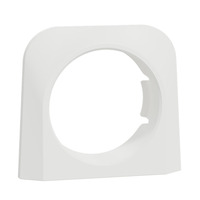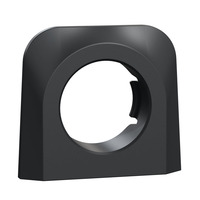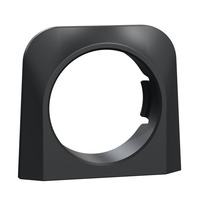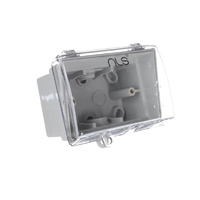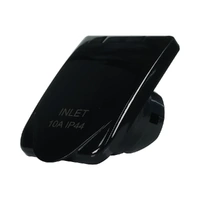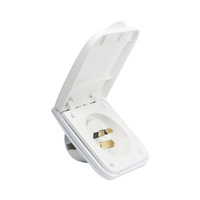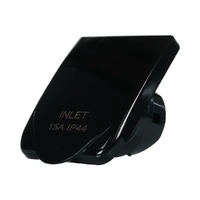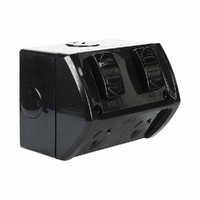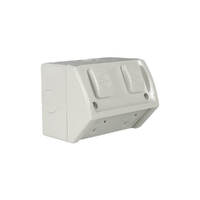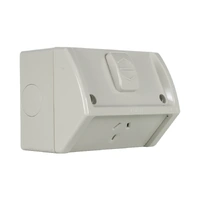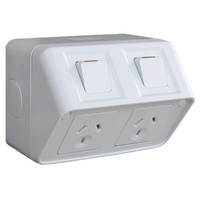

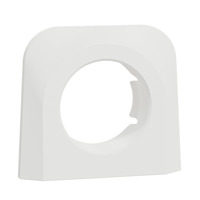

2 Pack
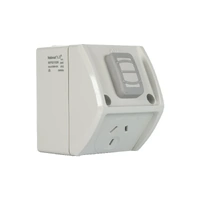
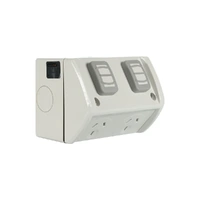
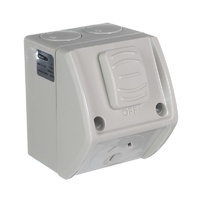
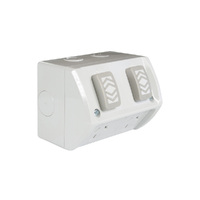
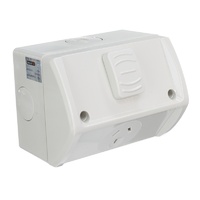
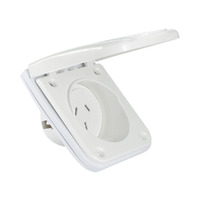
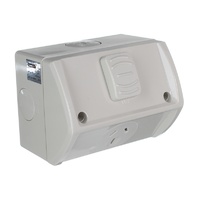
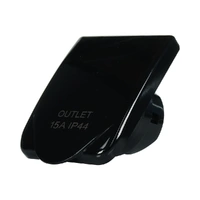
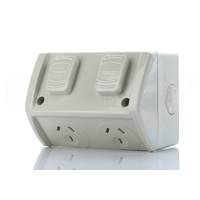
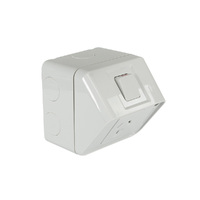
CLIPSAL Iconic O3000CE-20 | Outdoor Conduit Cover Entry 20mm | White | 2PK
$6.90
$6.27 ex. GST
Search Results:
Search Results:
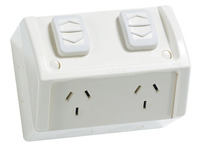
Find the best weatherproof power points here at Sparky Direct. [ Read More ]
A weatherproof power point is an outdoor-rated socket outlet built to protect electrical connections from moisture, dust, debris, UV exposure and physical impact. Australian electricians use several terms interchangeably for the same product family: weatherproof GPO, outdoor power point, weatherproof socket outlet, IP-rated outlet and outdoor GPO.
The difference between weatherproof and standard indoor units is structural. A weatherproof unit uses sealed covers, impact-resistant enclosures, UV-stabilised plastics, water-resistant gaskets and a certified ingress protection rating. A standard indoor GPO has none of these protections and will fail when installed in an exposed location.
Typical residential applications include patios, decks, pergolas, pool areas, garden zones, garages, carports, sheds, outdoor kitchens, workshops, exterior walls and semi-exposed wet areas. Trade and commercial uses extend to workshops, warehouses, loading bays, outdoor events, hospitality venues and maintenance areas.
Product selection depends on exposure level, wet area zone classification, load requirement, RCD protection and installation conditions. Pool and spa zones require a licensed electrician to assess the specific zone before any product is chosen.
Standard indoor GPOs are not suitable for exposed outdoor installation. They lack the sealed cover, gasket and certified IP rating that define a weatherproof outlet. Installing a standard GPO outdoors will void warranty, breach the Wiring Rules and create a real risk of water ingress, corrosion and electrical fault.
The word "weatherproof" alone is not a specification. Confirm protection through the certified IP rating, the Regulatory Compliance Mark (RCM) and the manufacturer's datasheet before ordering.
| Feature | Standard Indoor GPO | Weatherproof GPO |
|---|---|---|
| Cover | None | Hinged, flap or in-use cover |
| Gaskets and seals | None | Water-resistant gaskets at all entries |
| Housing | Indoor plastic | UV-stabilised, impact-resistant |
| Certified IP rating | Not rated for water | IP44 to IP66 typical |
| Suitable for | Dry indoor walls | Patios, gardens, workshops, exposed walls |
An IP rating is a two-digit code. The first digit covers protection against solids and dust. The second digit covers protection against water ingress. Both digits matter, and a higher number is not always required: the right rating is the one matched to the installation site.
A higher IP rating does not replace correct installation. Sealed cable entries, correct conduit fittings and RCD protection are still required regardless of the rating on the outlet itself.
Use the installation site as the starting point. A covered patio or veranda typically needs IP44 or above, subject to site assessment. An exposed wall, deck or garden zone usually calls for IP55, IP56 or higher depending on direct rain exposure. Pool, spa and wet area zones require a licensed electrician to confirm AS/NZS 3000 requirements before product selection.
Coastal and high-humidity locations need UV-stabilised, corrosion-resistant products with robust seals. Industrial, marine or wash-down areas commonly use IP66 or higher industrial outlets and IP66 3-pin industrial socket combinations rather than residential GPOs.
Not all products labelled weatherproof provide the same certified protection. The marketing word is not a specification. Check the IP rating, RCM compliance, the relevant AS/NZS certification, the warranty and the supplier support before ordering project quantities.
Compliant Australian-supplied products from established brands are the safer long-term value choice. Non-certified products with unclear approvals create installation risk and rework cost that quickly outweighs any unit price saving.
Hinged covers are the standard on residential outdoor outlets. The lid drops over the socket face when nothing is plugged in. Flap or shutter designs protect individual outlets within a single faceplate.
In-use covers are deeper, hinged enclosures that close around a plug while it remains connected. They suit equipment that stays plugged in outdoors, such as pool pumps, garden lighting transformers, irrigation controllers and outdoor fridges. In-use covers maintain a sealed enclosure during operation, not just at rest.
Outlet count is the most common selection decision after IP rating. Match the count to the actual load, not just the convenience of extra sockets.
Extra outlets do not increase the safe current capacity of the circuit. A double GPO on a 10A circuit still has a 10A total limit shared across both sockets, not 10A per socket.
Surface mount weatherproof boxes are common for retrofits, sheds, garages, exterior walls and conduit-fed installations. The outlet body sits proud of the wall, with cable entries at the back, top, bottom or sides. Weatherproof boxes and mounting blocks are typically used with these outlets.
Flush mount options provide a cleaner finish in new builds and renovations where wall cavity access is available. The finished IP performance depends on both product design and installation quality. Cable seals, conduit entries, rear entry sealing and wall surface condition all affect the end result.
A complete outdoor installation usually needs more than just the outlet. Weatherproof wall plates, outdoor switch mechanisms, cable glands, conduit fittings, junction boxes, connectors, plugs and enclosures all need to match the environmental requirements of the power point.
Useful supporting categories include weatherproof switches, cable glands, electrical conduit, plug tops and extension sockets, junction boxes, circuit breakers and outdoor lighting. Specify these to the same exposure rating as the outlet itself.
Site assessment drives every other decision. Consider rain exposure, irrigation, dust, UV, salt air, physical impact, heat, chemicals, insects and wash-down activity. Queensland, coastal and northern Australian conditions can shorten the life of low-grade products through UV degradation, humidity and corrosion.
Pool and spa areas always require zone assessment by a licensed electrician before any product selection. AS/NZS 3000 sets specific zone classifications around water, and the wrong product in the wrong zone is non-compliant regardless of its IP rating.
Most residential outdoor outlets are 10A units suitable for general use such as lighting, small tools and seasonal equipment. Higher-draw equipment may need dedicated circuits and 15A outlets: outdoor fridges, larger pumps, heavy-duty tools, pressure cleaners, outdoor kitchens, workshop equipment and temporary event gear.
Cable size, protective device rating, RCD protection and appliance load must be assessed together by a licensed electrician. Selecting a 15A outlet on a 10A circuit does not increase the safe load. The protective device, the cable and the outlet all need to match.
Useful comparison points include IP rating, current rating, outlet count, RCD protection, cover type, mounting style, UV resistance, corrosion resistance, cable entry method, brand, warranty, RCM compliance, and conduit and gland compatibility. Electricians should check datasheets before ordering project quantities, especially where multiple units must look and seal the same way across a build.
Installation, replacement and connection of fixed outdoor power points must be performed by a licensed electrician. Homeowners may purchase weatherproof products, but cannot legally install or wire them into fixed electrical installations.
A licensed electrician confirms circuit capacity, protective devices, mounting location, wet area zones, cable routes and certificate requirements before any work starts. Sparky Direct ships to both trade and retail customers, but the installation itself remains a licensed task.
Two standards apply directly. AS/NZS 3000 (the Wiring Rules) governs outdoor electrical installations. AS/NZS 3112 covers socket outlets and plugs. Outdoor socket outlets require RCD protection in line with current Australian requirements.
Switchboard RCD or RCBO: the most common method, protecting the entire outdoor circuit at the switchboard.
Integrated RCD outlets: available in some weatherproof ranges where local protection is preferred.
Portable RCDs: used for temporary outdoor power where fixed protection is not yet installed.
These notes are high-level only. A licensed electrician will assess correct product rating, secure mounting surface, suitable cable entry sealing, correct orientation, cover clearance, physical protection, testing and certification before energising the outlet.
Poor installation can compromise the IP rating even when the product itself is correctly rated. A weatherproof outlet with an unsealed cable entry behaves like an indoor outlet exposed to rain. The cover seals the front, but water still enters at the back.
Symptoms include corrosion inside the cover, water marks, nuisance RCD tripping, intermittent operation and degraded seals. The root cause is usually a product rated for splash protection installed in a direct-rain or high-pressure location.
When replacing a failed unit, assess whether the original product was suitable for the location. Specify a higher IP-rated unit where exposure is uncertain or where the previous outlet failed early.
Many weatherproof failures occur at cable entries rather than the socket face. Water enters through an unsealed gland, a missing rear gasket or a poorly fitted conduit, then collects inside the enclosure. The outlet itself can be IP66 and still fail this way.
The fix is correct accessory matching: weatherproof cable glands, UV-rated conduit, sealed entries and rear sealing matched to the outlet's specifications. Cheap or mismatched glands are a leading cause of repeat callbacks.
Outlets mounted too low to the ground risk flooding from heavy rain, lawn irrigation and garden equipment. Outdoor kitchens, pool equipment and garden beds need careful placement away from water sources and impact zones.
Consider accessibility for everyday use, plug clearance with the cover open, and cable reach to the typical appliance position. Awkward mounting often leads to extension lead use, which defeats the purpose of installing a fixed weatherproof outlet.
Weatherproof protection does not increase electrical capacity. Overload risk rises when a single outdoor circuit feeds heaters, fridges, tools, pumps, lighting transformers and event equipment at the same time.
Where extra circuits or dedicated outlets may be required, get a licensed assessment. Adding more sockets to one circuit increases the risk of nuisance tripping or thermal failure, not the available power.
Cable glands are fittings that seal cable entry points and provide strain relief. The correct gland matches the cable diameter, the entry thread size, the IP rating of the enclosure and the UV exposure at the site. A loose or mismatched gland is the most common point of water ingress on a weatherproof outlet.
Match glands and connectors to the outlet specification. Cable glands are available across the full diameter range, and conduit fittings cover compatible accessories for sealed entries.
Weatherproof electrical enclosures are protective boxes for terminations, switches, relays and outdoor accessories. They keep splice points, control gear and accessories dry and protected from impact.
General junction boxes suit dry-rated terminations. IP65 and IP66 electrical enclosures handle exposed outdoor use. Specialist IP67 enclosures are used where temporary immersion protection is required, such as low-mounted irrigation control or in-ground installations. Conduit junction boxes are sized to match standard conduit diameters.
Outdoor plugs and temporary power solutions cover events, sites and short-term needs. Permanent outdoor power requires correctly installed weatherproof outlets, not long-term extension lead use. Extension leads run from indoor outlets are a fire and trip hazard outdoors, and breach normal site safety practice.
For temporary or industrial connections, IP66 3-pin industrial outlets and sockets pair with IP66 key lockable isolator switches for site distribution boards.
Outdoor power and outdoor lighting are usually specified together. LED floodlights, outdoor wall lights, sensor lights and weatherproof batten lights all need IP ratings matched to their installation locations.
For harsh coastal sites, marine grade floodlights use corrosion-resistant housings rated for salt air. Treat lighting, power outlets, junction boxes and cable accessories as a complete outdoor electrical system rather than separate decisions.
Price differences across weatherproof outlets reflect real spec differences. The main drivers are IP rating, cover type, UV resistance, housing material, integrated RCD, brand reputation, warranty, heavy-duty sealing, and smart or timer capability.
The Australian weatherproof market is led by a handful of established manufacturers. Clipsal covers the largest installed range including the Iconic Outdoor and 56 Series industrial families. HPM and Legrand share strong residential and commercial coverage. PDL is widely specified in commercial fitouts.
NHP Electrical, Eaton and Hager cover industrial and switchboard-grade products including Hager weatherproof GPO and Clipsal weatherproof GPO ranges. CABAC supplies accessories that match across brand platforms. Brand selection often follows existing system compatibility, warranty terms, availability and the specifier's preferred wholesaler.
Online wholesale buying suits trade buyers and serious DIY clients planning a project. Benefits include a wider range than most physical stores, transparent pricing, faster access to stock, easier comparison of IP ratings and datasheets, and reliable delivery to regional sites.
Sparky Direct stocks both trade and retail access, sources compliant Australian products, dispatches quickly and carries breadth across major brands. The product page for any weatherproof outlet shows the IP rating, brand, current rating and supporting documentation in one view.
The right product depends on the location. The most common residential placements have well-established answers.
Value on outdoor work is judged by compliance, lifespan, rating suitability and reduced rework, not unit price alone. A cheap outlet that fails in two years and triggers an insurance claim costs far more than the difference at purchase.
Group weatherproof GPOs with the supporting items in a single procurement list: weatherproof power points, cable glands, junction boxes, conduit fittings, RCD protection and weatherproof switches. Buying as a project saves shipping and ensures matched specifications across the installation.
Cheap and cheapest search terms are common, and legitimate when the buyer wants safe affordability. The frame to use is certified, compliant, suitable IP rating, known brand and Australian supplier, not lowest sticker price.
Non-compliant products with unclear approvals, no warranty and no local support are a false economy. They fail more often, cause more callbacks and put the installing electrician's compliance certificate at risk. Stick to RCM-marked products from established brands sold through Australian wholesalers.
Weatherproof sockets use a combination of covers, gaskets, shutters, sealed cable entries, drainage channels, UV-stabilised housings and certified IP-rated enclosures. Each element contributes to the overall rating.
Protection depends on the cover being closed when not in use, seals being intact, and conduit entries being correctly installed. A damaged hinge or perished gasket can drop the effective IP rating well below the printed spec.
Common warning signs include cracked covers, loose lids, damaged hinges, brittle plastic, corrosion on metalwork, water marks inside the cover, buzzing, heat at the outlet, burning smell, repeated RCD trips and loose plug fit.
Isolate the affected outlet at the switchboard and contact a licensed electrician where faults, heat or water ingress are suspected. A weatherproof outlet showing water inside is not a clean replacement: the cable, the gland and the circuit may all need inspection.
Quick visual checks after storms, nearby pressure cleaning, landscaping work and coastal weather exposure catch most issues early. Look at the cover, the hinge, the visible cable entry and the wall surface around the outlet.
Avoid pressure washing directly at outdoor outlets, even rated ones. The water jet pressure can exceed the test conditions for the IP rating. Include outdoor GPOs and weatherproof boxes in routine property maintenance inspections alongside lighting and switchboard checks.
Club Clipsal is Australia's largest electrician community offering trade rewards, business support, and exclusive benefits. When you nominate Sparky Direct as your preferred wholesaler, we automatically apply your Clipsal spend points to your Club Clipsal account daily.
Entry-level offering coaching, mentoring, and training discounts
Unlock exclusive industry tools and networking events
Access Toyota fleet offers and business software discounts
Maximum benefits, including VIP experiences and rewards
1. Sign Up: Create your Club Clipsal account at clipsal.com/club-clipsal or via the iCat mobile app
2. Nominate Sparky Direct: Select Sparky Direct from the wholesaler dropdown menu in your profile
3. Add Email: Enter your Sparky Direct account email address in the membership number field
4. Start Earning: Every dollar spent on Clipsal products earns points automatically
Redeem points from the rewards store, including gift cards, tools, and experiences. Access business summits, product training, and industry networking events. Receive early access to new product launches and special promotions. Connect with fellow electricians via the Club Clipsal community app.
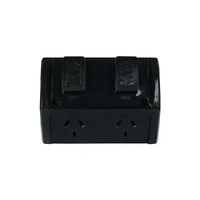
Watch CLIPSAL Iconic O3025-BK | Double Weatherproof Power Point 10amp | Black | IP54 video
Watch Clipsal O3025-XW-10Bundle | Iconic Weatherproof Double Power Point 10amp | White | IP54 | 10 Bundle video
Watch Clipsal O3025-XW-10Bundle | Iconic Weatherproof Double Power Point 10amp | White | IP54 | 10 Bundle video

This has to be one of the best designed products I have ever installed. Clever waterproof seals throughout and multiple cable entry points. Also, the design has the sockets facing outward and not down making plugging in devices much easier rather than having to crouch down to see the slots. Just one note, devices need to have an earth pin to open the shutter so phone chargers will need to be plugged into an extension lead or plug board
Nice modern addition to the weather proof gpo that are available, these are quick to install and look fantastic in an outdoor veranda entertainment area, the modern styling fits in with new home builds and are easy for the home owners to use without having to fumble looking to plug in an appliance like with the downward facing standard use outdoor gpo
Excellent choice for the carport power point. Needed a power outlet for the carport to plug the car accessories etc into. This unit is cheap to purchase but a quality product. Switches have that expensive feel about them and it looks great on the wall. Fully weatherproof will withstand anything the south Queensland weather system throws up to it.
Quality products in stock • Fast Australia-wide delivery • Competitive trade pricing
Browse Weatherproof Power Points → Get Expert Advice →A weatherproof GPO is a power point built for outdoor use.
An IP rating indicates how well a power point is protected against water and dust. The higher the number, the better the protection.
Most Australian homes need IP54 for outdoor power points.
Weatherproof power points must be:
Your electrician will know the exact rules and ensure everything is safe and compliant.
Yes. An RCD is a safety switch that cuts power in a split second if water or a person touches the electricity.
It's like a superhero for outdoor power - it stops electrocution before it happens.
All outdoor power points in Australia must have RCD protection. It's the law, not optional.
No. You cannot install it yourself. It's illegal in Australia and extremely dangerous.
Only a licensed electrician can do it.
It costs $200-400 to install, which is worth it for safety.
Trying to do it yourself could kill you, void your insurance, and get you in legal trouble.
Regular power board: Designed for indoors. Gets damaged by water. No safety protection. Dangerous outside.
Weatherproof GPO: Sealed and protected. Has a safety switch on the circuit. Safe for wet areas.
For a pool, you need at least IP65. This is because pools have splashing, humidity, and chemicals that damage power points. Higher protection = safer
Zone 1: Within 2m horizontally from the edge of the pool/spa, up to 2.5m high IP65 (protected against water jets) GPOs are only permitted for pool equipment (e.g., pumps), must be IP65 rated, and protected by a safety switch (RCD).
Yes, you can, but you don't need to. Weatherproof GPOs are more expensive and designed for outdoor use.
For indoor use, standard power outlets are fine and cheaper.
Only use weatherproof GPOs indoors if the room is consistently wet (e.g., a bathroom or laundry room).
A weatherproof GPO typically lasts 10-15 years with proper care.
It lasts longer if you:
A standard Australian weatherproof GPO can handle 2,400 watts (10 amps).
Think of it like a water pipe - it can only handle so much water flowing through before it overflows.
Don't plug in too many powerful devices at once.
Examples:
Add them up, and don't exceed 2,400W.
Single GPO = One power socket. Cheaper. Good if you only need one device plugged in.
Double GPO = Two power sockets. Costs a bit more. Good if you need two devices plugged in at the same time.
For a pool area, you might use a single for the pump and a double for lights and heating.
Best brands (premium):
Good mid-range brands:
Budget-friendly:
All are safe and legal.
First, check if the safety switch (RCD) has tripped:
If that doesn't work:
Don't try to fix it yourself.
Total cost is usually $200-400, including:
It's a small cost for safety. Don't try to save money by doing it yourself - it's not worth the risk.
New building rules in 2026 mean electricians plan for future needs: