
Search Results:
Search Results:
Search Results:
Search Results:
Safety goggles reduce eye exposure to hazards that ordinary eyewear cannot block. They suit electricians, construction workers, maintenance teams, workshops, laboratories, cleaners, landscapers, and informed DIY buyers. Goggles are a PPE choice, not a substitute for safe work methods or a full site risk assessment.
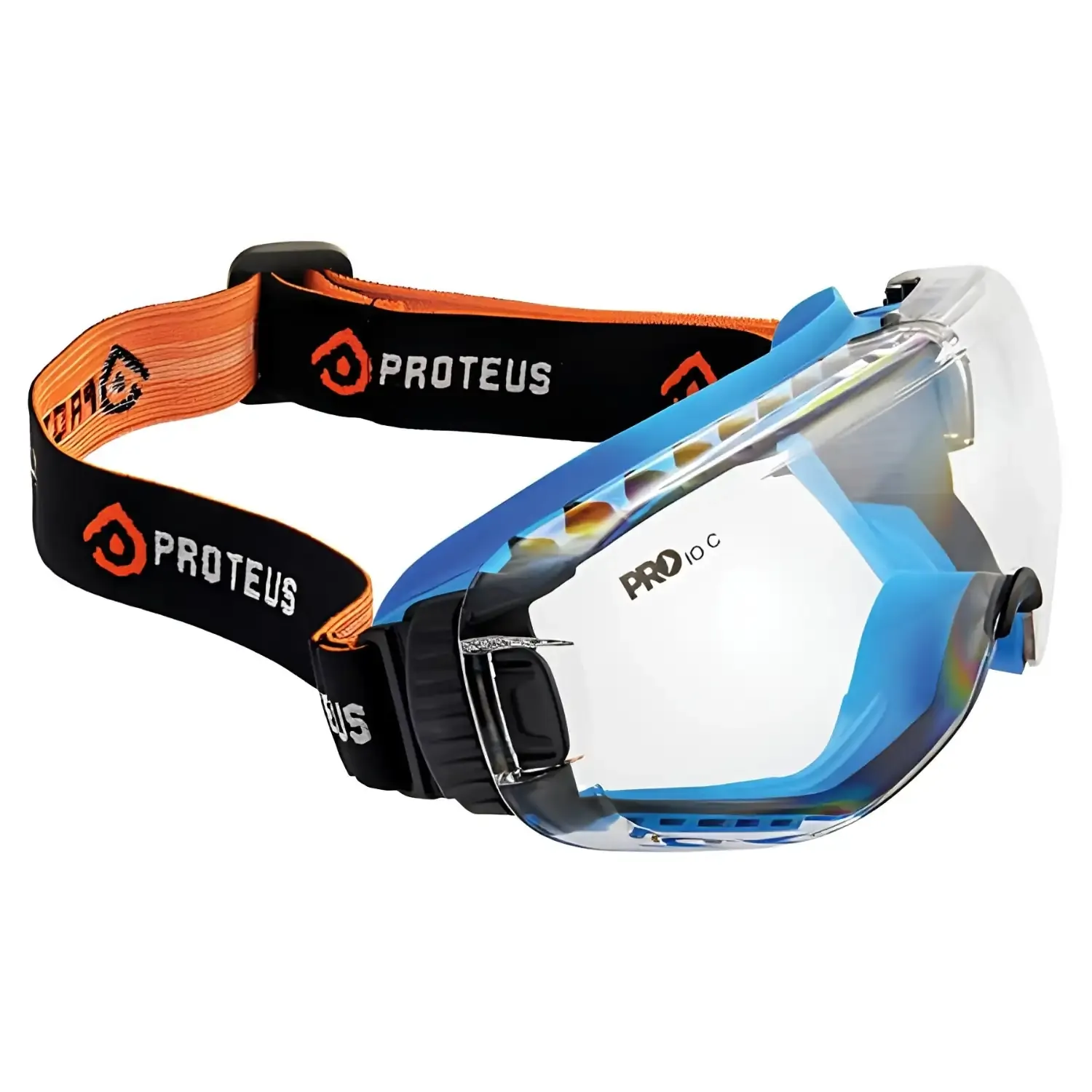
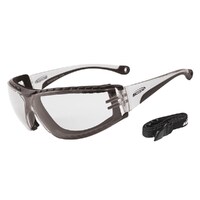
Safety goggles form a closer seal around the eyes than standard safety glasses. They are used across industrial, electrical, construction, laboratory, workshop, and renovation environments. Common features include clear lenses, anti-fog coatings, adjustable straps, flexible frames, and indirect ventilation.
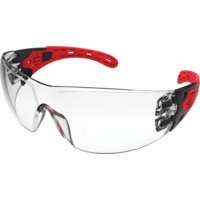
Goggles offer sealed coverage with side protection. Standard safety glasses suit general impact protection where splash, fine dust, or airborne particle risk is lower. Goggles are preferred where dust, liquid splash, chemical mist, grinding debris, or airborne contaminants may reach around the lens edge.
Many eye hazards occur suddenly and can cause permanent vision damage. Fast-moving debris, dust, chemical splash, arc-related indirect hazards, wind-blown particles, and jobsite contaminants all reach the eye in fractions of a second. Practical trade contexts include electrical fit-offs, switchboard work areas, drilling, cutting nearby, ceiling spaces, roof spaces, plant rooms, and dusty renovation sites.
The best goggles depend on the hazard type, not on price or appearance alone. A short decision framework covers impact, dust, splash, fogging, UV exposure, prescription eyewear, and all-day comfort.
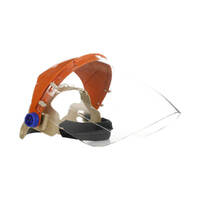
Impact-resistant goggles suit drilling, cutting, grinding nearby, demolition, chasing, sanding, and overhead work. Higher-risk tasks may also require a face shield in addition to goggles, depending on the site risk assessment. Goggles alone are not sufficient for every high-energy hazard.
Dusty environments include ceiling cavities, insulation work, masonry drilling, plasterboard sanding, timber cutting, and general construction cleanup. A secure seal is valuable when particles are fine enough to bypass ordinary glasses. Tradies working in dusty conditions benefit from indirect-vent goggles with anti-fog lenses. Pair goggles with the right masonry drill bits and dust-control habits where the work creates fine particles.
Chemical splash protection requires goggles designed for liquid exposure, not just general impact eyewear. Relevant contexts include laboratory work, cleaning, maintenance, battery areas, plant rooms, and industrial fluids. Chemical tasks may require goggles plus face protection, gloves, respiratory protection, or other PPE as determined by the SDS and site procedure.
Clear lenses suit most indoor and low-light work, while tinted lenses can improve comfort outdoors. Consider sunlight, glare, roof work, switchboard enclosures in exposed areas, solar-adjacent work, and daytime inspections. Match lens tint to visibility and hazard needs, not to the darkest option available. Smoke-tinted safety goggles reduce glare; clear safety goggles remain the default for indoor electrical work.
Lens clarity, anti-fog performance, ventilation, tint, and prescription compatibility all shape how well a worker can see and stay protected. Clear vision is a safety feature in its own right, especially for electricians who wear PPE for long periods.
Clear safety goggles are the default for workshops, construction interiors, electrical fit-offs, switchboard areas, and low-light environments. Optical clarity matters when reading labels, cable markings, test instruments, terminal numbers, and installation notes. Replace lenses or goggles when scratches reduce visibility.
Fogging happens when warm, moist air is trapped around the lens. Anti-fog coatings, indirect ventilation, fit, and airflow all reduce fogging. Anti-fog goggles are worth the extra cost for active work, humid conditions, roof spaces, plant rooms, and all-day wear where removing goggles creates risk.
Direct ventilation, indirect ventilation, and non-vented designs each suit different tasks. Vented or indirect-vent goggles offer comfort and fog reduction where splash risk is controlled. Non-vented or splash-rated designs suit liquid or chemical exposure. Ventilation can affect splash or fine-particle protection depending on the design.
Some workers can wear prescription glasses under safety goggles. Over-glasses goggles need enough internal clearance without disturbing the seal. Check frame size, temple pressure, strap adjustment, and compatibility with respirators or helmets. Prescription safety eyewear is an alternative where standard goggles are uncomfortable or seal poorly over glasses.
Compliant PPE must be selected according to the task and workplace risk assessment. Australian buyers should check product markings, certification claims, and supplier documentation before use in regulated workplaces.
Workplace eye protection in Australia is generally assessed against AS/NZS 1337.1 for eye and face protectors. Specific markings and protection levels depend on the product and intended use. Some specialised applications may involve additional standards or site-specific PPE requirements.
Look for visible product standard or compliance claims, a lens and frame rating suited to the hazard, clear manufacturer or supplier details, and fit that matches the worker. Buyer checklist:
Avoid unverified low-cost eyewear where compliance cannot be confirmed. Reputable Australian suppliers list standards and product information openly.
Employers and contractors may specify exact PPE types based on a site risk assessment. Chemical handling should be checked against the SDS and site PPE procedure. PPE choice can vary between general inspections, drilling, cutting, dusty ceiling work, and chemical tasks.
Electrical trade scenarios that often need goggles include switchboard work areas with dust or loose debris, drilling masonry, timber, or metal enclosures, and working near other trades cutting, grinding, or sanding. Ceiling spaces, roof spaces, plant rooms, and dusty renovations also call for sealed eyewear. Electrical work must follow isolation, testing, PPE, and site safety procedures.
Comfort is a compliance and productivity factor. Goggles that hurt or fog up get pushed onto the forehead, defeating their purpose. All-day wear, lightweight designs, strap adjustability, face seal, helmet compatibility, and respirator fit all matter.
Lightweight goggles suit site inspections, maintenance walk-throughs, electrical testing support tasks, and general trade work. Soft frame materials, well-padded seals, and balanced lens weight reduce pressure points. Lightweight goggles still need to match the task hazard.
A poor seal compromises protection against dust, splash, and particles. Adjustable straps, flexible frames, and compatibility with different face shapes all help close gaps around the nose and cheek area. Check fit before entering the work area.
Goggles often need to work alongside hard hats, respirators, dust masks, earmuffs, and face shields. Check that one item of PPE does not lift, loosen, or compromise another. Pair goggles with compatible ear protection for noisy worksites, and consider matching work gloves for the rest of the PPE kit. Dusty and chemical environments often pair goggles with respiratory protection.
Crews benefit from a standardised goggle model, with alternatives for prescription users or different face shapes. Buying guidance covers pack quantity, spare stock, replacement frequency, and task-specific options. Keep replacement goggles on site so damaged or scratched eyewear is not reused.
Goggles and glasses are not interchangeable. The right choice depends on the task, hazard mix, and how long the worker stays in the exposure zone.
| Feature | Safety Goggles | Safety Glasses |
|---|---|---|
| Seal around the eyes | Closed seal, side coverage | Open frame, side gaps |
| Dust and fine particles | Better protection | Limited protection |
| Liquid splash | Better protection (sealed designs) | Not recommended |
| Weight and airflow | Heavier, less airflow | Lighter, more airflow |
| Typical use | Dusty, splash, grinding-adjacent work | General impact, inspections, drier tasks |
| Comfort for short tasks | Heavier on the face | Easier to wear intermittently |
Choose goggles for dusty work, splash risk, fine airborne particles, chemical handling, grinding-adjacent tasks, overhead work, and higher-exposure renovation environments. The sealed design is the main advantage. Goggles are often the safer choice when hazards may reach the eye from multiple directions.
Choose safety glasses for general site inspections, lower-risk impact protection, dry indoor work, and tasks requiring more airflow. Benefits include lower weight, reduced heat build-up, easier intermittent use, and better comfort. Many crews stock both so workers can match protection to the task.
Goggles offer a better seal, particle coverage, and splash protection in dusty or wet conditions. Glasses are lighter, with better airflow, and suit general impact tasks. Drilling overhead into masonry favours goggles; a general walk-through inspection often suits glasses.
Good care keeps lenses clear and seals working. Poor cleaning methods scratch lenses or strip anti-fog coatings, which then need replacing earlier than expected.
Rinse or gently remove loose dust before wiping. Use a soft microfibre cloth or a manufacturer-approved lens cleaning wipe. Avoid abrasive cloths, harsh solvents, dry wiping of heavy dust, and household cleaners that can damage coatings. Let goggles air-dry before storage.
Harsh cleaning reduces anti-fog performance. Store goggles in a pouch or clean compartment, not loose in a toolbox where the lens can rub against tools. Replace goggles once scratches, haze, or coating wear affect visibility.
Replace goggles when lenses are scratched, cracked, hazy, or distorted. Replace them when straps stretch, seals split, vents clog, or the frame no longer sits correctly on the face. Replace after significant impact or chemical exposure where product integrity may be compromised.
Matching protection, comfort, and value to the job avoids common buying mistakes. The cheapest goggle is rarely the best value across a year of use.
Start with the task: inspection, drilling, cutting nearby, dusty ceiling space, outdoor work, or chemical-adjacent maintenance. Match lens type, seal, ventilation, and comfort to the work environment. Compliant, clear, anti-fog, well-fitting goggles suit most trade environments where dust and debris are present. PPE selection should follow workplace procedures and the hazard assessment. Keep electrical test equipment and hand tools rated for the task as well.
Prioritise a sealed fit, indirect ventilation, anti-fog lens, comfortable strap, and a durable clear lens. Typical contexts include ceiling spaces, renovations, masonry drilling, plaster sanding, timber cutting, and switchboard install areas. Avoid poorly sealed eyewear when fine dust is present.
Cheap safety goggles may suit lower-risk DIY or short-duration work, but only if they meet relevant standards and fit properly. For crews, compare compliance, comfort, anti-fog performance, replacement availability, and pack quantities rather than unit price alone. Available Maxisafe, 3M, MMS Safety, Volt Safety, and LINQ Height Safety ranges cover most trade and commercial requirements.
Watch Maxisafe EBR331 | Eye Protection - Texas Smoke Safety Glasses video
Watch Maxisafe EDE307 | Eye Protection - Denver Smoke Lens Safety Glasses | Black Frame video
Watch Gloves - Maxisafe Premium Beige Rigger - Size 11 | GRP141-11 video

Great value gloves. Exactly what I needed at a great price and speedy delivery! Having used insulated gloves a lot in my career, I can recognise value! Cheers and thanks!
Awesome range of specialized electrical items on their catalogue. Rare find these days and a reasonable price for items purchased.
Very reliable work gloves, it does not have any signs of deterioration and damage for more than 4months now.
Quality products in stock • Fast Australia-wide delivery • Competitive trade pricing
Browse Safety Goggles → Get Expert Advice →