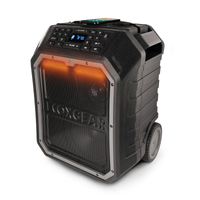

IP67
PRICE DROP
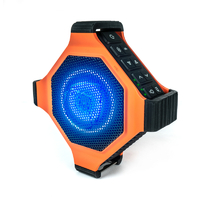
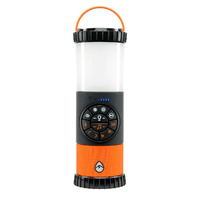
ECOXGEAR EXPLT501 | EcoPebble Lite Bluetooth Speaker | IP67
Now $24.95
$22.68 ex. GST
Search Results:
Search Results:
Find the best audio products and speakers here at Sparky Direct. [ Read More ]
This category brings together the components used to transmit, connect and reproduce sound in installed environments. The focus sits on cabling, terminations and wall hardware rather than consumer hi-fi reviewing. Australian electricians, AV installers, builders and facility managers use these parts to finish home theatre fit-offs, meeting room installs, retail background music systems and small event setups.
Stock available through Sparky Direct includes coax speaker cable, HDMI cables, patch leads and dedicated cable entry plates built for clean wall finishes. Brands carried include Matchmaster, Clipsal, Garland Cables and Bluetooth speaker maker ECOXGEAR.
A typical signal path moves from the source device, through a digital-to-analogue converter or mixer, into an amplifier, along cable, through a wall plate or connector, and finally to the speaker. Each link in that chain affects clarity, noise rejection and reliability.
Speaker wire carries amplified output to passive speakers. RCA and 3.5mm leads carry unbalanced line-level signal between consumer devices. XLR and TRS leads carry balanced signal for microphones, mixers and powered speakers. HDMI carries both video and digital audio in one connection. The right accessory in each role keeps the install quieter, easier to service and cleaner to look at.
No single speaker design suits every application. Room size, signal type, power requirement and installation method all change the answer. The split between passive, active and installed speakers is the first decision point on most jobs.
Passive speakers rely on an external amplifier to drive them. They are common in ceiling installs, wall-mounted home theatre setups and distributed audio systems where a central amp powers multiple zones. A typical example is the Trader Meerkat Speaker Set, which pairs an active master speaker with a passive partner driven through standard speaker cable.
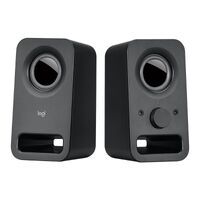
Active speakers contain their own amplification. They suit desktop use, studio monitoring and portable setups where mains or battery power is already on hand. Compact units like the Logitech Z150 multimedia speakers fall into this group. Powered Bluetooth speakers from ECOXGEAR extend the active category into outdoor, waterproof and portable formats for sites, sheds and trade vehicles.
Two-channel stereo remains the simplest format and still serves living rooms well. Soundbars consolidate front-channel audio into a single unit and often connect through HDMI ARC. Surround formats like 5.1 and 7.1 add side and rear channels for cinema-style placement. Multi-room audio extends the principle across the house with separate zone amplifiers, ceiling speakers and volume controls.
During renovation or new build rough-in, plan cable runs before plasterboard or cabinetry goes up. Speaker cable, HDMI runs, RCA pre-outs and optical lines all run easier through open framing than after the fact. HDMI cables and cable entry plates handle the visible connection points.
Commercial spaces prioritise clear speech, even coverage and reliable cabling over heavy bass output. Background music in retail, paging in warehouses, training room audio and meeting room voice reinforcement all benefit from distributed ceiling speakers fed by quality speaker cable. Larger commercial systems often need specialist AV design, and any fixed wiring must be carried out by a licensed electrician.
Cable choice determines signal quality, noise rejection and how well an installation holds up over time. The category covers speaker wire, RCA leads, XLR cables, HDMI runs and the connectors that terminate each one. Each format suits a different signal level and run length.
XLR connections carry balanced signal and suit microphones, mixers, powered speakers and any professional run where length or noise resistance matters. The three-pin design carries two signal conductors plus a ground shield, which cancels interference picked up along the cable.
RCA connections carry unbalanced signal and suit short consumer line-level runs. Home AV receivers, turntables and CD players all use RCA. The decision rule is simple: choose XLR for long runs or noise-sensitive professional signals, choose RCA for short consumer line-level connections.
Balanced audio uses two signal conductors plus a shield to reject hum and interference. The same signal travels on both conductors with one inverted, and any noise that lands on both gets cancelled at the receiving end. Long runs in noisy environments need this protection.
Unbalanced audio uses one signal conductor plus a shield. It is simpler and cheaper to terminate but picks up hum over distance. Common balanced formats include XLR and TRS. Common unbalanced formats include RCA and 3.5mm stereo leads.
Longer runs and lower-impedance speakers need thicker cable to keep voltage drop and power loss in check. Short domestic runs of three to five metres can use lighter speaker flex. Longer home theatre or commercial runs need a heavier gauge to deliver full power at the speaker terminal.
For in-wall or fixed installations, confirm cable rating, jacket type and run length against manufacturer guidance. Where fixed wiring is involved, a licensed electrician should assess the route, separation from mains and any cavity sharing issues.
Shielded cable matters most for low-level analogue signals running near dimmers, transformers, switchmode power supplies or three-phase wiring. The shield drains induced noise to earth and keeps it out of the audio signal. For speaker-level wire on short domestic runs, full shielding is rarely needed.
Gold plating resists corrosion at the contact surface. It will not improve sound quality on its own if the cable and termination are poor. Strain relief, correct connector type for the equipment, clean conductor stripping and secure termination matter more than the plating finish. Tools like quality wire strippers and a proper crimping tool pay back across every job they touch.
Wall plates create clean, durable connection points for AV cabling. They protect cable ends, separate signal lines from mechanical damage and make future equipment swaps easier. Sparky Direct stocks cable entry plates and AV wall plate outlets from Matchmaster, Clipsal and other established trade brands.
Common wall plate locations include behind wall-mounted TVs, inside AV cabinets, at projector mounting points and beside ceiling speaker zones. A combined plate with HDMI, speaker terminals and a brush feed-through covers most home theatre needs in one outlet. Matchmaster wall entry points handle the same job for bulk cable that needs to disappear into the cavity behind the screen.
Keep audio signal cables separated from mains wiring where required. Avoid sharp bends. Leave a service loop at each outlet for future changes. Label both ends of every run so the next person to open the wall does not have to guess.
Any work that involves fixed electrical wiring, wall cavities shared with mains cabling or switchboard-related changes should be carried out by a licensed electrician in accordance with AS/NZS 3000.
A wall-mounted audio outlet pulls together five things: the wall plate, the connector mechanism, a back box or mounting bracket, the cable termination and the device-side connection. Before ordering, confirm the connector type, cable size, mounting depth and that the chosen plate is compatible with the rest of the range on the wall. Mixing series across one wall rarely looks intentional.
Most audio noise problems come down to one of three causes: cable routing, termination quality or product selection. Sorting these out at the supply stage prevents most call-backs later.
Ground loop hum often comes from multiple earth paths, poor shielding, cable routing near power circuits, unbalanced long runs or equipment power differences. Where audible hum appears after installation, balanced connections, shorter analogue runs and properly shielded cables solve most cases. For persistent issues in installed systems, an assessment by a qualified AV technician or licensed electrician is the right next step.
Keep audio signal cables away from high-current power cables, transformers, dimmers and switchmode power supplies where the layout allows it. Where audio and power runs must cross, cross at right angles rather than running parallel. Test every run before closing the wall, and avoid cheap unshielded cable for any long analogue run.
Loose plugs, poor soldering, crushed cables and incorrect stripping cause crackling, drop-outs and channel imbalance. Quality wire strippers, a proper crimping tool, punch-down tools and continuity testers all reduce these faults. Electricians working repeat project jobs tend to standardise on one brand of connector and one bulk cable spec to keep terminations consistent across sites.
Matching the right components prevents distortion, overheating and equipment damage. This applies whether the system is a stereo pair in a living room or a distributed audio system across a venue.
Amplifier output, speaker power handling and impedance need to line up. A speaker rated at 8 ohms paired with an amplifier designed for 4 ohms can overload either side at full output. A small amp pushed too hard to drive a low-sensitivity speaker can clip and damage the tweeter. Manufacturer specifications give the safe operating window, and larger or higher-value installs benefit from AV-specialist advice up front.
| Use Case | Consumer Audio | Professional Audio |
|---|---|---|
| Typical environment | Living rooms, home cinema, streaming | Meeting rooms, venues, event spaces |
| Connection style | RCA, 3.5mm, HDMI | XLR, TRS, balanced lines |
| Cabinet design | Aesthetic, blended into the room | Robust, rigging-friendly, road-ready |
| Output level | Moderate, voice and music balanced | Higher output, full-range PA |
Professional gear is not automatically better for home use. It should match the environment. A pair of active studio monitors in a bedroom is a different choice from a passive in-wall ceiling speaker zone, and both are correct for their own setting.
Project work depends on cable type, connector type, wall plate style, cable length, environment, signal level and future serviceability. Electricians and AV installers working across multiple sites usually order bulk speaker cable and connectors to standardise terminations. Buying from a supplier with clear product specifications, consistent stock and trade-friendly delivery keeps the schedule predictable.
Domestic audio installs are commercially relevant for renovators, owner-builders and electricians fitting out new houses. The work centres on planning cable runs early and choosing finish hardware that suits the room.
A typical home theatre rough-in covers speaker cable to each surround position, an HDMI run from the AV cabinet to the screen, a subwoofer feed and an in-wall plate at the cabinet end. Plan these runs before the plasterer arrives. Once the wall is closed, fishing new cable through is slower and rarely as tidy.
Useful complementary categories include HDMI cables, cable management hardware and TV outlets at each viewing position.
Ceiling speaker zones need cable to each speaker location, amplifier channels assigned to each zone and volume control positions decided early. Where the install runs across multiple rooms, the electrician, AV installer and builder all need to be on the same drawing before any cavity gets closed up.
Best value usually means correct specification, durable plugs, suitable length and reliable terminations rather than the cheapest cable on the shelf. A heavier-gauge speaker cable that lasts the life of the house costs less per year than a thin one that needs replacing after a few years of full-power use. The same logic applies to wall plates, connectors and patch leads.
Commercial audio work covers meeting rooms, offices, training spaces, retail, hospitality and event setups. Trade priorities sit on clear speech, reliable signal paths and finishes that survive daily use.
Speaker cable to ceiling positions, AV wall plates near the presenter end and clean RCA or XLR adaptors at the equipment rack make for a tidy fit-off. Speech clarity and one-touch equipment connection rank higher than maximum output in these rooms.
Even coverage, discreet ceiling speaker placement and robust cabling are the three drivers. Background music systems run for hours every day, so cable termination quality and connector reliability decide how often a venue ends up calling for service. Businesses playing commercial music in customer areas should also confirm APRA AMCOS licensing requirements as part of their setup.
Event work relies on XLR cables, patch leads, powered speakers, cable reels and adaptors that survive being packed in and out repeatedly. These plug-in setups are different from fixed electrical installations. Where the work involves new fixed wiring, a licensed electrician should handle that portion of the job.
Online ordering suits sole traders, small electrical contractors and AV installers who need transparent pricing, predictable stock and fast dispatch. The trick is ordering the right specification first time.
Trade buyers tend to standardise on one connector range and one bulk cable spec to keep fit-offs repeatable across sites. The Sparky Direct range includes TV cable connectors, patch leads, data and phone accessories and TV and data tools. Brand options include Madison Technologies, 4Cabling and Belden alongside the Matchmaster and Clipsal lines already noted.
Cheaper products can be perfectly fine for short domestic runs, especially where the cable will not be flexed or moved after install. Commercial and in-wall installations justify higher-quality cable, connectors and plates because the cost of a callback exceeds the cost of the upgrade. Reliability, finish quality, serviceability and reduced fault rates are the right comparison points, not headline cable price.
Audio cabling often overlaps with wall cavities, mains proximity and fixed installations. Australian electrical safety rules apply whenever fixed wiring is involved.
Plug-in audio accessories like patch leads, RCA leads and powered speakers can be installed by end users. Fixed wiring, wall cavity work near mains, new wall plates that involve electrical work and any shared service pathway require a licensed electrician. Reference AS/NZS 3000 for Australian electrical installations.
Safety note: Sparky Direct does not provide step-by-step DIY instructions for any work that may involve electrical hazards. Where the job sits anywhere near mains, hand it to a licensed electrician.
Cable jacket ratings, wall cavity suitability, moisture exposure, UV exposure and mechanical protection all matter for installed audio runs. Outdoor or wet-area speakers and cabling need appropriate environmental ratings on the product datasheet. Check local compliance requirements before specifying anything for an outdoor application.
Stick with known brands, clear specifications, proper cable jackets, suitable connectors and supplier support that you can actually reach when something goes wrong. Avoid uncertified or poorly described marketplace products for installed audio infrastructure. Keep a record of product codes, run locations and test results for future maintenance.
Club Clipsal is Australia's largest electrician community offering trade rewards, business support, and exclusive benefits. When you nominate Sparky Direct as your preferred wholesaler, we automatically apply your Clipsal spend points to your Club Clipsal account daily.
Entry-level offering coaching, mentoring, and training discounts
Unlock exclusive industry tools and networking events
Access Toyota fleet offers and business software discounts
Maximum benefits, including VIP experiences and rewards
1. Sign Up: Create your Club Clipsal account at clipsal.com/club-clipsal or via the iCat mobile app
2. Nominate Sparky Direct: Select Sparky Direct from the wholesaler dropdown menu in your profile
3. Add Email: Enter your Sparky Direct account email address in the membership number field
4. Start Earning: Every dollar spent on Clipsal products earns points automatically
Redeem points from the rewards store, including gift cards, tools, and experiences. Access business summits, product training, and industry networking events. Receive early access to new product launches and special promotions. Connect with fellow electricians via the Club Clipsal community app.
Watch Trader MESPBT | Meerkat Speaker Set 30W 8 Ohm 6.5 Inch | 2 Speakers 1x Active / 1x Passive video
Watch Logitech Z150 | 6W Multimedia Speakers 2.0 | Black video
Watch Matchmaster 05MM-WP66 | 60mm Wall Entry Point For Audio and Video Cable Management video

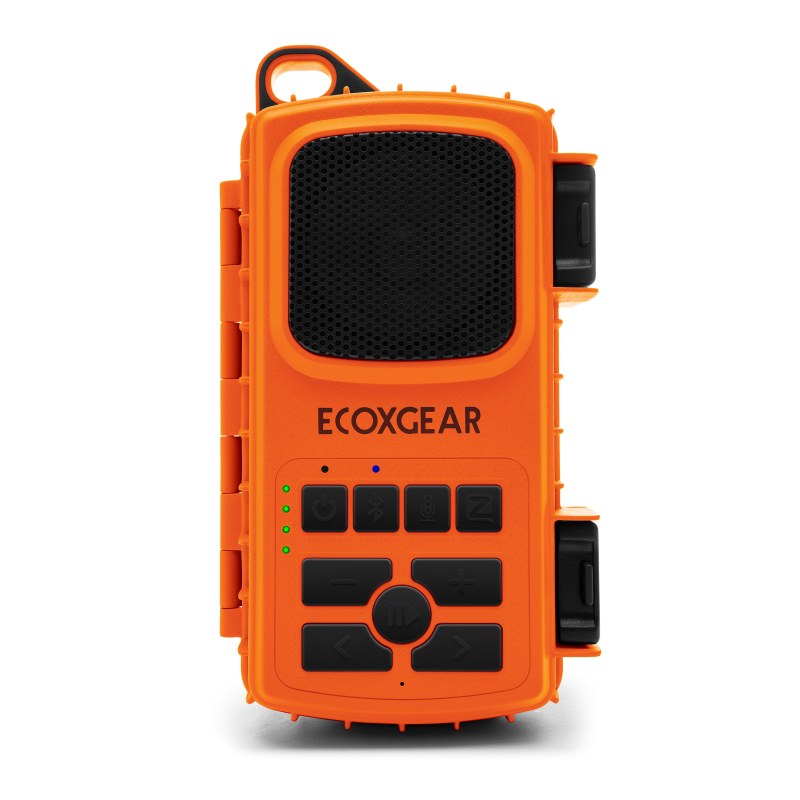
Exceptional audio quality!! My phone was protected the whole day safely inside the case. The waterproofing was great and kept the inside of the case completely dry. Loved the colour as it was easy to see and pairing the Bluetooth to my phone was fast and easy. Will recommend this product to my friends and family.
Easy to install. Sits nice & flush on the wall unlike all the others on the market which sit proud. Plenty of space & ease for cables to come through.
Used to deliver Hdmi and cat8 cabling to multiply point access in walls. Clean finish
Quality products in stock • Fast Australia-wide delivery • Competitive trade pricing
Browse Audio Products and Speakers → Get Expert Advice →