
Search Results:
Search Results:
Search Results:
Search Results:
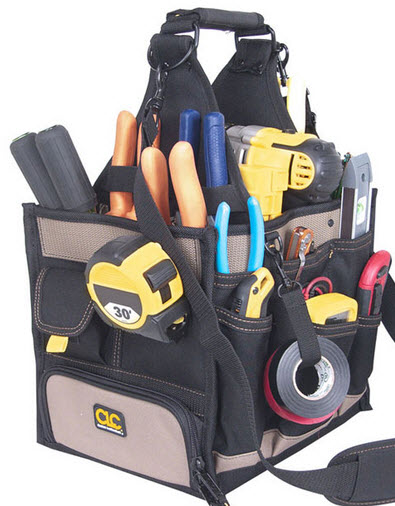
Find the best basic electrician hand tools here at Sparky Direct. [ Read More ]
A well-equipped electrician's kit covers several tool categories. Each category handles specific tasks that come up on almost every job.
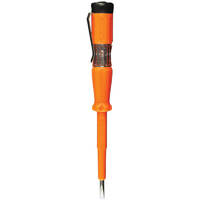
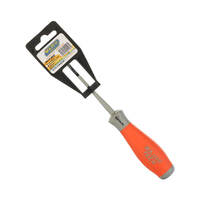
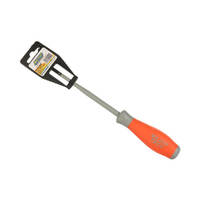
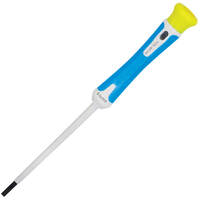
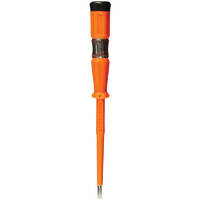
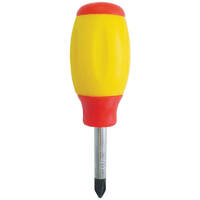
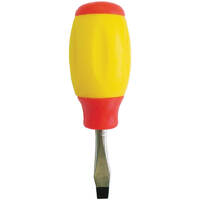
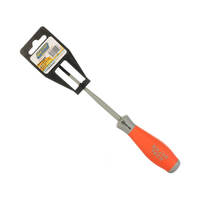
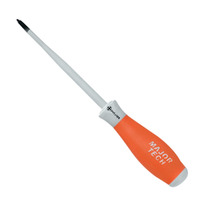
Screwdrivers are the most frequently used tools in any electrical kit. Flathead drivers suit terminal screws and cable saddle fixings. Phillips and Pozidriv tips cover switchboard and accessory fasteners. Insulated screwdrivers rated to 1000V are required when working near live conductors. Felo and Klein Tools produce insulated sets that meet VDE and IEC 60900 standards. A stubby screwdriver handles confined spaces where a full-length shaft cannot reach.
Browse screwdrivers at Sparky Direct for sets across all tip types and insulation ratings.
Combination pliers grip, twist, and cut conductors. Long nose pliers form loops and reach into confined spaces such as switchboard terminals. Side cutters (also called diagonal cutting pliers) cleanly sever cable and trim conductor ends. Channellock and Wiha produce pliers with forged steel jaws and ergonomic grips suited to sustained use. Browse cutting pliers across a range of jaw sizes and insulation options.
Wire strippers remove insulation from conductors without nicking the copper. Self-adjusting models lock to the conductor diameter automatically, reducing the risk of damage and improving speed. Cable cutters handle larger cross-sections that wire strippers cannot manage. Wire strippers from Major Tech and Klein Tools cover conductor sizes from 0.5mm² up to 6mm² and beyond. Cable cutters are available in insulated and non-insulated versions up to 60mm².
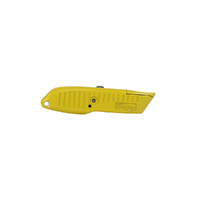
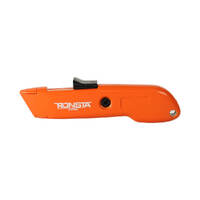
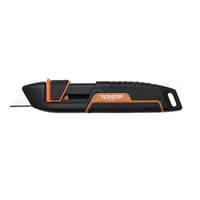
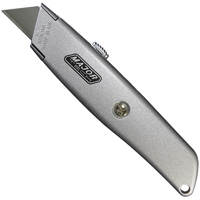
Cable knives score and remove the outer sheath of multi-core cable before stripping individual conductors. A quality knife has a retractable blade, a comfortable grip, and sufficient rigidity to score through tough sheathing materials without slipping. Some models include a hook blade for scoring without cutting through to the conductors underneath.
Non-contact voltage testers (NCVTs) detect the presence of live voltage without touching conductors. They are a primary safety tool on any job. Multimeters measure AC and DC voltage, current, resistance, and continuity. Both tool types are stocked at Sparky Direct alongside a range of multi-function testers. Fluke and Klein Tools are among the most widely used brands for testing equipment on Australian job sites.
Insulated tools have a layer of dielectric material moulded or overmoulded onto the handle and, in the case of screwdrivers, along the shaft. This insulation creates a barrier between the user and any voltage present on the tool or the work surface. The insulation does not make live work safe in all circumstances; it reduces risk when accidental contact occurs and provides time for the user to react.
Most insulated tools use a two-layer system: an outer coloured layer that, if damaged, exposes a contrasting inner layer as a visible warning. Inspect insulated tools before each use. Any crack, cut, or exposed inner layer means the tool is no longer rated and should be removed from service.
IEC 60900 is the international standard governing insulated hand tools for live working. It specifies test voltages, insulation thickness, and marking requirements. Tools manufactured to IEC 60900 are tested to 10,000V AC and rated for use at up to 1000V AC or 1500V DC. AS/NZS 4836 covers safe working on or near low-voltage electrical installations and references the use of insulated tools as a risk control. VDE (Verband der Elektrotechnik) certification is a German testing standard that is widely recognised in Australia and indicates independent verification of the manufacturer's insulation claims.
Safety note: Insulated tools provide protection against incidental contact only. They do not replace correct isolation and lock-out/tag-out procedures under AS/NZS 3000:2018. Always verify isolation with a voltage tester before working on any circuit.
Standard insulated hand tools carry a 1000V AC rating. This covers the majority of low-voltage distribution work in Australia, including 230V single phase and 400V three-phase circuits. For work above 1000V, specialised HV equipment with different ratings and handling requirements is needed.
Safe work practices include verifying isolation before touching conductors, wearing appropriate PPE alongside insulated tools, and never relying on insulated tools as the sole protection against live voltages. Consult the relevant WHS regulations for your state and the Safe Work Australia electrical safety guidance for current requirements.
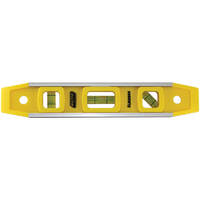
Residential work involves power points, switches, light fittings, switchboards, and sub-mains. The core kit covers insulated screwdrivers, combination pliers, side cutters, a wire stripper, a non-contact voltage tester, and a cable knife. A torpedo level and stencil tool reduce rework when positioning accessories. Most residential wiring involves conductors from 1mm² to 6mm², so a wire stripper covering that range handles the majority of work.
Commercial and industrial environments introduce larger cable cross-sections, busbar work, crimped terminations, and switchboard builds. This extends the kit to include heavy-duty cable cutters, bootlace ferrule crimpers, ratchet crimpers for lugs, and insulation resistance testers. Industrial sites often require tools with enhanced durability ratings because the work environment is harder on equipment.
Apprentice kits focus on the tools used every day: a screwdriver set, combination pliers, side cutters, wire stripper, and a non-contact voltage tester. This covers the tasks an apprentice performs under supervision. As skills and responsibilities grow, additional tools are added progressively. Professional kits are broader and deeper, covering specialised crimpers, cable pulling tools, conduit benders, and test equipment. Major Tech offers bundled electrical tool kits suited to apprentices and tradespeople at different stages.
Access is a common constraint. Stubby screwdrivers, right-angle adapters, and slim-profile long nose pliers extend reach into switchboards and junction boxes. Fish rods and cable pulling tongues handle concealed cable routing. A folding knife reduces bulk when carrying multiple tools on a belt. Hand tools at Sparky Direct include compact models for confined-space work alongside standard-length options.
| Application | Essential Tools | Additional Tools |
|---|---|---|
| Residential | Insulated screwdrivers, pliers, wire stripper, NCVT | Cable knife, torpedo level, stencil tool |
| Commercial | All residential tools, cable cutters, crimpers | Ferrule crimper, multimeter, cable puller |
| Industrial | Heavy-duty cutters, ratchet crimper, insulation tester | Lug crimper, ratchet spanners, hex key set |
| Apprentice | Screwdrivers, combination pliers, wire stripper, NCVT | Side cutters, cable knife |
Drop-forged steel construction produces stronger, more consistent tool geometry than cast equivalents. Look for chrome vanadium (CrV) steel in pliers and cutters: it resists wear and maintains jaw alignment over repeated use. Tool hardness ratings (measured on the Rockwell scale) indicate how well cutting edges hold their sharpness. Handles should be resistant to oil, solvents, and UV exposure, which are routine on Australian job sites.
Ergonomics matter more than they appear to when you are using a tool repeatedly over a full shift. Poorly designed handles cause grip fatigue that accumulates over hours. Bi-material grips combine a rigid inner structure for strength with a softer outer layer for comfort. Spring-loaded return mechanisms on pliers reduce the effort needed to reopen the jaws, which is significant when stripping dozens of conductors in a row.
Electrical work requires consistent, repeatable results. A wire stripper that nicks conductors inconsistently increases the risk of joint failure over time. A voltage tester with a slow response time or false negatives creates a safety hazard. Quality tools from established brands undergo factory calibration and testing before sale. Fluke and Klein Tools maintain manufacturing quality controls that make their test equipment reliable in the field.
Premature wear usually results from using a tool outside its rated capacity or failing to maintain it. Cutting pliers used to cut materials harder than they are rated for (such as hardened wire or reinforcing rod) will chip or deform the cutting edge quickly. Using a screwdriver as a pry bar damages the tip geometry and reduces grip on fastener heads. The correct tool for the task, used within its rated capacity, will outlast misapplied tools significantly.
Wire strippers that nick conductors are usually set incorrectly for the conductor gauge being stripped. Self-adjusting models reduce this risk but should be checked periodically against their gauge range. Crimpers that produce under-crimped or inconsistent terminations require calibration or replacement. A ratchet crimper that does not complete its cycle fully before releasing may indicate a worn ratchet mechanism.
Non-contact voltage testers can produce false negatives in shielded cable environments or where the electric field is weak. Always confirm a negative reading by testing on a known live source before proceeding. Battery condition affects sensitivity: replace batteries when indicated or at regular intervals. Test equipment should be verified against a known live source at the start of each job.
Tool steel is susceptible to surface rust when exposed to moisture or salt air. Wipe tools dry after use in wet conditions. A light application of corrosion-inhibiting oil on uncoated metal surfaces extends tool life. Store tools in a dry environment: a quality tool bag or roll with sealed pockets helps reduce moisture exposure in transit and storage.
Budget tools are appropriate for occasional use or apprentices building a kit progressively. They may use lower-grade steel, thinner insulation, and less refined handle ergonomics. Premium tools from manufacturers like Klein Tools, Felo, and Wiha are built to tighter tolerances and last longer under daily professional use. The cost difference over the working life of the tool is often smaller than the purchase price difference suggests.
For tools used on every job, such as screwdrivers and pliers, buying once and buying quality is typically more economical than replacing budget tools repeatedly.
Contractors managing multiple tradespeople often buy tools in volume to ensure consistency across crews and to reduce per-unit cost. Sparky Direct offers trade pricing across its electrical tools range. Buying sets rather than individual items is cost-effective when multiple tools from a product line are required.
Brand comparison involves assessing material quality, warranty terms, parts availability, and the brand's track record in Australian conditions. Sterling, Crescent, and Channellock are well-established brands with proven performance in trade environments. Checking reviews from working electricians provides real-world insight that specifications alone do not capture.
A quality tool bag keeps tools accessible and protected during transit. Look for reinforced base construction, separate pockets for different tool categories, and durable zippers rated for daily use. Belt pouches give quick access to frequently used tools such as pliers, testers, and a knife without reaching into a bag. Tool bags from Klein Tools include dedicated pockets for screwdrivers, pliers, and testing equipment in a single carrier. Backpack-style tool bags distribute weight across both shoulders, which is an advantage on jobs requiring extended mobility.
Consistent tool placement within a bag or belt reduces search time on site. Assign fixed pockets to specific tools and return them after use. Colour coding by tool type can help where multiple tradespeople share workspace. Label tool bags clearly when working on multi-crew sites.
Dropped tools on multi-storey sites are a safety risk to people below. Use lanyards or carabiner attachments for tools carried at height. High-visibility tool grips and magnetic accessories aid recovery when tools fall into ceiling voids or conduit runs. Magnetic wristbands and organisers keep fasteners and small parts within reach without the risk of them rolling away.
Use a permanent marker or engraver to mark tools with your licence number. This assists recovery if tools are lost on site and helps establish ownership on shared job sites. Bordo and TuffStuff Trade Solutions offer accessories including carabiner hooks and magnetic holders suited to on-site tool management.
Clean tools after use in dirty or wet conditions. Remove cable insulation debris from plier jaws using a stiff brush. Wipe blades and cutting edges dry to prevent surface rust. Inspect insulated tools for cracks, cuts, or exposed inner layers before each use. Remove any tool with damaged insulation from service immediately. Visual inspection takes seconds and prevents a compromised tool from being used near live circuits.
Some tools can be sharpened, adjusted, or have worn components replaced. Wire stripper blades on some models are replaceable. Plier jaws that have lost their tension can sometimes be adjusted. However, insulated tools with damaged insulation, cracked handles, or deformed cutting edges should be replaced rather than repaired. The cost of repair rarely justifies the retained risk on a safety-critical tool. Test equipment that drifts out of calibration requires recalibration or replacement.
Use each tool only within its rated application and capacity. A cable cutter rated to 35mm² used on 60mm² cable will wear prematurely. Store tools in a dry bag away from chemicals. Oil pivot points on pliers and cutting tools periodically. Keep cutting edges protected from contact with other tools: separate pockets in a tool bag prevent blades dulling against each other during transit.
Installation work covers everything from fixing cable saddles and running conduit to terminating switchboards and wiring accessories. Each task requires the right tool for clean, compliant results. Maintenance work often involves fault-finding in systems that may be partially energised, making insulated tools and voltage testing equipment critical at every stage.
Effective fault finding starts with a verified safe isolation, followed by systematic testing. A multimeter checks continuity, resistance, and voltage across circuit elements. An insulation resistance tester identifies insulation breakdown in cables and equipment. A non-contact voltage tester confirms live or dead status without making contact. Insulation testers and voltage testers at Sparky Direct cover the range of instruments needed for structured fault diagnosis.
Cable routing involves pulling, threading, and securing cables through walls, ceiling voids, and conduit. Cable pulling tongues, fish rods, and magnetic pullers extend reach and reduce effort when threading cable through concealed spaces. Once routed, correct stripping and termination tools produce clean, reliable conductor connections. Ferrule crimpers secure conductor ends in terminal blocks, reducing the risk of loose strand fraying over time. Browse crimping tools and conduit cutters at Sparky Direct.
AS/NZS 3000:2018 (the Australian Wiring Rules) sets the framework for electrical installations across Australia and New Zealand. It does not specify individual tool types but sets performance and safety outcomes that depend on correct tooling and technique. State and territory WHS regulations require that electrical work is performed safely, using appropriate equipment and with proper controls in place. AS/NZS 4836 specifically covers safe working on or near low-voltage electrical installations and includes guidance on the selection and use of insulated tools and PPE.
The hierarchy of control under WHS legislation prioritises elimination (isolating the circuit) over PPE and insulated tools alone. Where isolation is not practicable, insulated tools, tested voltage detection equipment, and appropriate PPE are required controls. Never assume a circuit is dead. Always test with a verified instrument before working. Two means of isolation (such as a switched circuit breaker plus a fuse removed) provide greater assurance than a single isolation point.
Insulated tools should carry the 1000V rated marking and the IEC 60900 or VDE certification mark. Check for this marking before purchase. Periodic inspection by a competent person may be required under some site safety management plans, particularly in industrial environments. Keep a record of tool inspections and replacements as part of your safety management documentation.
AS/NZS 3000:2018 (Wiring Rules), AS/NZS 4836 (Safe Working on or Near Low-Voltage Electrical Installations), IEC 60900 (Insulated Tools for Live Working). For WHS obligations, refer to the model Work Health and Safety Regulations and Safe Work Australia electrical safety guidance relevant to your jurisdiction.
Choosing a quality tool that lasts ten years produces less waste and fewer resources consumed than replacing a budget tool four or five times over the same period. The embodied energy in manufacturing a quality forged steel plier is recovered many times over through its extended service life. Prioritising durability over initial cost is the most effective sustainability decision when buying hand tools.
Tools that perform consistently reduce material waste on site. A wire stripper that strips cleanly the first time wastes less cable than one that nicks conductors and requires the end to be cut back. A crimper that produces consistent terminations the first time reduces the number of rejected joints and offcuts. Precision tools reduce rework, which reduces both material waste and time on job.
Steel hand tools are recyclable through metal recycling streams. Remove rubber or plastic components before recycling if required by your local facility. Electronic test equipment (multimeters, voltage testers) contains batteries and circuit boards that should go through e-waste collection points rather than general waste. Many local councils and electrical wholesalers offer e-waste drop-off options.
Watch Klein Tools 11061 | Wire Stripper and Cutter | Self-Adjusting video
Watch Klein Tools NCVT-3 | Non-Contact Voltage Tester Pen with Torch | 12-1000V AC video
Watch Felo 51397798 | 7 Piece 1000V Insulated Screwdriver Set video

I've always favoured glowing cable pullers and this one is certainly one of the brightest i've used. As with any phosphorous material it must be exposed to light for a short period in order to achieve the brightest luminance. If you expose it to sunlight even for a couple of minutes, you could read a book in complete darkness using only the glow of the cable puller. It's like a light saber in ceilings and wall cavities, very easy to find! Highly recommend - especially for the price.
After owning 1 pair of these snips I have to say that they are as sharp as the teeth of the Black Panther they are named after. A great addition to the tool kit. I have cut tissue paper and light aluminium and tin with ease. A few of my coulagues have also purchased the snips after trying mine. I have also purchased a second pair of snips for the kitchen at home as they are stainless steel and very easy to clean. A great tool for many applications.
This has been an absolute lifesaver and game changer, doing constant apartments from start to finish this has helped save so much time for marking out/cutting out with multiple gpo's, tv, data outlets next to each other. You can have it either vertically or horizontal so also works great if you have a few light switches next to each other. A must have staple item for your kit and even comes with a hard protective case to keep safe!
Quality products in stock • Fast Australia-wide delivery • Competitive trade pricing
Browse Electrician Hand Tools → Get Expert Advice →Selection depends on the type of electrical work performed and personal comfort preferences.
Sparky Direct supplies basic electrician hand tools Australia-wide, offering reliable tools for electrical trade use.
Hand tools are securely packaged and delivered via standard courier services.
Unused tools are generally eligible for return according to the seller’s returns policy.
Warranty coverage varies by manufacturer and typically covers defects in materials or workmanship.
They are available both individually and as tool sets depending on the product range.
Basic cleaning and proper storage help maintain tool performance and safety.
They can be used for basic tasks, but electrical work must be performed by a licensed electrician.
Using the correct tools helps complete tasks faster and with greater accuracy.
Most tools are compact and can be stored in tool bags or cases for easy transport.
Yes, tools should be checked regularly for wear, damage, or compromised insulation.
With regular use, tools may wear, but quality tools are built for long service life.
Yes, they are ideal for apprentices learning electrical work under proper supervision.
Basic electrician hand tools are essential manual tools used for installing, maintaining, and repairing electrical systems and components.
Quality tools feature ergonomic handles designed to reduce hand fatigue during extended use.
They improve safety, accuracy, and efficiency when working with electrical systems.
Some insulated tools are tested and certified to specific voltage ratings as outlined in product specifications.
Yes, they are suitable for both residential and commercial electrical installations.
They can be used for general tasks, but they are specifically designed for electrical applications.
Yes, they are designed for regular use by licensed electricians and electrical apprentices.
They are typically made from hardened steel with insulated or ergonomic handles for durability and safety.
Insulated tools are recommended for electrical work to reduce the risk of electric shock when working near live components.
Many electrician hand tools are manufactured to meet relevant AS/NZS standards, particularly insulated tools designed for electrical work.
Yes, electrician hand tools are often insulated and designed specifically for electrical tasks and safety requirements.
Common tools include screwdrivers, pliers, side cutters, cable strippers, crimpers, and measuring or marking tools.