
Search Results:
Search Results:
Search Results:
Search Results:
High speed steel drill bits are the workhorse of trade drilling in Australia. The bit body and cutting edges are forged from high speed steel, then ground to twist geometry that cuts metal, plastic, and timber. Most products in this category are HSS twist bits supplied as individual sizes, refill packs, or full metric sets.
The category covers electricians, maintenance crews, fabrication workshops, renovators, and informed retail buyers. Common jobs include drilling switchboard enclosures, brackets, cable tray, conduit saddles, control panels, and general mounting holes.
HSS bits suit mild steel, aluminium, copper, brass, sheet metal, timber, MDF, and most plastics. For electricians, that means drilling mounting holes in metal electrical enclosures, pilot holes for fixings, brackets, cable tray, conduit saddles, and workshop fabrication.
Standard HSS bits are not the right choice for masonry, concrete, tiles, or hardened steel. They also struggle in stainless steel unless cobalt HSS or a high-performance coated bit is used.
Carbon steel bits soften at lower temperatures and dull quickly on metal. HSS handles the heat of metal drilling and stays sharper for longer, which is why it is the professional baseline.
HSS twist bits also differ from masonry drill bits, which use a tungsten carbide tip for brick and concrete. Auger bits clear deep timber holes. Step bits drill and ream sheet metal. Cobalt bits handle stainless and tougher alloys. Each tool type is selected by the material, not the bit price.
HSS bits are versatile, compact, and affordable. A good metric set covers pilot holes, fixing holes, bracket holes, and switchboard work. Carrying the right sizes reduces site delays and helps avoid using the wrong tool on the wrong material.
Trade buyers benefit from correct sizes, recognised brands, clear product specifications, and trade-ready supply through online wholesalers stocking quality bits at trade pricing.
Two bits of the same diameter can perform very differently. The base steel grade and the surface treatment control how the bit handles heat, wear, and harder materials. Buyer choice depends on what is being drilled, how often, and how much heat the work generates.
Cost-per-hole is a better measure than upfront price. A cheap set may snap on the third stainless hole. A trade-grade titanium-coated or cobalt bit can outlast it many times over, which matters on construction, fit-out, and workshop jobs.
Bare HSS and black oxide bits cover general drilling in mild steel, aluminium, plastic, and timber. Black oxide is an entry-level finish that improves corrosion resistance and reduces friction.
These bits suit low to medium volume trade and renovation work where the cost-per-bit needs to stay sensible.
Titanium nitride (TiN) coated bits are HSS bits with a thin gold-coloured wear layer. The coating lowers friction, improves heat handling, and extends service life on metal.
TiN-coated bits are useful for repeat metal drilling, but they are not a fix for stainless or hardened steel. Resharpening grinds off the coating, so once the cutting edge is reground the coating benefit is reduced.
Cobalt is alloyed through the steel itself, not coated on the surface. M35 (5% cobalt) and M42 (8% cobalt) HSS bits handle stainless steel, tougher alloys, and heat-heavy metalwork.
Cobalt bits are harder but more brittle than standard HSS. Correct speed, steady feed pressure, and cutting fluid are needed to get full life from them.
Budget HSS sets suit occasional home renovation drilling in soft materials. Trade-grade black oxide or titanium-coated sets give electricians and contractors longer life and better tolerances. Premium cobalt or branded sets are for daily users facing tougher materials.
Brand, coating, steel grade, tolerance, and case quality all influence real value. Durable, indexed cases protect the bits and make on-site sizing faster.
Two HSS bits of the same diameter and coating can still perform differently. The point angle, split-point design, flute geometry, and shank type all change how the bit starts, how it clears swarf, and how cleanly it cuts.
A 118-degree point is the general-purpose grind. It suits soft materials, timber, plastic, and mild steel.
A 135-degree split-point grind is preferred for metal. It reduces walking, starts more accurately, and needs less pilot work. Centre punching still improves accuracy on hard or smooth surfaces.
Split point bits suit metal, stainless, sheet steel, round tube, and curved surfaces where the bit must start cleanly without skating. The geometry self-centres on contact, which means cleaner holes, fewer snapped bits, and better alignment on awkward surfaces.
The flutes spiral up the bit and carry swarf out of the hole. Poor chip clearance traps heat, burns the cutting edges, oversizes the hole, and leaves a rough finish. Deep holes need the bit withdrawn at intervals so the flutes clear properly.
Round shank is the standard format and fits keyed and keyless chucks on most cordless drills and drill presses. Reduced shank lets larger diameters fit smaller chucks. Hex shank locks into quick-change holders and impact drivers.
Impact drivers are not the preferred tool for accurate HSS drilling unless the bit is specifically rated for impact use. A drill or drill press gives steadier RPM and better control.
Stock control matters as much as bit quality. Buyers choose between individual replacement bits, compact sets, full metric sets, imperial sets, and bulk packs. Each format suits a different use pattern.
Electricians, contractors, and small businesses need fast access to the right size to keep crews working. A well-organised case with replacement availability reduces downtime when a bit snaps or wears.
Metric sizing is the standard reference for Australian trade work. Common sizes cover pilot holes, clearance holes, fixings, rivets, wall plugs, brackets, and electrical accessories. Some legacy, automotive, and imported components may still call for imperial sizes.
A set covering common metric diameters handles most daily site work. Professional users should look for durable indexed cases, clearly marked sizes, replacement availability, and coatings suited to metal. Sets carried in trade vans typically cover switchboards, brackets, cable tray, enclosures, and mounting hardware.
Contractors should replace the sizes they use most often as individual bits rather than buying whole new sets each time. Bulk packs suit construction firms, maintenance depots, workshop crews, and electrical contractors running multiple teams.
Bulk supply benefits from transparent pricing, fast dispatch, and predictable replenishment from an Australian online wholesaler.
Home renovators can use general-purpose HSS sets for occasional metal, timber, and plastic drilling. A standard metric set covers most household tasks.
Where fixed wiring, switchboard work, or electrical enclosures are involved, the work must be performed by a licensed electrician in line with AS/NZS 3000.
Metal drilling is where bit selection has the biggest impact on result. Material, coating, speed, feed pressure, lubrication, and workpiece support all interact. Picking the right bit is only one part of getting a clean, accurate hole.
Fixed electrical installation work is regulated. The selection guidance below covers tool choice. Installation, switchboard modification, and wiring inside enclosures must be performed by a licensed electrician.
Standard HSS, black oxide, or titanium-coated HSS handles mild steel, aluminium, and general metalwork well. Frequency of use is the deciding factor: occasional jobs suit bare HSS, while regular metal drilling rewards coated bits.
Aluminium clogs flutes easily. Cutting fluid and regular chip clearing keep the bit working cleanly. Mild steel is well-matched to good-quality HSS when speed and feed pressure are controlled.
Cobalt HSS or high-performance coated bits are the right choice for stainless steel. Stainless work-hardens when overheated or rubbed, which turns the surface harder than the bit. Slow speed, steady pressure, and cutting fluid keep the bit cutting instead of rubbing.
Stainless is where cheap HSS bits fail quickly. The cost difference between a budget bit and a cobalt bit is recovered on the first few holes.
The general principle is simple. Larger diameters and harder materials need slower RPM. Smaller bits and softer materials can run faster. Manufacturer speed charts list exact speeds by diameter and material.
Too much speed generates heat, dulls the cutting edges, and can work-harden the surface. The correct speed makes the bit cut a clean curl of swarf rather than dust.
Drill bits get hot from friction, poor chip evacuation, excess RPM, insufficient feed pressure, dull cutting edges, and lack of cutting fluid. Heat leads to blunting, blue discolouration, work hardening, and snapped bits.
Reducing speed, applying steady pressure, clearing chips, and using a small amount of cutting fluid keeps the bit cool and cutting. A bit that smokes or turns blue is past its working temperature.
Bit breakage usually comes from a small set of causes: wrong bit for the material, too much speed, uneven pressure, no lubrication, an unclamped workpiece, no pilot hole on larger diameters, or trapped chips. Addressing these one at a time fixes most failures.
Bent, badly dulled, or chipped bits should be replaced. A worn small bit is rarely worth resharpening.
Trade-care of HSS bits is cost control. A well-maintained set lasts longer, holds tolerance better, and produces cleaner holes. For electricians and contractors, the difference between a 12-month set and a 4-month set is measurable across a year.
HSS and cobalt bits can be resharpened if the point angle, lip height, and clearance are restored accurately. A drill bit sharpening jig produces consistent results across the set. Professional sharpening is the better option for high-value bits where accuracy matters.
Titanium-coated bits lose their coating once the cutting edge is reground. The bit will still cut, but the wear-life benefit of the coating is gone.
Signs include squealing, burning, heat discolouration, the need for excessive pressure, rough holes, wandering off mark, chipped cutting edges, and visible bending. Continuing with a dull bit generates more heat and increases breakage risk.
Small bits are usually cheaper to replace than to resharpen. Larger bits often pay back the time spent sharpening them.
Indexed cases with labelled sizes are the standard for trade kits. Dry storage with a light film of oil prevents corrosion. Bits used for metal should be kept separate from timber and general-purpose bits to protect the cutting edges.
Loose bits tumbling together in a tool bag dull each other and add hidden replacement cost over a year. Finding the right size quickly on site is half the value of a good case.
"Best" depends on the material and the hole type, not just the bit price. Mixing bit types in the same kit covers a wider range of jobs than buying more of one type.
Standard HSS suits general metal and mixed materials. Cobalt handles stainless steel, heat-heavy work, and harder alloys where standard HSS would burn out. Cobalt costs more and is more brittle, but it pays back when the material would otherwise destroy a cheap bit.
Titanium-coated bits are HSS bits with a wear-resistant surface coating. They last longer than uncoated HSS on metal but lose the coating once resharpened. Titanium-coated sets are a strong mid-tier option for contractors and renovators who want extended life without paying for cobalt.
HSS twist bits are not the right tool for every job. Step drill bits drill and enlarge holes in sheet metal in one motion. Auger drill bits bore deep through timber and clear chips efficiently. Masonary drill bits use a carbide tip for brick, block, and concrete. For large clean holes in metal, a holesaw blade is often a better tool than a large twist bit.
Premium brands like Klein Tools are most worthwhile for professional users who value durability, accuracy, and consistency. Material grade, tolerance, coating, case quality, size marking, and replacement availability all factor into the decision.
For occasional renovation use, a good mid-tier set is often enough. For daily trade use, premium bits typically pay back through fewer replacements and cleaner holes.
Online supply has changed how trade buyers stock drill bits. Transparent pricing, clear specifications, and fast dispatch let electricians and contractors replenish without leaving the job. The trade-off is that buyers need to check specifications carefully, since photos do not show steel grade or coating.
Before ordering, confirm material type, coating, size range, shank type, point angle, case quality, and brand. Check whether individual replacement sizes are available, since this controls long-term cost. Match the bit to the materials commonly drilled on site rather than buying based on price alone.
Specifications matter more than product photos. Two sets that look the same can have different steel grades, tolerances, and case quality.
"Cheap" usually means low upfront price. "Value" means suitable performance, longer life, and fewer broken bits across the year. For electricians and contractors who need consistent results, value-based selection wins out.
Home renovators with light material demands can choose lower-cost general sets without giving up much. Trade users running hard materials should pay for the steel grade and coating that matches the work.
Trade pack buying suits construction firms, maintenance depots, fit-out teams, and electrical contractors running multiple crews. Stocking high-use diameters as bulk packs reduces site delays and simplifies replenishment.
Procurement factors include transparent pricing, current stock levels, dispatch speed, Australia-wide delivery, and easy reorder. A reliable Australian supplier with consistent product lines reduces the risk of substitution mid-project.
Sparky Direct supplies high speed drill bits and related electrical tools Australia-wide from its Queensland base. Clear pricing, fast dispatch, and trade-relevant brands suit Brisbane electricians and contractors as well as buyers across the country.
Buying from a reputable Australian supplier protects authenticity, warranty support, and fit-for-purpose specifications. Verified brand stock and listed specifications make it easier to match the bit to the job.
Drill bits are tools, but the work performed with them in electrical contexts may carry licensing and safety obligations. Buyers should be aware of where the line sits between general drilling and regulated installation work.
Drilling enclosures, switchboards, cable entries, brackets, and mounting points can form part of electrical installation work. Fixed electrical installation must be performed by a licensed electrician in accordance with AS/NZS 3000 and the rules in each Australian state or territory.
Tool sales do not authorise unlicensed installation. Where wiring, switchboard modification, or fixed circuit work is involved, the work belongs to a licensed electrician.
Common metal drilling risks include sharp swarf, spinning workpieces, heat, and fragments from a snapped bit. Eye protection through safety glasses is standard. Workpieces should be clamped or supported, and loose clothing and jewellery kept clear of the drill.
Suitable work gloves protect against swarf, though loose gloves should not be worn near a rotating spindle. Safety lock out equipment applies where drilling is part of work on isolated electrical circuits.
Electricians should choose bits by material, repeat use, drilling accuracy, and site conditions. Professional-grade bits reduce rework and help keep installations clean and consistent. A multimeter and other test equipment confirms the circuit state before and after the work, but the drill bit choice itself sets up a clean mounting outcome.
Clear specifications and reliable product information matter more for trade buyers than for occasional users. Knowing the steel grade, coating, and point angle before ordering protects the time spent on site.
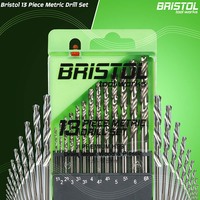
Watch Bristol BTW13M | 13 Piece Metric Drill Set video
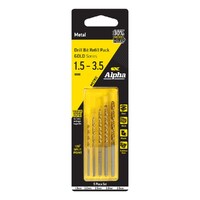
Watch Alpha SM5 | 5 Piece | Metric Alpha Gold Series Drill Refill Pack - 1.5- 3.5mm video
Watch High speed drill bit metal 8mm 43SZ08 video

Coated drills in the range of 1.5mm to 3.5mm. Good for pilot holes in tougher materials.
Just what I needed to backfill my set that has some broken and worn out smaller drill bits
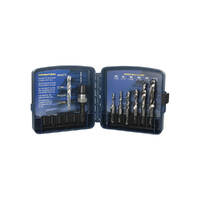
Handy set of step drills covers the range of 4mm to 30mm in three maximum dimensions (12mm, 20mm and 30mm).
Quality products in stock • Fast Australia-wide delivery • Competitive trade pricing
Browse High Speed Drill Bits → Get Expert Advice →