
Search Results:
Search Results:
Search Results:
Search Results:
Step drill bits earn their place in every electrician's kit because they replace a whole row of twist bits. One conical bit produces multiple hole sizes in thin metal, plastic boxes, and sheet panels without changing tools mid-job. That speed advantage matters on site, especially when fitting cable glands, terminating conduit entries, or knocking holes into metal accessory plates.
Australian sparkies, HVAC technicians, plumbers, and metalworkers all reach for step bits for the same reason: clean, controlled, repeatable holes in thin stock. They are also a strong pick for informed DIY buyers working on enclosures, junction boxes, and hobby metalwork.
Compliance note: Drilling switchboards, electrical enclosures, or installed electrical equipment should only be performed by licensed electricians where fixed electrical work is involved. Always isolate, test, and assess the equipment before any modification.
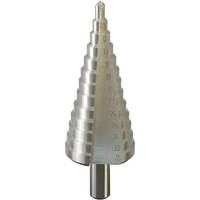
A step drill bit is a single conical bit with progressive diameter steps machined along its length. Each step cuts a larger hole than the one before it. That means one bit can produce 8, 10, 12, or more hole sizes without swapping tools.
Common applications include mild steel sheet, aluminium, copper, brass, plastic boxes, ductwork, thin panels, and switchboard cut-outs. The conical shape self-centres into a pilot hole or a punched dimple, which reduces wandering on smooth metal.
The bit enters at a small lead diameter, then enlarges the hole progressively as each step cuts through the sheet. You simply stop when the required step diameter matches your fitting. The progressive cut reduces burr formation compared with a single-size twist bit, and the steady shoulder of each step controls the depth.
For best results, mark the centre with a punch first. A punched dimple stops the bit walking across smooth metal at the start of the cut. Keep the drill perpendicular to the workpiece and ease off pressure as the bit breaks through.
Twist bits cut one size only. They are still the right tool for thicker stock, deep holes, and timber work where a step bit cannot reach. High speed drill bits remain the workhorse for general drilling tasks across the trade.
Hole saws produce larger holes than most step bits, typically from 16mm upwards, and they remove a disc plug. Step bits cut faster on thin sheet up to common trade sizes, while hole saws take over for larger diameters and thicker material. Many electricians carry both.
Two step drill bits that look identical on the rack can perform very differently. Material grade, coating, flute design, and shank type all change how the bit cuts, how long it lasts, and which jobs it suits. Here is how to read the spec sheet before you buy.
Uncoated HSS bits are a sensible pick for occasional jobs, plastic enclosures, and light sheet work. The lower price point suits the duty cycle.
Titanium-coated bits cost more, but they pay back fast for electricians and contractors drilling metal enclosures regularly. The coating reduces friction, runs cooler, and extends bit life across hundreds of holes. The trade-off is real but not unlimited: coatings do not compensate for excessive RPM, missing cutting fluid, or pushing the bit too hard.
The flute design affects how chips clear the cutting edges, which in turn affects heat, cut quality, and cutting speed.
| Flute Type | Best For | Trade-Off |
|---|---|---|
| Straight Flute | Plastics, thin sheet, light use | Economical, slower chip clearance |
| Spiral Flute | Regular trade use, metal sheet | Smoother cut, better chip evacuation |
| Single Flute | Fast cuts in thin metal | More specialised, less common |
Round shanks fit standard three-jaw chucks. They are the most common style and work fine in cordless drills and drill presses. Some larger round shanks come ground with flats to stop the bit slipping under load.
Hex shanks drop into quick-change holders and impact-driver-style chucks. They resist slipping under torque and speed up bit changes on site. Either shank can deliver clean work. Drill control still matters more than shank type for hole quality.
Metric sizing is the Australian default for step drill bits. Three ranges cover most electrical and workshop work: 4-12mm for fine panel jobs, 4-20mm for small enclosures and light switchboards, and 4-32mm for full conduit and gland sizing up to 32mm.
Step bit size markings show the minimum and maximum diameter, such as 4-20mm or 4-32mm. Steps usually rise in 1mm or 2mm increments. Quality bits carry clear etched or laser-marked size indicators on each step, which makes it easy to stop at the exact diameter you need.
A 4-32mm step drill bit is the most versatile single choice for common Australian conduit and cable gland work. It covers 20mm, 25mm, and 32mm entries in one tool. Always match the final hole size to your gland, bush, conduit entry, or manufacturer specification. Check the fitting datasheet where exact clearance matters for IP rating or compliance.
| Step Drill Range | Typical Use | Common Fittings |
|---|---|---|
| 4-12mm | Small pilot holes, light panel work | Small cable glands, micro entries |
| 4-20mm | Electrical boxes, small enclosures | Light switchboard work, 20mm fittings |
| 4-32mm | Full conduit and gland sizing | 20mm, 25mm, 32mm conduit entries |
A licensed electrician should determine enclosure modifications where electrical compliance is involved. Hole positioning, edge clearance, and entry sealing all carry compliance implications under AS/NZS 3000.
Many electricians carry at least a 4-32mm bit plus a smaller companion bit, such as a 4-12mm or 4-20mm. The smaller bit gives finer control on tight panel work, while the 32mm covers full conduit sizing.
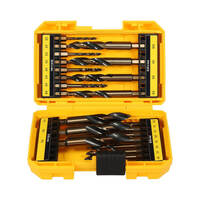
A multi-piece set is worth considering for contractors who regularly drill different hole sizes or need redundancy on site. A backup bit means a dulled step does not stop the job halfway through a switchboard fit-off.
Step drill bits shine on thin material, but they are not a universal tool. Using one on the wrong material is the fastest way to ruin a quality bit and waste money. Here is what they handle well, and what they should never touch.
Step bits cut cleanly through mild steel sheet, aluminium, copper, brass, plastic enclosures, PVC, acrylic, thin plywood, and thin sheet panels. Typical thin-material range runs up to about 4mm, depending on bit grade and tool setup. Metal work calls for controlled speed and cutting fluid to manage heat and protect the cutting edges.
Yes. Step bits work well on plastic boxes, plastic enclosures, PVC, and thin plastics when the speed is controlled. The challenge with plastic is heat. Excessive RPM melts the material around the cut and leaves rough, gummy edges. Straight flute or sharp HSS bits run cooler in plastic and give a cleaner finish.
Cobalt or premium trade-grade step bits are the right pick for stainless steel work. Cobalt holds its edge at higher cutting temperatures than plain HSS. Use low speed, steady pressure, and apply cutting fluid throughout the cut. Stop at the correct step diameter rather than running through.
Switchboard safety: Drilling installed switchboards must be performed only where safe, isolated, and compliant by licensed electricians. Modifications must comply with AS/NZS 3000 and any product approval requirements that apply to the equipment.
Step bits are not suitable for masonry, concrete, tile, thick steel, hardened steel, or deep timber boring. Reach for the right tool instead. Use masonary drill bits or SDS bits for brick and concrete. Use twist bits for thicker metal, hole saws for larger or thicker stock, and auger drill bits or spade bits for deep timber. Using the wrong bit on the wrong material chips the cutting edges, glazes the flutes, and produces a poor hole.
Technique matters more than brand for hole quality. A cheap bit used well will often outperform a premium bit used badly. These principles cover preparation, speed, cooling, and care without crossing into specific installation instructions, which remain the licensed electrician's call on the day.
Mark the centre point clearly. On smooth metal, dimple the centre with a punch so the bit cannot wander as it starts the cut. Secure loose sheet material with clamps or a vice. Unsecured metal can spin under the bit, grab the cutting edges, and cause injury.
Installed electrical equipment must be isolated and assessed by a licensed electrician before any work begins. Never drill into a live or untested switchboard panel.
Use low to moderate speed for steel, with lower speed for the larger step diameters. Softer materials such as aluminium and plastic tolerate higher RPM, but only with controlled feed. Apply steady, even pressure. Do not force the bit. Forcing increases heat and chips the cutting edges.
Cutting fluid is your friend on steel and especially on stainless steel. It manages heat, flushes chips, and extends bit life dramatically.
Heat is the main enemy of step drill bits. Watch for blueing on the cutting edges. A bit that turns blue has lost its hardness and will dull within a few more holes.
Step bits reduce burrs, but they may not eliminate them entirely. A small ridge can remain on the back face of the cut. A deburring tool or a fine file removes the ridge cleanly. Cable glands, bushings, and enclosure entries should never have sharp edges that can nick or chafe cables during pulling or service.
Clean swarf from the flutes after each job. Let hot bits cool before handling or storing. Lightly oil bare HSS bits before storage to keep rust off the cutting edges. Inspect each step for dulling, chipping, blueing, or uneven wear. A bit with a single damaged step still has use left on the smaller diameters, but a heavily worn bit is usually better replaced than ground back.
Step drill bits sit at every price point, from cheap import sets to premium trade-grade tools. The right pick depends on duty cycle, material, and how often the bit comes out of the bag. Here is how to match grade to use.
Cheap HSS bits do a job for occasional plastic or light sheet work. They cut, they last a handful of holes, and the price suits the throwaway use case. The trouble starts on steel. Low-cost bits often dull quickly, carry poor step markings, and show rough flute grinding that snags during the cut. For an electrician or contractor, a cheap bit can fail mid-job and cost more in lost time than a quality bit costs to buy outright.
Professional-grade bits earn their price when the work is regular. Trade buyers should look at TiN-coated HSS or cobalt bits with clear etched markings and a known brand.
An electrician's set should cover 4-12mm, 4-20mm, and 4-32mm or equivalent ranges. The 4-32mm bit is the workhorse for common conduit and gland sizing. The smaller bits handle finer panel work and pilot holes. Look for clear size markings, hex shanks where possible, TiN coating or cobalt grade for steel work, and a storage case that keeps the bits separated and clean.
Six factors matter when buying step drill bits online: material grade, maximum diameter, shank type, flute design, coating, and brand reliability. Sparky Direct stocks step drill ranges from Bristol Tool Works and Alpha alongside related drilling and cutting tools.
If you also need related categories on the same order, browse electrical conduits, electrical enclosures, electric switchboards, and driver bits from the same supplier.
Sparky Direct is an online electrical wholesaler that supplies electricians, contractors, and informed buyers across Australia. The step drill range sits alongside related electrical tools categories, with clear product specifications and dispatch information on each listing. Brands stocked include Major Tech, Klein Tools, Bordo, and Re-Load for related drilling and hole-cutting tools. Check the specifications on each product page before purchase to confirm the size range, material grade, coating, and shank type suit your work.
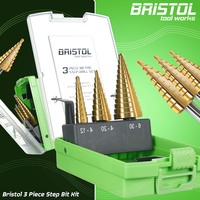
Watch Bristol Straight Flute 3 Piece Step Drill Set - 4-12, 4-20, 6-30mm | BTWSD-SET3 video
Watch Bristol Straight Flute 3 Piece Step Drill Set - 4-12, 4-20, 6-30mm | BTWSD-SET3 video
Watch Alpha SM23ST | ONSITE Step Drill Bit Set 3-13mm² | 23 Bits video

Great drills, work well and nice to have with smaller steps to get into smaller spaces.
Handy set of step drills covers the range of 4mm to 30mm in three maximum dimensions (12mm, 20mm and 30mm).
Holesaw stays sharp after multiple uses. The guide bit does not come lose after multiple uses. The spring ejection system is like other makes not that great. This is the best holesaw I have bought to date.
Quality products in stock • Fast Australia-wide delivery • Competitive trade pricing
Browse Step Drill Bits → Get Expert Advice →