
Search Results:
Search Results:
Search Results:
Search Results:
Pole fuse removers are available in several configurations to suit different access requirements, fuse carrier designs, and working heights. Understanding the key types helps you select the right tool for the job before you arrive on site.
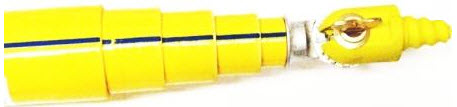
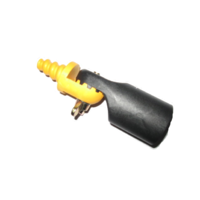
Many pole fuse removers are designed to attach to a standard hot stick or insulated operating pole. This configuration gives the operator remote reach of several metres, keeping them well clear of the fuse holder during removal and insertion. Universal attachment heads accept a variety of carrier sizes, reducing the number of tools needed in the van. These are widely used by network utility workers and electrical contractors working on overhead service connections.
Hand-held extractors are compact tools used at closer range, typically for low-level service fuse work or panel-mounted fuse holders accessible from the ground or a safe working platform. Products such as the fuse puller range at Sparky Direct are designed for controlled grip and positive fuse engagement. They suit residential and light commercial service fuse configurations, including bottle fuse and Nilcrom-style carriers.
Adjustable-length tools allow the operator to set the working reach to suit the specific installation. Long-reach designs are particularly useful for overhead service fuse arrangements where the fuse holder is mounted above head height on a pole, bracket, or aerial service entry point. These tools reduce the need for elevated work platforms in some situations, though a risk assessment must always determine whether ground-based operation is appropriate.
The materials used in a pole fuse remover directly affect its safety performance, service life, and resistance to outdoor conditions. Selecting a well-constructed tool is as important as selecting the correct size and fitting type.
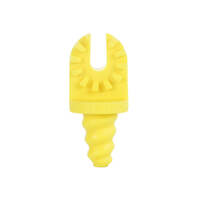
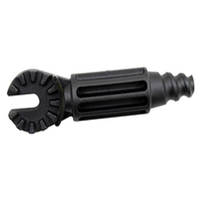
Most pole fuse remover heads are manufactured from reinforced nylon or engineering-grade polymers. These materials are non-conductive, resistant to UV degradation, and lightweight for extended overhead use. Some designs incorporate metal springs or retention clips for positive grip, but the primary body and contact surfaces remain non-conductive. All-nylon constructions are preferred where incidental contact with live parts is a risk during the removal or insertion stroke.
The non-conductive properties of the tool body are a fundamental safety requirement. A pole fuse remover used on a service fuse that remains energised on the network side must not create a conductive path between the operator and the live terminals. Safety gloves are used in conjunction with appropriate tools as part of a complete PPE system. Neither the tool nor the gloves alone are a substitute for the other.
Pole fuse removers are used in all weather conditions. Quality tools are tested for dimensional stability across the temperature range encountered in Australian field conditions, from hot direct-sun environments in summer to wet and cold morning starts in southern states. UV-stabilised polymers maintain their mechanical properties and insulating characteristics over time. Inspect the tool surface for chalking, cracking, or discolouration before each use, as these can indicate UV degradation that may compromise performance.
Pole fuse removers must match the fuse carrier and holder design used in the specific installation. Incompatible tools create engagement problems that can damage the fuse carrier, increase removal force, or result in the fuse being dropped during extraction.
Australian overhead service fuse systems include Nilcrom-type carriers and Flowline-style arrangements, which differ in carrier geometry and grip point dimensions. Confirm the fuse system type before selecting a remover. Some universal tools accommodate both designs, but purpose-made tooling provides a more secure grip and reduces the risk of slippage. Consult the tool manufacturer's compatibility chart or contact a supplier with knowledge of local network configurations.
Service fuses used in Australian overhead networks range from older porcelain bottle-type carriers to more recent Bakelite and polymer designs. The physical dimensions of the carrier body, the grip positions available, and the force required to remove a fuse that has not been pulled in some time all vary across these types. Service fuse links are stocked alongside pole fuse removers at Sparky Direct so operators can carry replacement fuses for the specific system they are servicing.
A well-fitting remover seats firmly over the fuse carrier with positive engagement before any extraction force is applied. Test the fit with the supply isolated where possible before applying load. If the tool seats loosely or requires excessive side force to engage, do not proceed. Use the correct tool for the carrier size. A loose tool can slip under load, creating a dropped fuse hazard and potential damage to the carrier or the tool itself.
Identify the fuse carrier type on site before selecting your tool. Nil-Crom, Flowline, and other carrier patterns are not interchangeable. Where the carrier type is unknown, refer to the network operator's documentation or use a universal tool with proven engagement across multiple patterns.
Selecting the correct pole fuse remover depends on the voltage class of the installation, the physical reach required, the fuse carrier type, and how frequently the tool will be used. The following factors guide a practical selection decision.
Service fuse removers used on low-voltage overhead connections (230V/400V) have different design requirements from tools used on high-voltage distribution systems. Confirm the voltage class of the work you are authorised to perform and select a tool rated accordingly. Using an under-rated tool on a higher voltage system is a serious safety risk. Tools are rated and labelled by the manufacturer for a specific voltage class.
Extended reach is useful for high-mounted fuse holders, but longer tools increase weight at the tip and require greater arm strength to control during insertion and extraction. Consider the frequency of use, working height, and whether the tool will be used at arm's length or braced against the body. Lightweight polymer construction helps reduce fatigue on high-repetition jobs. Electrician hand tools that balance reach and weight allow more controlled fuse handling.
Utility and network workers typically require tools that meet the network operator's approved equipment list. Commercial and contractor applications may have more flexibility in tool selection provided the tool is fit for purpose and the operator is competent. Contractors maintaining private overhead service entries, rural properties, or industrial installations benefit from having both a hand-held extractor for routine work and a hot-stick attachment for situations where the supply cannot be fully isolated.
A pole fuse remover's practical performance comes down to how well it grips, controls, and releases the fuse carrier under field conditions. These factors determine how efficiently and safely the job is completed.
The grip surface of the remover head must hold the fuse carrier without slipping during the pull stroke. Well-designed tools use a combination of jaw geometry and friction surface to create positive retention. The handle design should allow controlled one-handed operation for hot-stick use. Avoid tools with loosely fitting jaws or inadequate grip surface for the specific carrier. When using lockout and safety equipment alongside pole fuse work, keep the work area organised to maintain clear tool access and visual focus on the fuse holder.
Engagement strength refers to the seating force the tool applies to the fuse carrier before extraction begins. A tool that engages firmly reduces the probability of the carrier rotating or slipping sideways during removal. Stability during the extraction stroke is especially important when working at height, where the operator has less ability to correct a slip. Some tools incorporate a locking feature that positively retains the carrier during transport after removal, preventing a dropped fuse.
Efficient fuse removal and installation reduces the duration of supply interruption and minimises the time the operator spends in contact with the tool at working height. A smooth extraction stroke, reliable carrier release, and easy re-engagement for installation all contribute to job efficiency. Tools that require excessive force or repeated re-engagement attempts slow the job and increase operator fatigue.
Pole fuse removal on energised overhead service connections is classified as live electrical work under Australian electrical safety legislation. It requires appropriate authorisation, training, and PPE.
Only licensed electricians and authorised network workers with specific competency in live overhead service fuse work may carry out this task. The relevant competency units under Australian training frameworks address hazard identification, risk assessment, selection of appropriate tools, and safe work method statements. Licensing requirements vary by state and territory. Consult your state electrical safety regulator for the current requirements applicable to your licence class and scope of work. AS/NZS 3000:2018 provides the wiring rules framework within which this work is conducted.
Where the fuse remover is used as a hot-stick attachment, the insulated operating pole must be rated and tested to the required voltage class. The pole and the remover head together form the working tool. Inspect both components before each use. Check the pole for moisture penetration, physical damage, and surface contamination that could reduce its insulating performance. Hot sticks used for live low-voltage work must comply with the relevant Australian standard for live work tools. Refer to the tool manufacturer's documentation for specific inspection and testing intervals.
Wet weather, high humidity, and contaminated surfaces reduce the insulating performance of non-conductive tools. Avoid working with pole fuse removers on energised systems in rain or immediately after rain unless the tool is rated and cleaned for wet conditions. Wind increases the difficulty of controlled fuse engagement at height. Assess environmental conditions as part of the job risk assessment. Surface contamination from salt spray, construction dust, or bird fouling can be removed by wiping the tool with a clean dry cloth before use. Refer also to guidance from personal safety equipment suppliers on environmental PPE for overhead work.
Live Work Authorisation Required: Pole fuse removal on energised service fuse holders constitutes live electrical work under Australian state and territory electrical safety legislation. This work may only be carried out by persons holding the appropriate licence and competency. Always prepare a safe work method statement and conduct a site risk assessment before commencing work on overhead service fuses.
Even with the correct tool, field conditions can create problems during fuse removal or insertion. Knowing the common failure modes and their causes helps resolve issues quickly and safely.
The most common cause of poor fit is selecting a tool designed for one carrier pattern and attempting to use it on a different system. If the remover jaw does not seat fully over the carrier body without lateral force, do not proceed. Using an ill-fitting tool increases the risk of slippage under load. Carry more than one remover type when working on a network that uses mixed fuse carrier patterns. Consult the circuit protection documentation for the specific fuse system in use to confirm the correct tool selection.
Grip loss during extraction is usually caused by surface contamination on the fuse carrier, a worn grip surface on the remover, or excessive side loading during the pull stroke. Clean the carrier surface where accessible before engaging the tool. Inspect the remover jaw surfaces for wear and replace the tool if the gripping faces are smooth or deformed. Apply extraction force in a straight axial direction aligned with the fuse carrier axis, not at an angle.
A fuse carrier that has been in service for many years may have corroded or swelled, creating a tight fit in the fuse holder. In this situation, the remover may engage correctly but the carrier does not release from the holder under normal extraction force. Do not apply excessive lever force, which can damage the carrier, the holder, or the tool. Consult the network operator's procedures for dealing with seized carriers. This situation is distinct from a loose-fitting tool and must be treated as a separate problem with its own resolution pathway.
Cracked jaw bodies, deformed retention springs, and broken attachment points indicate that a tool has reached the end of its service life. Remove damaged tools from service immediately. Do not attempt field repairs to the load-bearing or insulating components of a pole fuse remover. Replace the tool through Sparky Direct's pole fuse remover range and log the replacement in your tool management records.
Pole fuse removers represent a small line item in a contractor's tool budget but a significant safety investment. Selecting on price alone is not appropriate for a live work tool.
Entry-level tools are adequate for occasional residential service fuse work where the task is straightforward and conditions are favourable. Premium tools offer tighter manufacturing tolerances, more positive grip geometry, better UV stability, and longer service life. For contractors or utility workers using these tools regularly, the cost difference between budget and premium options is small relative to the cost of a tool failure, a dropped fuse, or an injury. Assess your work frequency and risk profile before making a selection decision.
Compare tools on the basis of the carrier types they are compatible with, the voltage class they are rated for, the material quality of the jaw and body, and the warranty offered by the manufacturer. Tools stocked at Volt Safety and other suppliers available through Sparky Direct are sourced from suppliers with proven field performance in Australian conditions. Check the product page for specifications relevant to your application before ordering. The electrical tools range at Sparky Direct covers a broad selection of live work and safety tools for trade professionals.
Proper care of pole fuse removers extends service life and maintains the tool's safety performance between jobs. Maintenance requirements are straightforward but must not be skipped.
Inspect the tool before each use. Check the jaw surfaces for cracks, chips, and wear. Confirm that retention springs or clips function correctly and hold the carrier securely after engagement. Check the attachment point for hot-stick connection if applicable. Inspect the tool body for UV degradation, moisture penetration, or physical impact damage. Any defect that affects the tool's structural integrity or insulating properties is a reason to remove it from service. Keep a dated inspection record for each tool as part of your live work tool management system.
Store pole fuse removers in a protective case or tool bag to prevent jaw damage from contact with other tools. Avoid dropping tools onto hard surfaces. Keep the jaw surfaces clean and free from grease, oil, or conductive contamination. After use in dirty or contaminated environments, wipe the tool with a clean dry cloth and allow it to dry completely before storage. Tool bags provide good protection during transport between sites.
Tools stored in vehicles are subject to temperature cycling, humidity, and vibration. Store pole fuse removers in a closed case away from direct heat sources such as exhaust systems or sun-exposed metal surfaces. High temperatures accelerate polymer degradation and may affect dimensional tolerances on close-fitting jaw geometry. In coastal or high-humidity environments, ensure tools are dry before storage to prevent surface condensation during cooling cycles overnight.
Pole fuse removers are used across a range of overhead electrical maintenance tasks by licensed electricians, network utility workers, and electrical contractors authorised to carry out live service fuse work.
Distribution network operators use pole fuse removers as standard tools for planned and reactive maintenance of overhead low-voltage service fuse arrangements. Fault response, load management, and planned maintenance shutdowns all require controlled removal and reinstatement of service fuses. In these applications, tools are subject to approved equipment lists, regular testing, and strict inspection regimes. Network workers carry multiple remover types to cover the range of fuse carriers encountered across the network.
Licensed electricians carrying out service connection upgrades, metering changes, or supply reinstatements may need to remove or install the service fuse as part of the work. This requires coordination with the network operator to determine whether the supply can be isolated at the transformer or whether live fuse removal procedures apply. Where live work is required, the electrician must hold the relevant competency and use appropriate tooling. Replacement circuit protection components and service fuse links compatible with the specific fuse holder must be on hand for reinstatement.
Contractors working on remote properties and regional infrastructure need to carry a complete set of service fuse tooling because specialist support and tool hire are not available in these areas. The cable cutters, fuse removers, and associated safety equipment required for overhead service work should be stocked as a complete kit rather than assembled piece by piece on site. Fast Australia-wide delivery from Sparky Direct supports contractors based outside major centres.
Pole fuse removal on overhead service connections is governed by electrical safety legislation, network operator procedures, and Australian standards. Non-compliance creates legal, financial, and personal safety risk.
All electrical work in Australia is regulated under state and territory electrical safety legislation. Live work on overhead service fuses falls within the definition of electrical work and requires an appropriate licence. AS/NZS 3000:2018 (the wiring rules) and relevant state electrical safety regulations set the framework for safe work practices. Network operators may impose additional requirements through their technical specifications and safe work method frameworks. Confirm the applicable requirements with your state electrical safety regulator before commencing live overhead fuse work.
Even where the task is to remove a de-energised service fuse, adjacent conductors and fuse holders may remain live. Approach distances for live LV conductors must be observed at all times. The minimum approach distance for LV bare conductors under Australian electrical safety regulations must be maintained unless the worker is authorised for live work and uses appropriate insulated tooling and PPE. Safety lockout equipment and insulating mats should be applied to any isolatable supply before work commences where isolation is practicable.
A site-specific risk assessment must be completed before any live overhead fuse work. The risk assessment should address conductor condition, weather, working height, access, required PPE, and emergency response. Minimum PPE for LV overhead fuse work typically includes insulated safety gloves, safety glasses or goggles, and arc-rated face and body protection as determined by the risk assessment. The pole fuse remover is one component of the complete safe system of work, not a standalone protection measure.
Sourcing pole fuse removers through a reliable supplier ensures you receive the correct product for your application, with supporting product information and consistent stock availability.
Electrical wholesalers provide trade counter service and local stock for urgent needs. Online suppliers such as Sparky Direct offer a broader product range, competitive trade pricing, and the ability to order outside business hours. For planned maintenance work where lead time is not critical, online ordering provides access to a wider selection and the ability to compare specifications across products. For urgent reactive maintenance, confirm stock availability before placing an order. Electrical tools and safety products are despatched from Sparky Direct's warehouse for fast Australia-wide delivery.
A reliable supplier of pole fuse removers should be able to confirm the voltage class rating of the tools they stock, the carrier types each product is compatible with, and the manufacturer or importer behind the product. Avoid suppliers who cannot answer basic compatibility questions or who do not provide product specifications. Sparky Direct's team has trade and technical experience to support product selection. Contact via the Sparky Direct contact page for product enquiries before ordering.
Pole fuse removers are a lower-volume speciality item compared to general trade consumables. Confirm stock availability when placing orders, particularly for bulk purchases. Sparky Direct maintains stock of pole fuse removers and related fuse handling tools to support contractors and network workers across Australia. Express delivery options are available for time-sensitive orders. For large team orders, contact Sparky Direct to confirm quantity on hand and expected dispatch timing.
Watch Fuse Extractor Head | FEHB1 video
Watch Volt Safety STICK-DH-A | Aluminium Disconnect Hook video
Watch Volt Safety LVR-KIT | Low Voltage Switchboard Rescue Kit video

Hate having to use this on those stupid hinged fuses that are almost impossible to grab 50000km in the sky on a windy day, but I'd be lost without it.
This kit offers a great selection of components and comes with a spacious, well-designed bag. The bag includes convenient storage pockets for tags and other accessories, with ample room to accommodate additional items.
Needed a lock out kit for building inspections Sparky direct had an excellent kit in stock ordered and picked up with no fuss.
Quality products in stock • Fast Australia-wide delivery • Competitive trade pricing
Browse Pole Fuse Removers → Get Expert Advice →They are designed for outdoor use, but weather conditions should always be assessed before work begins.
Sparky Direct supplies pole fuse removers Australia-wide, supporting authorised electrical professionals with reliable equipment.
Pole fuse removers are packaged securely and delivered via standard courier services.
Unused tools are generally eligible for return according to the seller’s returns policy.
Warranty coverage varies by manufacturer and usually covers defects in materials or workmanship.
Pole fuse removers are typically sold as individual tools compatible with standard operating poles.
They may be used during training under supervision, in line with workplace safety procedures.
They should be stored clean, dry, and protected from damage when not in use.
They may be used where overhead service connections are present, under authorised conditions.
With regular use, wear can occur, so tools should be inspected routinely.
Selection depends on the type of fuse carrier and operating pole being used.
Most designs balance strength and weight to allow controlled operation from the ground.
Yes, they help reduce the need for close physical contact with elevated electrical components.
A pole fuse remover is used to safely remove and install service fuses from overhead fuse carriers using an insulated operating pole.
They are straightforward to use for trained personnel familiar with overhead fuse systems.
They allow fuses to be handled at a distance, reducing direct exposure to electrical hazards.
While the tool itself may not require certification, it must meet safety standards and be used by trained professionals.
Yes, they are commonly used in utility and service network maintenance.
They are typically made from durable, non-conductive materials designed to withstand outdoor and electrical environments.
Some applications involve live equipment, but this work must only be performed by authorised personnel following approved procedures.
Yes, different designs are available to suit various fuse shapes, sizes, and utility requirements.
They are designed to suit specific overhead service fuses and fuse carriers, with compatibility outlined in product specifications.
Pole fuse removers are commonly manufactured to meet relevant AS/NZS safety and insulation requirements, depending on the product.
Yes, pole fuse removers are designed to be used with insulated poles to provide protection when working near live electrical equipment.
Pole fuse removers are typically used by authorised electrical workers and utilities personnel trained to work on overhead electrical infrastructure.