
Search Results:
Search Results:
Search Results:
Search Results:
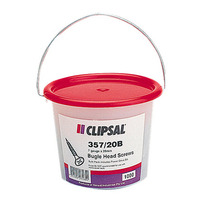
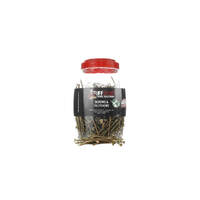
Find the best Screws Bucket Packs here at Sparky Direct. [ Read More ]
Trade counters are convenient when you need a small quantity in a hurry, but they often stock a limited range. Online suppliers such as Sparky Direct carry a broader selection of head types, gauges, and lengths, and orders can be placed at any time. With Australia-wide delivery, stock can be replenished without visiting a branch, which suits contractors working across multiple sites or in regional areas.
When choosing a supplier for screws and fixings, look for detailed product specifications including gauge, length, thread type, and material. A reliable supplier will stock branded fasteners from known manufacturers, provide clear stock availability information, and offer bulk pricing for larger orders. Sparky Direct lists exact product codes and specifications for every bucket pack, so you know exactly what you are ordering before it arrives on site.
Bucket packs are compact for their quantity, which keeps freight costs reasonable. Ordering multiple buckets together in a single shipment reduces cost per unit further. Check stock availability before placing a large order, and consider keeping a standing order for high-turnover sizes such as 7Gx25mm or 8Gx50mm bugle heads, which are used consistently across electrical, carpentry, and fit-out work.
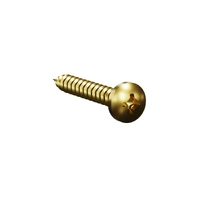
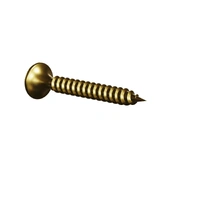
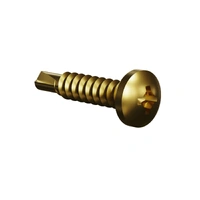
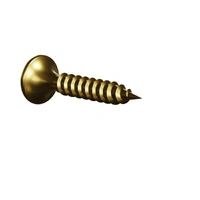
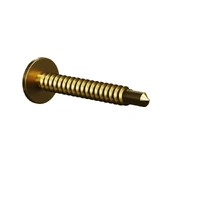
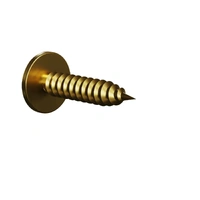
Coarse-thread screws with a sharp point are designed for timber. Bugle head profiles are popular for structural timber work because the tapered underside of the head drives flush without splitting the surface. Self-drilling bugle heads, such as the Clipsal 357 series, are widely used for fixing ceiling fan brackets to roof trusses and noggins, where speed of installation matters and pre-drilling is not always practical.
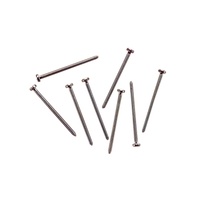
Machine screws have a consistent thread pitch suited to metal-to-metal fastening. M3.5 machine screws are a common size in electrical work, used to secure switch plates and socket outlets to ceramic or porcelain tiles where standard self-tappers will not bite effectively. The Clipsal 355A 50mm x M3.5 accessory screw is a dedicated example, supplied in packs sized for electrical contractors.
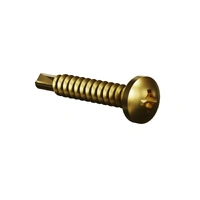
Drywall screws have a bugle head and a fine or coarse thread depending on the substrate. Fine-thread versions suit metal stud framing; coarse-thread versions grip timber studs. Pan head drywall screws are also available for applications where a flush finish is less critical. Macsim supplies drywall bugle head and pan head screws in bottle quantities suited to individual jobs and smaller projects.
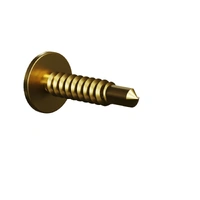
Outdoor screws require a corrosion-resistant coating or material. Wafer head and pan head screws in Class 3 or Class 4 coating are used for decking and structural outdoor applications. For coastal environments, stainless steel fasteners offer the most reliable long-term performance. See the wafer head screws and washer head screws categories for options suited to outdoor use.
Some contractors prefer to carry a single bucket containing several common sizes, reducing the number of containers on the van. Where mixed packs are not available, a practical approach is to stock two or three dedicated buckets in the most-used sizes and consolidate them into a single organiser tray on site. This keeps specific sizes accessible without confusion between gauges.
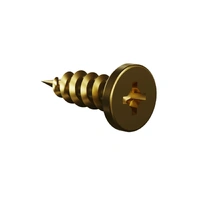
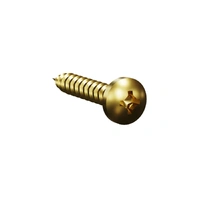
Countersunk heads sit flush with the surface once driven; bugle heads have a curved underside that guides the screw to depth without needing a recess; pan heads sit above the surface and are used where appearance is less critical or where a washer effect is needed. Choosing the correct head type affects installation speed, appearance, and holding performance. The bugle head screws and pan head screws categories at Sparky Direct are organised by head type for easy selection.
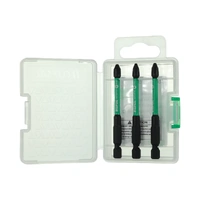
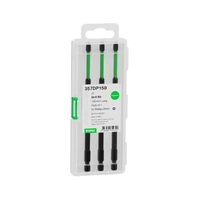
Phillips drive is the most common in the Clipsal range and suits most standard power drivers with a PH2 bit. Square drive (Robertson) offers better torque transfer and reduced cam-out risk, which is useful when driving large quantities of screws in repetitive tasks. Slotted drives are mostly found on legacy products and machine screws. When ordering bucket packs, confirm the drive type to ensure you have the correct driver bits on hand. Many Clipsal bucket packs include a free double-ended magnetic PH2 bit to match.
Gauge refers to the shank diameter. Common electrical trade gauges are 6G, 7G, 8G, and 10G, with higher numbers indicating a thicker shank. Length is measured from the underhead for countersunk screws and overall for pan head screws. Thread pitch is coarse for timber and plasterboard applications, and fine for metal. Using the wrong gauge or length is the most common selection error: a screw that is too short will not achieve adequate pull-out resistance, and one that is too long risks penetrating through the substrate or striking a hidden service.
A practical starting inventory for an electrical contractor includes: 7Gx25mm bugle head (1000 bucket) for general plasterboard work, 8Gx50mm bugle head (500 bucket) for ceiling fan brackets and heavy fixings, and 7Gx25mm or 7Gx45mm pan head for surface mounting and conduit work. This combination covers the majority of fastening tasks encountered in domestic and light commercial electrical installations.
Stainless steel fasteners (typically Grade 304 or 316) offer the highest corrosion resistance and are the correct choice for coastal installations, outdoor conduit saddles exposed to salt air, and marine environments. Grade 316 stainless has a higher molybdenum content than 304 and outperforms it in chloride-heavy environments. NLS supplies 316 stainless steel saddles for conduit runs near the ocean. Galvanised screws are cost-effective for general outdoor use in non-coastal conditions, but the zinc coating will eventually deplete in aggressive environments.
Most bucket pack screws in the Clipsal range are mild steel with a phosphate or similar protective finish. These are appropriate for interior applications and sheltered outdoor locations, but should not be used in direct contact with treated pine (H3 or above) without a corrosion-resistant coating, as the preservative chemicals accelerate corrosion of untreated steel.
Class 3 coating meets the requirements of AS 3566 for outdoor use in moderate environments. Class 4 provides additional protection and is specified for structural applications in more aggressive conditions. Epoxy-coated screws are used in some specialist applications. Buildex supplies CL4 hex head metal teks, which are suitable for structural steel applications requiring a higher coating classification.
Australian conditions vary significantly. A screw that performs well in a Brisbane suburb may corrode within months when installed on a beachfront property in Queensland or Western Australia. As a rule, increase the specification by one class when within 1km of the coast, and choose stainless steel for any fixing that will remain accessible for future removal, as corroded screws become very difficult to extract. The anchor screws category at Sparky Direct includes options rated for masonry and corrosive environments.
Always check screw compatibility before fixing into H3 or H4 treated pine. The copper-based preservatives used in treated pine accelerate corrosion of mild steel and electroplated zinc fasteners. For treated pine applications, use hot-dipped galvanised or stainless steel fasteners as per the timber supplier's recommendation and AS 1604.
Timber requires a coarse-thread screw with a sharp point and sufficient length to engage at least 30mm into the receiving member. Plasterboard uses coarse or fine thread depending on whether the substrate is timber or steel stud. Metal applications need a fine-thread or self-drilling screw with appropriate point geometry. Using a coarse-thread screw in metal will strip the thread immediately; using a fine-thread screw in softwood will reduce holding strength significantly.
Renovation work often involves a mix of timber framing, metal studs, plasterboard, and masonry. The most practical approach is to carry two or three dedicated bucket sizes for the most common tasks and supplement with a small packet of specialty screws for masonry anchors or tile-mounting applications. Sparky Direct stocks both self-drilling screws and anchor screws for mixed substrate requirements.
Electricians working across domestic and commercial sites will get the most value from the Clipsal self-drilling bugle head range. Bugle head buckets in the 7G range handle most plasterboard and general surface-mounting tasks, with pack sizes from 500 to 1100 screws to suit different job volumes. Larger 8G bugle heads suit ceiling fan bracket installation and heavier conduit saddle work, while the longest available lengths are the right choice for driving through roof trusses when securing fan timber supports at ceiling height. The Clipsal 355A M3.5x50mm is a dedicated tile-mounting screw for switch plates and socket outlets. Clipsal bucket packs include a free double-ended magnetic PH2 bit, which reduces the need to carry separate driver accessories.
Industrial and high-load applications require screws with a verified tensile and shear rating. Structural screws in light steel framing are typically 8G or 10G self-drillers with a Class 4 coating and a specified pull-out value per the manufacturer's load tables. Never substitute a standard drywall screw in a structural application: they are not rated for shear loads and can fail without warning. For structural fixing, consult the fastener manufacturer's load tables and AS/NZS 4600 (cold-formed steel structures) where applicable.
Homeowners and maintenance workers doing single projects may find a smaller jar or packet more appropriate than a full bucket. However, tradespeople with ongoing maintenance contracts benefit from bulk packs because the cost per screw drops substantially and on-site restocking interruptions are reduced. The key saving is time: at scale, a 1000-bucket at a fraction of the packet price pays for itself within a few jobs.
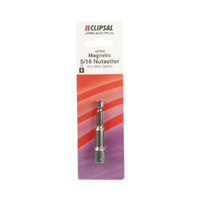
Tool tip: A magnetised driver bit makes a significant difference when installing large quantities of screws overhead or in roof spaces. Most Clipsal bucket packs include a magnetic PH2 bit, which keeps the screw on the bit during positioning. You can also use the screwdrivers and screwdriver kits available at Sparky Direct for manual fastening tasks.
Consistent thread pitch and depth are essential for reliable holding performance. Lower-quality fasteners often show variation in thread form across the batch, which leads to inconsistent installation feel and reduced pull-out resistance. Quality screws from established brands such as Clipsal and TuffStuff are manufactured to tighter tolerances and provide a more predictable driving experience across the entire bucket.
Screw strength is a function of material, diameter, and heat treatment. Higher-tensile screws resist breaking under load, which is critical for structural connections and for screws driven overhead, where a break would mean stopping to remove the shank. Budget screws often reduce material cost through thinner shanks or lower-grade steel, which increases the risk of shank fracture when driving into hardwood or when using a high-torque impact driver without a clutch setting.
Cam-out occurs when the driver slips out of the drive recess, often at the moment of full seating. It damages the drive recess and can damage the substrate surface. It is caused by using a worn bit, the wrong bit size, or excessive speed. A sharp, correctly sized PH2 or SQ1 bit maintained at 90 degrees to the screw reduces cam-out significantly. Square drive screws resist cam-out better than Phillips, which is why they are preferred for furniture assembly and high-volume installation tasks.
Screw failure under load has three main causes: incorrect size selection (too short or too thin), incorrect material for the substrate, or installation damage (stripped thread or snapped shank during driving). Failures at the shank typically result from too-high driver speed without clutch engagement. Failures at the thread indicate either too-short engagement length or a mismatch between thread pitch and substrate.
Price differences between bucket packs reflect material quality, tolerances, coating class, and brand. A Clipsal self-drilling bugle head bucket at a higher per-unit price than a generic import reflects the consistency of thread form, point geometry, and zinc coating that tradespeople rely on for installation reliability. Budget screws may perform acceptably for light interior work, but the risk of inconsistent performance increases with demanding applications.
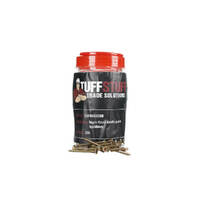
Economy packs from brands such as TuffStuff offer reliable performance at a lower price point for applications where Class 1 or standard-grade steel is adequate, such as interior surface mounting and cable management. Premium packs from Clipsal are the preferred choice where installation speed, consistent point geometry, and brand warranty matter to the end client or building inspector. The cost difference per screw is small; at scale across a full electrical fitout, it is worth calculating the total fastener cost before defaulting to the cheapest option.
Contractors working at volume should compare the per-unit cost of a 1000-bucket against a 100-packet of the same screw. The saving is typically 40 to 60 percent per screw at the 1000-unit level. For a contractor installing 20 to 30 downlights or surface sockets per week, a single 1000-bucket of 7Gx25mm bugle heads may last one to two months, reducing procurement administration and freight events significantly.
Keep a rolling inventory of the three to five screw sizes used most frequently on your work type. Review consumption monthly and reorder before the bucket is empty. Ordering a replacement bucket when a third of the current bucket remains ensures you are never caught short on site. Sparky Direct offers tool bags and storage accessories alongside fasteners if you are setting up a van or site kit for the first time.
Keep bucket packs sealed when not in use to prevent moisture ingress. In coastal or high-humidity environments, storing fasteners inside the van rather than in external toolboxes reduces exposure to salt air. Mild steel screws that are repeatedly wetted and dried will begin to show surface rust within weeks. Surface rust on a screw does not necessarily reduce structural performance, but it can cause staining on painted plasterboard and makes the screw more difficult to drive cleanly.
When multiple bucket sizes are in use simultaneously, label each bucket clearly with the size and head type using a permanent marker or label. This prevents mixing sizes, which is a common cause of incorrect screw selection under time pressure. A small magnetic tray attached to a ladder or scaffold rail keeps the working size accessible without having to reach into a bucket repeatedly.
For businesses managing multiple vans, a central stores location with labelled bins for each screw size and a reorder trigger level written on each bin keeps procurement straightforward. A first-in, first-out rotation of stock prevents older product from sitting at the bottom of a bin indefinitely. Screws do not have a formal expiry date, but prolonged storage in adverse conditions degrades the coating and increases rejection rates on installation.
Self-drilling screws do not require pre-drilling in most applications, which is their key advantage on the tools. However, when driving into hardwood or dense engineered timber, a pilot hole at 75 percent of the shank diameter reduces the risk of shank fracture and improves the final seating. For masonry applications, a suitable anchor or plug is always required; screws alone will not hold in brick, concrete, or block without mechanical anchorage.
Set your driver clutch to a torque that seats the screw flush without breaking the head. Impact drivers without a clutch should be used with care on drywall screws: the high torque can snap the shank at the minor thread diameter. Drive at 90 degrees to the surface to prevent the thread from chewing out an oversized hole. Keep the bit engaged with the drive recess throughout the driving stroke; lifting off under load is the primary cause of cam-out damage.
Screws in timber can loosen over time due to timber shrinkage as the moisture content changes. Pilot holes slightly smaller than the thread diameter minimise the clearance that allows movement. In vibration-prone locations, thread-locking compound applied to the shank prior to driving adds resistance to loosening. For electrical fixtures subject to vibration from motor loads, always check fixings at the first annual inspection and retighten as needed.
The most common mistakes are: using the wrong length (too short for the substrate thickness), over-driving past flush in plasterboard (breaking the paper face and reducing grip), mixing gauge sizes from different buckets, and using drywall screws in structural applications where a rated fixing is required. A screw with a snapped shank should always be removed and replaced; a broken shank driven flush carries no load.
Rapid surface rust indicates that the protective coating has been compromised or is insufficient for the environment. This is most common when standard phosphate-coated steel screws are used in outdoor or high-humidity locations. Switch to a Class 3 coated or stainless steel option for those applications. Screws that rust inside a sealed bucket have usually been exposed to moisture before packing or stored in a damp environment.
Thread inconsistency across a batch is a sign of lower manufacturing quality. Symptoms include screws that drive easily at first but then feel loose in the substrate, or screws that require varying torque to reach the same depth. The best indicator is the installation feel: a quality screw should require a consistent, progressive increase in torque as it seats. If the feel varies significantly between screws from the same bucket, the thread geometry is inconsistent.
Stripping occurs when the substrate material around the thread is sheared. Causes include using too short a screw (insufficient thread engagement), driving into a substrate that is too hard or too soft for the thread pitch, or over-torquing past full seating. In plasterboard, over-driving is the most common cause of pull-out failures at the screw location. For fragile substrates, reduce driver speed and clutch torque.
Shank fracture typically occurs at the root of the threads or at the transition between the shank and the drive head, which are the points of highest stress concentration. It is most common when driving into hardwood without a pilot hole, or when using an impact driver at maximum torque. Lower-grade steel used in some budget screws has a reduced tensile strength and is more prone to fracture at these stress points. If shank fractures are recurring with a particular bucket, switch to a premium brand for that application.
Fastener selection for structural applications is governed by Australian Standards including AS 3566 (self-drilling screws for the building and construction industries), AS 1214 (hot-dip galvanised coatings for fasteners), and AS/NZS 4600 (cold-formed steel structures). The National Construction Code (NCC) references these standards for prescriptive compliance. Non-structural electrical fasteners such as surface-mount fixing screws are not subject to the same loading requirements, but should still be selected to suit the substrate and environment.
Electrical installations must comply with AS/NZS 3000:2018 (Wiring Rules). While the standard does not prescribe specific screw types for all applications, it does require that all fittings and fixings be adequate for the mechanical demands of the installation and the environmental conditions. Ceiling fans and heavy luminaires require fixings that meet the manufacturer's installation instructions, which typically specify minimum screw size and substrate engagement depth. Always follow manufacturer instructions for fixing electrical equipment to ceilings and walls.
Certain chemical coatings and preservatives used in treated timber can pose skin and eye irritation risks during installation. Always wear gloves when handling treated pine that has been freshly cut, and wash hands before eating or touching the face. Hexavalent chromium coatings (yellow zinc plate) are being phased out of fastener manufacture due to environmental and health concerns; most modern screws now use trivalent chromium or organic coatings that present a lower risk profile.
Modern zinc coatings have largely transitioned away from hexavalent chromium to trivalent alternatives that offer comparable corrosion resistance with a significantly lower environmental and health impact. Stainless steel fasteners, while higher in embodied energy at manufacture, have a much longer service life than coated mild steel and reduce the frequency of replacement. Over a 20-year building lifecycle, the total environmental impact of a stainless fastener in a coastal application is typically lower than multiple replacements of a coated mild steel equivalent.
Bucket packs reduce packaging waste significantly compared to equivalent quantities purchased in small blister packs or cartons. A 1000-bucket uses one plastic container and one lid; the same quantity in 10-packs generates ten separate blister card assemblies. The bucket container itself is reusable for site storage of other small components once the original screws are consumed.
Unused or mixed screws should be separated by material type where possible. Steel fasteners can be deposited at scrap metal facilities. Avoid mixing stainless steel with mild steel in scrap collections, as contamination reduces the value and recyclability of both materials. Small quantities of screws from a construction project can typically be donated to community workshop programs or hardware co-operatives rather than going to landfill.
Club Clipsal is Australia's largest electrician community offering trade rewards, business support, and exclusive benefits. When you nominate Sparky Direct as your preferred wholesaler, we automatically apply your Clipsal spend points to your Club Clipsal account daily.
Entry-level offering coaching, mentoring, and training discounts
Unlock exclusive industry tools and networking events
Access Toyota fleet offers and business software discounts
Maximum benefits, including VIP experiences and rewards
1. Sign Up: Create your Club Clipsal account at clipsal.com/club-clipsal or via the iCat mobile app
2. Nominate Sparky Direct: Select Sparky Direct from the wholesaler dropdown menu in your profile
3. Add Email: Enter your Sparky Direct account email address in the membership number field
4. Start Earning: Every dollar spent on Clipsal products earns points automatically
Redeem points from the rewards store, including gift cards, tools, and experiences. Access business summits, product training, and industry networking events. Receive early access to new product launches and special promotions. Connect with fellow electricians via the Club Clipsal community app.
Watch Clipsal 355A 50mm x M3.5 General accessories Screws | Perfect for mounting switch plates & socket outlets on Tiles (10 pack) video
Watch Clipsal 357WH25B | Self Drilling Washer Head Screws 8g x 25mm | Bucket: 500 Incl. FREE Phillips Double-Ended Magnetic Screwdriver Bit video
Watch Clipsal 357WH12B Self Drilling Screw, Washer Head, 8Gx12mm, 1000 per Bucket Incl. FREE Phillips Double-Ended Magnetic Screwdriver Bit video

These are fantastic for installing a ceiling fan timber in a roof space. With your drill on the low speed you can drill through the truss and into your noggin with confidence
What can I say, but they're screws and they do exactly what you'd expected. Quality is good, happy camper.
Deliver promptly and specified on the web site, another excellent product from Sparky Direct
Quality products in stock • Fast Australia-wide delivery • Competitive trade pricing
Browse Screws Bucket Packs → Get Expert Advice →Most bucket packs come with resealable lids to keep screws secure and protected from dust and moisture.
Sparky Direct supplies screws bucket packs across Australia, offering bulk fastener solutions with convenient delivery.
Bucket packs are packaged for transport and delivered via standard courier services.
Unopened bucket packs are generally eligible for return according to the seller’s returns policy.
Warranty coverage depends on the manufacturer and typically covers manufacturing defects.
The number of screws varies by product and screw size, with quantities clearly listed in product details.
Yes, installation is the same as standard screws, using appropriate tools and methods.
When stored in a dry environment, bucket packs are suitable for long-term storage.
Yes, having screws stored in labelled buckets helps reduce clutter and improve efficiency.
Mixed packs can be suitable for multiple applications, while single-type packs are better for repeat jobs.
Weight varies depending on screw size and quantity, but the bucket design makes them easier to handle.
Buying screws in bucket packs is often more cost-effective per unit compared to smaller packs.
Bucket packs can be used for DIY projects, but selecting the correct screw type is important for safety and performance.
Screws bucket packs are bulk packs of screws supplied in durable buckets, designed for high-volume use and easy storage on site.
Yes, the buckets are designed to be stackable and durable for workshop or site storage.
Bucket packs reduce the need for frequent reordering and are easier to transport and store on job sites.
They are commonly used for mounting electrical accessories and enclosures, but electrical work must be completed by a licensed electrician.
Some bucket packs contain mixed sizes or types, while others are single-size for consistent fixing work.
Bucket packs are available in various screw sizes, lengths, and thread types depending on the product range.
Outdoor suitability depends on the screw material and coating, such as galvanised or stainless steel finishes.
Yes, bucket packs are popular with trades due to their bulk quantity, convenience, and cost efficiency.
They are commonly made from steel or stainless steel, with various coatings for strength and corrosion resistance.
Many screws in bucket packs are manufactured to meet relevant AS/NZS standards, but compliance depends on the specific screw type.
Yes, screws supplied in bucket packs are the same quality and specifications as those sold in smaller retail packs.
Bucket packs may contain wood screws, metal screws, self-drilling screws, or mixed assortments, depending on the product.