
Search Results:
Search Results:
Search Results:
Search Results:
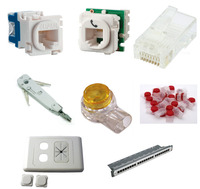
Find the best data & phone accessories here at Sparky Direct. [ Read More ]
The term covers every fitting between the source signal (a rooftop antenna, an NBN connection point, or a comms cabinet) and the device being used. This includes wall outlets, data jacks, splitters, masthead amplifiers, signal finders, patch leads, cable entry plates and the connectors used to terminate cable runs.
Each accessory is a link in the signal chain. A poor-quality F-type connector or an incorrectly terminated RJ45 jack can drop signal strength enough to cause TV pixelation or network slowdowns. The right components keep the signal path clean from source to device.
Cabling work in Australia is regulated under AS/CA S009 and AS/NZS 3000:2018. Using compliant accessories is part of meeting those rules. Compliance also protects the installation against insurance and warranty issues if a fault later occurs.
Electrical wholesalers stock the trade-grade brands electricians and registered cablers use day-to-day. Retail stores carry a narrower range, often skewed to consumer-grade products. Wholesalers also offer bulk pricing and same-trade-day dispatch on most lines.
Look for stocked product (not drop-shipped), clear technical specs on each listing, fast Australia-wide shipping, and a phone line staffed by people who understand cabling. A good supplier will tell you when a product is out of stock rather than taking the order and delaying you.
For large fitouts, buying jacks, plates and connectors in bulk reduces unit cost and ensures consistency across the site. Sparky Direct dispatches most stocked items the same business day from its Brisbane warehouse.
Australian TV outlets traditionally use PAL (IEC 169-2) connectors, but most modern installations now use F-type screw connections. F-type provides a more secure mechanical and electrical contact, particularly important for digital signals. TV cable connectors are available in both formats and as PAL-to-F adaptors for retrofit work.
RG6 is now the standard for digital TV and satellite installations. It has lower signal loss than the older RG59 across UHF and higher frequencies. Quad-shielded RG6 adds further protection against interference from nearby power cables and wireless devices. Use it on any new install where signal integrity matters.
A splitter divides one signal across multiple outlets, but each split causes a measurable loss. As a guide, a 2-way splitter loses around 3.5dB per leg, a 4-way around 7dB. Where multiple TVs are fed from one antenna, a masthead amplifier installed close to the antenna boosts signal before it is split, preserving picture quality. Browse splitters and amplifiers for the full range.
A poorly crimped F-type connector is one of the most common causes of intermittent reception. The braid must contact the connector cleanly, the centre conductor must sit flush, and the outer dielectric must not be nicked. Use a proper coax stripper and a quality crimp tool, not pliers.
Each cable category supports a different bandwidth and frequency. The differences matter when planning for current and future network speeds.
| Category | Max Speed | Frequency | Typical Use |
|---|---|---|---|
| Cat5e | 1 Gbps | 100 MHz | Older home networks, basic VoIP |
| Cat6 | 1 Gbps (10 Gbps to 55m) | 250 MHz | New residential and small commercial |
| Cat6A | 10 Gbps to 100m | 500 MHz | Commercial, high-density POE, futureproofing |
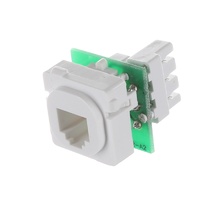
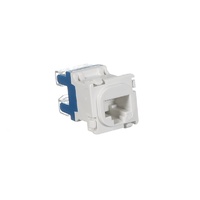
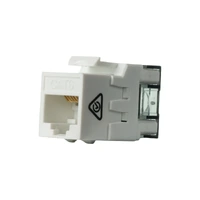
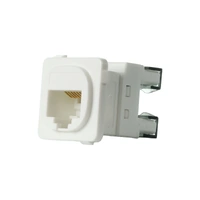
Keystone-style RJ45 jacks clip into standard wall plate cutouts and patch panels, allowing data, phone and even HDMI to share a common framework. This modularity makes future changes easier: pop out one jack, click in another. Ethernet wall sockets in keystone format are widely used in current Australian installations.
Single, dual and quad data plates are common at workstations. Mixed-service plates (data plus TV plus power) are typical at media wall positions. Plan layouts before rough-in so the right backbox depth and cable count is available at each location.
Power over Ethernet delivers up to 90W (PoE++) over a single Cat6A run, powering Wi-Fi access points, IP cameras, door access readers and smart switches. Cable category and termination quality directly affect PoE budget and stability, so do not under-spec cable for a PoE install.
RJ11 is the traditional Australian telephone connector. RJ45 is now used for both data and voice in most new installations because VoIP runs over the data network. New cabling is generally Cat6 terminated as RJ45, with RJ11 phone handsets connected via a small adaptor where required.
Where a copper phone line is still in use (some rural and legacy installs), a Cat 3 mechanism such as the NLS 30553 or Clipsal 30RJ64SMT terminates the cable cleanly behind a standard wall plate. Line filters remain relevant for any remaining ADSL connections.
Most NBN connections deliver phone service via the router, not the wall socket. The internal phone wiring is therefore connected to the router rather than to the network boundary point. This often means re-terminating existing phone cabling or running new Cat6 to suit.
Lightning and switching transients can travel along communication lines and damage modems, routers and phone equipment. Inline surge protectors fitted at the entry point reduce this risk significantly.
Clipsal and PDL each use their own grid and mechanism format. Clipsal 2000, 30 Series, Iconic, and Saturn ranges all share certain mechanism dimensions but differ in surround and skin design. PDL Pro Series uses a separate format. Mixing brands within one plate is rarely a clean fit.
Plates are sized by the number of mechanisms they hold, from single gang up to six-gang horizontal panels used as compact patch panels. The 2-gang and 4-gang formats are most common for combined power-plus-data positions.
When extending an existing installation, identify the grid system in place before ordering. A 30 Series plate will not accept an Iconic skin, and vice versa. Bring a sample mechanism to the supplier counter or note the part number stamped on the back.
White, vivid white, anthracite, black and brushed aluminium are all available across major ranges. Within a single project, stick to one finish family for consistency.
Residential installs typically use Cat6 data, F-type TV outlets and basic phone provision. Commercial installs run higher cable counts, Cat6A as standard, structured patch panels, and dedicated comms cabinets. Spec to the use case, not just the budget.
Cat6A pulled to a Cat5e jack will only perform to Cat5e. Match jacks, patch leads and patch panels to the cable category for the network to actually deliver its rated speed.
Three common compatibility traps: mismatched grid systems, mixing PAL and F-type without an adaptor, and using cheap RJ45 connectors that crush the cable rather than terminate it cleanly.
Where access is difficult (in-slab conduit, two-storey runs), pull at least one extra cable per location and leave a draw wire in the conduit. Cat6A costs little more than Cat6 and adds 10-year headroom. Data cabinets sized one rack-unit larger than current need will absorb future expansion without a rebuild.
Signal loss accumulates across cable runs, joins, splitters and connectors. Each component should be specified for the frequency range it will carry. For coaxial, this means RG6 with quality F-type terminations. For data, this means cable, jacks and patch leads matched to the same category.
Trade-grade products survive being installed, removed and reinstalled. Cheap mechanisms can crack on first installation. Inspect the back of the mechanism: solid IDC contacts, clear colour codes and a robust housing are all signs of a quality jack.
Look for AS/CA S009 compliance marking on cabling components. Brands such as Clipsal, Hills, Madison Technologies, Matchmaster and Belden carry the relevant approvals. Clipsal, Matchmaster, Madison Technologies, 4Cabling, and Hills are widely used in Australian comms work.
Established brands offer technical documentation, replacement parts, and support if something goes wrong on site. Unbranded jacks and connectors rarely come with anything other than the box.
AS/CA S009 is the regulatory standard for customer cabling in Australia. It covers separation from electrical cables, termination practice, earthing, and labelling. All work on the customer side of the network boundary point falls under this standard.
Only ACMA-registered cablers may carry out customer cabling work in Australia. Three classes of registration apply: Open, Restricted, and Lift. The work category determines which class is required.
For RJ45, maintain pair twist as close to the IDC contact as possible. Avoid untwisting more than 13mm. For F-type coax, use a stripper that gives a clean three-step strip and crimp with a proper compression tool. For phone, follow the standard A or B colour code consistently throughout the install.
All data terminations should be tested with at least a wire-map tester such as the Klein Tools VDV526-200. For commercial installs, certification testing with a Fluke or equivalent meter is the norm. For TV, a digital signal finder confirms quality at each outlet.
A pass-through RJ45 crimper, a punchdown tool with Krone blade, a coax stripper and crimper, and a wire-map tester will cover the majority of TV, data and phone work. Browse TV and data tools for the full range.
Run comms cables in dedicated conduit where possible, separated from power cables to minimise interference. Communication conduits are colour-coded white in Australia for clear identification. Use sweep bends rather than tight elbows to keep cable bend radius compliant.
Label every cable at both ends with a unique identifier matching the patch panel port. Keep a printed schedule in the comms cabinet. This pays for itself the first time someone needs to trace a fault or move a desk.
Allow 25 percent spare capacity in conduit fill, patch panel ports and rack space. Most installs grow within five years, and rework is far more expensive than over-provisioning at install time.
Use brush plates and recessed wall boxes at AV positions to allow cables to be added or swapped without re-cutting plasterboard. Cable management products designed for AV use make later upgrades a 30-minute job rather than a half-day patch and paint.
Pixelation, sound dropouts and snow-like patterns on TV are usually the result of low signal-to-noise ratio. Check the antenna alignment, look for damaged or kinked coax, verify F-type terminations are tight and weather-sealed, and check if a splitter is over-loading the line.
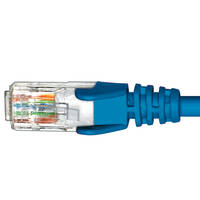
If a network port shows intermittent connection or runs slower than expected, swap in a known-good patch lead first. If the issue persists, test the wall jack with a wire-map tester. Cross-talk from poor termination is a common cause of slow speeds on long Cat5e and Cat6 runs.
Mixing the A and B colour codes within a single run will cause a connection to fail. Always pick one standard (typically T568A in Australia) and stick to it throughout the install.
If a mechanism will not click into a plate, check the grid system before forcing it. Iconic, 30 Series, 2000 Series and PDL Pro all look similar but use different clip patterns.
Budget jacks and connectors can be 50 to 70 percent cheaper than premium brands, but failure rates and rework time often outweigh the savings. For high-traffic ports (server room, comms cabinet), premium pays back within months.
Buying jacks, plates and connectors by the box reduces unit cost and ensures every position on the job is identical. This matters more than it sounds: mixed batches of supposedly identical parts often have small visual differences.
The hidden cost of a cheap jack is the call-back. Even one return visit to replace a faulty jack typically costs more in labour and travel than the price difference between budget and premium for the entire job.
Standardising on one brand and one cable category across a project simplifies stockholding, training and fault-finding. Most established trade businesses settle on one or two preferred brands for this reason.
Typical residential fitout includes a TV outlet at each main viewing position, a data point at each desk and bedroom, and a comms cabinet near the NBN entry point. Cat6 is now the residential default.
Commercial sites use higher cable counts per work area, structured patch panels in a comms room, and Cat6A or fibre backbone. Trunking, ladder rack and dedicated comms cabinets are standard.
MDU work involves rooftop antenna distribution to multiple units via amplifiers and splitters, plus per-unit comms boxes. Signal budget calculations are essential to ensure every unit gets adequate level.
PoE-powered lighting, access control, sensors and AV all converge on the structured cabling system. A future-ready install treats the data backbone as the central service, not just an internet connection.
Cabling work in Australia is regulated. AS/CA S009 governs customer cabling, AS/NZS 3000:2018 covers the electrical installation, and AS/NZS 3084 covers data cabling pathways. Compliant installation protects the user and the trade business.
Non-compliant work creates safety, insurance and liability exposure. In the event of a fire or electrical incident, non-compliant cabling can void building insurance and may result in regulatory action.
The Australian Communications and Media Authority administers cabler registration and the technical standards that apply to telecommunications cabling. Only registered cablers may perform customer cabling work for reward.
Use components carrying the relevant compliance marks. Belden, PDL, and HPM are well-established names whose products are designed for the Australian market and standards.
Club Clipsal is Australia's largest electrician community offering trade rewards, business support, and exclusive benefits. When you nominate Sparky Direct as your preferred wholesaler, we automatically apply your Clipsal spend points to your Club Clipsal account daily.
Entry-level offering coaching, mentoring, and training discounts
Unlock exclusive industry tools and networking events
Access Toyota fleet offers and business software discounts
Maximum benefits, including VIP experiences and rewards
1. Sign Up: Create your Club Clipsal account at clipsal.com/club-clipsal or via the iCat mobile app
2. Nominate Sparky Direct: Select Sparky Direct from the wholesaler dropdown menu in your profile
3. Add Email: Enter your Sparky Direct account email address in the membership number field
4. Start Earning: Every dollar spent on Clipsal products earns points automatically
Redeem points from the rewards store, including gift cards, tools, and experiences. Access business summits, product training, and industry networking events. Receive early access to new product launches and special promotions. Connect with fellow electricians via the Club Clipsal community app.
Watch Matchmaster 01MM-SA100 Log Periodic Digital TV Antenna VHF/UHF 9 Elements video
Watch Clipsal Iconic 40RJ45SMA6C-TN RJ45 Socket Cat 6 Mechanism Translucent video
Watch MATCHMASTER 07MM-ES04 4 Way All Ports Splitter F Type video

Received my Matchmaster 01MM-SA100 Log Periodic Digital TV Antenna VHF/UHF 9 Element antenna as advertised. Installed this unit myself in about 40 minutes replacing old with new, f type fittings supplied made the process easy as I already have the cable cutting tool and crimper to complete the installation. Completed wiring, tightened clamp nuts, used a tv signal finder app from Google Play turned on tv and checked picture quality, made minor adjustments and the antenna works beautifully. Would highly recommend this product.
This is an absolutely fantastic product. They are very easy to install, and they make so much sense with respect to the size of the plugs here in Australia. When you've got things you flush against the wall, these recessed outlets are absolutely the way to go. Sparky direct was excellent with their service and speed in which they delivered these outlets.
My partner and I have bought two big orders now from Sparky Direct and both times our packages arrived very quickly and we received all the correct items. Sparky direct have been a great company to go thought for any electrical needs. We love the Clipsal Iconic range! Looks so beautiful in our newly renovated home. Highly recommend.
Quality products in stock • Fast Australia-wide delivery • Competitive trade pricing
Browse TV, Data and Phone Accessories → Get Expert Advice →They can look similar, but internal connections and performance ratings may differ.
Sparky Direct supplies data and phone accessories Australia-wide, offering reliable cabling solutions with convenient delivery.
They are securely packaged and delivered via standard courier services.
Unused items are generally eligible for return according to the seller’s returns policy.
Warranty coverage varies by manufacturer and typically covers defects in materials or workmanship.
They are available both individually and in multi-pack options depending on the product.
Yes, structured cabling work should be completed by licensed or registered cablers.
They generally require minimal maintenance once installed.
They are often used when upgrading or expanding existing cabling systems.
Yes, low-quality components can lead to signal loss or unreliable connections.
Quality accessories are designed for long-term use and repeated connections.
Yes, wall plates and cable management accessories help keep installations tidy and accessible.
Yes, they are commonly used in home offices for reliable internet and phone connections.
Data and phone accessories are components used to support, connect, terminate, or manage data and telephone cabling systems.
Installation is straightforward for trained professionals, but cabling work must follow regulations.
Selection depends on the cabling type, installation environment, and intended use.
Yes, they form an essential part of structured cabling installations.
Yes, shielded data accessories are available for environments with higher interference.
Yes, quality accessories help maintain signal integrity and network performance.
Some components are universal, while others are specific to certain cabling types or systems.
Yes, phone accessories are still used for landline services, PBX systems, and some business applications.
They commonly support Cat5e, Cat6, Cat6A, and other structured cabling systems.
Yes, they are used in both residential homes and commercial buildings.
Many products are designed to meet relevant AS/NZS cabling and electrical safety standards, depending on the application.
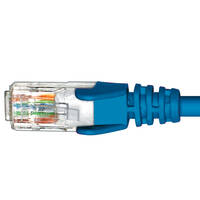
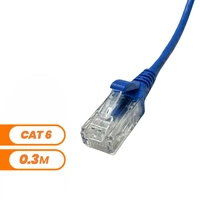
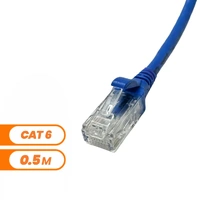
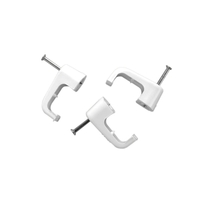
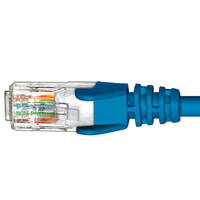
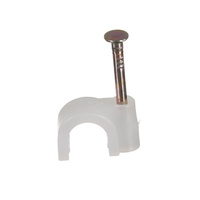
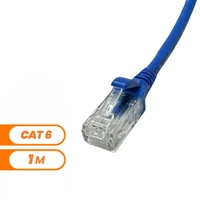
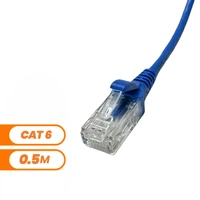
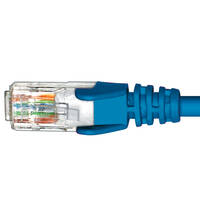
Common accessories include data outlets, phone sockets, patch leads, keystone jacks, wall plates, clips, and cable management items.