

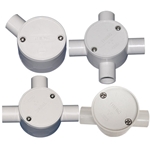



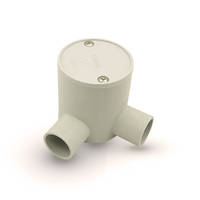
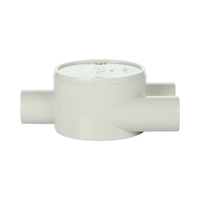
What Are Conduit Junction Boxes and How Do They Work?
Table of Contents
- Understanding Conduit Junction Boxes
- Types of Conduit Junction Boxes
- Sizes, Entries and Capacity
- Choosing the Right Junction Box
- Applications Across Installations
- Installation and Compliance
- Common Installation Mistakes
- Comparing Junction Box Options
- Performance and Long-Term Reliability
- Pricing, Value and Buying
- Practical Buying Guidance
- Club Clipsal at Sparky Direct
- Product Videos
- What Sparky Direct Customers Say
- Quick Summary (TL;DR)
- Frequently Asked Questions about Conduit Junction Boxes
Understanding Conduit Junction Boxes
What a Conduit Junction Box Is and How It Works
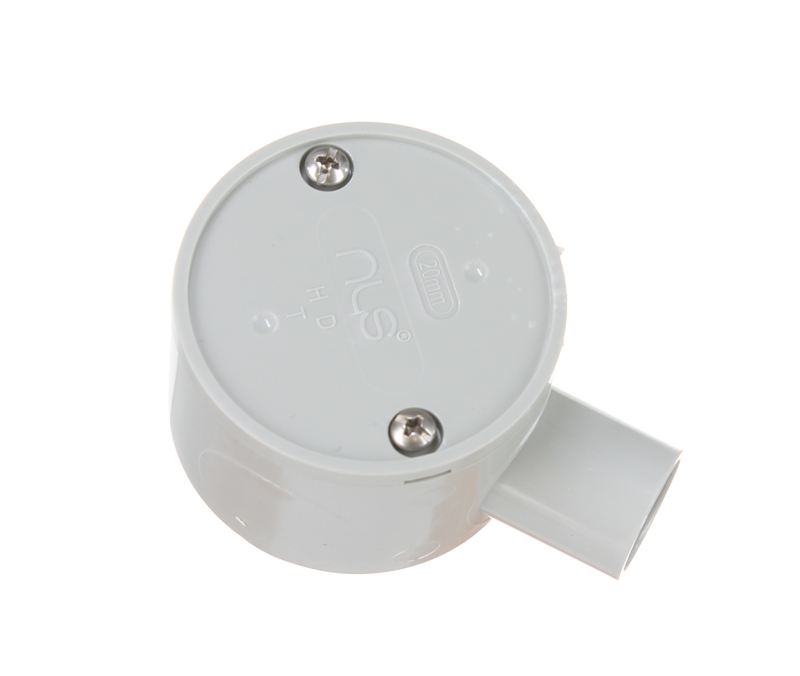
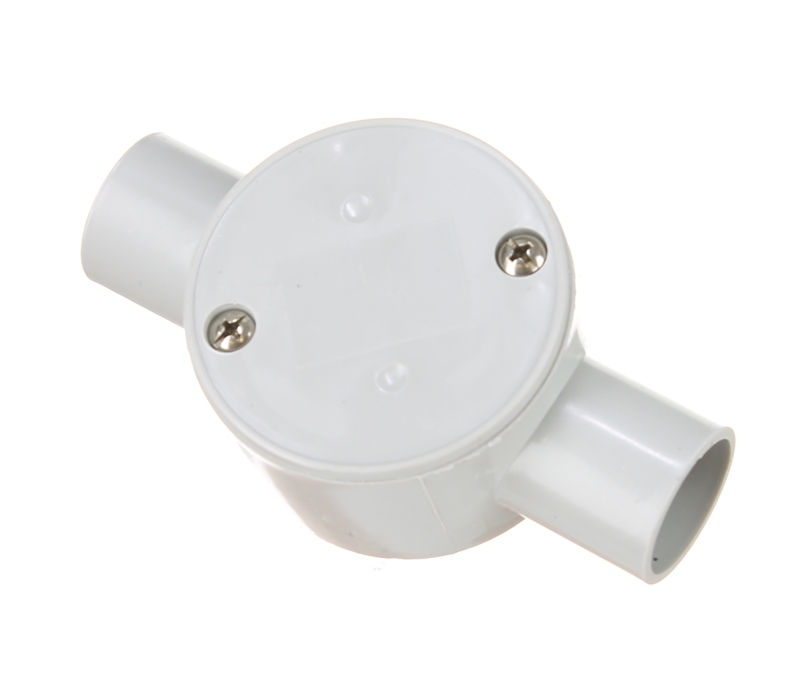
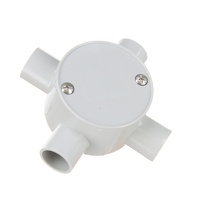
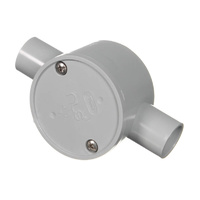
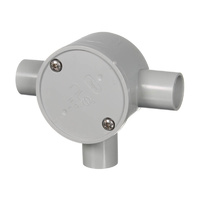
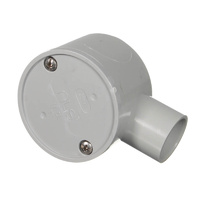
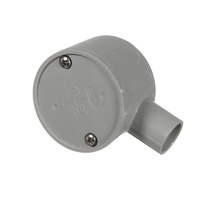
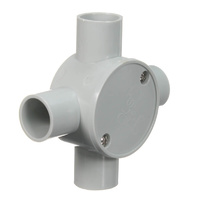
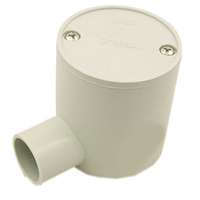
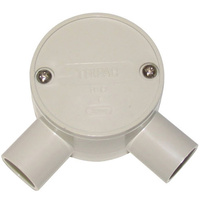
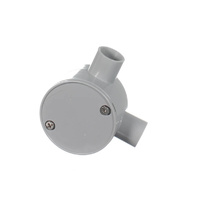
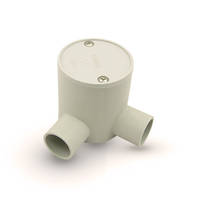
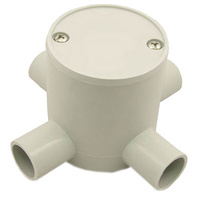
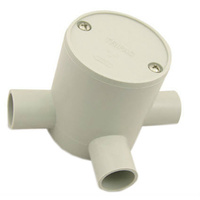
A conduit junction box is a sealed plastic or metal enclosure fitted into the line of a conduit run. It accepts one or more conduit entries, lets cables pass through, and provides a protected space where conductors can be joined, branched, or terminated. Once the cable connections are complete, the lid is secured to seal the box and protect the joint from dust, moisture, and accidental contact.
Why Junction Boxes Are Critical in Conduit Systems
Conduit protects cables along straight runs, but real installations need joins, splits, and direction changes. Junction boxes provide the only compliant location to make those connections inside a conduit system. They keep cable joints accessible for future inspection, contained against fault arcs, and protected from environmental damage. Without them, cables would have to be jointed inside conduit, which fails compliance and creates hidden fire risk.
Junction Box vs Pull Box vs Standard Enclosure
A junction box is sized for joining and branching conductors. A pull box is sized to ease cable hauling through long runs and is not normally used for joints. A standard electrical enclosure is a larger housing for switchgear, terminals, or controls. Junction boxes sit between these in scale and are purpose-built for cable joints inside a conduit system.
Key Compliance Requirements Under AS/NZS 3000
AS/NZS 3000:2018 requires that all cable joints remain accessible for inspection, are contained inside an enclosure rated for the environment, and use connectors suitable for the conductor type. Junction boxes must not be buried in plaster or hidden behind permanent finishes. The IP rating must match or exceed the conditions of the install location.
Types of Conduit Junction Boxes
Round vs Square vs Rectangular Junction Boxes
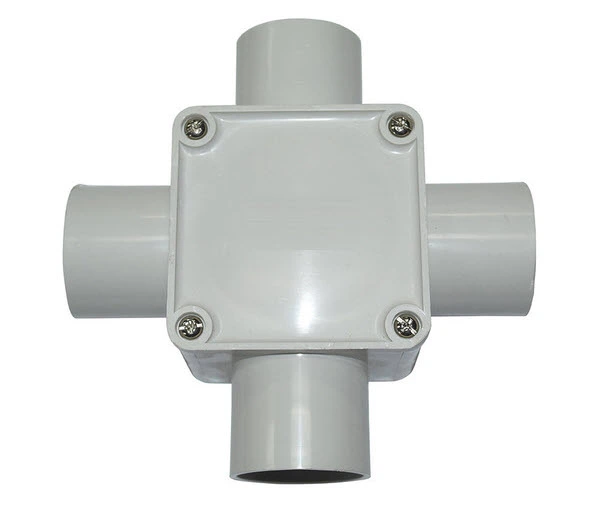
Round boxes suit single conduit entries and minor branch joins. Square and rectangular boxes provide more internal volume and accept multiple conduit entries from different faces. Round boxes are common in surface conduit work where neat appearance matters. Square boxes dominate in industrial fit-outs where multiple branches converge.
Deep vs Shallow Junction Box Variants
Shallow boxes minimise protrusion from the wall surface and suit light cable counts with simple joins. Deep boxes provide extra internal volume for multiple cables, larger conductors, or terminal blocks. Choose deep when fitting a connector strip or joining three or more conductors per terminal.
Weatherproof and IP-Rated Junction Boxes
Outdoor and wet-area installs require sealed weatherproof boxes. Look for boxes rated IP54 or higher for damp areas, IP65 for direct rain exposure, and IP66 or IP67 for hose-down or partial submersion environments. Sealing relies on a gasket lid and gland-fitted conduit entries.
PVC vs Metal Junction Boxes
PVC junction boxes are the standard choice for general electrical work in Australia. They resist corrosion, are non-conductive, and are lighter to handle. Metal boxes appear in industrial applications where mechanical impact resistance or earthing of the enclosure is required. Check whether the cable system requires a metallic earth path before choosing metal.
Sizes, Entries and Capacity Considerations
Standard Sizes (20mm, 25mm, 32mm and Above)
Junction boxes are sized to the conduit they accept. The most common sizes in Australian electrical work are 20mm conduit junction boxes for general wiring and 25mm conduit junction boxes for heavier sub-mains and multi-cable runs. 32mm conduit junction boxes suit larger feeders or runs where multiple smaller cables share a single conduit. Sizes above 32mm exist for industrial work and feeder installations.
Matching Conduit Entry Sizes to Box
The box entry must match the outside diameter of the conduit. Mixing 20mm conduit with a 25mm entry leaves a gap that breaks the seal and fails compliance for IP-rated boxes. Where mixed sizes are unavoidable, use a stepped reducer fitting between the conduit and the entry.
Internal Volume and Conductor Capacity
Internal volume determines how many conductors and connectors fit safely inside. AS/NZS 3000 sets cable fill limits to prevent overheating and physical damage to insulation. As a working rule, leave at least 50% free space inside the box after all cables and connectors are fitted. Tight packing makes future inspection difficult and traps heat at the joint.
Avoiding Overcrowding and Heat Build-Up
Overcrowded junction boxes are a leading cause of insulation failure at cable joints. Heat from current flow has nowhere to dissipate when conductors are pressed against each other and against the enclosure walls. Step up to a deep variant or split the joint across two boxes when conductor count or terminal size pushes the box past comfortable capacity.
Choosing the Right Conduit Junction Box
Matching Box to Conduit Type and System
The box must match both the size and the duty rating of the conduit. Heavy duty orange conduit pairs with heavy duty fittings. Communications conduit pairs with communications fittings. Mismatched fittings can be physically forced together but the joint loses mechanical and ingress protection rating.
Indoor vs Outdoor vs Industrial Environments
Indoor dry installs accept the broadest range of standard junction boxes. Outdoor installs need weatherproof boxes with sealed gasket lids and gland-fitted entries. Industrial environments may add chemical exposure, mechanical impact, or temperature extremes that push the spec to metal enclosures or higher IP ratings.
IP Rating Selection Based on Conditions
IP ratings encode protection against solids and liquids. The first digit covers solids (dust), the second covers liquids (water). Choose IP44 or higher for sheltered outdoor positions, IP54 for general weather exposure, IP65 for direct rain or splash, and IP66 or IP67 for hose-down or temporary submersion. Always select to the worst-case condition the box will see.
Common Selection Mistakes to Avoid
Specifying a shallow box for a multi-cable join is the most common mistake. Choosing standard boxes for outdoor positions runs a close second. Both create rework once the install is inspected. Select the box after counting the cables and confirming the environment, not before.
Applications Across Electrical Installations
Residential Conduit Systems
Residential work typically uses 20mm boxes for general lighting and power circuits. Boxes appear in roof spaces, behind switchboards, and at branch points to outbuildings. Standard PVC boxes suit dry interior locations. Garage and shed installs that share with damp areas need at least a basic weather seal.
Commercial Fit-Outs and Surface Conduit
Commercial fit-outs often run conduit on the surface, which makes the junction box visible. Round boxes give a tidier finish in office environments. Square boxes suit ceiling space work where multiple branches converge above a suspended ceiling.
Industrial and Hazardous Area Installations
Industrial installs may require metal boxes for impact resistance, or specialist enclosures rated for hazardous areas. Always verify the area classification before choosing the enclosure. Standard PVC boxes are not suitable for hazardous-area work.
Outdoor and Weather-Exposed Installations
Garden lighting, pool equipment, and external solar installs all need weatherproof junction boxes. The IP rating sets the floor; UV resistance sets how long the enclosure survives Australian sun. Position boxes out of direct sun where possible to extend service life.
Installation Best Practices and Compliance
Positioning and Accessibility Requirements
Every junction box must remain accessible for future inspection. AS/NZS 3000 explicitly bars buried boxes inside plaster, screed, or backfill. Position boxes where the lid can be removed without dismantling permanent finishes. In ceiling spaces, mount above the access hatch line, not behind insulation.
Conduit Entry and Sealing Methods
Standard PVC boxes accept conduit by push-fit or solvent-cement. Use PVC conduit glue on entries that need permanent mechanical bond. Weatherproof boxes use threaded entries with cable glands to maintain the IP seal at every cable entry point.
Making Safe and Compliant Connections
Use connectors rated for the conductor size and current. Strip insulation cleanly to the manufacturer's recommended length, no more, no less. Test pull every connection before fitting the lid. Loose joints inside a sealed box are invisible but generate heat and eventually fail.
Securing and Closing the Junction Box
Tighten lid screws evenly to compress the gasket uniformly on weatherproof boxes. Do not overtighten plastic fasteners; cracked lids breach the seal. Confirm the lid is fully seated and the gasket sits in its channel before final tighten.
Common Installation Mistakes and Risks
Concealed or Inaccessible Boxes
- Burying boxes in plaster or screed
- Hiding lids behind permanent finishes
- Mounting in unreachable ceiling spaces
Incorrect IP Rating
- Standard boxes used in wet areas
- Missing gaskets on weatherproof lids
- Unsealed entries on outdoor boxes
Overfilled Boxes
- Cable count exceeds internal capacity
- Heat trapped at the joint
- Insulation damage during lid fit
Improper Conduit Entry
- Mismatched conduit and entry sizes
- Skipped solvent cement on permanent joints
- Missing glands on weatherproof entries
Inspection failure point: Buried or concealed junction boxes are the single most common cause of failed compliance inspections on conduit systems. Plan box positions before pulling cable, not after.
Comparing Conduit Junction Box Options
| Feature | PVC Standard | PVC Weatherproof | Metal Industrial |
|---|---|---|---|
| Typical IP rating | IP20 to IP44 | IP54 to IP67 | IP55 to IP66 |
| Best environment | Indoor dry | Outdoor, damp areas | Industrial, impact zones |
| Corrosion resistance | Excellent | Excellent | Coating-dependent |
| Mechanical impact | Low | Moderate | High |
| UV resistance | Moderate | High (UV-stabilised) | High (with finish) |
| Cost band | Lowest | Mid | Highest |
When to Use Each Type
Use PVC standard boxes for indoor residential and light commercial work. Use weatherproof PVC for outdoor, garage, bathroom proximity, and any position exposed to splash or rain. Reserve metal boxes for industrial impact zones or where the conduit system requires a continuous earth path through the enclosure.
Performance, Safety and Long-Term Reliability
Protecting Connections from Moisture and Damage
Sealed enclosures keep moisture off cable joints, which is the primary driver of long-term insulation failure. UV-stabilised PVC resists Australian sun without becoming brittle. Gasket lids maintain the seal across temperature cycles when fitted correctly.
Maintaining Electrical Safety and Insulation
Junction boxes contain fault arcs and prevent contact with live conductors. The lid must remain in place at all times during operation. Any box found open during inspection should have its connections tested and the cause of the open lid documented.
Durability in Harsh Environments
Outdoor boxes face UV, temperature swings, and occasional impact from gardening or vehicle traffic. Choose boxes rated for the specific exposure rather than relying on a generic weatherproof label. Mounting position matters: shaded positions extend life significantly compared to direct north-facing sun.
Maintenance and Accessibility Considerations
Plan future access at install time. Boxes positioned for easy lid removal pay back during every fault investigation, alteration, or addition over the life of the install. Label boxes that contain critical or unusual joints.
Pricing, Value and Buying Considerations
Conduit Junction Box Prices in Australia
Standard 20mm round PVC boxes start at trade prices well under five dollars per unit. Deep variants and weatherproof IP-rated boxes carry a modest premium. Larger 32mm and metal industrial boxes scale up from there. Trade pricing through electrical wholesalers typically beats retail hardware chains on every standard size.
Bulk Buying vs Individual Units
Bulk packs reduce per-unit cost and cover the inevitable spares needed on site. For projects that consume more than a dozen boxes of one type, bulk purchasing makes financial sense. For repair and small jobs, single units stay practical.
Cheap vs Compliant Product Risks
The cheapest boxes are not always compliant. Check for AS/NZS conformance markings on packaging. Brands stocked through licensed electrical wholesalers are vetted for compliance. Generic imports without conformance marking are a compliance risk and a possible fire risk.
Trade Suppliers vs Retail Channels
Specialist trade suppliers stock the full size and rating range, including the deep, weatherproof, and large-cable variants that retail hardware chains rarely carry. Trade pricing applies on standard accounts. Stock depth and product breadth are the main reasons electricians source through dedicated wholesalers.
Fast Delivery and Availability
Sparky Direct ships conduit fittings Australia-wide from in-stock inventory. Most orders placed during business hours dispatch the same day. This matters when a job stalls waiting on a single fitting.
Practical Buying Guidance for Electricians
Matching Junction Boxes to Project Requirements
Start with the conduit size and duty rating already specified for the job. Confirm the environment (indoor, damp, outdoor, industrial). Count the cables and conductors per joint. Then specify shallow or deep, standard or weatherproof, round or square. The order matters because environment and capacity drive the rating, and rating drives the cost.
Common Buyer Mistakes to Avoid
Ordering only the visible quantity is the most expensive mistake. Allow 10% to 15% spares for damage, mistakes, and small adds during the job. Mixing brands across a single run can also create entry-size mismatches that show up only at install time.
Planning Quantities and Spare Capacity
Count the planned joins, add the branch points, then add a margin. For a typical residential rough-in, a small spare stock of common 20mm and 25mm boxes saves a return trip when extra branches reveal themselves during second fix.
Where to Buy Conduit Junction Boxes Online
Sparky Direct stocks the Australian range of conduit junction boxes plus the supporting fittings that complete a system. Related items include conduit bends, conduit couplings, solid elbows, conduit plugs, and conduit saddles. Brands carried include Clipsal, NLS Electrical Products, and Trader.
Tradies Join Club Clipsal with Sparky Direct
Club Clipsal is Australia's largest electrician community offering trade rewards, business support, and exclusive benefits. When you nominate Sparky Direct as your preferred wholesaler, we automatically apply your Clipsal spend points to your Club Clipsal account daily.
Four Membership Tiers
Entry-level offering coaching, mentoring, and training discounts
Unlock exclusive industry tools and networking events
Access Toyota fleet offers and business software discounts
Maximum benefits, including VIP experiences and rewards
How It Works
1. Sign Up: Create your Club Clipsal account at clipsal.com/club-clipsal or via the iCat mobile app
2. Nominate Sparky Direct: Select Sparky Direct from the wholesaler dropdown menu in your profile
3. Add Email: Enter your Sparky Direct account email address in the membership number field
4. Start Earning: Every dollar spent on Clipsal products earns points automatically
Exclusive Benefits
Redeem points from the rewards store, including gift cards, tools, and experiences. Access business summits, product training, and industry networking events. Receive early access to new product launches and special promotions. Connect with fellow electricians via the Club Clipsal community app.
Product Videos
Watch 3 Way 25mm Deep Junction Box | DJB3-25 video
Watch 4 Way 20mm Junction Box | JB4-20 30060 video
Watch Clipsal 240-20-1-GY | 1 Way 20mm Round Shallow Junction Box video
What Sparky Direct Customers Say

Needed some single entry 20mm Junction boxes for a renovation wiring project. Not use to buying small amounts of electrical fittings ?? Sparky Direct made it easier & simpler, at a competitive cost.
Super cheap & shipped and received within days. We need a couple of these to replace some sorely rusted out ones we had out the backyard. Bunnings didn’t stock them but Sparky Direct had them in stock
Great product. Used on an outdoor light to flood. Easy able to connect flex and TPS. Purchase 2 spare for the next problem job. Inclusion of corri connection helpful
- Conduit junction boxes are sealed enclosures fitted into conduit runs to house cable joins, branch cables, and provide inspection access points.
- Standard sizes are 20mm, 25mm, and 32mm, with shallow and deep variants for different cable counts and connector types.
- PVC junction boxes suit most residential and commercial work; metal boxes are used in industrial and impact zones.
- IP rating selection matches the install environment: IP44 for sheltered outdoor, IP65 for direct rain, IP66 or IP67 for hose-down areas.
- AS/NZS 3000 requires every junction box to remain accessible for inspection: never bury boxes in plaster, screed, or backfill.
- Avoid overcrowding by leaving roughly 50% free space inside; step up to deep boxes for multi-cable joints with terminal blocks.
Shop Conduit Junction Boxes at Sparky Direct
Quality products in stock • Fast Australia-wide delivery • Competitive trade pricing
Browse Conduit Junction Boxes → Get Expert Advice →Junction Boxes Frequently Asked Questions
Do junction boxes make installations look neater?
Yes, they help keep cable joins contained and tidy.
Junction Boxes near me
Sparky Direct supplies conduit junction boxes Australia-wide, offering reliable electrical enclosures with convenient delivery.
How are conduit junction boxes delivered?
Conduit junction boxes are securely packaged and delivered via standard courier services.
What warranty applies to conduit junction boxes?
Warranty coverage varies by manufacturer and typically covers defects in materials or workmanship.
Are conduit junction boxes sold individually?
Yes, conduit junction boxes are typically sold as individual components.
Should junction box placement be planned carefully?
Yes, correct placement ensures accessibility and compliance.
Do junction boxes reduce the risk of faults?
Correctly installed junction boxes help maintain safe and reliable connections.
Are junction boxes commonly used by electricians?
Yes, they are a standard component in electrical wiring systems.
re conduit junction boxes durable?
Quality products are designed to withstand everyday installation conditions.
Do junction boxes help protect against damage?
Yes, they protect cable joints from dust, moisture, and accidental contact.
Are junction boxes visible after installation?
They may be concealed or surface-mounted depending on the installation method.
Are conduit junction boxes easy to access?
They are designed to remain accessible for inspection and maintenance.
What are conduit junction boxes?
Conduit junction boxes are enclosures used to house and protect electrical cable connections within a conduit system.
Why are junction boxes important?
They protect electrical connections and help keep wiring organised and safe.
Can conduit junction boxes be used in residential and commercial projects?
Yes, they are widely used in both residential and commercial electrical installations.
Are conduit junction boxes compatible with standard conduits?
Yes, they are designed to suit common conduit sizes and fittings.
What sizes do conduit junction boxes come in?
They are available in a range of sizes to suit different cable and conduit requirements.
Are outdoor conduit junction boxes available?
Yes, weatherproof junction boxes are available for outdoor or damp locations.
Are conduit junction boxes suitable for indoor use?
Yes, many are designed for indoor electrical installations.
What materials are conduit junction boxes made from?
They are commonly made from plastic or metal depending on the application and environment.
Are conduit junction boxes required in electrical installations?
They are required where cable joints or terminations need to be accessible and protected.
Do conduit junction boxes comply with Australian standards?
Quality conduit junction boxes are manufactured to meet relevant AS/NZS electrical and safety standards when installed correctly.
What are conduit junction boxes used for?
They are used to join, branch, or terminate electrical cables safely and neatly.