

Light Switches

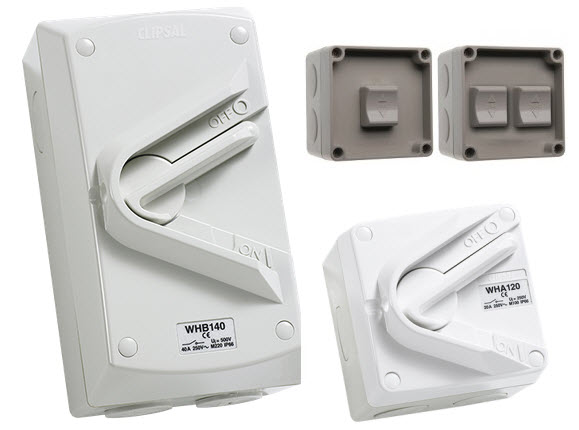
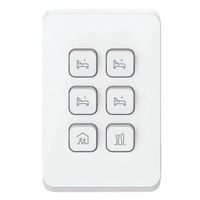
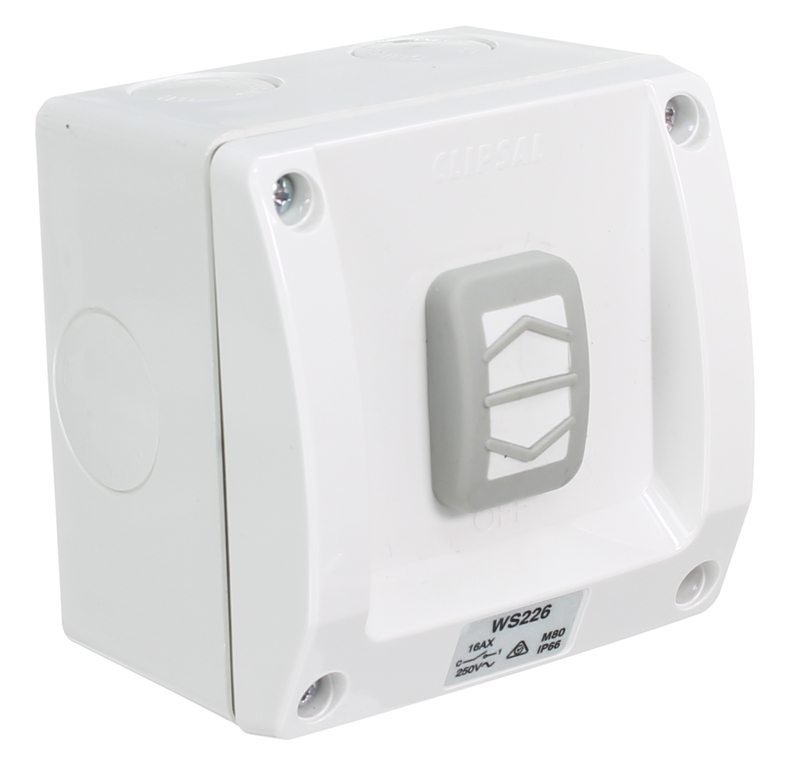
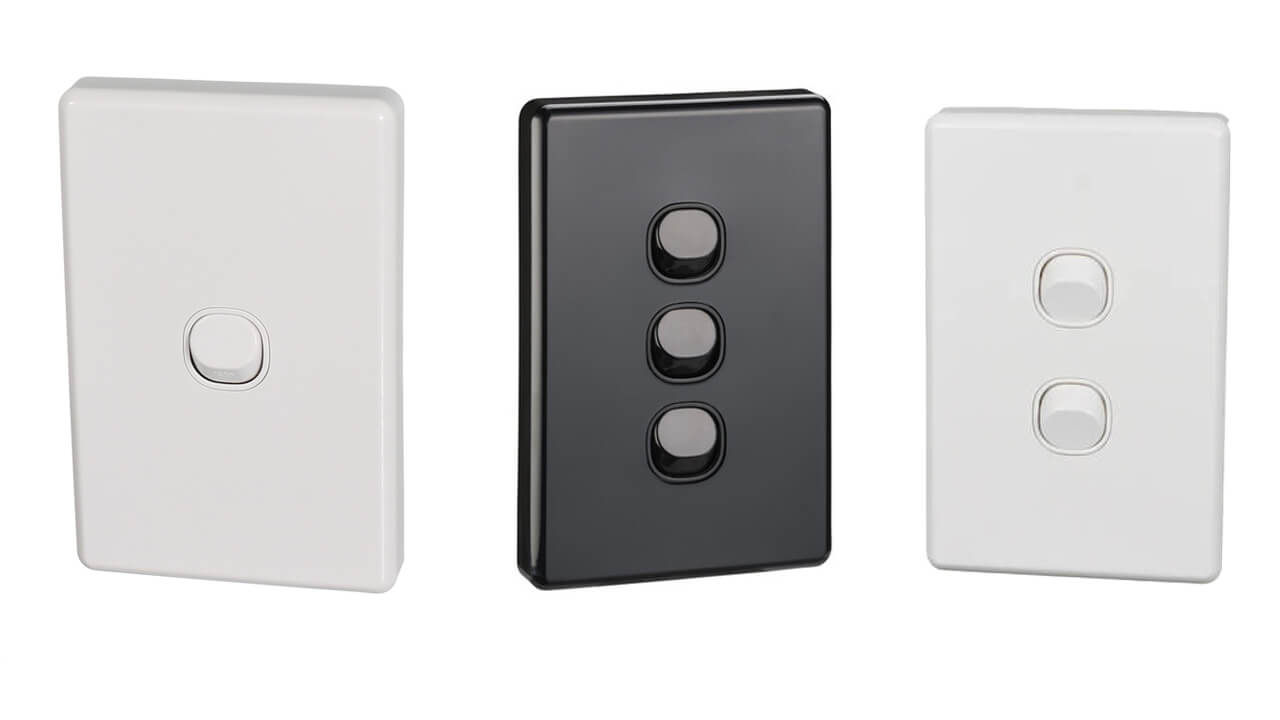
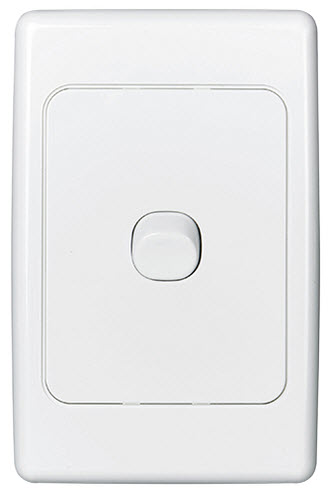
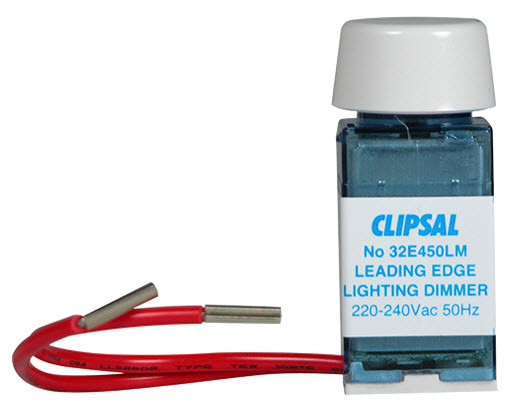
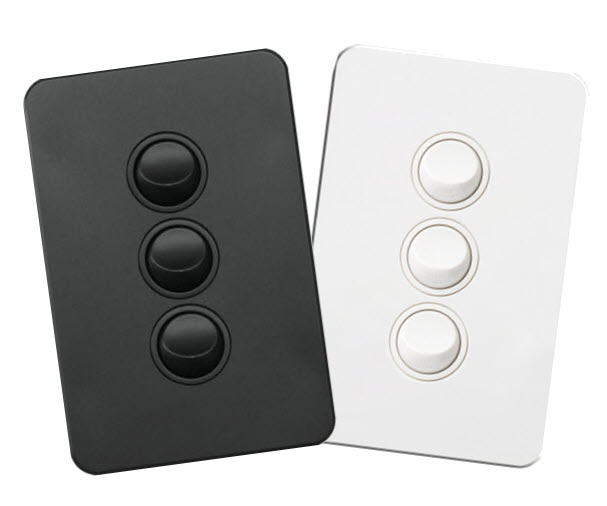
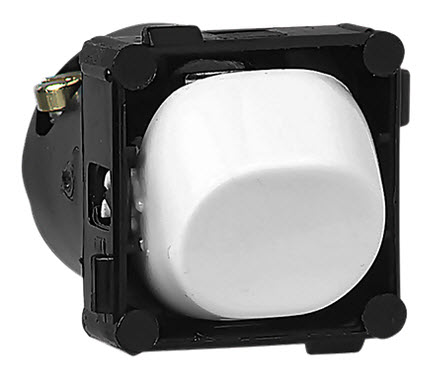
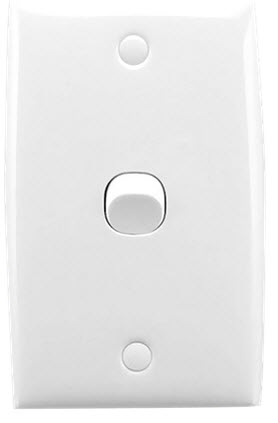
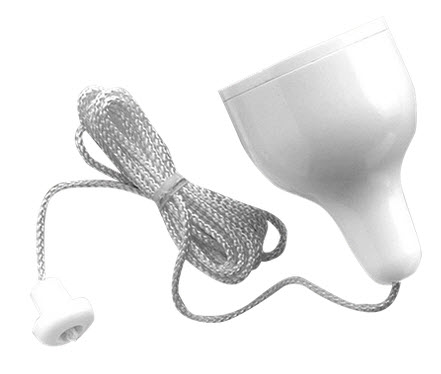
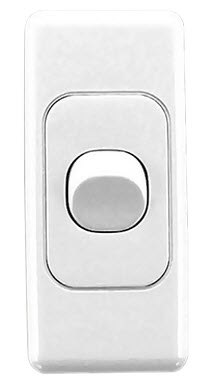
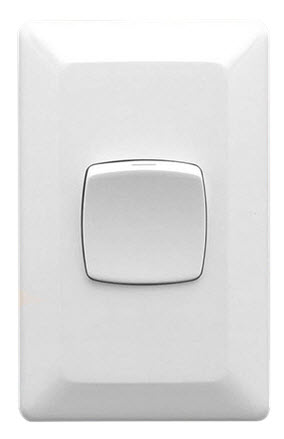
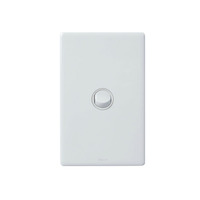
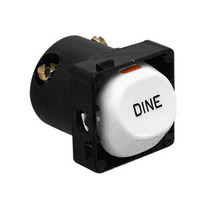
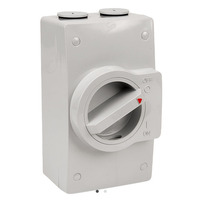
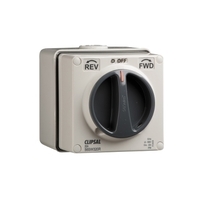
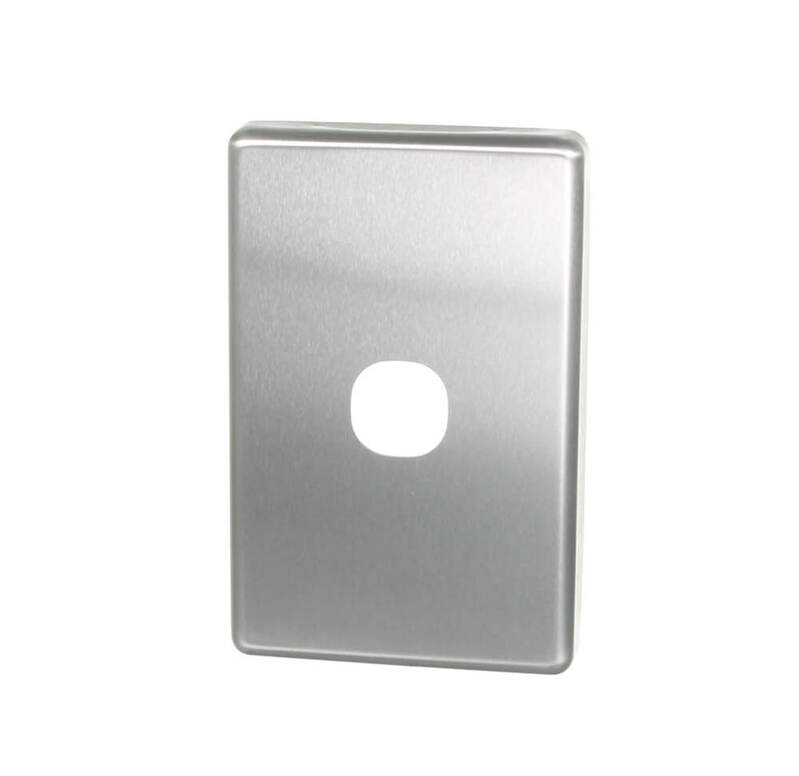

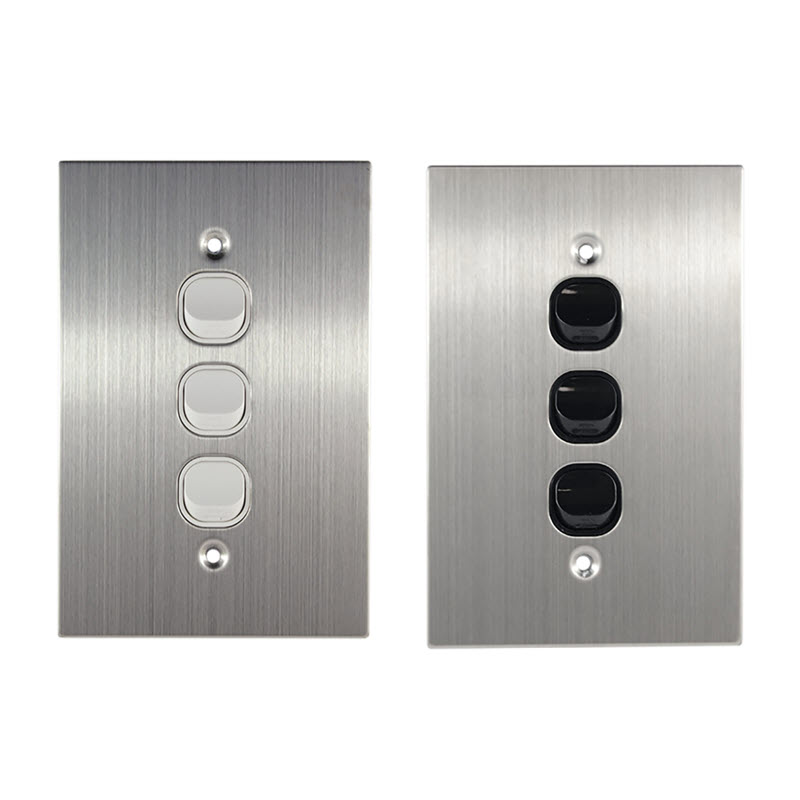
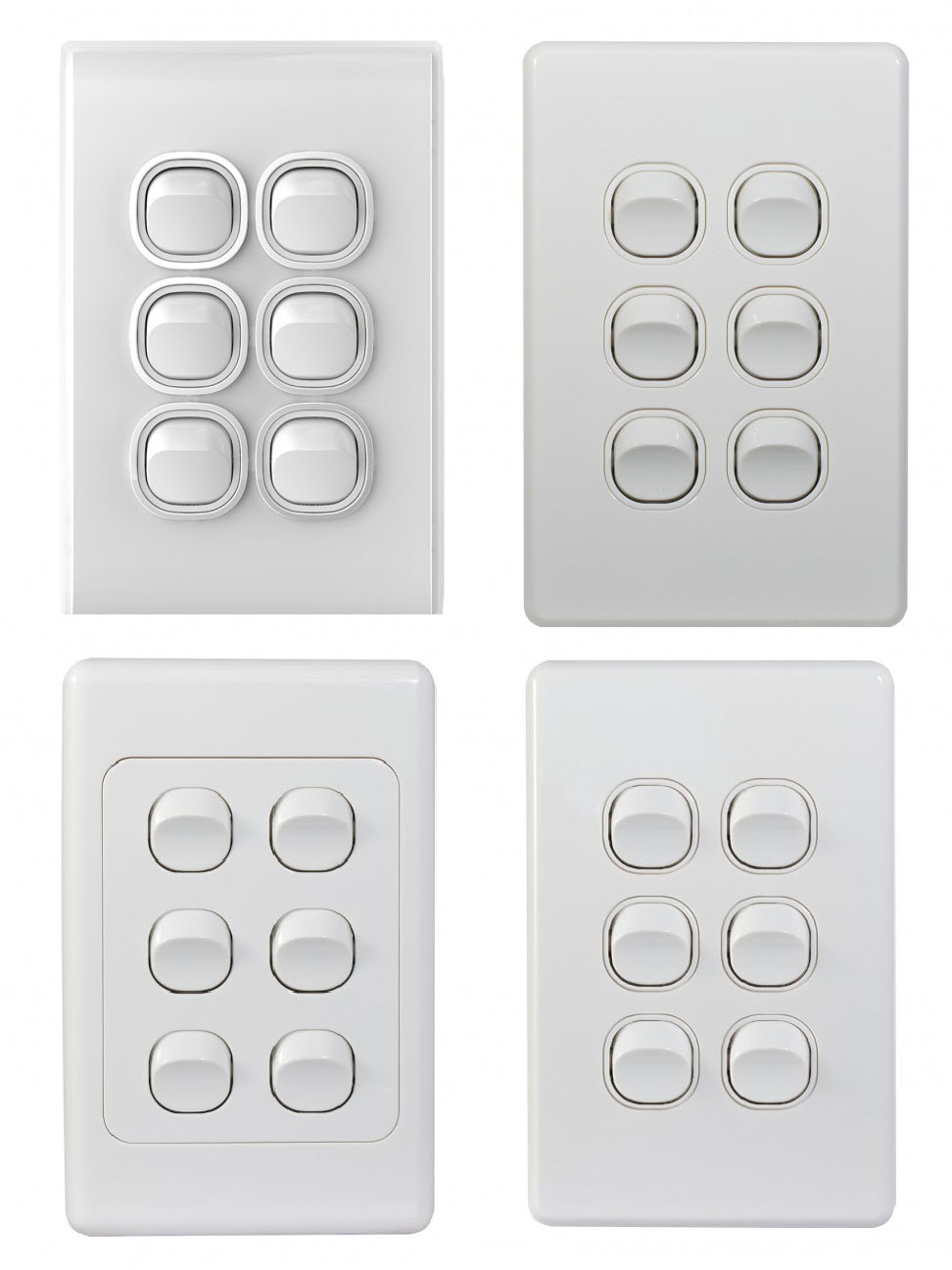
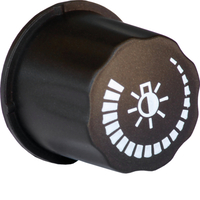
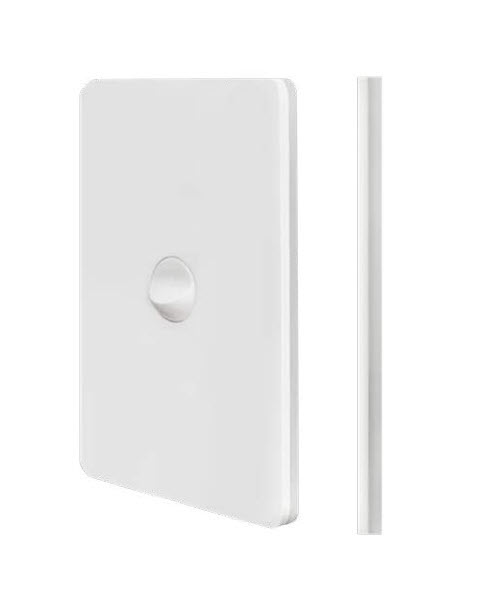
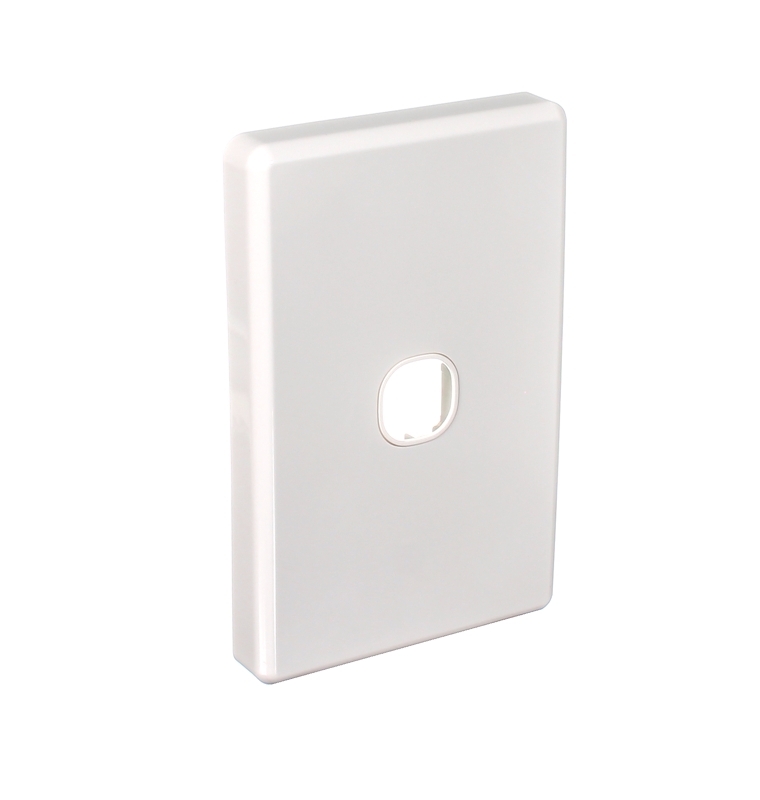
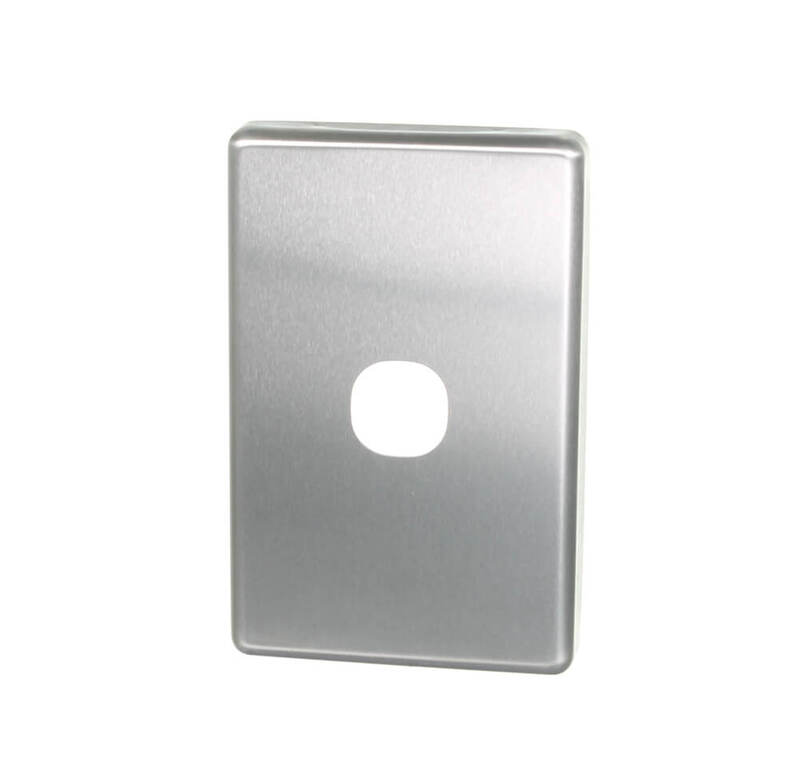
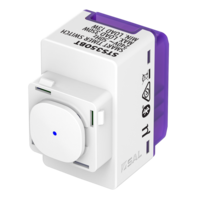


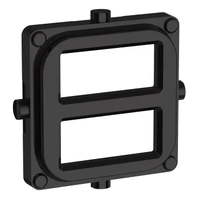
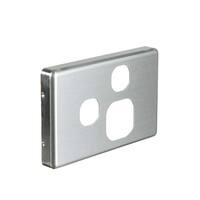

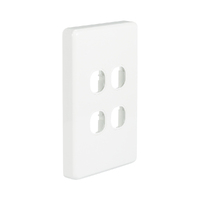
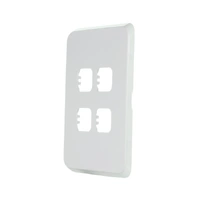
Table of Contents
- What is a Light Switch? (Australian Context)
- Types of Light Switches Available in Australia
- Understanding Switch Wiring Basics (Australian Terminology)
- Do I Need an Electrician to Install a Light Switch in Australia?
- Why LED Dimmers Flicker: Trailing Edge vs Leading Edge Explained
- How Smart Light Switches Work: Installation, Compatibility and Australian Standards
- Light Switches for Bathrooms and Wet Areas (Australian Regulations)
- How to Choose Light Switches: Key Factors, Australian Standards and Common Mistakes
- Light Switch Plate Finishes and Materials: Matching Your Home's Style and Décor
- Light Switch Maintenance: Cleaning, Testing, and When to Replace
- See Light Switches in Action
- What Our Customers Say
- Quick Summary (TL;DR)
- Frequently Asked Questions about Light Switches
What is a Light Switch?
A light switch is a wall-mounted electrical control that safely opens or closes a lighting circuit. In Australia, these devices operate at 240V, 50Hz and must comply with AS/NZS 3000:2018 Wiring Rules.
All switches sold in Australia must display RCM (Regulatory Compliance Mark) approval. This ensures they meet strict safety standards for Australian electrical installations.
Key Components:
- Mechanism: The internal switching device that controls electricity flow
- Plate: The visible cover (also called a face plate)
- Gang: The number of switches on one plate (1-gang, 2-gang, etc.)
- Skin: Covers that clip on Clipsal Iconic Switches
Australian switches differ from overseas models. Our 230V voltage means you cannot use US (110V) or UK switches without proper adaptation.
Types of Light Switches Available in Australia
Australia offers eight main switch types. Each serves different functions and applications.
Rocker Switches (Most Common)
Flat paddle design with press top or bottom to toggle on/off. These are the standard choices for most Australian homes.
Best for: Bedrooms, hallways, living areas, general lighting
Advantages: Simple operation, reliable, affordable, works with all lighting types
Popular ranges include Clipsal Iconic and Clipsal Classic series.
Push Button Switches
Modern single-button design. Press once to turn on, press again to turn off.
Best for: Contemporary homes, commercial buildings, minimalist interiors
Advantages: Sleek appearance, tactile feedback, durable mechanism, popular in new builds
The Mercator Ikuu range offers stylish push-button options.
Dimmer Switches
Variable brightness control from fully off to maximum brightness. Essential for mood lighting and energy efficiency.
Best for: Living rooms, dining areas, bedrooms, anywhere you want lighting control
Critical requirement: Must be LED-compatible for modern downlights. Old dimmers cause LED flickering.
Types available:
- Trailing-edge: For LED lights (required for Australian LED downlights)
- Leading-edge: For old incandescent bulbs (now rare)
Smart Switches
WiFi-connected switches controlled via smartphone apps or voice assistants.
Best for: Smart homes, remote control needs, automation enthusiasts
Features include:
- Schedule lights to turn on/off automatically
- Voice control with Google Home or Alexa
- Energy monitoring and usage tracking
- Remote control from anywhere
Australian consideration: Most require neutral wire. Older homes may need an electrician assessment for compatibility.
Sensor Switches (Motion Activated)
Automatic operation based on movement detection. Lights turn on when you enter, off when you leave.
Best for: Bathrooms, laundries, garages, hallways, storage areas
Advantages: Hands-free operation, energy saving, convenient for high-traffic areas. Ikuu Handwave Wall Switch
Timer settings typically range from 30 seconds to 15 minutes.
Timer Switches
Programmable on/off times for automated control without smart home systems.
Best for: Security lighting, outdoor areas, bathroom exhaust fans
Advantages: Set-and-forget automation, energy efficiency, improved security
Isolator Switches
Heavy-duty switches for complete circuit disconnection. Used for the safety isolation of fixed appliances.
Mandatory for: Hot water systems, air conditioners, pool equipment (as per AS/NZS 3000)
Features: High current rating, lockable positions, clear on/off indication
Weatherproof Switches
IP-rated switches designed for outdoor and high-moisture environments.
Best for: Outdoor areas, patios, garages, pool areas
Available in weatherproof enclosures and outdoor-rated ranges.
View popular ranges including Clipsal 2000 Series, NLS Classic Style, Clipsal Solis, GSM Flat Cat, and Hager Silhouette collections.
Understanding Switch Wiring Basics
Understanding switch terminology helps you communicate with electricians and make informed choices. However, all wiring work must be performed by licensed electricians.
Gang, Plate, and Mechanism Explained
- Gang: Number of switches on one plate (1-gang, 2-gang, 3-gang, 4-gang)
- Grid Plate: The plate behind the cover that the switch mechanisms are housed on.
- Skin or Cover Plate: The visible cover in various finishes (white, chrome, black, brushed steel)
- Mechanism (Mech): The internal switching mechanism
Australian terminology note: We use the term "gang" (British/Australian). Americans say "way".
Standard sizes: 1-gang is 86mm wide, 2-gang is 146mm wide.
L1, L2, and COM Terminals
- L1 (Load 1): Switched active for single switch operation
- L2 (Load 2): Second switched active for two-way switching
- COM (Common): Incoming active connection
When used: L1 only = single switch location. L1 + L2 + COM = two-way switching (control from two locations).
Two-Way vs Intermediate Switching
Two-way switching: Control one light from two locations (top and bottom of stairs).
Intermediate switching: Control from three or more locations (requires a special intermediate switch).
Common applications: Staircases, long hallways, bedrooms with multiple entries, and large living areas.
Safety Warning
A licensed electrician in Australia must perform all switch wiring. It is illegal and dangerous to attempt this work yourself. 240V electricity can cause serious injury or death.
Do I Need an Electrician to Install a Light Switch in Australia?
YES – A licensed electrician is legally required for any switch wiring work in Australia.
Legal Requirements
AS/NZS 3000:2018 (Australian Wiring Rules) mandates that a licensed electrician install all electrical work. State regulations across NSW, Victoria, Queensland, and all other states enforce this strictly.
Applies to: Installing new switches, replacing existing switches, moving switch locations, and any wiring modifications.
What You CAN Do
- Replace switch plate covers (cosmetic only, no wiring exposed)
- Clean switch plates
- Choose and purchase switches
What You CANNOT Do
- Connect or disconnect wires
- Install new switches
- Move switch locations
- Change switch types (standard to dimmer, etc.)
Why It Matters
Safety
- 240V can cause death
- Incorrect wiring causes fires
- Professional knowledge required
Insurance
- DIY electrical work voids home insurance
- Claims rejected if DIY work is found
- Legal liability remains with the homeowner
Legal
- Fines up to $40,000 (varies by state)
- Illegal in all Australian states
- Property value affected by non-compliant work
Finding a Licensed Electrician
- Check the licence number with your state registry
- Verify insurance coverage
- Get written quotes for comparison
- Typical cost: $80-$150 for simple switch replacement
Why LED Dimmers Flicker: Trailing Edge Vs Leading Edge Explained
Not all dimmers work with LED lights. Choose LED-compatible trailing-edge dimmers to avoid flickering.
The LED Flickering Problem
Root cause: Old leading-edge dimmers designed for incandescent bulbs (high wattage, resistive load).
LED difference: Low wattage, electronic load, requires a trailing-edge dimmer.
Common complaint: LEDs flicker, buzz, or won't dim smoothly with old dimmers.
LED downlights are extremely common in Australian homes (retrofit from halogen).
Choosing the Right Dimmer for LEDs
Trailing-Edge (LED-Compatible) Dimmers:
- Designed specifically for low-load electronic lighting
- Smooth dimming from 0-100% brightness
- No flicker or electrical buzz
- Look for "LED compatible" or "trailing edge" on packaging. Clipsal Iconic 42ELEDM2
Check Minimum Load Requirements:
- Dimmers have a minimum wattage (typically 10W)
- A single LED bulb (8W) may be below the minimum
- Solution: Use multiple bulbs or choose a low-minimum-load dimmer
| Light Type | Dimmer Type Required | Common Issues |
|---|---|---|
| LED bulbs/downlights (dimmable) | Trailing-edge (LED compatible) | Check the minimum load requirement |
| Incandescent (rare now) | Leading or trailing edge | Either type works |
| Halogen (being phased out) | Leading-edge | Old technology |
| Non-dimmable LEDs | None (don't use dimmer) | Damage to the bulb, immediate failure |
Important Note
Always check LED bulb packaging for "dimmable" label. Some LED downlights cannot be dimmed regardless of dimmer type. Consult with your licensed electrician for compatibility advice.
How Smart Light Switches Work: Installation, Compatibility and Australian Standards
Smart switches offer convenience and energy savings, but they require a neutral wire and reliable Wi-Fi. Older Australian homes may need upgrades.
How Smart Switches Work
- WiFi-connected switches controlled via smartphone app
- Voice control via Google Assistant, Alexa, or Siri
- Features include scheduling, remote control, energy monitoring, and scene creation
- Requires neutral wire and a WiFi network
- Most modern models connect directly to WiFi (no hub required)
- Zigbee smart switches require a Zigbee Hub
The Neutral Wire Challenge in Australian Homes
What's a Neutral Wire?
Usually, Black wire in Australian wiring (active = red; can be black if used as a switch wire); earth = green/yellow. Completes circuit to provide constant power to smart switch electronics.
The Problem:
Older Australian homes (pre-2000) often lack neutral wire at switch locations. Traditional switches only need active and switched active. Smart switches need neutral for the WiFi radio and the microprocessor.
Solutions:
An electrician is to install a neutral wire to the switch. Most common solution. Cost: $90-$300 per location.
Use smart bulbs instead of smart switches. No wiring changes needed. Keep existing switches always on.
Battery-powered smart switch overlays. Limited functionality. No hard-wiring required.
Rare "no neutral required" smart switches. Limited availability in Australia. Check compatibility first.
Popular Smart Switch Options in Australia
Clipsal Wiser Smart Switches: Australian-made, integrates with Wiser home automation, requires neutral wire, Google Home and Alexa compatible.
Mercator Ikuu Smart Switches: Affordable, reliable, easy setup, requires neutral wire, easy-to-use app.
Cost: $40-$120 per switch + installation
Light Switches for Bathrooms and Wet Areas (Australian Regulations)
Bathrooms require IP-rated switches in specific zones, as per AS/NZS 3000. Incorrect placement is dangerous and illegal.
Understanding IP Ratings
IP (Ingress Protection) is an international standard. Two digits indicate the level of dust and water protection.
IP Ratings for Bathrooms:
- IP44: Splash-proof (minimum for bathroom zones)
- IP55: Water jet resistant (near showers)
- IP65: Waterproof (outdoor or high-moisture areas)
- IP20: Standard indoor (NOT suitable for bathrooms)
Australian Bathroom Zone Requirements
AS/NZS 3000:2018 Section 6.2.2 specifies wet area zones with strict requirements:
Practical Guidance
- Most bathroom light switches are installed outside zones (near the door)
- Exhaust fan switches are often pull-cord type in Zone 2
- Heated towel rail switches must be outside zones or IP-rated
- A licensed electrician will assess your specific bathroom layout
Compliance Note: Bathroom switch placement must comply with AS/NZS 3000:2018 wet area zones. A licensed electrician will assess your bathroom layout to ensure a compliant installation. Incorrect placement creates a serious electrocution risk.
How to Choose Light Switches: Key Factors, Australian Standards and Common Mistakes
Match switch type to room function, lighting type, and budget. Prioritise safety and quality over the lowest price.
Room-by-Room Switch Selection
Living Areas
- Dimmer switches for mood lighting
- Smart switches for convenience
- Consider scene control (multiple lights, one switch)
Bedrooms
- Dimmer switches for bedside lamps
- Two-way switching for bed and door control
- Smart switches for "all off" automation
Kitchens
- Bright task lighting (no dimmer needed)
- Multiple switch locations (island, entries)
- Sensor switches for pantries
Bathrooms
- IP44-rated switches (see wet area section)
- Sensor switches for hands-free operation
- Timer switches for exhaust fans
Hallways & Stairs
- Two-way or three-way switching
- Sensor switches for energy efficiency
- Night-light options
Outdoor/Garage
- IP55-rated weatherproof switches
- Timer or sensor switches for security
- Isolator switches for garden equipment
Quality and Price Considerations
Price Bands (AUD, mechanism only):
- Budget: $3-$8 (basic rocker, limited warranty)
- Mid-Range: $15-$35 (quality brands like Clipsal, Hager – recommended)
- Premium: $35-$80 (designer finishes, advanced features)
- Smart: $40-$120 (plus installation)
Quality Indicators:
- Brand reputation (Clipsal, HPM, Hager are trusted Australian brands)
- Warranty (5+ years indicates quality)
- RCM marking (mandatory Australian compliance)
- Tactile feel (solid click, no wobble)
- Finish quality (even coating, no sharp edges)
Where to Compromise (and Not):
- OK to save: Plate finishes (white plastic vs chrome)
- Don't compromise: Mechanism quality, safety features, IP ratings
- Investment areas: Dimmer quality (LED compatibility), smart features
Light Switch Plate Finishes and Materials: Matching Your Home's Style and Décor
Cover Plate style is the only aesthetic choice homeowners can change themselves. Choose finishes that match your interior design.
Cover Plate Finishes (Most Popular in Australia)
- White plastic: Standard, affordable, easy to clean, suits all décors
- Brushed stainless steel: Modern, durable, fingerprint-resistant
- Chrome: Contemporary, high-shine, statement finish
- Black matte: Modern, designer, dramatic contrast
- Timber look: Queenslander/heritage homes, warm aesthetic
- Glass: Premium, sleek, requires careful cleaning
Gang Configurations
- 1-gang: Single switch (86mm wide)
- 2-gang: Two switches side-by-side (146mm wide)
- 3-gang: Three switches (common for open-plan living)
- 4-gang: Four switches (Multi lights in a room)
Vertical and horizontal mounting options are available, depending on the switch range.
Matching Your Home Style
- Modern/Contemporary: Black matte, brushed steel, glass
- Traditional/Queenslander: White, cream, timber look
- Industrial: Exposed mechanism, brushed steel
- Coastal: White, light finishes
DIY Cover Plate Replacement
Only the external plate can be changed by homeowners. Pop off the old plate, snap on the new plate (no wiring exposed). The mechanism must stay in place. Do not touch wiring.
Light Switch Maintenance: Cleaning, Testing, and When to Replace
Most switch issues require an electrician's diagnosis. Do not attempt DIY electrical repairs.
Common Issues and Solutions
Check the circuit breaker (may have tripped). Test the bulb in another fitting. Call an electrician if the switch mechanism is faulty.
LED with the wrong dimmer type (see LED section). Loose connection (electrician required). Faulty bulb (replace bulb first).
Immediate electrician callout required. Indicates dangerous overload or fault. Turn off the circuit at the breaker.
Familiar common with dimmers on LED lights. May need a different dimmer model. An electrician can assess and replace.
You can tighten the screws on the plate (cosmetic only). If the mechanism loosens behind the plate, call an electrician.
When to Upgrade Your Switches
Consider upgrading if:
- Switches are 20+ years old (safety standards improved)
- Moving to LED lighting (need compatible dimmers)
- Renovating (opportunity to add smart features)
- Selling property (modern switches add value)
- Experiencing frequent issues (reliability improvement)
See Light Switches in Action
Learn more by watching our Clipsal Iconic 3041VA-VW | Switch 1 Gang 10Amp | Vivid White video.
Check out the Clipsal Iconic Range Video
Explore complete installation guides, product comparisons, and technical specifications for all switch ranges at sparkydirect.com.au/electrical/switches
What Our Customers Say

Clipsal Iconic Switch—WHAT A BEAUT! The switch has a great 'clicky-feel' when switching ON or OFF. It also has nice round curves all around. Highly recommended.
My partner and I have bought two big orders now from Sparky Direct and both times our packages arrived very quickly and we received all the correct items. Sparky direct have been a great company to go thought for any electrical needs. We love the Clipsal Iconic range! Looks so beautiful in our newly renovated home. Highly recommend.
I have bought heaps and never had a problem (3 Gang Switch -NLS)
Quick Summary (TL;DR)
- Licensed electrician required: All switch installation and wiring must be performed by a licensed electrician in Australia (AS/NZS 3000:2018)
- Eight main types are available: Rocker, push-button, dimmer, smart, sensor, timer, isolator, and weatherproof switches.
- LED compatibility critical: Use trailing-edge (LED-compatible) dimmers for modern LED downlights to prevent flickering.
- Smart switches need a neutral wire: Most smart switches require a neutral wire – older Australian homes may need an electrician's assessment.
- Bathroom IP ratings: Check with an electrician prior to designing your bathroom for switch locations.
- Quality matters: Choose reputable Australian brands (Clipsal, Hager, NLS) with RCM marking and warranty
- Room-specific selection: Match switch type to room function (dimmers for living areas, sensors for bathrooms, two-way for stairs)
Shop Australia's Largest Range of Light Switches
Clipsal, Hager, NLS and more. Australia-wide delivery. Lowest online pricing available.
Shop Light Switches NowContact Our ExpertsLight Switches: Your Most Common Questions Answered
Discount Codes for Light Switches
Discount codes for light switches are available from time to time at Sparky Direct. The best way to get them is to sign up for our email list or check our promotions page, where we share active coupon codes and special offers. These codes are easy to apply at checkout and will automatically reduce the total on eligible light switch orders.
It’s a simple way to save money while still getting quality, safe electrical products online from Sparky Direct. .
Light Switches for Sale in Brisbane
Yes, you can get light switches on sale at Sparky Direct, our online store in Brisbane. We regularly discount popular light switch brands and styles, so you can upgrade your home or job site without blowing the budget. Stock levels and sale prices are clearly shown online, so you always know what’s available right now.
Add your light switches to the cart, check out, and we’ll deliver straight to your Brisbane address.
Light switches Vs Dimmers
Light switches turn your lights on or off, while dimmers let you adjust the brightness to suit the room or mood.
Dimmers can help reduce power use and extend the life of compatible globes, while standard switches are simpler and often cheaper.
Not all lights work with dimmers, so it’s important to check your globes and fittings before choosing.
Both options are safe to use when they’re installed correctly by a licensed electrician.
Light Switches online order
Yes, you can order light switches online quickly and easily. Just choose the style, colour, and gang configuration you need, then add the products to your cart and complete checkout. Sparky Direct's website clearly shows pricing and availability, so you know what’s in stock before you buy.
Once your order is placed, we pack it securely and ship it straight to your door. Fast Delivery at Trade prices.
What is the difference between toggle and rocker switches?
Toggle and rocker Light Switches differ mainly in shape, operation, and style.
- Toggle switches use a small lever you flick up or down. They offer a traditional look and a distinct click feel.
- Rocker switches use a wide, flat paddle you press on either end. They are easier to operate, more accessible, and commonly used in modern interiors.
Both types perform the same electrical function, but toggles suit classic aesthetics, while rockers suit contemporary and user-friendly designs.