
Search Results:
Search Results:
Search Results:
Search Results:
A double pole switch breaks two conductors with a single operating action, and in most single-phase work those conductors are the active and the neutral. The same product is widely known as a 2 pole switch, a DP switch, or a double pole isolator. Trade buyers also use terms such as appliance isolator and 2 pole isolation switch. This page suits licensed electricians, maintenance contractors, builders, and informed buyers who source compliant control and isolation products. In Australia, all fixed electrical work must be carried out by a licensed electrician.
One switch action moves two separate contacts at the same time, so the device can control or isolate two conductors together. Most double pole switches use four main terminals, with two on the line side and two on the load side, although exact markings vary by manufacturer. The action is manual, which means the user decides when the circuit opens or closes. This page does not give wiring instructions, because that work belongs to a licensed electrician.
Customers describe these products in many ways, including 2 pole switch, DP switch, double pole isolator, appliance isolator, and 2 pole isolation switch. These terms are often broadly comparable, but the meaning narrows once you check the product type, current rating, mounting style, and intended application. A wall mechanism, a weatherproof isolator, and a DIN rail isolator can all switch two poles, yet they are not interchangeable across every job. Confirm the format before you order so the device matches the location and the load.
A double pole switch controls or isolates a circuit, but it does not protect that circuit from faults. A circuit breaker trips automatically under overload or short circuit conditions, whereas a switch only operates when a person moves it. Compare device function before you buy, alongside the current rating, the voltage rating, and the form factor. For automatic protection, review circuit protection options such as circuit breakers, RCBOs, and RCDs instead of relying on a switch.
This section helps with comparison questions and mandatory-use questions about double pole switching. A single pole switch interrupts one conductor, usually the active, while a double pole switch interrupts both the active and the neutral. Fuller isolation matters for fixed appliances, damp locations, and serviceable equipment, so the choice becomes a selection and compliance decision for the electrician on the job. The notes below cover the practical differences rather than any wiring steps.
The core difference is how many conductors each device breaks during normal operation. A double pole device isolates both the active and the neutral, so the load is separated more fully, while a single pole device leaves the neutral connected. Single pole switches remain common and compliant for many general lighting circuits, yet double pole switching is selected where standards, appliance instructions, installation risk, or design call for two-conductor isolation. Cost is usually higher for double pole devices, because they carry more contacts and larger bodies.
| Feature | Single Pole Switch | Double Pole Switch |
|---|---|---|
| Conductors controlled | Active only | Active and neutral |
| Isolation level | Partial | Fuller two-conductor isolation |
| Common use | General lighting circuits | Fixed appliances and isolation points |
| Typical environment | Dry indoor areas | Wet areas, plant, and serviceable gear |
| Relative cost | Lower | Higher |
Several fixed appliances commonly call for double pole isolation, including electric hot water systems, cooking appliances, bathroom heaters, pool equipment, spas, and pumps. Caravan and transportable installations also use double pole isolation in many cases, so the format depends on the equipment and the location. The responsible licensed electrician must check AS/NZS 3000 and the manufacturer instructions for each job. Requirements can change with the application, the environment, the equipment type, and the jurisdiction, so always confirm the rule before you specify a product.
Isolating both the active and the neutral can reduce shock risk during service, because it removes the supply from both conductors at the isolation point. Visible and accessible isolation points also make appliance maintenance safer and clearer for the person doing the work. Testing, verification, and certification remain electrician responsibilities after any work, and these steps confirm the installation is safe before handover.
Most buyers shop by use case, so this section groups products that way across residential, commercial, construction, switchboard, and specialist applications. Each use case points toward a likely format, such as a wall switch, an appliance isolator, a cooker switch, a DIN rail isolator, or a weatherproof unit. Match the format to the location, the load, and the rating before you compare brands.
Hot water systems are one of the most searched double pole use cases, and the category covers storage hot water, continuous flow systems, and dedicated appliance circuits. A clear isolation point also helps with safe servicing of the unit when maintenance is needed. The final switch selection must account for load current, circuit protection, cable size, location, and manufacturer instructions, and the licensed electrician confirms these factors for the specific installation.
Cooking equipment often uses a dedicated cooker switch for heavy-duty double pole isolation, with common higher-current ratings that include 32A and 45A subject to electrician confirmation. A visible isolation point supports safe service of ovens and cooktops over the life of the appliance. This page does not give positioning or wiring instructions, because that work is regulated, so choose the rating and the format to suit the appliance and the circuit.
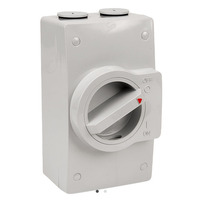
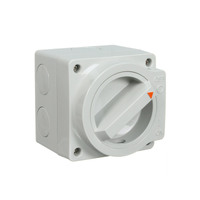
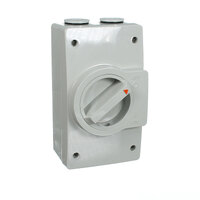
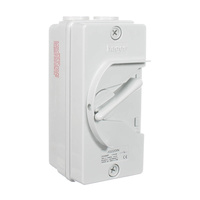
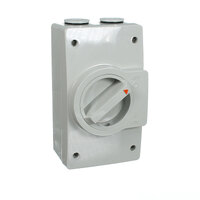
Wet and weather-exposed loads need careful product choice, with typical examples that include bathroom heaters, heated towel rails, exhaust fan and heater combinations, pool pumps, and spas. Damp or outdoor locations may require an appropriately rated enclosure or a weatherproof switch built for exposure. Always check the IP rating against the installation environment, because an isolator switch rated for the location keeps the equipment serviceable and compliant.
Many buyers search for the best 2 pole switches for residential switchboard upgrades, and DIN rail mounted double pole switches or isolators may suit domestic switchboards. Match the module size, current rating, brand compatibility, switchboard capacity, and protection design before you order. A consistent range makes future replacement and expansion easier, and the electrician confirms the layout and the available space.
Contractors use double pole isolation across many sites, with common cases that include plant isolation, commercial kitchen appliances, HVAC equipment, temporary works, and routine replacement. For lockable site isolation, review IP66 key lockable isolator switches built for outdoor and industrial duty. Procurement needs include reliable supply, repeat ordering, bulk quantities, and clear specifications, so confirm stock and lead times before you commit a project to a specific range.
Choose the correct format before you compare brands or prices, because the right type depends on where the switch sits, what it controls, and the load rating. It also depends on whether the device is wall-mounted, switchboard-mounted, or housed in an enclosure. The formats below cover most double pole and isolation needs across common Australian installations.
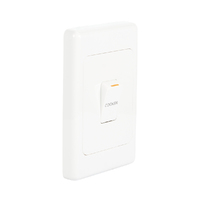
These mechanisms fit compatible Australian wall plates and grid systems, and they suit many residential and light commercial applications. Match the mechanism to the same brand and range plate, then check the current rating before you order. Browse switch mechanisms to compare options across different ranges and finishes.
Some products ship as complete switch units rather than mechanisms only, and a complete unit can suit straightforward replacements, upgrades, and simple procurement. Consider the finish, the plate size, the number of gangs, indicator options, and labelling when you choose one. These factors affect both the appearance and the long-term serviceability of the installation.
Dedicated isolators handle cooking equipment and other high-load appliances, with key points that include the current rating, neon indicators, mounting style, and robust switching. These products link directly to hot water, kitchen, and high-load appliance decisions elsewhere on this page. A visible isolation point supports safe service of the appliance whenever maintenance is needed.
DIN rail devices mount inside distribution boards for circuit isolation, and procurement considerations include module width, rating, voltage suitability, and terminal capacity. Compatibility with the existing switchboard layout also matters for a clean and reliable fit. Installation inside a distribution board must be completed by a licensed electrician, because the work is regulated.
Outdoor equipment, pool areas, pumps, and sheds often need protected switching, so a weatherproof enclosure, an IP-rated switch, or a gasketed cover may be required. For solar arrays, review purpose-built solar isolator switches rated for direct current duty. Match the IP rating and the body type to the exposure and the load before you buy.
This section supports the technical side of product selection, where the correct double pole switch depends on current rating, voltage rating, mounting style, and application. The examples below are buying guidance only, and they are not installation instructions. The licensed electrician confirms the final choice for the circuit and the equipment.
Common ratings include 10A, 16A, 20A, 25A, 32A, 40A, 45A, and 63A, and the right value depends on the product type and the circuit. The switch rating must suit the circuit load, and it generally aligns with the circuit protection and the manufacturer requirements. Higher-wattage appliances draw higher current, so a larger rating may apply, but the electrician must confirm the correct rating for the job.
It helps to group the ratings by typical use, because lower ratings often suit wall mechanisms and lighter loads. Higher ratings suit appliance isolators, cooker switches, and switchboard-mounted isolators, and larger ratings often require different formats, enclosures, terminals, or mounting. Check the product datasheet for resistive and inductive load ratings, terminal capacity, and compliance markings before you decide.
Australian single-phase supply is 230V nominal, and many devices carry a 250V AC rating to suit this supply. Three phase circuits generally need appropriate 3 phase isolation equipment rather than a standard 2 pole switch. Verify whether the product suits single-phase, multi-phase, AC load, or switchboard isolation use, because the datasheet states the device rating clearly.
Terminal capacity sets the cable size that the device can accept, so check the conductor type and the active and neutral isolation arrangement. Manufacturer torque values also apply at the point of termination during installation. Inductive loads such as motors or pumps can place different demands on a switch than simple resistive loads, so review the appliance instructions and the switch datasheet before purchase.
Many products offer neon indicators, marked dollies, and switch labels, while finish options include Vivid White and other ranges. Gang arrangement, plate compatibility, and enclosure style also vary between products and brands. Visible indication and clear labelling improve serviceability, so any aesthetic choice should still respect practical compatibility and compliance.
Some buyers ask whether 2 pole switches suit 3 phase circuits, and double pole devices generally switch a single-phase active and neutral. Three phase isolation often needs 3 pole or 4 pole devices, depending on the neutral requirements for the installation. Switchboard design, 3 phase isolation, and distribution board work all need licensed electrical assessment before any product choice.
Standard 2 pole switches are not normally the full isolation solution for a 3 phase circuit. Single-phase isolation breaks the active and the neutral, whereas three phase isolation must address multiple active phases and sometimes the neutral as well. For multi-phase loads, review 3 pole switches and matching switchgear, and verify the correct device with a licensed electrician before you buy.
This page does not provide step-by-step wiring instructions for distribution board work. Licensed electricians consider switchboard space, DIN rail format, current rating, and upstream protection, and they also check terminal capacity, labelling, and testing. Fixed electrical work carries certification and compliance obligations once it is complete, and the electrician handles these obligations for the installation.
Switchboard upgrades happen for many reasons, including new appliance circuits, added isolation, renovations, and replacement of ageing switchgear. Electricians often prefer known brands with consistent module sizing and available accessories for repeat work. Useful related categories include main switches and isolators and neutral links, so match the new device to the existing board before you order.
Compare products by specification rather than by the lowest price alone, using factors such as brand, rating, compliance, availability, bulk options, and replacement compatibility. These notes help trade and retail buyers weigh like-for-like products with more confidence. The goal is a switch that suits the circuit and lasts across repeat jobs.
Reliable products tend to share several traits, including robust terminals, clear ratings, compliant markings, and a durable switching feel. Available matching plates or enclosures also help across repeat jobs and future replacements. Recognised Australian market brands include Clipsal, Hager, Legrand, and NHP, although reliability still depends on correct selection and compliant installation rather than the brand name alone.
Compare like-for-like products by amp rating and form factor first, then check plate compatibility, indicator inclusion, IP rating, and pack quantity. A cheaper product may differ in rating, compliance, or included accessories, so the headline price can be misleading. Ranges from Connected Switchgear and National Light Sources can offer value, but confirm the specification matches the job before you buy in volume.
You do not need a trade account to buy these products online from an electrical wholesaler. Clear product pages should state the rating, brand, mounting style, and compatibility before checkout, which helps sole traders, small electrical businesses, builders, and informed retail buyers. Read the listed specification carefully and confirm that it suits the circuit before you order.
Bulk buyers value carton quantities, consistent ranges, and standardised finishes, because repeat ordering and reliable stock support job scheduling. Verify stock, lead times, and compatibility with the project specification before you place a large order. A consistent range also reduces errors and rework across a multi-site project.
This section stays safety-led and practical for everyone sourcing these products. Installing, replacing, or altering fixed double pole switching is licensed electrical work in Australia, and the electrician verifies the installation without any unsafe DIY shortcuts. The notes below explain what that verification typically covers.
AS/NZS 3000 sets the general wiring framework for these installations across Australia. Appliance instructions, local regulations, and the installation environment all affect the final requirements for a given job. Compliance evidence or certification may be required once work is complete, and the exact rule depends on the state or territory.
Questions such as how to wire a 2 pole switch for a 240V circuit need a safe answer rather than a wiring diagram. Active, neutral, earth, polarity, isolation testing, and commissioning must be handled by a licensed electrician on every fixed installation. The safe path is clear: choose the correct product, check the datasheet, confirm the rating, and book a licensed electrician to protect both people and property.
Electricians test polarity, continuity, insulation resistance, earthing, and correct operation as applicable to the installation, and suitable electrical test equipment supports this work. Labelling and clear user handover help with appliance isolation points after commissioning. Testing is part of making the installation safe rather than an optional extra, because it confirms the work before the site is used.
This checklist turns research into a confident product choice for the job at hand. It stays practical and applies to electricians, sole traders, builders, and informed retail buyers alike. Work through the points below before you order so the product matches the application.
Confirm whether the application is wall-mounted, switchboard-mounted, appliance-specific, weatherproof, or high-current, then check the current rating, voltage rating, and brand or range compatibility. Confirm indicator requirements, IP rating, and any enclosure needs for the location. Finally, check whether the product is mechanism-only or supplied as a complete unit, because that affects what else you need to order.
Ask before buying if the job involves 3 phase circuits, high-load appliances, or outdoor equipment, and the same applies to wet areas, switchboard work, and caravan or transportable applications. Unfamiliar existing switchgear is another good reason to check first with the responsible electrician. Confirm the circuit rating, cable size, load type, and manufacturer requirements, because product datasheets and photos of the existing installation reduce ordering errors.
Several related categories support common double pole jobs across the catalogue. For comparison and general switching, see light switches, and for source switching and standby supply, see changeover switches. For automatic protection, review safety switches, then choose the category that matches the function, the location, and the rating you need.
Watch NLS 30086 | Single Weatherproof Switch 20A Double Pole (IP66 Rated) video
Watch Clipsal Iconic 3041D45-VW | Cooking Appliance Isolator Double Pole, 250V, 45A | Vivid White video
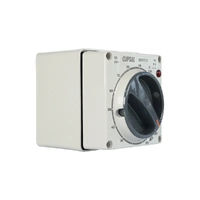
Watch HAGER SFT240 | Changeover Switch 2 Pole 40 Amp video

These isolating switches make great on /off units for machinery that runs on banks of 250 watt grid connect wired in parallel for specialised machines that are designed and manufactured to run on 36 volt systems as they are of good quality and excellent finish and never used to make or break under load with the exception of air compressors and the 2 pole or 3 pole are able to switch both positive and negative leads they handle the DC current well with no voltage drop or overheating under load and there not Chinese.
I looked in a number of locations for a 32amp Weathproof Isolating Switch with a Key Lock capability, I found this one at Sparky Direct at a very competitive price and with a short delivery time enabling me to purchase two of these switches and have them installed by and Electrician soon after receiving them. Thanks Sparky Direct.
I've bought this 2 pole Changeover Switch multiple times, Hager is a brand I've grown to trust. I've recommended the SFT240 to others... 100% satisfied with the functionality & quality.
Trusted brands • Expert advice • Fast Australia-wide delivery • Trade pricing
Browse Double Pole Switches → Get Expert Advice →