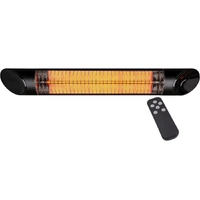

Search Results:
Search Results:
Search Results:
Search Results:
Outdoor heaters warm people and spaces that sit beyond the reach of indoor climate control, which makes them valuable across Australian homes, trade sites, and commercial venues. They suit builders, venue operators, and contractors who need practical heating, and they support comfort, customer dwell time, and the everyday use of patios, decks, and semi-exposed work areas.
Outdoor heaters come in radiant, infrared, electric, gas, and convection-assisted designs. They are sold as freestanding, wall-mounted, and ceiling-mounted units. Radiant and infrared heaters warm people, flooring, and objects directly, while some gas heaters also warm the surrounding air, which broadens the heated zone.
The plain distinction is simple. Directional heat reaches you quickly and feels immediate, while area heating raises the general temperature of a space over a longer period. Sheltered spaces hold area heat better, while open spaces favour direct radiant warmth.
Residential buyers use outdoor heaters across patios, decks, balconies, alfresco areas, pergolas, and courtyards. Commercial operators rely on them in outdoor dining zones, event spaces, workshops, warehouses, and construction sites. Each setting brings different demands for power access, mounting, and weather exposure.
Electricians and contractors should plan power supply early, because a heater is only as useful as the supply feeding it. Confirm weatherproof outdoor power points and circuit protection before installation.
The same heater can perform very differently across locations. A unit that warms a sheltered patio well may struggle in a windy backyard or an open worksite. Space size, ceiling height, wind exposure, user proximity, and mounting height all change the result.
Match the heater to the application rather than choosing on price alone, since power or gas availability often decides the practical options before any other factor.
The major types are electric, gas, infrared, portable, wall-mounted, and freestanding models, and each differs in heat style, installation needs, running cost, portability, and best use. The summary below helps you move from general research into a confident product choice.
Electric outdoor heaters suit patios, balconies, covered alfresco areas, and smaller commercial zones where suitable power is available. Plug-in models offer convenience, while hardwired models give a permanent, tidy result. Hardwired outdoor electrical work must be completed by a licensed electrician in line with AS/NZS 3000 and relevant state requirements.
Common benefits include lower maintenance, quick start-up, low noise, and clean operation. These traits make electric heaters a strong fit for covered spaces. A nearby weatherproof switch makes everyday control simpler.
Gas outdoor heaters often deliver stronger perceived heat for larger or more open areas, so they suit hospitality, outdoor entertaining, events, workshops, and temporary heating zones. Gas heaters require proper ventilation, stable placement, careful cylinder handling, and compliance with manufacturer instructions and applicable gas regulations.
Fixed gas connection work must be carried out by an appropriately licensed gas fitter, and you should always follow the supplied instructions for safe operation.
Infrared outdoor heaters warm people, flooring, furniture, and surfaces directly. This makes them useful where air movement would otherwise carry heat away. They work well in patios, garden seating areas, balconies, and semi-exposed commercial settings.
Buyers often search for infrared heater, radiant heater, fast heat, targeted warmth, and windy conditions, and infrared designs answer those needs because the heat travels to objects rather than the air.
Placement style shapes how a heater fits a space. Freestanding units are flexible and easy to reposition for entertaining and temporary zones, while portable units suit worksites, garages, patios, and changing layouts. Wall-mounted units save floor space and suit permanent entertaining or commercial areas, while ceiling-mounted units suit covered patios, pergolas, outdoor kitchens, and hospitality spaces.
| Heater style | Best application | Key advantage | Main limitation | Installation consideration |
|---|---|---|---|---|
| Freestanding | Entertaining and temporary zones | Flexible and easy to move | Takes up floor space | Needs a stable, level base |
| Portable | Worksites, garages, changing layouts | Quick to deploy and store | Lower permanence and stability | Manage leads or cylinders safely |
| Wall-mounted | Permanent patios and venues | Frees floor space, tidy result | Fixed position, less flexible | Suitable structure and compliant fixing |
| Ceiling-mounted | Covered patios and pergolas | Even radiant coverage from above | Requires fixed mounting height | Licensed install for hardwired units |
Selection starts with space size, exposure, heat output, and intended use, and a clear framework answers two common questions: what size outdoor heater do I need, and which heater suits my patio, deck, or backyard. The advice below covers both residential and trade settings.
Smaller balconies and compact patios usually need lower-output, targeted heaters. Larger decks and backyards may need multiple heaters or higher-output units. Use area size, number of people, distance from the heater, wind exposure, and cover as your guide.
Avoid relying on exact wattage guarantees unless the product specifications support them, because conditions on the day still affect the result.
Work through a short checklist before buying. Measure the usable area first. Identify whether the space is sheltered, semi-sheltered, or exposed. Decide whether users sit close to the heater or move around, check available power or gas access, and confirm mounting clearances and manufacturer recommendations.
Large or windy areas often need more than one heat source, and spreading two targeted units usually beats one unit working at its limit. Plan extension leads and supply routing as part of this step.
Wind reduces heater effectiveness by moving warm air away and cooling surfaces, so infrared and radiant styles cope better because they heat objects directly. Sheltered placement also protects the heated zone.
Use wind protection, careful positioning, and multiple targeted units as planning factors, and do not make unsafe changes to enclosure or ventilation to chase more heat.
Construction sites need temporary warmth, worker comfort, drying support, and reliable cold-morning starts. Choose site heaters for durability, stability, portability, and suitability for the work environment. Address leads, RCD protection, weather exposure, ventilation, and trip hazards in the plan.
Site electrical supply should be installed, protected, and inspected in line with Australian site safety requirements by qualified trades where required. Pair heaters with suitable RCD protection and portable power packs where mains access is limited.
Gas and electric heaters differ in running cost, heat speed, convenience, and maintenance, and cost depends on energy pricing, frequency of use, output, efficiency, and how exposed the space is. Neither type is universally cheaper, so compare them against your own setting.
Electric heaters are often efficient for small, targeted zones and short-use periods. Gas can suit larger, open areas where higher heat output is needed. Real running cost depends on local electricity and gas prices, heater output, usage hours, space openness, heating coverage, and maintenance.
Compare total cost of ownership rather than purchase price alone. A cheap unit can cost more over time if it runs longer to reach the same comfort. Electrical timers help control electric heater run time and reduce waste.
Infrared electric heaters and many gas heaters provide quick perceived warmth, and the difference lies in the type of heat. Instant targeted heat reaches people immediately, while broader area heat builds across the space.
Match the choice to the use case, since cafes, outdoor dining, construction sites, and short evening use at home all benefit from fast, directional heat.
Electric heaters generally need lower routine maintenance. Still check leads, mounting, weather exposure, and element condition over time. Gas heaters need checks of the cylinder, hose, regulator, burner, ventilation, and stability by appropriate personnel.
Follow manufacturer instructions for both types, and arrange licensed trade assistance for any work that requires it.
Safety depends on correct placement, clearances, weather rating, stability, ventilation, and compliant installation. The guidance below stays practical and avoids unsafe step-by-step instructions, and it covers pergolas, covered patios, children, pets, public spaces, and commercial duty.
Look for a stable base, tip-over protection, and overheat protection. Cool-touch guards, weather resistance, robust housing, and isolation controls add further safety. Choose ingress protection suited to the location.
Commercial and high-traffic spaces need more durable construction and safer positioning than occasional home use. An accessible weatherproof isolator switch supports safe shutdown of fixed units.
Safety here depends on heater type, ventilation, manufacturer clearances, ceiling material, mounting height, and weather exposure. Gas heaters need adequate ventilation and should never be used in enclosed or poorly ventilated spaces. Electric heaters may suit covered areas when the product is rated for the location and positioned per the instructions.
Use a licensed electrician for any hardwired outdoor heater installation, and use a qualified gas fitter for fixed gas work.
Keep heaters clear of furniture, blinds, curtains, shade sails, timber linings, plants, and other combustible materials. Maintain distance from pedestrian paths. Plan for children, pets, and busy venues.
Wall and ceiling mounting can reduce floor obstruction where appropriate, and suitable screws and fixings rated for the mounting surface and load keep fixed units secure.
Fixed outdoor electrical heating must comply with AS/NZS 3000 and relevant state or territory electrical safety legislation. Electrical installation, replacement, or hardwiring must be performed by a licensed electrician. Fixed gas connection must be performed by an appropriately licensed gas fitter.
Do not attempt DIY wiring or gas installation, and protect fixed circuits with appropriate RCBO protection and a compliant main switch arrangement.
Residential buyers choose heaters by space type and by how they entertain, and clear use-case advice helps match the heater to the area. Small spaces and entertaining zones each have their own practical needs.
Compact electric or infrared heaters work well where space is limited and power is available. Wall-mounted or ceiling-mounted heaters can be preferable when floor space is tight. Apartment and strata users should check building rules, product ratings, and installation permissions first.
Pair a compact heater with tidy smart power points to schedule and control use from a phone.
Decks and backyards need coverage matched to seating layout, wind exposure, and how people use the area. Combine heating with lighting, outdoor power access, and weatherproof controls for a complete setup. Timber decks need careful clearance management around any heat source.
Add outdoor lighting so the space stays usable after dark as well as warm.
Ceiling-mounted and wall-mounted electric infrared heaters are common permanent solutions for these areas. Use gas and freestanding options only where ventilation and clearance requirements are satisfied. Plan power location, mounting height, surface suitability, and control location before installation.
Protect connections and cabling with a suitable weatherproof box where exposure is a concern.
Trade, contractor, hospitality, and commercial buyers need durability, coverage, and dependable safety, and multi-unit planning and fast dispatch matter for these projects. The guidance below stays practical and avoids a promotional sell.
Restaurants, cafes, breweries, pubs, and event venues all rely on consistent comfort, so consider fast heat, zoning, mounting height, appearance, and operating cost. Place heaters safely around customers, staff, and walkways.
Wall and ceiling mounting keeps busy floors clear and reduces trip risks in seating areas.
Site selection rests on a stable, durable design and output suited to temporary work areas. A safe power supply, weather resistance, impact resistance, portability, and easy storage all count. Manage RCD protection, extension lead routing, and wet or enclosed area risks carefully.
Source rugged supply gear from the industrial outlets and sockets range, and review the wider industrial supplies category for site needs.
Temporary setups need flexible placement, fast deployment, and clear separation from crowds and combustible materials. Weigh gas versus electric for each event without attempting setup yourself. Plan power load, lead routing, trip hazards, and emergency access in advance.
Keep walkways safe with managed leads, and protect circuits with a safety switch on temporary supply.
Mounting style is one of the clearest ways to narrow a shortlist, and installers, homeowners, and venue operators each weigh it differently. The logic below helps match style to space.
Wall-mounted heaters suit permanent zones and limited floor space. They need suitable structure and compliant installation, which makes them less portable but cleaner and safer in busy areas. Freestanding heaters are flexible and easy to move, which suits occasional use or changing layouts. They require stable placement and storage planning.
As a simple rule, choose wall-mounted for fixed, busy spaces and freestanding for flexible, casual use.
Ceiling-mounted heaters suit covered patios, pergolas, outdoor kitchens, and commercial dining areas, and they deliver consistent fixed heating from above. Plan mounting height, clearance, and radiant direction carefully, and remember that hardwired units require licensed installation.
Portable heaters benefit renters, temporary spaces, sites, and flexible entertaining areas, though the trade-offs include lower permanence, stability limits, storage needs, and lead or cylinder management. Weather exposure also matters for portable units left outdoors.
Smart buying looks past the lowest upfront price, because value comes from output, safety, durability, and support that match the application. The points below help you judge real value before purchase.
Compare purchase price, running cost, installation cost, maintenance, lifespan, and warranty support together, because the cheapest outdoor heater may not be the best value if it lacks output, safety features, or durability. Weigh online suppliers, local hardware stores, and electrical wholesalers on these terms.
Judge an option by stock availability, product specifications, dispatch speed, and suitability for the application. Sparky Direct supplies electrical products to Australian buyers as an online electrical wholesaler, and you should always check the product specifications before purchase to confirm fit.
Confirm the product type and output first. Check suitability for indoor, outdoor, covered, or exposed use. Review mounting style, power or gas requirements, and safety features. Look at warranty, replacement parts, and delivery timeframe. Finally, confirm whether licensed installation is required for the unit.
For hardwired models, factor in a licensed electrician and any cable duct needed to protect runs.
Long-term performance depends on heater type, environment, and frequency of use, and basic upkeep protects safety and value. Commercial operators should also plan replacement ahead of demand.
Inspect the unit regularly and remove dust from guards and vents. Check for visible damage and keep vents and guards clear. Disconnect from supply before cleaning where applicable, and follow manufacturer instructions. Do not attempt internal electrical repairs.
Carry out safe high-level checks only. Look for visible damage, a stable base, a clean burner area, and sound hose and cylinder condition. Suspected leaks, damaged hoses, or gas connection issues must be handled by qualified personnel. Maintain ventilation and follow manufacturer instructions.
Watch for poor heat output, damaged housing, corrosion, or an unstable base. A damaged lead or plug, unreliable ignition or controls, and rising running cost are further signs. Changed site requirements can also justify an upgrade. Commercial venues should review heaters before cooler seasons and high-demand trading periods.
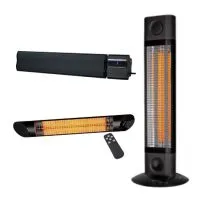
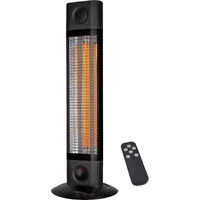
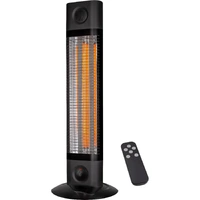
Watch the Thermogroup Ash Mid-Wave Outdoor Heater video
Watch the Thermogroup Cedar Mid-Wave Outdoor Heater video
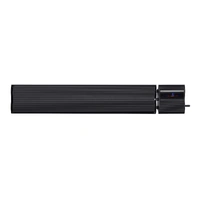
Watch the Thermogroup Lotus Long-Wave Outdoor Heater WiFi video
Trusted brands • Expert advice • Fast Australia-wide delivery • Trade pricing
Shop Outdoor Heaters → Get Expert Advice →Yes, but the heater must be suitable for the location, have appropriate clearances and comply with building or strata requirements where applicable.
Sparky Direct offers outdoor heaters online with convenient Australia-wide delivery, making it easy to order suitable heating products without needing to visit a local store.
Warranty periods vary by brand and model. Check the product listing and manufacturer warranty details before purchasing.
Yes, outdoor heaters are commonly available for delivery across Australia, depending on the supplier, product size and delivery location.
Check the heater’s dimensions, power rating, mounting requirements, IP rating, clearances, controller options and whether licensed installation is required.
Choose based on the area size, exposure to wind, mounting location, IP rating, wattage, style and whether you need a portable or fixed installation.
Portable heaters offer flexibility, while fixed heaters provide a cleaner setup and can suit permanent entertaining areas. Fixed electrical installation must be done by a licensed electrician.
Many outdoor heaters offer wall switches, remote controls, timers or controller options, depending on the model and installation type.
Yes. Outdoor heaters can make entertaining areas more comfortable by extending the use of patios, decks and alfresco spaces during cooler weather.
Only heaters with a suitable outdoor rating should be used in damp or exposed areas. Never use a product outside its stated weather rating.
Most electric outdoor heaters need minimal maintenance. Keep them clean, free from dust and debris, and check the product instructions before cleaning.
Running costs depend on the wattage, electricity rate and time used. A 2,400 W heater uses 2.4 kWh of electricity for every hour it operates at full power.
Mounting height varies by model. Always follow the manufacturer’s instructions, as incorrect height can affect performance and safety.
Outdoor heaters are heating products designed to provide warmth in outdoor or semi-outdoor areas such as patios, decks, verandahs, alfresco spaces and covered entertaining areas.
Radiant and infrared outdoor heaters usually perform better than fan-forced heating in breezy areas, but strong wind can still reduce comfort.
Outdoor heaters work best in covered or sheltered spaces where heat is less likely to be lost to wind, such as patios, decks, balconies and alfresco dining areas.
Outdoor heaters must be installed with the manufacturer’s required clearances from combustible materials, furniture, ceilings, walls and shade structures.
The right size depends on the area, ceiling height, exposure to wind, mounting position and how much warmth is required. Product coverage guides can help with selection.
Some outdoor heaters can be hardwired, but hardwired electrical work must be completed by a licensed electrician in Australia.
Outdoor heaters sold in Australia should meet applicable Australian electrical safety requirements and relevant AS/NZS standards. Always check the product specifications and installation instructions.
Yes, many outdoor heaters are suitable for covered patios or pergolas, provided the heater is rated for the location and installed with the correct clearances.
The required IP rating depends on where the heater is installed. Outdoor or exposed areas generally need a suitable weather-resistant IP rating, and the product instructions should always be followed.
Electric outdoor heaters can be efficient because many use radiant or infrared heat, which warms people and surfaces directly rather than heating large volumes of air.
Common options include electric radiant heaters, infrared heaters, strip heaters, panel heaters and portable outdoor heating products.
Yes. Outdoor heaters are commonly used in Australian homes, especially in covered outdoor living areas where extra warmth is needed during cooler months.