
Search Results:
Search Results:
Search Results:
Search Results:
Ceiling lights are fixed luminaires mounted directly on the ceiling.
They provide general illumination for rooms and workspaces.
Most ceiling lights connect to 240V AC mains power via fixed wiring.
Modern LED ceiling lights consume 70-90% less energy than older incandescent fixtures.
All ceiling lights sold in Australia must comply with AS/NZS 60598:2018. Installation requires a licensed electrician in accordance with AS/NZS 3000:2018 Wiring Rules.
Ceiling lights fall into several distinct categories based on mounting style and design.
Flush-mount fixtures sit directly against the ceiling surface. They provide maximum headroom clearance. Best suited for rooms with low ceilings under 2.4 metres. Common in bedrooms, hallways, and utility spaces.
Semi-flush fixtures hang slightly below the ceiling on a short stem. They offer more visual interest than flush mounts. Suitable for rooms with standard ceiling heights. Popular in dining rooms and living areas.
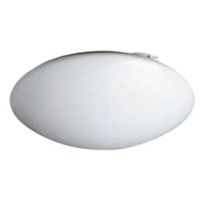
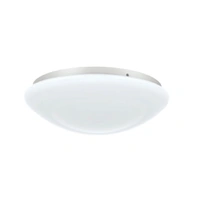
Oyster lights feature a dome-shaped glass or acrylic diffuser. Named for their resemblance to oyster shells. Provide even, glare-free illumination. Available in diameters from 200mm to 400mm. The SAL SL2104/22TC/DP offers 12/18W output with tri-colour selection.
Low-profile designs minimise ceiling protrusion. Only 15-25mm total depth. Modern aesthetic suits contemporary interiors. LED technology enables ultra-thin construction. The SAL SL2104/30TC/DP provides 18/25W in a compact form.
Track lights mount adjustable heads to ceiling rails. Allow repositioning without rewiring. Ideal for galleries, retail, and task lighting. The Brilliant Ceres Track Kit (White) includes three 10W LED heads with Tri-Colour control.
Circular fittings offer uniform light distribution. Standard wattages range from 15W to 30W. The NLS 20347 delivers 28W output with 4000 lumens.
Some ceiling lights feature plug-and-play installation. No hardwiring required for specific models. The Oriel OL2243 Pana offers 300mm alabaster glass with simplified mounting.
LED ceiling lights dominate the Australian market for good reason.
Quality LED ceiling lights last 25,000-50,000 hours. This equates to 15-30 years of typical residential use. Compare this to 1,000-2,000 hours for halogen bulbs.
Modern LEDs achieve high colour rendering (CRI 80-95). Accurately reproduce colours for tasks and aesthetics. No warm-up period required. Instant full brightness on switching.
Many LED ceiling lights offer dimming functionality. Requires compatible LED-rated dimmers. Check product specifications before purchase. Not all LED fixtures support dimming.
The Clipsal TPCLS features an IP54 rating for bathroom zones. IP44 minimum required for wet areas per AS/NZS 3000:2018.
Several factors determine the most suitable ceiling light for your space.
Kitchens require bright task lighting (800-1000 lumens per square metre). Living rooms benefit from softer ambient lighting (300-500 lumens per square metre). Bedrooms work well with dimmable options.
Ceilings under 2.4m require flush or low-profile fixtures. Standard 2.7m ceilings accommodate most designs. High ceilings above 3m may need downlights or pendants.
Small rooms (10-15 m²) are suitable for single 18-25W LED fixtures. Medium rooms (15-25 m²) require a total output of 30-40W. Large spaces (25 m²+) require multiple fixtures or higher-wattage units.
Warm white (3000K) creates a relaxed ambience. Neutral white (4000K) is suitable for general-purpose use. Cool white (5000K+) provides clinical, task-focused lighting.
Tri-colour LED fixtures offer three colour temperatures in one unit. Switch between 3000K, 4000K, and 5000K using a wall switch. Adjust lighting mood without changing fixtures.
Oyster lights remain Australia's most popular ceiling light style.
Dome-shaped diffuser distributes light evenly. Typically white acrylic or frosted glass. Round or square profiles available. Diameters range from 200mm to 400mm.
Oyster diffusers eliminate harsh shadows and glare. 360-degree light spread covers the entire room. Suitable for general ambient lighting applications.
Most oysters mount via a central base plate. Three or four screws secure to the ceiling. Wiring connects through the knockout holes in the base. Installation takes 15-30 minutes for licensed electricians.
Enclosed design prevents dust and insect entry. Diffuser clips off for lamp replacement or cleaning. No special tools required for basic maintenance.
Only 20-25mm ceiling projection. Minimalist aesthetic suits modern homes. SAL Frisbee range leads this category.
Switch between warm, neutral, and cool white. Single fixture replaces multiple bulb types. Popular for versatile lighting control.
IP44 or IP54-rated for bathrooms. Sealed against moisture and dust. Complies with AS/NZS 3000:2018 wet area requirements.
Tri-colour LEDs provide three distinct colour temperatures in a single fixture.
Fixture contains separate LED arrays for each colour temperature. The switching circuit activates one array at a time. The wall switch toggles between 3000K, 4000K, and 5000K. No dimmer or controller required.
Change the lighting mood seasonally without replacing fixtures. Use warm white for winter evenings. Switch to cool white for summer task lighting. Neutral white serves as an everyday option.
Single fixture installation saves labour costs. No need to stock multiple colour temperature variants. Future flexibility without electrical modifications.
Standard toggle: Off → 3000K → 4000K → 5000K → Off. Some models remember the last colour setting. Others reset to default warm white.
Several design and technology trends shape the modern ceiling light market.
Ultra-thin fixtures blend seamlessly with ceilings. 15-20mm total depth is becoming standard. Eliminates visual clutter in contemporary spaces. Suits residential and commercial applications equally.
WiFi and Bluetooth-enabled ceiling lights gain market share. Control via smartphone apps or voice assistants. Schedule lighting patterns automatically. Monitor energy consumption remotely.
Advanced colour temperature adjustment via remote or app. Continuous adjustment rather than fixed presets. Supports circadian rhythm lighting programs. Premium products command higher prices.
Exposed metal finishes and geometric shapes are popular. Black, brass, and copper tones replace traditional white. Raw concrete and warehouse aesthetics influence residential design.
Replaceable LED modules extend fixture lifespan. Recycled materials in construction are increasing. Energy efficiency ratings are prominently displayed. Packaging waste reduction initiatives.
All hardwired, fixed ceiling light installations require a licensed electrician in Australia.
Wiring must comply with Australian Wiring Rules. Minimum 1.0mm² cable for lighting circuits. 16A maximum overcurrent protection device. Earth continuity is required for all metal fixtures.
Plasterboard requires appropriate fixings for its weight. Timber ceilings accept screws directly into joists. Concrete requires masonry anchors or ceiling plugs. Always verify that the fixing capacity matches the fixture weight.
IC-rated fixtures are required where insulation contact occurs. Non-IC fixtures need 50mm clearance from insulation. Check the rating before installation in insulated ceilings. Improper installation creates a fire risk.
Only electricians holding unrestricted electrical worker licences may install fixed ceiling lights. DIY electrical work is illegal in Australia. Penalties include fines and insurance invalidation.
Sparky Direct offers a complete range of ceiling lights online. Browse ceiling lights on the website. Detailed product descriptions, photos, videos, datasheets, and specifications are available. Technical support available via phone and email.
Sparky Direct stocks a wide range of ceiling lights. Same-day pickup available for in-stock items. Items that are not in stock are often quickly available.
Fast shipping to all Australian states and territories. Metro areas typically receive orders within 2-3 business days. Regional delivery available with extended timeframes. Tracking information is provided for all shipments.
Compare specifications across multiple models. Filter by wattage, colour temperature, and IP rating. Read verified customer reviews before purchase. Technical datasheets are available for download for most products.
NLS offer budget-friendly quality ceiling lights.
SAL offers a comprehensive range of LED ceiling lights.
Clipsal by Schneider Electric provides premium quality fixtures.
Brilliant Lighting specialises in contemporary designs.
Oriel Lighting delivers architectural-grade solutions.
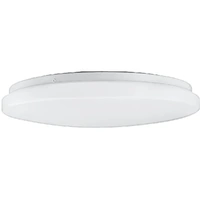
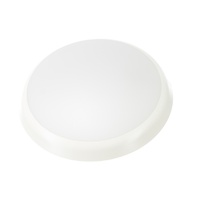
SAL SL2104/22TC/DP | 12/18W LED Low Profile Tri-Colour Frisbee Oyster | Ceiling Light
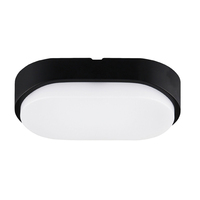
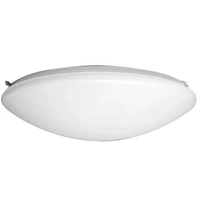
NLS 20157 | 25W LED Tri Colour Slim Line Circular Fitting 2500Lm | Ceiling Light
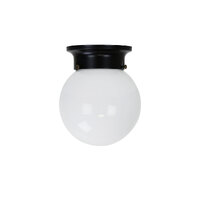
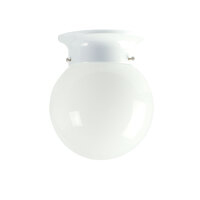
Oriel OL2100-15WH | Jetball 150mm DIY Opal Glass White | Ceiling Light
Browse the complete ceiling light range, installation guides, and technical specifications at Sparky Direct Ceiling Lights

Great modern look, easy install and I like the adjustable colouring. Highly recommend.
Great service Best price Quick delivery Excellent product
A game changer for my home. Beautiful elegant light. Good quality light fixture.
Trade Pricing • Trusted brands • Expert Advice • Fast Australia-wide Delivery
Shop Ceiling Lights →Get Expert Advice →Go for lower-wattage or smaller lights. Use the size, lumen output, and style filters on our site to find the right match.
Sparky Direct supplies ceiling lights Australia-wide, offering quality lighting solutions with convenient delivery.
Yes. Sparky Direct offers a 100 Day Money Back Guarantee – Try any product risk-free for 100 days. Not satisfied? Return it for a full refund of the product's purchase price. We believe in our products and stand behind every sale. Read all the details of the Sparky Direct Returns & Refund Policy.
Lighting Guide: Understanding Colour Temperature
Warm White – This gives off a soft, golden glow. It’s perfect for creating a cosy, relaxing vibe in bedrooms, lounges, or anywhere you want to unwind.
Cool White – Brighter and crisper than warm white, this tone works well in kitchens, bathrooms, and other practical areas where you need clear, bright light to see what you're doing.
Daylight – Mimics natural sunlight. It's the best choice for workspaces, home offices, or anywhere you need to stay focused and alert. Great for reading, crafting, or detailed tasks.
Tip: Pick the light colour that matches how you use the space. Warmer tones for comfort, cooler tones for clarity.
Want flexibility? Tri-colour LEDs let you switch between warm white, cool white, and daylight — all in one fitting.
Yes! LED ceiling lights are much more energy-efficient than older lighting types like halogens or compact fluorescent lamps (CFLs).
Most last 20,000 to 50,000 hours. This depends on how often you use them, how hot they get, and build quality.
Yes, if they have the right IP rating (usually IP44 or higher). Always check the specs.
Some do. Look for models with a frosted diffuser or choose warm white light to soften glare.
Flush-mount panels or slim oyster lights are ideal. They sit close to the ceiling, saving space.
Hard-wired lights must be installed by a licensed electrician. DIY options for ceilings are rare, so check the product details.
Yes, most of our ceiling lights have the RCM mark and meet Australian standards. For full details, check the datasheet for each product.
Compare lumens, not watts. More lumens = more light. Also check the beam angle and diffuser to see how the light spreads.
Yes, but a licensed electrician must install any hard-wired lights. Tenants should also check with their landlord.
Common options include warm white (2700–3000K), cool white (4000K), and daylight (6000K). Some models let you choose with a switch.
Yes. Most brands offer 1 to 5 years of warranty. You’ll find warranty info listed on every product page.
You’ll find surface-mount, flush-mount, and recessed styles. Each has its own installation method.
Most indoor ceiling lights are IP20. In wet areas like bathrooms, higher ratings like IP44 are common.
Many LED models are dimmable—but only with the right dimmer. Always check the product sheet or ask a licensed electrician.
Absolutely. LEDs use much less power and last longer. Check each product’s wattage and lumens for comparison.
Ceiling lights often use metal frames, acrylic diffusers, or glass covers built for indoor use. Materials may vary by model.