
Search Results:
Search Results:
Search Results:
Search Results:
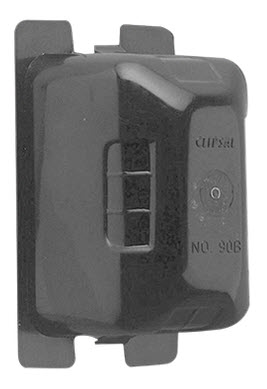
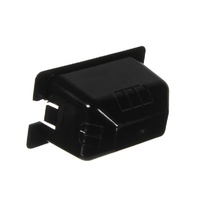
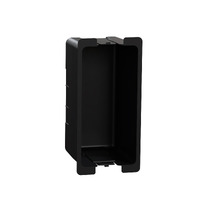
An insulating shroud is a moulded barrier designed to sit behind a wall accessory and cover the rear terminals where active, neutral, and earth conductors land. It is also known as an electrical shroud, GPO shroud, power point shroud, terminal shroud, switch shroud, or protective terminal cover. The category serves licensed electricians, electrical contractors, maintenance teams, and informed buyers sourcing compliant accessories for Australian projects.
Shrouds support the broader requirement to protect live parts against accidental contact. They are not a substitute for correct device selection, cabling, earthing, or testing. Selection and fitting must form part of compliant electrical work carried out by a licensed electrician under AS/NZS 3000.
A shroud is a small moulded insulating cover. It clips, slides, or seats over the rear of a fitting to create a physical barrier around live terminal screws and connection blocks. It does not replace correct wiring practice, circuit protection, or enclosure design.
Shrouds are most often used behind standard Australian wall accessories such as power points and switch mechanisms. They are also used inside switchboard and switchgear assemblies where exposed terminals sit close to metalwork or other conductive parts.
A correctly fitted shroud reduces the risk of accidental contact with live terminals during maintenance, inspection, or future device replacement. It also lowers the risk of phase-to-earth or phase-to-neutral short circuits caused by stray copper strands, metal swarf, or screw failure at the terminal block.
Common contact points the shroud protects against include metal mounting brackets, steel C-clips, painted or galvanised wall boxes, and the back of power point mounting brackets. Cable movement, building vibration, and routine maintenance handling all increase the value of a dedicated terminal barrier behind the fitting.
Shrouds are specified across residential, commercial, and industrial installations. Typical applications include single and double GPOs, light switches, dimmer mechanisms, weatherproof outlet rear terminals, switchboard component terminals, and machinery panel wiring.
Contractors often specify shrouds during new fit-offs, retrofit projects, switchboard upgrades, commercial fit-outs, and routine maintenance programs. They support a neat, compliant, low-risk finish wherever rear terminals would otherwise sit close to a conductive frame or bracket.
All electrical installation work in Australia must comply with AS/NZS 3000 (the Wiring Rules) and the electrical safety legislation of the relevant state or territory. The Wiring Rules require live parts to be protected against accidental contact. Insulating shrouds are one accepted method of achieving terminal-level protection on suitable fittings.
Shrouds are not a DIY shortcut. They do not remove the requirement for correct product selection, correct installation, mandatory testing, and certification by a licensed electrician. The product is one component within a wider compliant design that includes circuit protection, earthing, cable selection, and isolation.
The Wiring Rules require live parts to be protected from accidental contact in normal use. Insulating shrouds are a common trade method for delivering terminal protection on suitable fittings. They are not blanket-mandated for every device.
The actual requirement depends on the fitting design, the enclosure, the mounting method, and the manufacturer instructions. Electricians follow AS/NZS 3000, the device manufacturer documentation, and the project specification to decide whether a shroud is required and which model to fit.
Licensed electricians specify shrouds to reduce risk in installations where metal frames sit close to terminal screws. The judgement covers correct fit, correct depth, suitable material rating, full terminal coverage, and compatibility with the device being installed.
The product is also valuable during future maintenance access. A shroud that is still in place when the fitting is removed gives the next electrician a clearer working environment and lowers the risk of an inadvertent contact during testing or replacement.
A shroud is a localised barrier. It does not replace correct enclosure ratings, segregation, earthing, RCD protection, cable restraint, fault protection, or testing requirements.
One practical example: a shroud may protect the rear terminals on a switch plate fitted indoors, but it does not make an unsuitable enclosure safe for outdoor, wet, or dust-prone conditions. Those environments require correctly rated weatherproof or IP-rated enclosures designed for the location.
Insulating shrouds vary by fitting type, depth, mounting centre, terminal arrangement, and intended environment. The right product is the one that fully covers the exposed terminals of the specific fitting without fouling the bracket, accessory body, or enclosure.
Contractors ordering bulk packs or maintaining van stock generally keep a small range of common shrouds on hand. This covers most residential and light commercial fit-offs without needing a specialist order for every job.
Standard shrouds are designed for common residential and commercial wall accessories. They fit behind single, double, and multi-gang GPOs as well as standard light switch plates. Compatibility extends to common Australian switch and power point formats from major brands.
These shrouds are made to clear standard metal mounting brackets, wall boxes, and C-clips. They suit the majority of fit-offs in homes, offices, retail tenancies, and light industrial sites.
Deep shrouds are designed for fittings with larger terminal assemblies, deeper accessories, or specific commercial switchgear formats. They suit higher-current outlets, oven and cooker isolators, and fittings that need more rear clearance to fully cover the terminal block.
Using a shallow shroud on a deep fitting is a common selection error. It can leave part of the terminal block exposed and create a false sense of protection. Match the shroud depth to the fitting depth, not just the plate footprint.
Industrial and panel-mounted shrouds are specified inside switchboards, control panels, distribution boards, machinery panels, and specialist electrical gear. These applications often place exposed terminals close to busbars, metalwork, or other live components.
Selection considerations widen to include dielectric strength, mechanical retention, temperature exposure, moisture, dust, and chemical environment. Final selection should be confirmed against the device manufacturer specifications and the project compliance documents.
Insulating shrouds are made from moulded plastics chosen for dielectric strength, heat resistance, and service life. The material rating matters because the part sits inside the warmest section of a live electrical assembly for decades. Material choice should match the ambient temperature, the mechanical stress, and the installation environment.
Most trade-grade shrouds use fire-retardant nylon or PVC. The shroud datasheet, not the colour or the appearance, is the source of truth for compliance confidence.
Fire-retardant nylon is the preferred material in many trade applications. It offers strong dielectric strength, useful heat resistance, mechanical toughness, and dimensional stability over the service life of the fitting.
The self-extinguishing behaviour available on rated nylon grades is valued in commercial, industrial, and higher-temperature environments. Match the material grade to the application and confirm the rating in the product documentation.
PVC and other moulded insulating materials can provide useful protection in standard indoor environments. They may be less suitable where elevated temperatures, harsh chemicals, or higher mechanical stress are expected over time.
Check the product data sheet before placing a bulk order for a demanding environment. Visual appearance alone is not a reliable guide to the underlying material grade or rating.
Black is the most common shroud colour because it gives strong visual contrast behind white or light-coloured wall accessories. The contrast helps with quick visual checks during fit-off and maintenance.
Colour is not the compliance factor. Material rating, correct fit, and full terminal coverage are what matter. Visual inspection of the shroud forms part of standard completion checks and ongoing maintenance.
Selecting the right shroud is a short decision tree built on the fitting, the environment, and the project specification. The product cost is low. The cost of a wrong fit, a callback, or a failed inspection is high. A few minutes spent matching the shroud to the fitting saves time on every install.
Final selection should always follow the device manufacturer instructions and the relevant Australian electrical requirements. Where the documentation is unclear, default to the conservative option and verify against the project specification.
Match the shroud to the device. Standard wall accessories such as power points, light switches, and socket outlets generally accept the common GPO and switch shroud format. Switchgear, distribution boards, and industrial gear may need specific manufacturer-approved shrouds.
Universal shrouds suit many common accessories. Manufacturer-specific fittings may require their own shroud rather than a universal substitute. Check the device datasheet first.
The shroud must fully cover the exposed terminals without fouling the wall bracket, accessory body, or enclosure. A correct fit leaves no terminal screw or active conductor visible from any angle when the device is seated.
Commercial switchgear and larger accessories often use different mounting centres and deeper bodies than standard residential fittings. Always verify the centres and the rear clearance before committing to a bulk order.
Dry indoor residential and commercial fit-offs are the most common application. Switchrooms, plant rooms, industrial panels, and machinery cabinets carry additional considerations such as ambient temperature, vibration, dust, and chemical exposure.
Damp, corrosive, outdoor-adjacent, or high-vibration locations may need a shroud that is part of a broader IP-rated or manufacturer-approved enclosure system. The shroud on its own does not provide environmental protection.
Contractors often keep commonly used shrouds in van stock because the unit cost is low and the safety value is high. A handful of shrouds on the truck prevents a return trip to the wholesaler and keeps fit-off work moving.
Check pack quantities, compatible fittings, and current stock availability before placing a bulk order. Match the shroud range to the brands of switch mechanism and GPO already specified for the project.
Shrouds, heat shrink, terminal covers, enclosures, insulation tape, and cable glands all solve different protection problems. Insulating shrouds are specifically designed for rear-terminal protection on wall accessories and similar fittings. They are not a universal replacement for the other categories.
The right choice depends on the failure mode being controlled. A terminal block behind a GPO needs a shroud. A cable joint inside a conduit needs heat shrink. A switchboard needs a rated enclosure. Each category does one job well.
Heat shrink tubing protects individual conductors, joints, or cable terminations. It seals one connection at a time. Insulating shrouds cover a whole terminal area or rear fitting assembly in a single piece.
Heat shrink is not a practical replacement for a properly fitted shroud behind a switch or power point. The shroud guards multiple terminals at once and re-seats correctly after maintenance.
Electrical tape is useful for temporary identification, phase marking, and minor insulation tasks. It should not be relied on as a durable structural terminal barrier where a purpose-made shroud is required.
Adhesives degrade with heat, dust, humidity, and time. Tape can move, peel, or lose grip on a vibrating assembly. A moulded shroud holds its shape and its position over the service life of the fitting.
Electrical enclosures provide broad environmental and mechanical protection for a whole assembly. Insulating shrouds provide localised terminal shielding inside or behind a fitting.
The two products are complementary rather than competing. Switchboards and industrial panels routinely use both: the enclosure protects the assembly from the environment, and the shrouds protect specific terminal blocks within the assembly. Quick connect terminals may also be paired with shrouds in some control assemblies.
Electrical installation, alteration, repair, and testing must be carried out by a licensed electrician. The notes below cover high-level principles for selecting, inspecting, and maintaining insulating shrouds. They are not a substitute for licensed trade work or for the device manufacturer instructions.
A shroud that is correctly fitted, correctly sized, and undamaged provides long service. A shroud that is forced, modified, or substituted for an incompatible part can give a false sense of protection. The goal is a clean, fully covered terminal area that an inspector or future tradesperson can recognise at a glance.
The licensed electrician confirms the circuit is isolated, verifies that the fitting and shroud are compatible, checks terminal coverage, and tests the installation in line with AS/NZS 3000. The shroud should not be cut, drilled, or forced unless the manufacturer documentation specifically permits the modification.
An incompatible shroud or a damaged shroud should be replaced, not adjusted in the field. The product is low cost and a fresh part is faster than a workaround.
Some shrouds may be reused if they are clean, undamaged, correctly shaped, and still compatible with the new fitting. Replacement is often preferred because the unit cost is low and the function is safety-critical.
Replace any shroud that is cracked, heat affected, brittle, distorted, contaminated, or no longer positively retained on the fitting. A degraded shroud is a hidden defect that is easy to miss during a routine visual check.
Visual inspection of shrouds forms part of switchboard upgrades, GPO and switch replacement, commercial maintenance, and fault investigation work. The check takes seconds and confirms that the terminal barrier is still doing its job.
Common defects include a missing shroud, a loose shroud, incorrect depth, exposed terminal screws, heat marks, cracked plastic, pest damage, moisture contamination, and incompatible substitution from a previous unbranded repair.
Shrouds are a small-ticket, high-volume safety component. The procurement question is rarely about price alone. It is about getting the right product, in the right pack quantity, in the right time for the job. Brisbane-based and Australia-wide ordering should both be considered when planning bulk purchases.
Use the buying criteria below as a checklist when comparing electrical accessories across wholesalers. A clear specification check is faster than a returned order.
Confirm the product dimensions, compatible fittings, material, pack quantity, shroud depth, and brand or range suitability. Verify whether the shroud is intended for GPOs, switches, switchgear, or industrial equipment.
Review the product photos and datasheet carefully before ordering bulk quantities. A short check now prevents a wrong-size return that delays the job by several days.
Bulk packs suit fit-offs, multi-residential projects, retail fit-outs, office refurbishments, and ongoing maintenance programs. Consistent specification across a single project reduces installation time and lowers the risk of site delays from missing small safety components.
Order the shroud range that matches the GPO and switch brand already specified. This keeps the assembly compatible end to end and avoids mixed kits on site.
Compare total landed cost rather than headline unit price. Useful factors include product traceability, current stock visibility, delivery timeframes, trade account pricing, and the depth of the broader accessory range.
A wholesaler that carries the matching switch mechanisms, GPOs, plates, and accessories alongside the shrouds reduces split orders and shipping fragmentation across the project.
Club Clipsal is Australia's largest electrician community offering trade rewards, business support, and exclusive benefits. When you nominate Sparky Direct as your preferred wholesaler, we automatically apply your Clipsal spend points to your Club Clipsal account daily.
Entry-level offering coaching, mentoring, and training discounts
Unlock exclusive industry tools and networking events
Access Toyota fleet offers and business software discounts
Maximum benefits, including VIP experiences and rewards
1. Sign Up: Create your Club Clipsal account at clipsal.com/club-clipsal or via the iCat mobile app
2. Nominate Sparky Direct: Select Sparky Direct from the wholesaler dropdown menu in your profile
3. Add Email: Enter your Sparky Direct account email address in the membership number field
4. Start Earning: Every dollar spent on Clipsal products earns points automatically
Redeem points from the rewards store, including gift cards, tools, and experiences. Access business summits, product training, and industry networking events. Receive early access to new product launches and special promotions. Connect with fellow electricians via the Club Clipsal community app.
Sparky Direct stocks shrouds and the matching wall accessories from the major trade brands used across Australia. Browse by brand to keep the project specification consistent:
Watch NLS 30469 | INSULATING SHROUD video
Watch NLS INSULATING MECH SHROUD | 30677 video
Watch CLIPSAL 30M | 10Amp Switch Mech (30 Series) 30M-WE video

I have been back to this shop to purchase material twice and have found the shop to be fair in price and a great selection of items. They are pretty responsive to the orders as well and get delivered quick smart Kevin
These are genuine switch-mechs. There are a lot of counterfeit ones around, particularly on eBay, as I found out. These genuine ones have the correct rating and last the distance. -- they won't void your insurance or burn your house down.
I was looking for some 30M Clipsal Mechs to complete a building project - The price on offer was amazing - I ordered 50 mechs and they arrived the next day in Victoria. Brand New. Wow thanks to Dan and the guys..
Quality products in stock • Fast Australia-wide delivery • Competitive trade pricing
Browse Insulating Shrouds → Get Expert Advice →