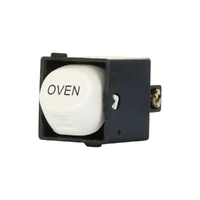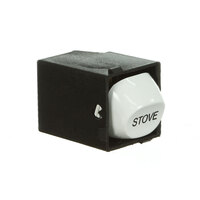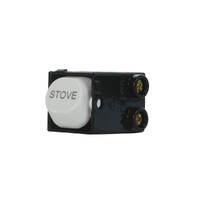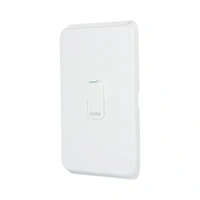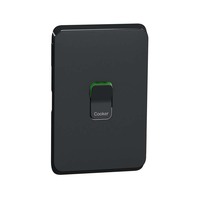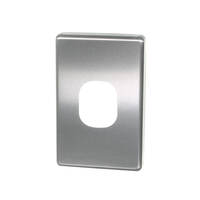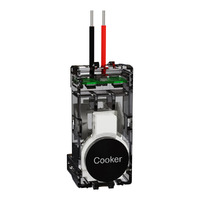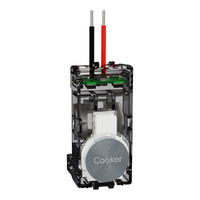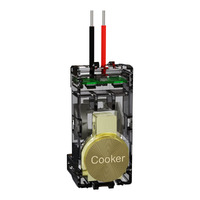

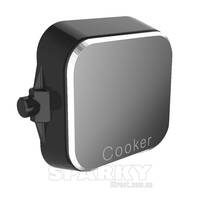

Dolly Only
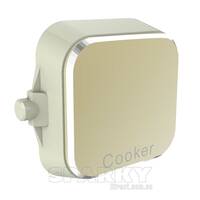
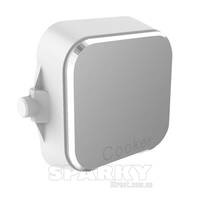
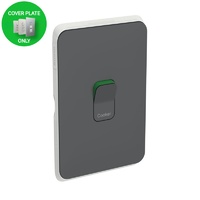
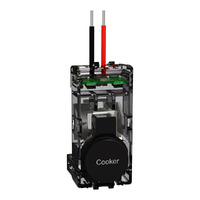
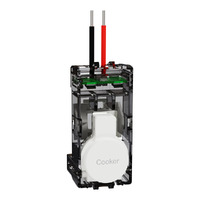
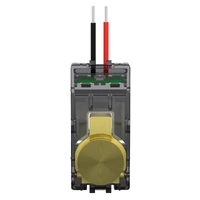
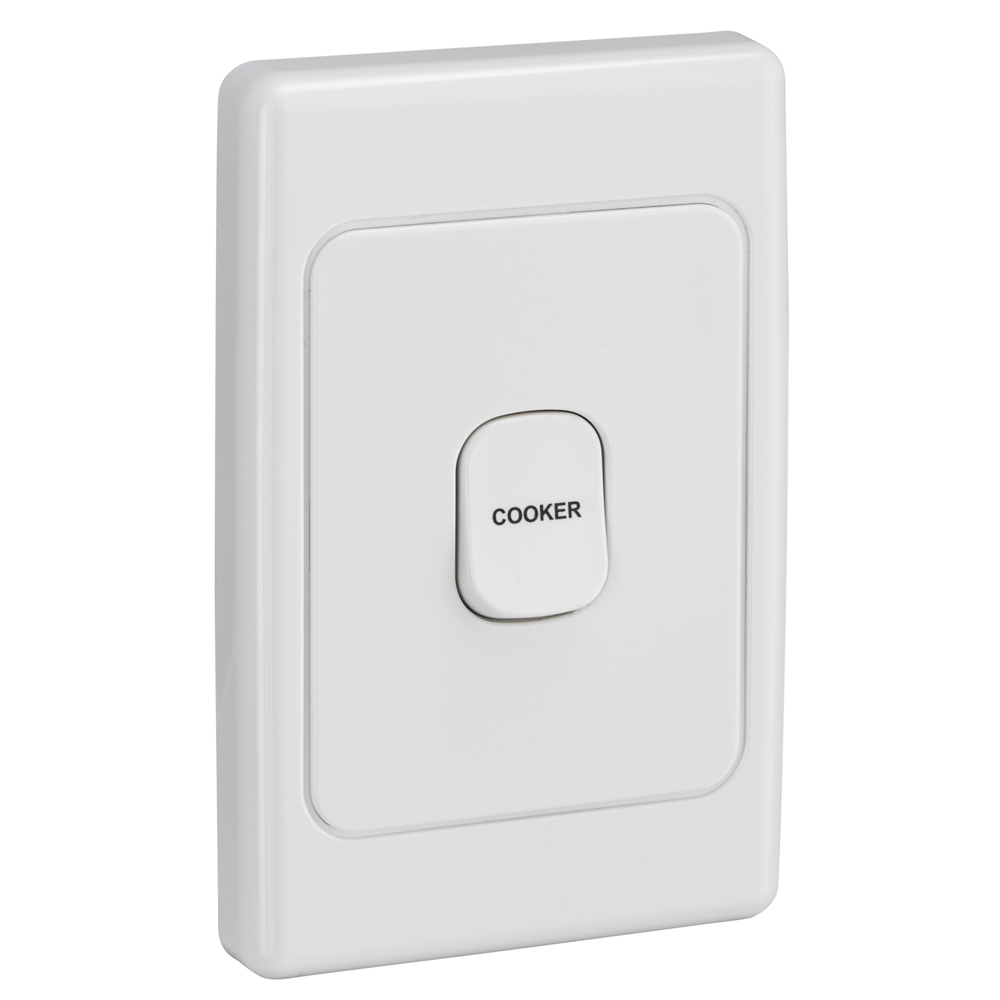
"Cooker" Dolly Rocker | Clipsal Iconic STYL Dolly Rocker | Silver Shadow | S40CR-SH | Single buy
$3.66
$3.33 ex. GST
Search Results:
Search Results:
A cooker switch is a purpose-built isolator for fixed cooking appliances. It sits on a wall near the kitchen, typically rated 32A or 45A, and provides dedicated on-off control for the appliance circuit. The product is also commonly called a stove isolator, oven isolator, or cooking appliance isolator depending on the brand.
The switching mechanism interrupts the supply to the cooking appliance circuit when the switch is moved to the off position. Most modern cooker switches are double-pole, switching both active and neutral conductors together so the appliance is fully isolated from supply. The result is a safe state for servicing, cleaning behind the appliance, or emergency response. Wiring and termination are completed by a licensed electrician; the user only operates the wall switch.
The reasons electricians and builders specify cooker switches in Australian kitchens:
Not every cooking appliance requires the same configuration. The appliance nameplate rating, the circuit design, and the switch rating must all be confirmed before purchase. A licensed electrician determines the correct specification for the installation.
Buyers sometimes look for a "stove switch" and end up considering products that are not designed for cooking appliance loads. The wrong product can fail under sustained load or fail to meet compliance requirements.
A standard light switch is not designed for high-current cooking appliance circuits. Light switches are typically rated 10A or 16A and use a single-pole mechanism. Cooker switches are rated 32A or 45A and use a double-pole mechanism. Substituting a standard wall switch for a cooker switch is unsafe and non-compliant; the standard switch will overheat under sustained cooking load and may fail. Compare the broader light switches range when a standard switch is the right product for a different circuit.
A cooker switch is a specific type of isolating switch designed for cooking appliances. Other fixed appliances such as hot water systems, air conditioning condensers, and pool equipment use general isolators rated for those load types. The general isolator switch range covers indoor and weatherproof options; IP66 key-lockable isolators suit exposed and industrial applications. For switchboard-level isolation, see the main switches and isolators range. Cooker switches are the right product specifically for the cooking appliance circuit; other isolator types suit other appliances.
This is the most common technical decision on the category and the one that catches buyers out. The difference matters for compliance, safety, and product selection.
A single-pole cooker switch interrupts only the active conductor. The neutral remains connected when the switch is off. This isolates the cooking element from supply but does not fully separate the appliance from the circuit.
A double-pole cooker switch interrupts both the active and neutral conductors together. The appliance is fully separated from the supply when the switch is off. Double-pole units are commonly specified for cooking appliance isolation under modern Australian wiring practice because they provide complete isolation rather than active-only switching.
The correct pole configuration depends on the appliance, the circuit design, and the applicable Australian wiring requirements. The licensed electrician confirms which configuration is required for the installation before the product is ordered. For new installations, double-pole is the typical default; for like-for-like replacement of an existing single-pole switch, the electrician should reassess against current AS/NZS 3000:2018 requirements rather than assume the existing configuration is still compliant.
The Australian cooker switch market splits along three axes: the current rating (32A or 45A), the pole configuration (single-pole or double-pole), and the wall plate format (flush-mount or surface-mount, with or without neon indicators). The next four sections cover the main product variations buyers compare before ordering.
The 45A double-pole format is the common heavy-duty category for fixed electric cooking appliances in Australia. The higher current rating handles sustained appliance load without overheating, and the double-pole mechanism provides full isolation when the switch is off. This is the default specification for most modern oven and cooktop installations.
Suitability still depends on the appliance load (taken from the nameplate), the cable size, the circuit protection, and the electrician's overall circuit design. The 45A rating provides headroom but does not override the requirement to match the switch to the specific appliance and circuit. The Clipsal Iconic cooker switches range includes 45A double-pole units in the Iconic modular plate format; the wider cooker switch category covers Classic, 2000 Series, and other ranges. Buyers can filter by amperage, brand, finish, mounting type, and indicator option before ordering.
A neon indicator is a small status light built into the switch plate that glows when the cooker circuit is energised. The user can see at a glance whether the appliance is switched on without opening the appliance door or relying on the cooktop control panel for status feedback.
Neon models are useful in kitchens where the appliance itself has limited status feedback. Common cases include:
The neon indicator is a visual aid, not a substitute for correct isolation testing; a licensed electrician still verifies isolation with a tested instrument when working on the circuit.
Indicator preference should not override rating, mounting, and compliance requirements. A neon model that does not match the appliance load is still the wrong product. Choose the rating and pole configuration first, then choose between neon and non-neon variants within that specification.
Flush-mount cooker switches sit inside a recessed wall box with the plate flush against the finished wall. The look is clean and integrated with surrounding switches and power points. Flush-mount is the standard format for finished interior walls in kitchens, dining rooms, and visible wall areas.
Surface-mount cooker switches sit on the face of the wall with a protective enclosure around the mechanism. This format suits garages, utility spaces, workshops, plant rooms, exposed-conduit installations, and any location where cutting into the wall is not practical or where the wall finish does not support a flush-mount box.
Mounting compatibility matters. Flush-mount switches need a compatible wall box at the correct depth; surface-mount switches need the right mounting block or back box for the wall substrate. Check the required mounting accessory before ordering, particularly on renovation jobs where the existing wall box may not match the new switch format.
Robust switching matters in installations where the cooking appliance runs for extended periods or where the switch sees repeated use. Common applications include:
Heavy-duty residential and light commercial cooker switches are rated for sustained domestic and light commercial loads, not industrial cooking equipment. Full industrial kitchens use different switching products specifically rated for that environment. The licensed electrician determines whether a standard 45A residential cooker switch is suitable for the installation or whether an industrial alternative is required.
The technical specifications below are the practical checks that influence product choice. Get the rating and compliance right before considering finish or brand.
Current rating matters most for ovens, cooktops, and induction appliances that draw sustained load. Cooker switches are rated higher than everyday switches (typically 32A or 45A) because cooking elements can pull continuous current for hours during meal preparation or commercial service periods.
The switch rating must match the appliance nameplate, the circuit protection, the cable size, and the electrician's design. Specifying a 32A switch on a circuit that draws closer to 32A leaves no headroom and will heat the switch over time. Specifying a 45A switch on a 32A circuit is over-rated but compliant; the electrician confirms whether the higher rating is appropriate for the installation.
Cooker switch installation must comply with AS/NZS 3000:2018 (the Australian and New Zealand wiring rules) and the relevant state or territory electrical safety regulations. Products sold for Australian installation should carry the Regulatory Compliance Mark (RCM).
Compliant purchasing matters for electricians, builders, landlords, and insurers. Non-compliant imported switches from overseas marketplaces may fail to meet Australian standards, void appliance warranty, and create liability issues if an incident occurs. Authorised Australian electrical suppliers stock RCM-certified products as standard.
Cooker switches should be accessible and positioned to support safe isolation of the appliance. AS/NZS 3000:2018 requires the isolating switch to be readily accessible from a position outside the immediate appliance recess so it can be operated quickly in an emergency.
Kitchen planning considerations include splashback height, cabinetry layout, benchtop overhang, appliance recess depth, and wall clearances near the cooker. The switch position should be confirmed with the licensed electrician before cabinetry is built or tiling is finalised; relocating a cooker switch after fit-off is expensive and disruptive.
IP rating matters where the installation environment is moisture-prone, dusty, or exposed. Standard indoor cooker switches are not suitable for outdoor kitchens, exposed alfresco areas, laundries near sinks, or garage installations adjacent to wet zones. For these locations, the weatherproof switches range covers IP-rated alternatives. The electrician confirms whether the standard cooker switch is suitable for the location or whether a weatherproof isolator is required.
A practical decision framework that moves from the appliance type through to the finish. Most specification mistakes come from skipping the appliance check at the start.
Different appliances have different isolation and current requirements. Common appliance categories:
Check the appliance manufacturer specifications before ordering; some appliances list the required isolating switch rating in the installation documentation.
A neon indicator is worth selecting in kitchens where the appliance gives limited visual feedback or where multiple users benefit from clear circuit status. Rental properties, shared kitchens, and induction-cooktop installations are common cases where the indicator earns its premium. Indicator preference does not override rating, mounting, and compliance requirements; choose those first, then choose between neon and non-neon within the correct specification.
Brand choice depends on compliance documentation, switch range support, available finishes, warranty, and consistency with the rest of the home or project. The major Australian electrical accessory brands stocking cooker switches include Clipsal, HPM, Trader, and Legrand.
Range matching is the practical consideration that often gets overlooked. A Clipsal Iconic cooker switch fits inside the Iconic modular skin plate system and matches surrounding Iconic light switches and power points. A Classic Series cooker switch matches Clipsal Classic light switches and dated-style installations. Mixing ranges within a single kitchen produces a visible mismatch where the cooker switch does not align with the surrounding plates.
The main wall plate ranges to consider for matching:
Finish options include standard white, vivid white, black, brushed aluminium, and premium finishes within select brand ranges. For renovation work, confirm the existing switch range before ordering replacement cooker switches; substituting a different range creates a visible difference even when the new switch is technically compliant.
Cooker switch installation is fixed electrical work and must be performed by a licensed electrician in Australia. The buyer can plan, select, and prepare; the wiring is not a DIY task. Unlicensed electrical work is illegal in every Australian state and territory, and it voids insurance cover if an incident occurs.
The electrician's pre-installation checks include:
The electrician determines whether the selected cooker switch is suitable for the specific installation. If the selected product does not match the circuit, the electrician will recommend an alternative before installation begins.
The buyer's role is selection and preparation, not installation. What the buyer can usefully prepare:
For new kitchens and major renovations, discuss the selected product with the electrician before purchase to confirm compatibility. Terminal wiring, conductor identification, and live-work instructions are not appropriate for the buyer and are not covered on this page.
Frequent ordering errors that delay appliance commissioning:
Check product codes and specifications carefully before checkout. Ordering errors typically cost more in delayed appliance commissioning than the time saved by skipping pre-purchase verification.
Cooker switches cover a range of project contexts, from single residential replacement through to multi-dwelling new construction. The product specification stays the same, but the planning detail differs.
"Best" in the residential context means compliant, correctly rated, suitable for the appliance, visually appropriate for the kitchen, and readily serviceable. Typical residential applications include single-family kitchens, rental property maintenance, and appliance upgrade jobs where the existing cooker switch has reached end of life or no longer matches the appliance load. Avoid ranking specific models against each other without product data; the right cooker switch depends on the specific kitchen and appliance, not a generic "best buy" claim.
Renovation work introduces additional planning considerations. Replacing old oven and cooktop isolation often coincides with appliance replacement, splashback installation, and cabinetry changes. The new cooker switch should match the existing or planned switch range across the kitchen for visual consistency; mixed ranges look unplanned.
Coordination with the builder is important. Splashback tiling done before the electrician returns means the cooker switch location is locked in by the tile cut-out. Cabinetry done before the switch location is confirmed means relocating becomes a major job. Like-for-like replacement still requires a licensed electrician; do not assume an old single-pole switch can be replaced with the same configuration without compliance review against current rules.
Adjacent renovation categories worth considering at the same time include dimmer switches for kitchen ambient lighting, fan speed controllers for rangehood-adjacent ventilation, and power points for benchtop appliance circuits.
Electricians and builders ordering cooker switches in bulk for residential projects, multi-dwelling builds, or rental maintenance programs benefit from consistent specification practices.
The practical considerations for trade orders:
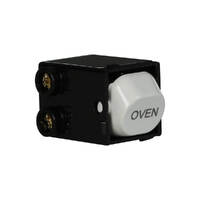
For complete switch and accessory plate matching across a project, the switch mechanisms range lists mechanism-only options where the project specifies the plate separately from the switching device.
Online buying for cooker switches works best when the specification is locked in before order placement. The checks below reduce mid-order substitution and shipping delays.
Price varies by:
Heavy-duty and premium-finish models usually cost more than basic white flush-mount options. Exact pricing changes over time and should be confirmed on the product page before ordering.
Low price should never come at the expense of RCM compliance, correct current rating, or brand traceability. Unverified imports without Australian compliance documentation create liability for the electrician and the homeowner; the small saving is rarely worth the rework or insurance issue if the product fails.
Compare on specifications, product codes, and warranty terms rather than headline price alone. A correctly rated 45A double-pole switch from a known Australian brand at a mid-range price is better value than the cheapest available product without compliance documentation.
Online ordering for electricians, builders, and renovators provides specification visibility, product range comparison, and delivery planning across the project schedule. Sparky Direct stocks cooker switches across the major Australian brands including Clipsal, HPM, Legrand, and Hager, with nationwide delivery and trade-friendly product information for accurate ordering.
For related appliance switching products, see the oven thermostat and switch range in appliance parts, and the broader appliance parts category for components that complement the cooker switch installation.
Watch Clipsal Iconic 3041D45-VW | Cooking Appliance Isolator Double Pole, 250V, 45A | Vivid White video
Watch Clipsal C2031-45BK | Stove Isolator 45Amp 250v Black (Classic Series) video
Watch Clipsal Iconic 3041-45VW | Cooking Appliance Isolator Single Pole, 250V, 45A video

I am thoroughly impressed with its design and pure white finish which gives it a clean, contemporary look that seamlessly blends with my home décor. Unlike bulky outlets, the Clipsal Saturn has a streamlined profile that sits nearly flush with the wall. Installation was straightforward and it is a small detail in my home, but it makes a noticeable difference in the overall look.
Electrical DIY should never be done. But having exact reppacements for the electrician's arrival makes it a quick job, and the switch is consistent with others in the house.
Easy ordering. Top product. Fast service. Great website. What's not to like....prices are good too.
Quality products in stock • Fast Australia-wide delivery • Competitive trade pricing
Browse Cooker Switches → Get Expert Advice →Yes, they are designed with large, clearly marked switches for simple operation.
You can find Cooker Switch options at Sparky Direct, offering suitable solutions for Australian kitchens.
Yes, Australian regulations require a licensed electrician to install or replace cooker switches.
Check the current rating, voltage rating, indicator light requirement, and installation suitability.
Yes, they are available through authorised electrical suppliers and online electrical retailers.
Yes, they are typically supplied with a manufacturer’s warranty covering defects under normal use.
Yes, quality cooker switches are designed for long-term use in Australian homes.
Yes, they are built to handle high electrical loads and frequent use.
Yes, they are commonly installed during kitchen renovations and upgrades.
Minimal maintenance is required once installed correctly.
Yes, they are available in styles that complement modern and minimalist kitchen designs.
Yes, many ranges offer matching designs to coordinate with other wall switches and power points.
Modern cooker switches are designed to be compact and suit contemporary kitchens.
A cooker switch is a high-current electrical switch designed to safely control and isolate power to electric cooktops, ovens, or freestanding cookers.
It provides a clear visual confirmation that power is supplied to the cooker.
It is typically installed on the wall near the cooker, within easy reach but safely positioned.
Yes, installation must be carried out by a licensed electrician to ensure safety and compliance.
Many cooker switches include a neon or indicator light to show when power is on.
Yes, they are suitable for electric ovens, cooktops, and combination cooking appliances when correctly rated.
Yes, they are commonly installed in residential kitchens for electric cooking appliances.
Yes, cooker switches function as an isolator, allowing complete disconnection of power to the appliance.
In most installations, a local isolating switch is required to meet Australian electrical regulations.
Cookers require a dedicated switch to allow safe isolation of power for servicing, maintenance, or emergencies.
They are typically rated for standard Australian mains voltage of 230–240 volts AC and suitable for higher current loads.
Yes, cooker switches are designed to meet relevant AS/NZS electrical safety and performance standards when installed correctly.