
Search Results:
Search Results:
Search Results:
Search Results:
The three main hole saw types are bi-metal, tungsten carbide tipped (TCT), and diamond. Each is engineered for different materials and cutting conditions. Choosing the correct type reduces wear, improves cut quality, and protects both the tool and the workpiece.
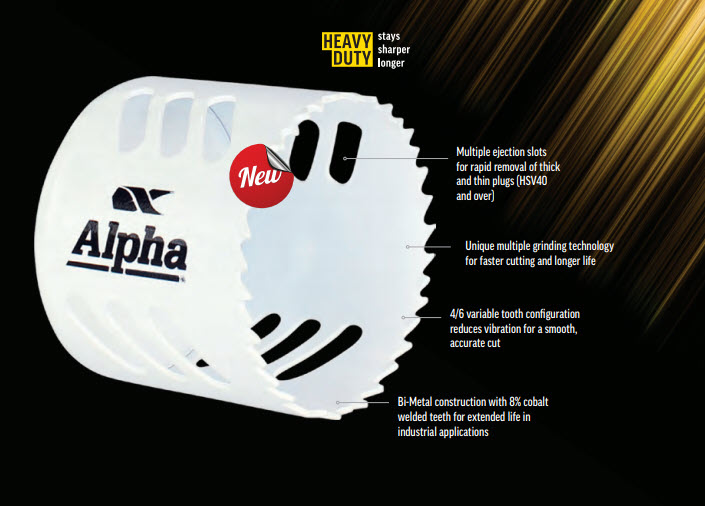
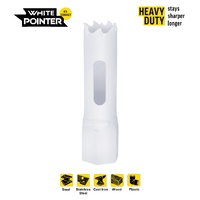
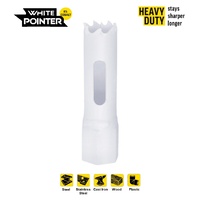
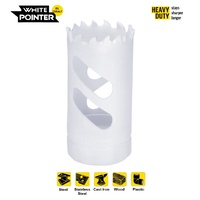
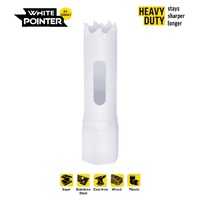
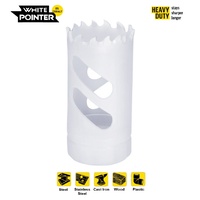
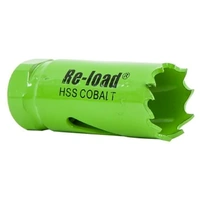
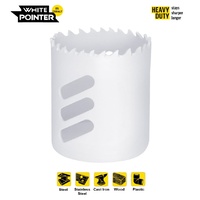
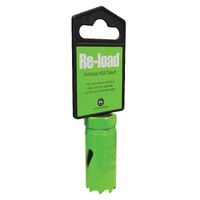
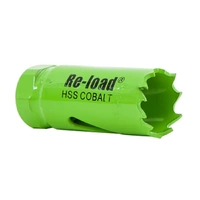
Bi-metal hole saws combine a flexible steel body with high-speed steel (HSS) teeth. The HSS teeth hold an edge through repeated cuts in timber, plasterboard, thin sheet metal, and plastic. Most electricians reach for a bi-metal saw first because it handles the majority of installation materials encountered on a typical job. Brands such as Re-Load and Major Tech produce bi-metal saws with cobalt-alloyed teeth that extend service life beyond standard HSS options.
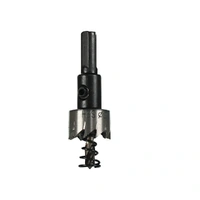
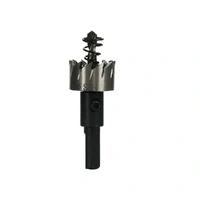
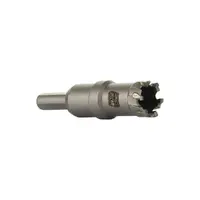
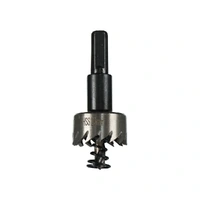
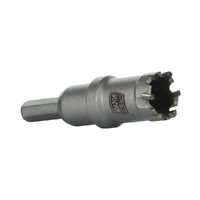
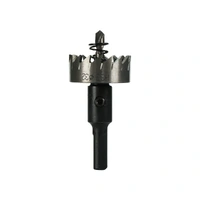
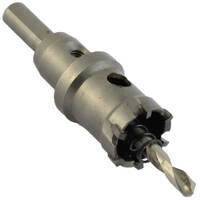
Tungsten carbide tipped (TCT) hole saws use brazed carbide teeth. Carbide is harder than HSS and resists heat buildup more effectively, making TCT saws the correct choice for fibre cement sheeting, compressed board, abrasive composite panels, and harder engineered timber products. They cost more than bi-metal saws but last significantly longer when used on appropriate materials. Using a bi-metal saw on fibre cement will dull the teeth within a few holes; a TCT saw maintains performance across dozens of cuts in the same material.
Diamond hole saws use an electroplated or sintered diamond grit edge rather than conventional teeth. They are the only practical option for cutting ceramic tiles, porcelain, glass, granite, and natural stone. Diamond saws require water cooling during use to manage heat and prevent cracking the workpiece. They are also used for masonry drill bit applications where a core hole is required through brick or block. Using any other saw type on tile or glass risks shattering the material.
Material selection is the single most important variable when choosing a hole saw. Using the wrong type causes premature wear, poor cut quality, and in some cases damaged workpieces. The following guidance covers the materials most commonly encountered on electrical and trade jobs in Australia.
Standard bi-metal saws work well in most timber applications, including framing timber, MDF, particleboard, and standard plywood. For engineered wood products with abrasive adhesive layers (such as LVL beams or high-density particleboard), a cobalt bi-metal or TCT saw will outperform standard HSS options. Speed should be kept moderate in timber: excessive RPM generates heat and glazes the kerf, which reduces cutting efficiency. A pilot drill guides the saw through the entry cut and prevents wandering on the initial contact.
Cutting mild steel requires a bi-metal saw run at low speed with firm, consistent pressure. Cutting fluid or cutting paste extends tooth life significantly in metal applications. Stainless steel is harder and work-hardens under the cut, so a cobalt-alloyed bi-metal or TCT saw is preferred for stainless. Feed rate must be steady: lifting the saw off the cut allows the steel to cool and harden, making re-entry difficult. Use slow speeds, 150 to 300 RPM for most metal applications, and let the teeth do the work rather than applying excessive downward force.
Diamond hole saws are required for tile, ceramic, porcelain, glass, and natural stone. These materials fracture rather than cut if the wrong tool is used. Water cooling is essential: run a slow, steady drip of water at the cutting point. For concrete and brick, a masonry-rated hole saw or a standard masonry drill bit with an SDS drill is the standard approach. Penetrations through existing masonry for conduit entry or pipe runs typically require SDS Plus or SDS Max tooling rather than a standard drill chuck.
Timber, plasterboard, plastic: bi-metal. Fibre cement, hard composites: TCT. Tile, stone, glass: diamond. Metal: bi-metal with cutting fluid. Masonry: diamond or SDS masonry core.
Hole saws are used across electrical, plumbing, HVAC, and general construction trades. Understanding the standard size requirements for common trade applications speeds up job setup and reduces the risk of cutting to the wrong diameter.
The most frequent hole saw application for licensed electricians is cutting openings for recessed LED downlights. Standard downlight cutout sizes in Australia range from 60mm to 95mm depending on the fitting, with 70mm and 90mm being the most common. Data and communications installations also require hole saws for cutting wall plates, cable entry grommets, and back-of-rack penetrations. Electricians dealing with electrical conduit installations often use hole saws to create entry points through framing, sheeting, or cabinetry where conduit must pass through. TV and data tools and electrician hand tools are often used alongside hole saws for complete installation workflows.
Plumbers use larger diameter hole saws for pipe penetrations through floors, walls, and framing. Common sizes for plumbing applications are 32mm through to 100mm or larger, depending on the pipe diameter and clearance requirements. Fire-rating requirements on certain penetrations impose additional constraints: the opening must accept a fire collar or intumescent seal, so accurate sizing is critical. Hole saws for plumbing applications need to handle repeated cuts through framing timber and sheeting materials throughout a working day.
HVAC installers require larger diameter holes for ducting penetrations, with sizes ranging from 80mm through to 300mm for larger duct runs. General builders use hole saws for lock and latch installations (typically 54mm and 25mm), cabinet hardware, and structural penetrations. The air conditioning tools category at Sparky Direct includes tooling suited to these larger penetration requirements.
Selecting the correct arbor for your hole saw is as important as selecting the correct blade. A mismatched arbor causes runout, vibration, and inaccurate holes. Arbors also determine how quickly slugs can be ejected and how fast the saw can be changed between sizes on site.
Australian trade applications use metric sizing. The most commonly stocked sizes for electrical work are 60mm, 70mm, 76mm, and 90/92mm for downlight installations. For conduit entry work, 20mm, 25mm, and 32mm are standard, aligning with standard conduit outside diameters. Data and communications work commonly uses 32mm and 45mm for wall plate openings. Hole saw kits typically include a range covering 20mm through to 92mm, giving electricians the most common sizes in a single storage case.
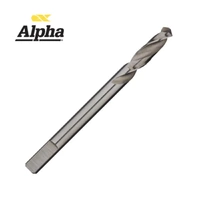
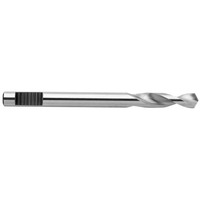
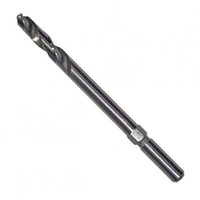
Standard arbors use a threaded connection to accept hole saws and include a pilot drill in the centre. The arbor connects to the drill chuck via a hex shank, typically 3/8 inch or 1/2 inch. Most hole saws on the Australian market use a standard thread that is compatible across brands, but it pays to confirm compatibility before purchasing blades and arbors from different manufacturers. Heavy-duty arbors, such as those from Re-Load, are rated for larger diameter saws (up to 200mm) and provide greater rigidity during the cut.
Quick-change arbor systems allow the blade to be swapped without tools, using a spring-loaded or push-button mechanism. On jobs involving multiple cutout sizes, such as a complete downlight installation, quick-change systems eliminate the time spent unscrewing and re-threading each blade. They also simplify slug ejection: the waste plug is expelled by pressing the release mechanism rather than using a screwdriver or rod to lever it free. Electricians doing high-volume downlight installations consistently report quick-change kits as one of the most time-saving tool investments on site.
Understanding the performance differences between hole saw types helps in making purchasing decisions that match the work at hand rather than defaulting to the cheapest or most familiar option.
| Type | Best For | Typical Lifespan | Relative Cost |
|---|---|---|---|
| Bi-Metal (HSS) | Timber, plasterboard, thin metal, plastic | 50-200+ holes (material dependent) | Low to moderate |
| Bi-Metal Cobalt | Harder timber, mild steel, stainless | 100-300+ holes (material dependent) | Moderate |
| TCT (Carbide) | Fibre cement, hard composites, abrasive board | 200-500+ holes | Moderate to high |
| Diamond | Tile, ceramic, porcelain, glass, stone | Highly variable (technique dependent) | High |
Bi-metal saws offer the best combination of performance and cost for general use. Cobalt-alloyed versions last two to three times longer than basic HSS in hard materials. TCT saws outlast both in abrasive materials where standard teeth dull within a few cuts. Diamond saws are highly durable in their intended materials but fail quickly if used on anything other than stone, tile, and glass.
A premium bi-metal saw costs two to three times more than a basic model but may complete ten times the number of holes before replacement. TCT saws have a higher upfront cost but make economic sense on any job involving fibre cement or composite board where a bi-metal saw would need replacing frequently. For tradespeople doing regular volume work, investing in quality tools from established brands reduces total cost over a season compared to buying lower-cost replacements repeatedly.
Upgrade to cobalt bi-metal when cutting stainless steel or hardwood regularly. Upgrade to TCT when working with fibre cement sheeting, compressed board, or other abrasive materials more than occasionally. Diamond saws are essential the moment tile or natural stone cutting is required. Using the wrong saw type not only dulls blades faster but risks cracking or damaging the workpiece, which carries a cost far exceeding the price difference between tool grades.
For most tradespeople, a quality kit covering the sizes used most often is more practical and cost-effective than individual blades purchased as needed. Kits also ensure all sizes share arbor compatibility, eliminating on-site fit problems.
A good kit includes a range of sizes from small (20mm) through to the largest diameter used regularly (typically 92mm for electrical work). It should include at least one arbor, a pilot drill, and a case or holder that keeps saws organised and protected on site. Look for kits where blades and arbors are interchangeable to allow future expansion without replacing the full set. Build quality of the case matters: a cheap plastic case that cracks on site becomes a problem quickly.
Multi-size kits are the right starting point for most tradespeople. They cover the full range without needing to stock individual sizes, and the bulk pricing is usually significantly better than purchasing equivalents one at a time. Individual blades make more sense when replacing a worn size within an existing set, or when a specific diameter is required that falls outside a standard kit range. Specialty sizes (such as 45mm for data wall plates or 76mm for certain downlight models) are best purchased individually as required.
Electricians doing downlight installations benefit most from kits that include 70mm and 90/92mm saws with a quick-change arbor. Kits from Re-Load, Alpha, Major Tech, Bordo, and Klein Tools are all stocked at Sparky Direct and are suited to trade use. General contractors who work across multiple material types are better served by a combination kit that includes both bi-metal and TCT blades, covering timber, sheet metal, and fibre cement without needing separate sets.
The correct technique extends tool life, improves cut quality, and reduces the risk of injury. Even an excellent hole saw will perform poorly if the drilling approach is wrong.
Hole saws require a drill with adequate torque, not just RPM. A corded drill with variable speed and a side handle provides the control needed for large diameter cuts. Cordless drills with high-torque modes work well for smaller saws (up to around 65mm) but may struggle with larger diameters or tough materials. A hammer drill should be set to rotation-only mode when using hole saws: the hammer action will damage the teeth and destabilise the cut. For SDS masonry cutting, a dedicated SDS drill with a core drill arbor is the correct tool. Electrical tools and hand tools for site preparation work are available across the Sparky Direct tools range.
The larger the hole saw diameter, the slower the required RPM. A 25mm bi-metal saw can run at 600 to 800 RPM in timber. A 92mm bi-metal saw should be kept below 200 RPM in the same material. Excessive speed generates heat, which dulls teeth quickly and can cause the saw to wander. Pressure should be firm and consistent rather than heavy. Let the teeth cut rather than forcing the saw through the material. In metal, a slow, steady feed rate prevents tooth skipping and work hardening at the cut face.
The pilot drill is the primary defence against wandering on entry. Mark the centre point of the required hole accurately before drilling and make sure the pilot drill seats cleanly before the saw teeth contact the surface. On hard, smooth surfaces (such as tile or polished metal), a centre punch mark or masking tape over the entry point helps the pilot drill grip on contact. Keep the drill perpendicular to the work surface throughout the cut. On angled surfaces, a drill guide or jig prevents the saw from sliding to the low side during the entry cut.
Slug removal: Never use your fingers to remove the waste plug from a hot blade. Use the ejection pin on the arbor, a screwdriver in the access slots, or a quick-change release mechanism. Freshly cut metal slugs have sharp edges and retain heat for several minutes after cutting.
Most hole saw problems trace back to either incorrect tool selection for the material or poor drilling technique. The following covers the most common issues encountered on trade sites.
Rapid dulling is almost always caused by using the wrong saw type for the material, running at excessive speed, or applying too much downward pressure rather than letting the teeth cut at the correct feed rate. Cutting abrasive materials (fibre cement, composite board) with a bi-metal saw will dull the teeth within a few holes regardless of technique. Using cutting fluid or lubricant when cutting metal dramatically extends tooth life. If a saw that was cutting well suddenly dulls, check whether the material has changed: hitting a hidden nail, screw, or hard inclusion in framing timber causes rapid localised damage to the teeth.
Rough cuts in timber are typically caused by a dull saw, excessive speed, or inadequate pilot drill guidance. On the exit face, place backing timber against the workpiece to prevent breakout as the saw exits. For cleaner entry cuts in melamine or laminate board, score the cut line with a knife before starting. In tile, a worn or glazed diamond edge causes chipping rather than cutting: the saw needs replacing or re-dressing. Splintering on fibrous materials (hardboard, certain plywoods) is reduced by keeping the saw sharp and moving it at a moderate, consistent feed rate.
Binding occurs when the kerf closes around the blade during the cut, usually in softwood or green timber that contains moisture and spring. Moving the saw slightly from side to side while maintaining forward pressure can free a bound blade. On deeper cuts, inserting a wedge into the kerf prevents closure. If the saw jams completely, stop the drill and reverse direction briefly to release the grip before attempting to extract it. Never force a jammed saw using the drill's forward power: this risks breaking the pilot drill, stripping the arbor thread, or causing sudden blade release.
Wobble is caused by a worn arbor, a loose blade connection, a bent pilot drill, or excessive pilot drill runout in the chuck. Check each component in sequence: confirm the blade seats squarely on the arbor, tighten the arbor in the chuck firmly, and replace the pilot drill if it shows any visible bend. Runout in the drill chuck itself can be tested by holding a straight drill bit in the chuck and checking for lateral movement as the chuck rotates slowly. A chuck with excessive runout needs servicing or replacement.
A hole saw that is cleaned, stored correctly, and used within its rated material range will last far longer than one that is treated as a disposable item. Basic maintenance takes a few minutes per session and pays back in extended tool life.
Slugs left inside the saw body cause the next cut to start under load, which increases heat buildup and shortens tooth life. After each cut, eject the slug using the arbor ejection pin or the access slots in the saw body. Remove sawdust and debris from between the teeth using a stiff brush or compressed air. Metal filings from steel cutting are abrasive and should be cleared from the gullets (the spaces between teeth) before the saw is used again on another material.
Store hole saws in the original case or a dedicated holder that prevents contact between blades. Teeth damage easily when saws are stored loose in a tool bag or drawer where they knock against other tools. A case with individual slots or a pegboard-style holder in the workshop protects the cutting edges between uses. Keep pilot drills straight: a bent pilot drill throws off the alignment of every cut that follows.
A hole saw that is cutting slowly, producing rough holes, or requiring excessive pressure has reached the end of its service life for the material it was used on. In some cases, a dull bi-metal saw can be partially restored by running it briefly through a piece of mild steel to clear the glazing from the teeth, but this is a limited fix. If teeth are missing, fractured, or significantly worn, replacement is the only safe option. On high-volume jobs, carry a spare blade in the sizes used most often so that a worn saw can be swapped out immediately rather than continuing with a tool that is slowing the work down.
Hole saws are among the higher-risk cutting tools in general trade use. The large diameter, high torque, and exposed teeth all contribute to a range of hazards that require active management on site.
All cutting work on Australian job sites must be conducted in accordance with the relevant safe work procedures and site-specific requirements. Licensed electricians using hole saws on construction sites must comply with WHS legislation in their state or territory. Eye and face protection is mandatory when cutting: metal and masonry cutting produce high-velocity chips. Hearing protection is recommended for extended hole saw use. When cutting overhead (such as cutting downlight openings from below a ceiling), shield against falling debris and use a dust cowl where available. Work gloves should be worn during setup and slug removal but removed before operating the drill to maintain grip on the tool.
Kickback occurs when the saw binds or the pilot drill breaks through the far side of the workpiece unexpectedly, causing the drill to torque suddenly against the operator's grip. Using a drill with a side handle provides the two-handed control needed to manage this. Brace the workpiece securely before cutting: unsecured material can spin with the saw and cause injury. When using large diameter saws (80mm and above), a high-torque drill with an integrated clutch is strongly preferred over a standard corded drill to limit kickback force if the saw binds.
Every arbor and hole saw has a maximum rated diameter and a rated speed. Exceeding these ratings risks tool failure, which can result in blade fragments becoming projectiles. Check that the arbor is rated for the saw diameter being used. Confirm that the drill's chuck size and torque rating are matched to the arbor shank. Heavy-duty arbors designed for large diameter saws should not be substituted with standard-grade arbors to save cost.
Choosing the right supplier matters as much as choosing the right tool. Trade professionals need stock that is available, correctly priced, and shipped quickly so that job delays are minimised.
Online electrical wholesalers offer a broader range of sizes, brands, and specifications than most local trade stores, and prices are typically more competitive for the same product. The holesaw blades range at Sparky Direct includes individual blades, full kits, and arbors from established brands, all priced for trade buyers. Online purchasing also allows fast comparison between blade types without needing to visit multiple stores.
A reliable trade supplier for hole saws should carry depth of stock (not just one or two sizes), clearly specify materials and compatibility for each product, and provide product detail sufficient to make an informed purchasing decision. It should also ship promptly to minimise job-site downtime when a replacement is needed urgently. Sparky Direct is an Australian-owned electrical wholesaler that has been supplying licensed trades since 2005, with stock held locally and Australia-wide delivery available. The electrical tools range covers both individual hole saws and full trade kits.
For contractors running multiple jobs simultaneously, bulk purchasing of consumable hole saw sizes (those replaced regularly) reduces per-unit cost and ensures replacements are on hand before the previous blade reaches the end of its life. Sparky Direct supplies trade professionals and contractors with competitive pricing on both individual products and larger order quantities. For enquiries about bulk pricing or stock availability on specific hole saw models, the Sparky Direct team can be contacted directly via the contact page.
Watch Re-Load RLHS25 | Hi-Flex Bi-Metal 25mm Cobalt Holesaw | Green video
Watch Re-Load RLHS92 | Hi-Flex Bi-Metal 92mm Cobalt Holesaw | Green video
Watch Major Tech MHS20 | 20mm HSS Holesaw with Arbour video

Massive time saver, honestly one of the best things I've ever bought. No more screwing around trying to lever the waste out of my holesaws, just *click* *click* and boom, onto the next hole. Not such a big deal over one or two holes, but give it a go next time you do a cut out and fit off. Absolutely brilliant.
Re-load are Pretty much the best holesaws on the market, my current set is about 15yr old, have replaced most of the holesaws (not all!!) but not half the amount as if they were others! And to have 2 complete kits in 1 box is sensational!
Holesaw stays sharp after multiple uses. The guide bit does not come lose after multiple uses. The spring ejection system is like other makes not that great. This is the best holesaw I have bought to date.
Quality products in stock • Fast Australia-wide delivery • Competitive trade pricing
Browse Hole Saws → Get Expert Advice →Using the wrong blade can result in poor cutting performance, blade damage, or overheating.
Sparky Direct supplies hole saws and holesaw blades Australia-wide, offering reliable tools with convenient delivery.
Holesaw blades are securely packaged and delivered via standard courier services.
Unused holesaw blades are typically eligible for return according to the seller’s returns policy.
Warranty coverage varies by manufacturer and generally covers defects in materials or workmanship.
Holesaw blades are available individually or in sets, depending on the range and application.
Basic cleaning and proper storage help maintain holesaw blade performance.
Yes, holesaw blades are designed to create neat, accurate circular holes when used correctly.
Dust levels depend on the material being cut, with plasterboard and masonry producing more debris.
Using the correct speed, allowing cooling time, and matching the blade to the material helps extend blade life.
Holesaw blades are suitable for DIY tasks, provided correct tool handling and safety practices are followed.
Yes, excessive speed or pressure can cause overheating, especially when cutting metal.
Holesaw blades are easy to use with the correct drill, arbor, and steady pressure.
Hole saws are used to cut clean, circular holes in materials such as timber, plasterboard, metal, plastic, and some masonry surfaces.
Holesaw blade lifespan depends on material hardness, cutting speed, and correct usage.
The right holesaw blade depends on the material being cut and the diameter of the required hole.
Yes, holesaw blades are replaceable and can be swapped depending on the size or material being cut.
Yes, most holesaw blades use a pilot bit to guide the cut and improve accuracy.
Holesaw blades are commonly used for cutting openings for electrical fittings, but electrical work must be carried out by a licensed electrician.
Most holesaw blades are compatible with standard drills when used with the correct arbor.
Yes, bi-metal or carbide-tipped holesaw blades are designed specifically for cutting metal.
Holesaw blades are available in a wide range of diameters to suit different hole sizes and installation requirements.
Many holesaw blades are manufactured in line with relevant AS/NZS standards, but compliance depends on the specific product and application.
Holesaw blades are commonly made from high-speed steel, bi-metal, carbide-tipped steel, or hardened alloy steel.
Depending on the blade type, holesaw blades can cut wood, metal, plastic, plasterboard, and lightweight masonry materials.