

LED Light Bulbs and Light Globes for Every Fitting Type
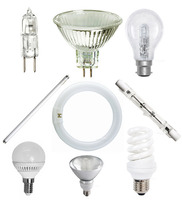
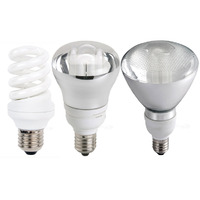
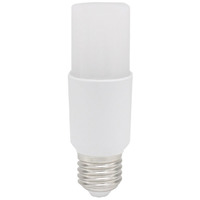
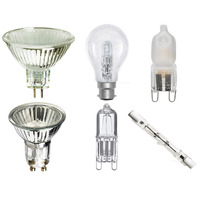


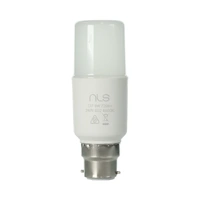
What Are LED Light Bulbs and How Do They Work?
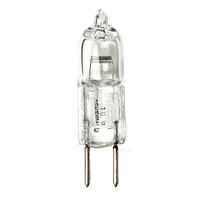
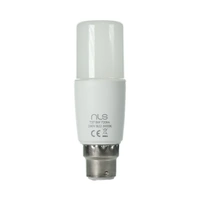
LED light bulbs are solid-state lighting devices that use a semiconductor to convert electrical energy directly into light. Unlike incandescent globes, which produce light by heating a filament to incandescence, LEDs generate minimal heat and consume far less energy. Available in a wide range of base types, wattages, colour temperatures, and globe shapes, LED bulbs suit everything from residential pendant fittings to commercial downlights. Sparky Direct stocks LED light globes from leading brands including SAL Lighting, National Light Sources (NLS), Philips, and EGLO, covering standard A60 shapes, candle globes, GU10 spotlights, MR16 reflectors, and tubular formats.
Table of Contents
- How LED Technology Works
- Globe Fitting Types and Base Compatibility
- Colour Temperature Explained
- Dimmable vs Non-Dimmable LED Globes
- Energy Efficiency and Lifespan
- Globe Shapes and Their Applications
- How to Select the Right LED Globe
- LED Globes for Home, Office, and Commercial Use
- Tradies Join Club Clipsal with Sparky Direct
- Product Videos
- What Sparky Direct Customers Say
- Quick Summary (TL;DR)
- Frequently Asked Questions about LED Light Bulbs
How LED Technology Works
LED stands for Light Emitting Diode. A diode is a semiconductor device that allows current to flow in one direction. When current passes through the semiconductor material, electrons release energy as photons, producing visible light. This process is called electroluminescence, and it requires no heat to occur.
The Core Technology Behind LED Lighting
The directional nature of LED light output means less energy is wasted illuminating areas that don't need it. The driver circuit inside each globe regulates voltage and current to protect the semiconductor chip and maintain consistent lumen output over the rated lifespan of the product.
How LED Bulbs Differ from Incandescent and Halogen Globes
Incandescent bulbs convert roughly 90% of their energy into heat and only around 10% into light. Halogen globes operate at very high temperatures, creating safety and cooling load concerns that LEDs eliminate. LED technology has no filament to burn out, which is the primary reason for the extended service life these products deliver.
Key Performance Metrics to Understand
Lumens measure actual light output. Watts measure energy consumption. These are not interchangeable when comparing LEDs to older globe types. Colour Rendering Index (CRI) indicates how accurately a globe renders colours compared to natural daylight, with 80+ considered suitable for most residential applications. Efficacy, measured in lumens per watt, is the most accurate way to compare the efficiency of different LED products.
Energy Savings in Practice
A 9W LED globe produces a light output equivalent to a 60W incandescent globe, delivering an energy reduction of approximately 85%. At 3 hours per day of use, a 25,000-hour LED globe lasts more than 22 years before requiring replacement. Browse LED light globes to compare wattages and lumen outputs across the full range.
Globe Fitting Types and Base Compatibility
Selecting the correct base type is the single most important factor when replacing an existing globe. Incompatible fittings cannot be used safely, and mixing up voltage types can damage both the globe and the transformer.
Bayonet Cap (B22) and Edison Screw (E27)
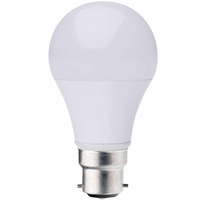
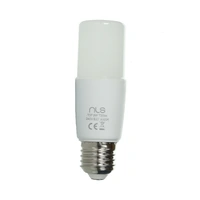
B22 (bayonet cap) is the predominant fitting in Australian homes, characterised by two pins that lock into the socket with a quarter-turn. E27 (Edison screw) uses a threaded base and is widely used in pendant lights, floor lamps, and decorative fittings. Both base types are available across the full range of wattages, colour temperatures, and globe shapes. Ceiling fan light kits typically use B22 or E27 bases.
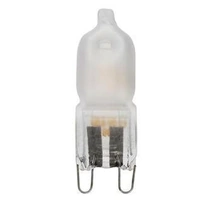
GU10, MR16, G9 and Specialty Bases
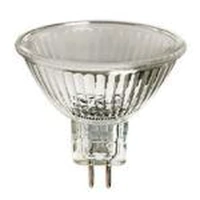
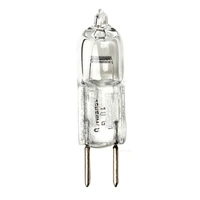
GU10 globes use a twist-and-lock mechanism and are the standard fitting for most downlight installations operating on 240V. MR16 globes operate on 12V and require a compatible downlight transformer. Replacing MR16 fittings with LED requires verifying transformer compatibility before purchase. G9 and E14 (small Edison screw) bases are common in decorative fittings and chandeliers.
How to Identify Your Existing Fitting Type
The base type is usually stamped or printed on the existing globe near the base. Bayonet caps have two small protruding pins. Screw bases have a visible thread. GU10 globes have two flat pins with a wider spacing than MR16. Confusing MR16 and GU10 is a frequent and potentially damaging mistake.
| Base Type | Voltage | Common Application | Identifier |
|---|---|---|---|
| B22 | 240V | Pendant fittings, batten holders, fan lights | Two pins, quarter-turn lock |
| E27 | 240V | Pendants, floor lamps, decorative fittings | Threaded screw base, 27mm diameter |
| GU10 | 240V | Downlights, track lighting | Two flat pins, twist-and-lock |
| MR16 | 12V | Low-voltage downlights, accent lighting | Two thin pins, push-in |
| E14 | 240V | Chandeliers, wall sconces, decorative pendants | Small threaded screw, 14mm diameter |
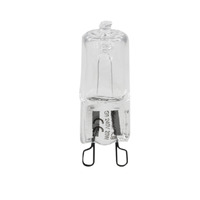
| G9 | 240V | Decorative fittings, wall lights | Two looped pins, 9mm spacing |
Colour Temperature Explained
Colour temperature determines the visual warmth or coolness of a light source and has a direct impact on how a space feels and functions. It is measured in Kelvin (K). Lower numbers produce warmer, more amber light. Higher numbers produce cooler, bluer light.
The Kelvin Scale: Warm White, Cool White, and Daylight
Warm white (2700K to 3000K) closely resembles the glow of incandescent globes and is commonly used in living rooms, bedrooms, and hospitality settings. Cool white (4000K) and daylight (5000K to 6500K) are better suited to kitchens, bathrooms, offices, and task-oriented spaces where visual clarity is important.
Tri-Colour LED Globes
Tri-colour globes allow users to switch between warm white, natural white, and daylight using the existing light switch without any additional hardware. A small selector switch on the globe base is adjusted before fitting. This flexibility makes them particularly useful in multi-purpose spaces where lighting needs change throughout the day. A single tri-colour globe replaces the need to purchase three separate products. Tri-colour LED downlights follow the same principle for recessed installations.
Matching Colour Temperature to Room Function
Bedrooms and living areas typically benefit from warmer temperatures (2700K to 3000K) to create a relaxed, comfortable atmosphere. Kitchens, laundries, and garages perform better with cooler temperatures (4000K to 6500K) that improve visibility for tasks. Offices and study spaces generally favour natural or cool white light to support concentration and reduce eye strain.
Warm White (2700K-3000K)
- Bedrooms and living rooms
- Hospitality and dining areas
- Feature pendant fittings
- Warm, relaxing atmosphere
Cool White / Natural (4000K)
- Kitchens and bathrooms
- Home offices and studies
- Retail and display areas
- Clean, neutral light
Daylight (5000K-6500K)
- Garages and workshops
- Commercial and industrial
- Security and exterior fittings
- Maximum task visibility
Dimmable vs Non-Dimmable LED Globes
Not all LED globes are compatible with dimmer switches. Using a non-dimmable globe on a dimmer circuit causes premature failure, flickering, or buzzing from the driver circuit.
How LED Dimming Works and Why Compatibility Matters
Traditional dimmers were designed for resistive incandescent loads and work by reducing voltage. This method is incompatible with most LED drivers. LED-compatible dimmers use trailing-edge or leading-edge technology specifically designed to work with the electronic drivers inside LED globes. Using a non-dimmable LED globe on a dimmer typically results in flickering, buzzing, reduced globe lifespan, or complete driver failure.
Important for Electricians: Most dimmers installed before 2010 were designed for incandescent or halogen loads and may require replacement when a circuit is upgraded to LED. LED-compatible dimmers specify a minimum load rating, which matters because LEDs draw far less power than the dimmers were originally calibrated for. Assess older dimmer installations before LED globes are fitted to avoid circuit damage. Browse dimmable LED globes that are clearly labelled for dimmer compatibility.
Identifying Whether Your Existing Dimmer Is LED Compatible
LED-compatible dimmers are typically labelled as such on the faceplate and specify a minimum load rating. A qualified electrician should assess older dimmer installations before LED globes are fitted. Replacing an outdated dimmer is a straightforward job, but it must be completed before the LED upgrade, not after flickering has already begun.
Choosing the Right Dimmable LED Globe
Dimmable LED globes are clearly labelled and should only be used in circuits with a compatible LED dimmer. The dimming range varies by product: some dim smoothly to 10% while others have a minimum threshold before switching off entirely. Tri-colour dimmable globes combine colour flexibility with dimming capability, offering the broadest range of control from a single product.
Energy Efficiency and Lifespan
LED globes consume significantly less energy and last considerably longer than any previous lighting technology, making them the most cost-effective choice over their operational lifetime.
Watt-for-Watt Replacement Guide
A 9W LED globe produces a light output equivalent to a 60W incandescent globe, representing an energy reduction of approximately 85%. A 12W LED globe is broadly equivalent to a 75W incandescent, while a 15W LED can match a 100W incandescent in lumen output. Comparing lumen output rather than wattage provides a more accurate performance comparison between products.
| Incandescent Wattage | Equivalent LED Wattage | Approximate Energy Saving | Lumen Output (approx.) |
|---|---|---|---|
| 40W | 5W to 7W | ~83% | 400 to 470 lm |
| 60W | 8W to 10W | ~85% | 700 to 800 lm |
| 75W | 11W to 13W | ~84% | 900 to 1100 lm |
| 100W | 14W to 16W | ~85% | 1300 to 1600 lm |
Rated Lifespan and What the Hours Mean
Quality LED globes are rated for 15,000 to 25,000 hours of operation, compared to approximately 1,000 hours for a standard incandescent globe. At an average of 3 hours per day of use, a 25,000-hour globe lasts over 22 years before requiring replacement. Lifespan ratings are based on controlled testing conditions. Actual performance depends on operating temperature, switching frequency, and dimmer compatibility.
The Environmental Case for LED Switching
LED globes contain no mercury, unlike compact fluorescent lamps (CFLs), which simplifies disposal and reduces environmental risk. The extended lifespan of LED globes reduces manufacturing demand, packaging waste, and the carbon footprint associated with frequent globe replacement. For specialist applications, Sparky Direct also stocks discharge lighting and special lamps.
Globe Shapes and Their Applications
LED globes are manufactured in a range of physical shapes, each designed to suit specific fixture types, beam angle requirements, and aesthetic preferences.
A60 (GLS): The Standard Globe Shape
The A60 is the traditional pear-shaped globe and the most widely used format in Australian residential lighting. It is available in B22 and E27 bases across a range of wattages and colour temperatures. The omnidirectional light distribution makes it suitable for any fitting where light is needed in all directions, including batten holders and pendant fittings.
Candle, Fancy Round, and Decorative Globe Shapes
Candle globes (C35) are designed for chandeliers, wall sconces, and decorative pendants where the globe itself is part of the visual design. Fancy round and golf ball shapes serve similar decorative purposes and are commonly used in exposed fittings where the globe silhouette is visible. Filament-style LED globes replicate the warm glow and visual aesthetic of vintage Edison bulbs while delivering the efficiency benefits of LED technology.
Reflector and Spotlight Globes for Directional Lighting
GU10 and MR16 reflector globes concentrate light in a specific direction, making them ideal for downlights, track lighting, and accent illumination. Beam angle is a critical specification for reflector globes: narrow angles (25 to 40 degrees) create focused spotlights while wide angles (60 to 120 degrees) provide broader area coverage. Lamp holders for pendant and batten applications are also available from Sparky Direct.
How to Select the Right LED Globe
Choosing the correct LED globe requires matching four key variables: base type, wattage, colour temperature, and dimmability. Getting all four right ensures the globe performs as expected and reaches its rated lifespan.
A Practical Selection Framework
- Identify the base type from the existing globe before considering any other specification.
- Determine required lumen output based on room size and function, then select a globe wattage that delivers that output.
- Check dimmer compatibility before selecting a dimmable or non-dimmable globe.
- Choose colour temperature based on the intended use of the space.
Common Mistakes When Replacing Globes with LED
Selecting by wattage alone without checking lumen output can result in a globe that is significantly brighter or dimmer than the original. Installing a non-dimmable LED globe on a dimmer circuit is one of the most common causes of early globe failure and flickering. Confusing MR16 (12V) and GU10 (240V) fittings can damage both the globe and the transformer.
Australian Standards and Safety Compliance
LED globes sold in Australia must comply with AS/NZS 4782 and carry the Regulatory Compliance Mark (RCM), which confirms the product meets mandatory electrical safety requirements. The RCM mark indicates the product has been assessed against relevant Australian and New Zealand standards for electrical safety and electromagnetic compatibility.
Halogen Globe Transition
Many installations still run halogen globes, particularly MR16 12V downlights and GU10 spotlights. When transitioning to LED, check the existing transformer is rated for LED loads. Some older magnetic transformers are not compatible with low-wattage LED drivers and will need replacement. All globes in the Sparky Direct light globes range carry the RCM mark.
LED Globes for Home, Office, and Commercial Use
Different environments have distinct lighting requirements. Understanding these differences ensures the right globe is selected for each application and avoids costly replacements.
Residential Lighting: Room-by-Room Guidance
Living areas and bedrooms benefit from warm white (2700K to 3000K) globes in A60 or decorative shapes. Kitchens and bathrooms require higher colour temperatures (4000K to 6500K) and higher lumen output to support task performance. Outdoor residential areas require globes with an appropriate IP rating to withstand moisture and dust exposure. Clipsal also produces LED lamp products designed specifically for Airflow ceiling fan light fittings.
Office and Commercial Environments
Commercial settings typically require consistent, high-CRI lighting that supports productivity and reduces eye fatigue. Colour temperatures between 4000K and 5000K are broadly recommended for office environments based on research into alertness and visual comfort. Cool white LED downlights and warm white LED downlights cover the most common commercial downlight specifications.
Industrial and Trade Applications
Industrial environments often require globes with high IP ratings, impact resistance, and compatibility with emergency lighting circuits. Trade buyers purchasing in volume should consider lumen output per watt as the primary efficiency metric rather than individual globe wattage. Consistency of colour temperature across a large installation is important to avoid visible variation between globes from different batches. The daylight LED downlight range is commonly used in warehouses and commercial fitouts for maximum task illumination.
Tradies Join Club Clipsal with Sparky Direct
Club Clipsal is Australia's largest electrician community offering trade rewards, business support, and exclusive benefits. When you nominate Sparky Direct as your preferred wholesaler, we automatically apply your Clipsal spend points to your Club Clipsal account daily.
Four Membership Tiers
Entry-level offering coaching, mentoring, and training discounts
Unlock exclusive industry tools and networking events
Access Toyota fleet offers and business software discounts
Maximum benefits, including VIP experiences and rewards
How It Works
1. Sign Up: Create your Club Clipsal account at clipsal.com/club-clipsal or via the iCat mobile app
2. Nominate Sparky Direct: Select Sparky Direct from the wholesaler dropdown menu in your profile
3. Add Email: Enter your Sparky Direct account email address in the membership number field
4. Start Earning: Every dollar spent on Clipsal products earns points automatically
Exclusive Benefits
Redeem points from the rewards store, including gift cards, tools, and experiences. Access business summits, product training, and industry networking events. Receive early access to new product launches and special promotions. Connect with fellow electricians via the Club Clipsal community app.
Product Videos
Watch SAL LCA50E14D | Candle Opal LED Bulb 4W Dimmable | E14 | Daylight video
Watch NLS 10635 | 10W LED Lamp GU10 Non Dimmable | 3000K Warm White 700lm video
Watch SAL LT409TC-E27D | 9W Dimmable ES LED Lamp | Tri Colour 3K/4K/6K video
What Sparky Direct Customers Say

Fantastic - This SAL tubular globe not only fits in my old fan light (saving me replacing it), but does everything I want a globe to do. At 101mm long x 40mm wide, it's the shortest LED tubular bulb I've found. It's also dimmable, can be set to warm or cool white, and gives good light without flickering
To Sparky. I have used SAL globes in the passed and have always been good quality. The new adjustable type are great knowing you can getting the brightnesses just right for fanlight. As once put cover back up, you lost so much brightnesses. So for fanlight with 2 globes 4k is just is right.
Nice light, as stated you can change the intensity of the light by just sliding the switch selector. It has a low electricity demand so cheap to run whilst producing good light. I am very happy with this product. It remains to be seen how long it will last before it requires replacement.
- LED light bulbs use semiconductor technology to convert electricity directly into light, producing minimal heat and consuming up to 85% less energy than incandescent globes.
- Base type is the most critical selection factor: B22 and E27 are the predominant Australian residential fittings; GU10 is 240V; MR16 is 12V and requires a compatible transformer.
- Colour temperature (measured in Kelvin) determines the warmth or coolness of the light: 2700K to 3000K for living areas and bedrooms, 4000K to 6500K for kitchens, offices, and task spaces.
- Tri-colour globes switch between warm white, natural white, and daylight using the existing light switch, making them a versatile single-product solution for multi-purpose spaces.
- Non-dimmable LED globes must not be used on dimmer circuits. Flickering, buzzing, and early driver failure are the result. Dimmers installed before 2010 should be assessed for LED compatibility before upgrade.
- Quality LED globes are rated for 15,000 to 25,000 hours. At 3 hours per day of use, a 25,000-hour globe can last more than 22 years, significantly reducing replacement costs over time.
- All LED globes sold in Australia must carry the Regulatory Compliance Mark (RCM) confirming compliance with AS/NZS 4782 electrical safety and EMC requirements.
Shop LED Light Bulbs at Sparky Direct
Trusted brands • Expert advice • Fast Australia-wide delivery • Trade pricing
Shop LED Light Bulbs → Get Expert Advice →Light Bulbs Frequently Asked Questions
Are light globes easy to replace?
Yes, most light globes can be replaced easily once the fitting is switched off and cooled.
Light Bulbs near me
Sparky Direct supplies light globes Australia-wide, offering a wide range of reliable lighting solutions with convenient delivery.
How are light globes delivered?
Light globes are securely packaged and delivered via standard courier services.
Can unused light globes be returned?
Unused products are generally eligible for return according to the seller’s returns policy.
What warranty applies to light globes?
Warranty coverage varies by manufacturer and typically covers defects in materials or workmanship.
Are light globes sold individually or in packs?
Light globes are only available individually.
Should light globe selection be planned carefully?
Yes, choosing the right globe ensures the desired brightness, colour, and efficiency.
Do light globes flicker?
Quality globes provide stable light output when installed correctly.
Can the wrong globe damage a fitting?
Using an incorrect globe can affect performance or heat management.
Are light globes available in decorative styles?
Yes, decorative globes such as filament and feature styles are widely available.
Do dimmable light globes work in all fittings?
They require compatible dimmers and fittings to operate correctly.
Are light globes suitable for lamps and ceiling lights?
Yes, they are used in a wide range of lamps and fixed light fittings.
How long do LED light globes last?
LED globes are designed for long service life compared to traditional globes.
What are light globes?
Light globes are replaceable light sources used in lamps and light fittings to produce illumination.
Do light globes affect the mood of a room?
Yes, colour temperature and brightness influence how a space feels.
Why choose LED light globes?
They use less energy, last longer, and provide consistent light output.
Are specialty light globes available?
Yes, specialty globes are available for appliances, decorative fittings, and specific lighting needs.
Can light globes be used indoors and outdoors?
Some globes are suitable for outdoor use when installed in appropriate weather-rated fittings.
Are light globes suitable for residential and commercial use?
Yes, light globes are used in homes, offices, retail spaces, and commercial buildings.
Are light globes available in different brightness levels?
Yes, brightness is measured in lumens and varies depending on the globe type and wattage.
Are light globes available in different colour temperatures?
Yes, common options include warm white, cool white, and daylight.
What fittings do light globes come in?
Light globes are available in various bases such as B22, E27, E14, GU10, and others.
Are LED light globes the most common option?
Yes, LED light globes are widely used due to their energy efficiency and long lifespan.
Do light globes comply with Australian standards?
Quality light globes are manufactured to meet relevant AS/NZS electrical and safety standards.
What types of light globes are available?
Common types include LED globes, halogen globes, incandescent globes, and specialty globes.