
Search Results:
Search Results:
Search Results:
Search Results:
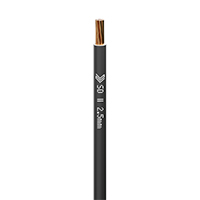
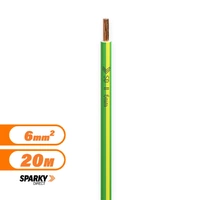
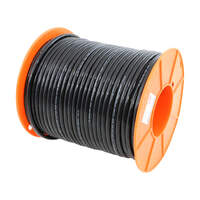
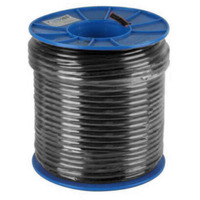
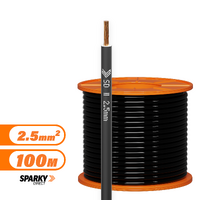
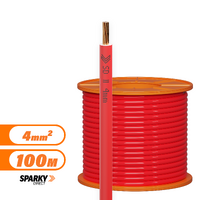
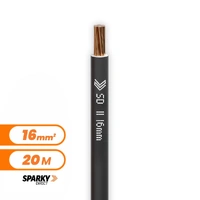
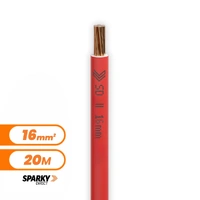
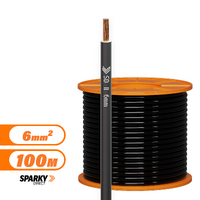
Building Wire Electrical building wire refers to the cables or wires that transmit electrical power within a building or a structure. These wires are an essential component of an electrical system as they connect electrical devices, outlets, and fixtures to the main power source. Sparky Direct supplies building wires made of copper that are insulated with a protective PVC covering to prevent electrical shock and damage from environmental factors such as moisture and heat.
Our building wires are designed to meet specific Australian electrical codes and safety standards and come in various sizes, usually measured in gauge or cross-sectional area.
The size of the wire determines its ampacity, which is the maximum amount of electrical current that the wire can safely carry. Voltage drop must be considered when selecting the correct size building wire. Voltage drop refers to the reduction in voltage that occurs as electrical current flows through a conductor, such as a building wire. This is due to the resistance of the conductor, which converts some of the electrical energy into heat, causing a drop in voltage. The voltage drop increases with the length of the conductor and the amount of current flowing through it.
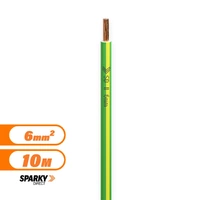
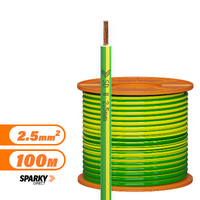
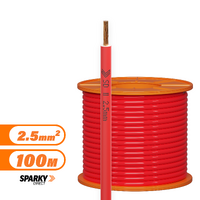
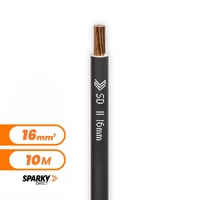
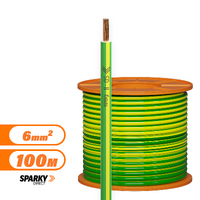
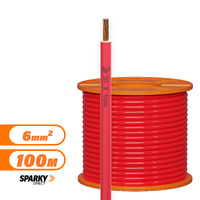
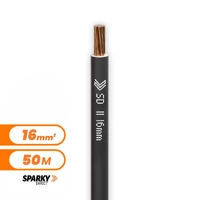
Building wires are colour-coded to identify their function, with black wires commonly used for neutral, red wires for active, and green-yellow wires for the earth. The correct installation and use of building wires are crucial for the safety and proper functioning of an electrical system. Connecting electrical cables to a power source should be done by a licensed electrician or a qualified electrical contractor. This is because the process involves handling voltages, which can be dangerous and potentially lethal.
During the installation of power and light points in a unit block in Sydney, we followed standard procedures. Firstly, all the deep junction boxes were installed into the ceilings and the wall boxes into the walls at the correct height. Rigid conduits were installed, and all the junction and wall boxes were linked to create a robust electrical infrastructure.
After the concrete floors and ceiling were poured, we removed the lids to the junction boxes and used a pull-through snake to pull the building wire through the conduits. Building wire proved to be a more suitable choice than TPS in this case because it has a thinner diameter, which allowed for more cables to be run in the same conduits.
Building wire is an electrical wire used for power and lighting installations in the construction industry. Its design includes a robust insulation layer that ensures durability in harsh environmental conditions. The wire's slender diameter makes it a popular choice for installations where multiple cables must be run through conduits.
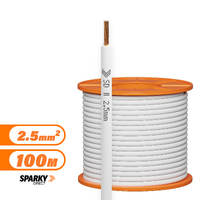
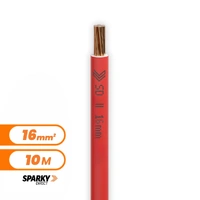
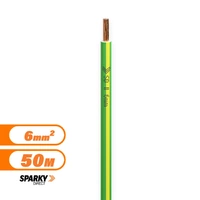
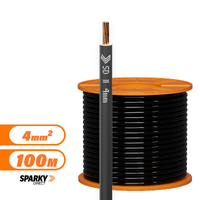
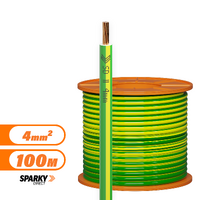
If you're after Building wire 2.5mm, 4mm, 6mm, 10mm, 16mm in red, black and yellow/green look no further. View our large range at amazing prices and shop online for nationwide delivery and Save!
Yes. Building wire is commonly used during upgrades, renovations, and electrical modifications.
Building wire is available from Sparky Direct, offering access to compliant electrical products with Australia-wide delivery.
Delivery options depend on the supplier and location, with availability across metropolitan and regional Australia.
Yes. Building wire is suitable for new construction, renovations, and electrical upgrades.
Warranty coverage depends on the manufacturer and supplier, with conditions applying to correct use and installation.
Consider conductor size, insulation type, compliance markings, application requirements, and electrician recommendations.
Yes. When compliant products are installed by licensed electricians, building wire provides a safe and dependable wiring solution.
Yes. Building wire is used in residential, commercial, and light industrial settings.
Yes. Building wire is designed to allow routing through conduits and confined spaces as required.
The wire itself does not require maintenance but is checked during routine electrical inspections.
Yes. When correctly sized, building wire is suitable for modern household and workplace electrical loads.
When correctly installed and protected, building wire can provide many years of reliable service.
In most cases, building wire is concealed within walls, ceilings, or conduits once installed.
Building wire is electrical wire used for fixed wiring installations within buildings, including residential and light commercial applications.
Building wire is designed for professional use and is manageable for licensed electricians during installation.
Building wire is versatile, reliable, and suitable for concealed installations, making it ideal for new builds and renovations.
Yes. Installation must be carried out by a licensed electrician to ensure safety and compliance with Australian regulations.
Building wire is primarily designed for indoor or protected environments and is not intended for direct exposure to weather unless specifically rated.
Yes. Building wire is available in configurations suitable for both single-phase and three-phase electrical systems.
Yes. Building wire is available in a range of conductor sizes to suit different electrical loads and circuit requirements.
Building wire typically uses copper conductors due to their conductivity, strength, and reliability.
Yes. Building wire is widely used in Australian homes for lighting, power, and control circuits.
Building wire is commonly installed within walls, ceilings, conduits, switchboards, and other protected building cavities.
Quality building wire supplied in Australia is manufactured to meet relevant AS/NZS electrical and safety standards when installed correctly.
Common types include single insulated, double insulated, and sheathed building wires designed for specific electrical applications.