
Search Results:
Search Results:
Search Results:
Search Results:
Heat alarms vary by detection method, power source and interconnection, and trade buyers select on the basis of building stage, installation environment and the wider alarm system already in place. The four most common variations are fixed-temperature, rate-of-rise, mains powered and battery operated units.
A fixed-temperature heat alarm activates when a set threshold is reached, commonly around 58 degrees Celsius. Activation values vary by product, so the datasheet should always be checked before specifying a unit. These alarms suit kitchens, laundries, garages and utility areas where gradual temperature variation is normal and a clear threshold is needed.
Rate-of-rise heat alarms respond to a rapid increase in ambient temperature, rather than a fixed value. They suit areas where fast-developing fires are a concern and background temperature is fairly stable. Placement matters: spaces with rapid non-fire temperature swings may need careful siting to prevent nuisance activation.
Some units combine both methods, activating either when the threshold is reached or when a fast temperature rise occurs, which reduces missed events in mixed environments. Confirm the activation logic on the manufacturer datasheet before ordering, as the threshold and rate-of-rise values vary by product family.
Mains-powered heat alarms typically include battery backup and connect to the lighting or alarm circuit, and hardwired units are usually preferred for new builds and full interconnected systems. Sealed 10-year battery alarms suit retrofits, rental maintenance and locations where running cabling is impractical, noting that mains-powered installation is licensed electrical work in Australia.
Wired interconnection runs an interconnect conductor between alarms during a new build or major renovation, while RF wireless interconnection suits retrofits where running cable through finished ceilings is impractical. Interconnection protocols are usually manufacturer-specific, so mixing brands rarely works and compatibility should be verified against the manufacturer matrix before ordering.
Heat alarms belong in spaces where photoelectric smoke alarms are likely to nuisance trip. They sit alongside smoke alarms in a complete detection plan, not in place of them.
Steam, cooking smoke and airborne oil particles regularly trigger smoke alarms in kitchen spaces, so a heat alarm in the kitchen provides reliable detection without responding to ordinary cooking activity. The smoke alarms covering bedrooms and hallways stay in place as the primary residential detection devices. Mount the kitchen heat alarm on the ceiling, away from cooktops, ovens, range hoods and ventilation outlets, according to manufacturer spacing instructions.
Garages and workshops carry fire risk from vehicles, stored fuel, charging equipment, dust and power tools, and smoke alarms can false alarm in dusty or exhaust-prone environments. Heat alarms suit these spaces better, provided the operating temperature range of the chosen unit covers the conditions of an uninsulated Australian garage in summer.
Laundries produce steam from dryers and washing machines, and bathrooms generate high humidity, so standard smoke alarms can trigger in these conditions. Heat alarms tolerate humidity better, although suitability for the specific installation environment should be confirmed against the datasheet. Wet zones require compliance-aware placement and licensed installation where mains wiring is involved.
Concealed spaces carry electrical fault and pest-related fire risk, and Australian roof cavities reach high ambient temperatures in summer, so the chosen alarm must be rated for the conditions. Wireless or interconnected models work well in concealed spaces because the alarm sound needs to travel to where occupants will hear it.
Rules vary by state, building class, new build versus retrofit status and whether the system is residential or commercial. Electricians, builders and property managers should confirm requirements with the relevant fire authority, certifier or state regulator before specifying products.
Heat and smoke alarm products sold for Australian use should comply with the relevant Australian standards and certification requirements. Markings, datasheets, certification and supplier documentation should be checked before installation. Non-compliant imported products are best avoided for fixed installations, particularly in rentals and commercial premises.
Mains-powered heat alarms must be installed by a licensed electrician under AS/NZS 3000 and the relevant state electrical safety legislation, and the electrician verifies circuit selection, interconnection, location and final commissioning. Heat alarms can be paired with circuit protection upgrades such as RCBOs and main switches during the same switchboard visit.
Smoke alarm laws differ across Queensland, New South Wales, Victoria and other jurisdictions. Heat alarms are commonly used as complementary devices in kitchens and garages, while smoke alarm rules continue to apply in bedrooms, hallways and living spaces. Owners, landlords and managers should check local requirements for rentals, owner-occupied homes, new builds and renovations.
Standalone residential heat alarms differ from commercial heat detectors connected to a fire indicator panel. The NCC and AS 1670.1 govern detection design for Class 2-9 buildings. Commercial fire detection design should be handled by a licensed fire systems contractor or suitably qualified electrician.
Licensed work reminder: Installation, replacement and interconnection of mains-powered heat alarms is electrical work and must be carried out by a licensed electrician. Sealed battery units mounted to the ceiling without mains connection are typically owner-installable, subject to state rules.
The right product matches detection type, power source, interconnection and operating environment, and a practical selection framework saves time on site and reduces returns. The checklist below covers the four decisions that drive most of the result on a given project.
Kitchen heat alarms should reduce nuisance activations, trip reliably at the rated threshold and integrate with the existing alarm system. Both hardwired and wireless options are available depending on the building stage. Long-life battery models often suit retrofit work where state rules permit.
Garages, roof voids and uninsulated workshops need a wide operating temperature range. A standard alarm may trigger or fail in unsuitable ambient conditions if it is not correctly rated. Datasheets should be checked before installation in any space that exceeds typical living-area temperatures.
Reputable Australian-market brands sold through Sparky Direct include Clipsal, Brooks, Matelec, PSA Products and Red Smoke Alarms, with Legrand as another well-established option. Focus on compliance, compatibility, support, warranty, stock availability and replacement continuity rather than price alone. Trade buyers should also check whether matching wireless bases and controllers are part of the same stocked range.
Correct positioning, testing and commissioning determine whether a heat alarm performs when it matters. Fixed wiring stays in licensed hands; site verification is the electrician's responsibility.
Ceiling mounting is usually the preferred position, subject to manufacturer instructions, and dead-air spaces, corners, ventilation outlets, fans, windows and direct appliance heat should be avoided. Manufacturer spacing instructions and local code requirements apply for distance from walls, vents and heat sources.
Installation, replacement and interconnection of mains-powered alarms is licensed electrical work, and the electrician will verify power supply, interconnection, location, compliance and commissioning during the visit. Screw connectors and electrician hand tools support a clean install at the alarm location.
The manufacturer test button confirms basic alarm function on each unit. Interconnected systems should be tested so all alarms sound when each unit is triggered, which confirms the link between units is intact. Monthly user testing is standard, with scheduled maintenance testing in line with manufacturer and fire authority guidance.
Installation date, replacement date, model, location and interconnection group should be recorded for every alarm. Rental and commercial settings benefit from compliance and maintenance records held by the property manager. Most alarms have a 10-year service life from manufacture or installation, depending on the product instructions.
Heat alarms require ongoing attention, although the maintenance load is light. A dusty or end-of-life alarm is not a reliable alarm, so a simple cleaning and replacement schedule matters more than most owners expect.
Gentle vacuuming or cleaning according to manufacturer instructions keeps the sensor area clear, since dust, insects and debris can affect performance over time. Chemicals, paint and water should never be sprayed onto an alarm, as residue and moisture can damage the sensor and trigger fault indications.
Replaceable battery and sealed lithium battery units behave differently, and manufacturer instructions cover battery replacement intervals and low-battery alerts for each type. Sealed 10-year alarms are replaced as a complete unit at end of life, since the battery is not separately serviced.
Replace at end of service life, usually 10 years from manufacture or installation. Replace earlier after failed testing, physical damage, persistent fault indications, contamination or incompatible system changes. In interconnected systems, replacement should use a compatible model from the same family to preserve the link.
Heat alarms do not replace smoke alarms, since the two device types cover different fire phases and different environments. A complete detection plan usually uses both, with the device choice driven by the room and the likely fire signature.
| Device | What it detects | Best location |
|---|---|---|
| Heat alarm | Ambient temperature rise | Kitchens, garages, laundries, workshops |
| Photoelectric smoke alarm | Visible smoke particles, smouldering fires | Bedrooms, hallways, living areas |
| Ionisation smoke alarm | Small combustion particles, fast-flaming fires | Less common in modern Australian residential use |
| Commercial heat detector | Temperature rise, panel-monitored | Class 2-9 commercial buildings on a fire panel |
Heat alarms respond to temperature; photoelectric smoke alarms respond to visible smoke particles. Photoelectric units are better for bedrooms, hallways and living areas, where early smoke detection saves the most lives. Heat alarms cover nuisance-prone spaces where smoke alarms would false alarm.
Ionisation alarms respond to fast-flaming fires but trigger more readily on cooking smoke than photoelectric units. Modern Australian residential guidance generally favours photoelectric smoke alarms as the primary smoke alarm technology, with heat alarms remaining the practical choice for kitchens and garages.
Standalone residential heat alarms sound locally and link to other residential alarms through wired or RF interconnection. Commercial heat detectors are devices on a fire indicator panel and form part of a designed fire detection system, and the two are not interchangeable. Commercial fire detection should be designed by a fire systems professional working with the building certifier.
Heat alarms react more slowly than smoke alarms to smouldering fires, because the heat output is low in the early stages. Photoelectric smoke alarms are the better choice where smouldering fire risk is the main concern. Heat alarms belong in a complete, correctly zoned detection system rather than as the sole device.
Commercial purchase decisions usually combine compliance, compatibility, lead time and ongoing support into a single supplier choice. The right supplier provides clear product specifications, stock visibility and replacement continuity across a project's lifecycle.
Australian electrical wholesalers and reputable retailers can supply compliant products with datasheets and warranty support. Online purchasing brings clear product specifications, live stock visibility, fast dispatch and access to multiple compatible ranges. Sparky Direct is an Australian online electrical wholesaler serving both trade and retail buyers across the country.
Bulk procurement covers rental upgrades, strata maintenance, new builds, renovations and ongoing facility maintenance, and compatible model families should be confirmed before placing a bulk order. Trade buyers usually weigh stock depth, repeat availability, consistent model numbers and delivery reliability, since model changes mid-project can break interconnection. Heat alarms typically ship alongside electrical accessories for full project orders.
Value means compliance, interconnection compatibility, service life, warranty, power source and installation cost taken together. The cheapest product is rarely the best value where certification, compatibility or support is unclear. Cross-brand comparison across Clipsal smoke alarms, Brooks, Matelec, PSA, Red Smoke Alarms and other Australian-market options helps identify the right balance for each project.
Club Clipsal is Australia's largest electrician community offering trade rewards, business support, and exclusive benefits. When you nominate Sparky Direct as your preferred wholesaler, we automatically apply your Clipsal spend points to your Club Clipsal account daily.
Entry-level offering coaching, mentoring, and training discounts
Unlock exclusive industry tools and networking events
Access Toyota fleet offers and business software discounts
Maximum benefits, including VIP experiences and rewards
1. Sign Up: Create your Club Clipsal account at clipsal.com/club-clipsal or via the iCat mobile app
2. Nominate Sparky Direct: Select Sparky Direct from the wholesaler dropdown menu in your profile
3. Add Email: Enter your Sparky Direct account email address in the membership number field
4. Start Earning: Every dollar spent on Clipsal products earns points automatically
Redeem points from the rewards store, including gift cards, tools, and experiences. Access business summits, product training, and industry networking events. Receive early access to new product launches and special promotions. Connect with fellow electricians via the Club Clipsal community app.
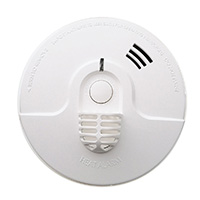
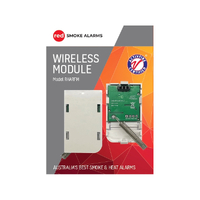
Watch Red Smoke Alarms RHA10RF | Wireless Heat Alarm | 10 Year Lithium Battery | Interconnectable video
Watch Red Smoke Alarms RHA240SL | Heat Alarm 240v | 10 Year Lithium Battery | Interconnectable video
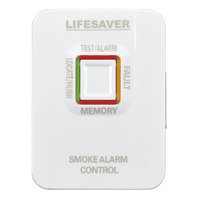
Watch Red Smoke Alarms RAC | Smoke Alarm Controller | RF Wireless video

These smoke and heat alarms have now been installed with minimal effort and have replaced a set (by another manufacturer from a big green hardware store) that had started having daily false alarms after only 2 1/2 years. The sound of a smoke alarm is definitely something you NEVER want your family getting used to and ignoring. The setup and pairing is really easy and the addition of the wall controller is fantastic. I'll definitely be buying these again (hopefully in about 10 years)
Tiny and mighty. Small, lightweight, and great for garages and kitchens etc where a regular photoelectric alarm may get a false alarm. And is already RF wireless enabled to link with the rest of the house.
Fitted in garage as unable to install hard wired heat alarm. It integrated seamlessly with Red Smoke Alarms master wireless base and wireless remote.
Quality products in stock • Fast Australia-wide delivery • Competitive trade pricing
Browse Heat Alarms → Get Expert Advice →